
Practicing lowercase letters is vital for young learners, and Kindergarten Lower Case Alphabet Worksheets provide an excellent way to reinforce this skill. These worksheets are designed to be engaging and easy to use, making them perfect for parents and teachers looking to support early literacy development at home or in a homeschool setting.
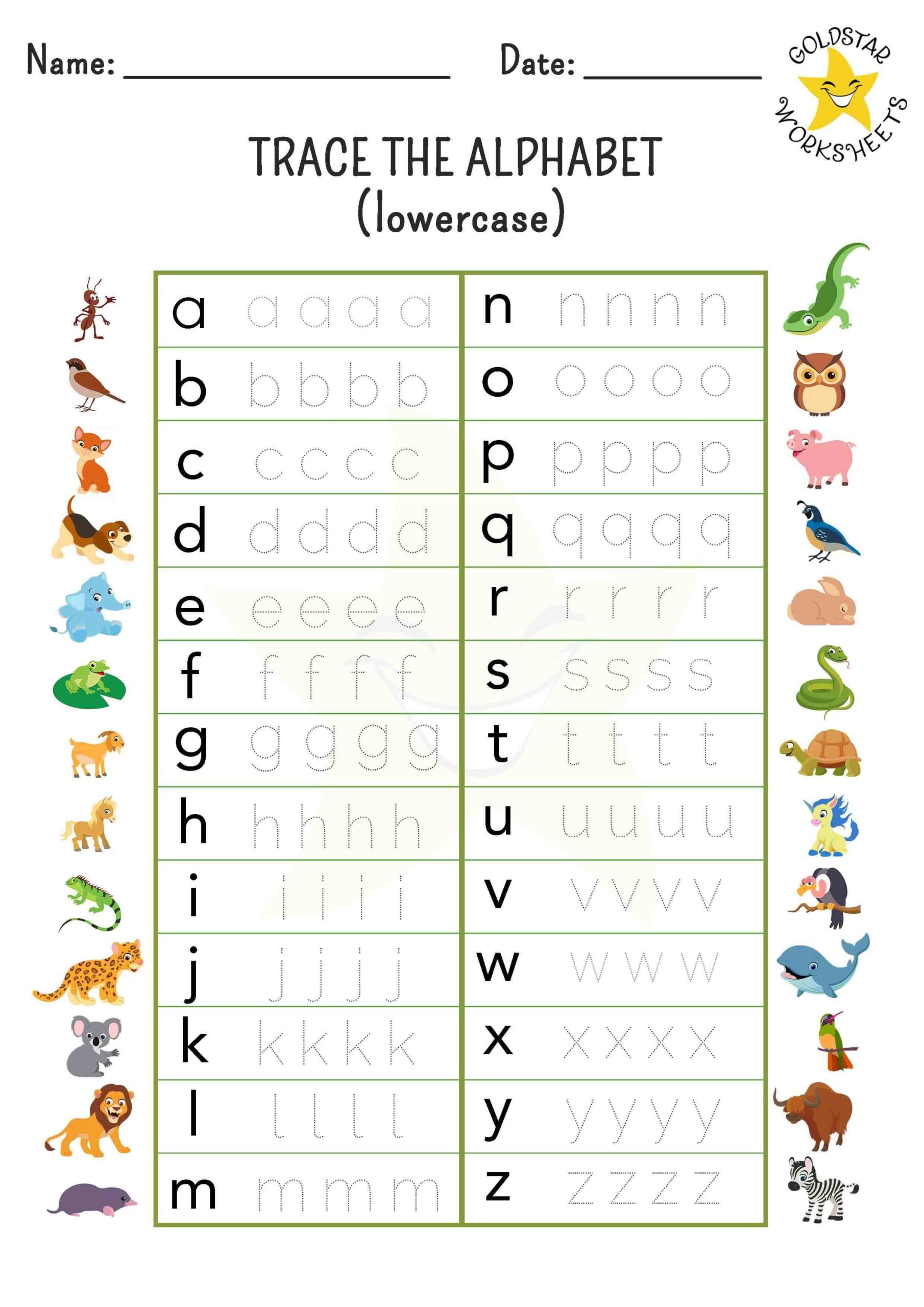
Importance of Lowercase Letter Recognition
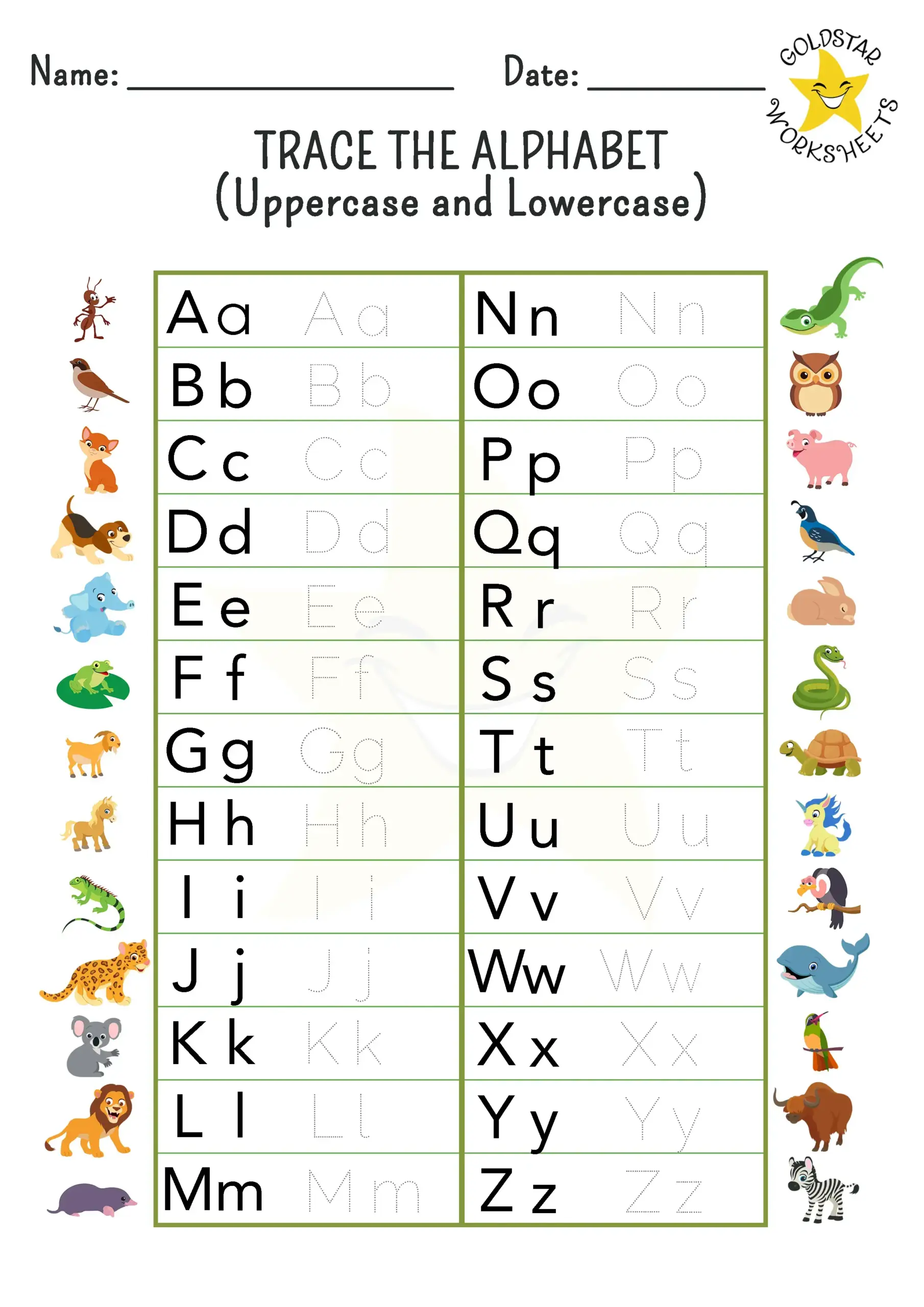
Before diving into the worksheets, it’s essential to understand why lowercase letter recognition is crucial. Young children learn that letters represent sounds, and recognizing lowercase letters is fundamental to reading and writing. Most text they encounter in everyday life is in lowercase, making it critical for them to grasp these forms early on.
Lowercase letters are often introduced after the uppercase ones, as they are more frequently used in writing. By utilizing worksheets tailored specifically for lowercase letters, children can practice identifying, tracing, and writing these letters in various contexts, enhancing their learning experience.
Features of Effective Kindergarten Lower Case Alphabet Worksheets
When selecting or creating Kindergarten Lower Case Alphabet Worksheets, consider the following features to ensure they are effective:
- Variety of Activities: Worksheets should include a mix of tracing, coloring, and matching activities to keep children engaged and cater to different learning styles. This variety helps reinforce the recognition and writing of lowercase letters.
- Clear Layout: A simple, uncluttered design allows children to focus on the task at hand without distractions. Worksheets should use large, clear fonts that are easy to read.
- Interactive Elements: Incorporating activities that allow children to interact with the worksheet, such as coloring sections or connecting dots, can increase engagement and make learning fun.
- Progressive Difficulty: Worksheets should start with simpler tasks, like tracing letters, and gradually introduce more complex activities, such as writing letters independently or identifying letters in words.
How to Use Kindergarten Lower Case Alphabet Worksheets at Home
Integrating these worksheets into your daily routine can be straightforward and rewarding. Here’s a practical approach to using them effectively:
- Set a Routine: Allocate a specific time each day for practice. This could be part of a morning routine or an afternoon activity after lunch. Consistency helps children develop a habit of learning.
- Choose the Right Environment: Create a quiet, distraction-free space for your child to work on their worksheets. Ensure they have all necessary supplies, such as pencils, crayons, and erasers, within reach.
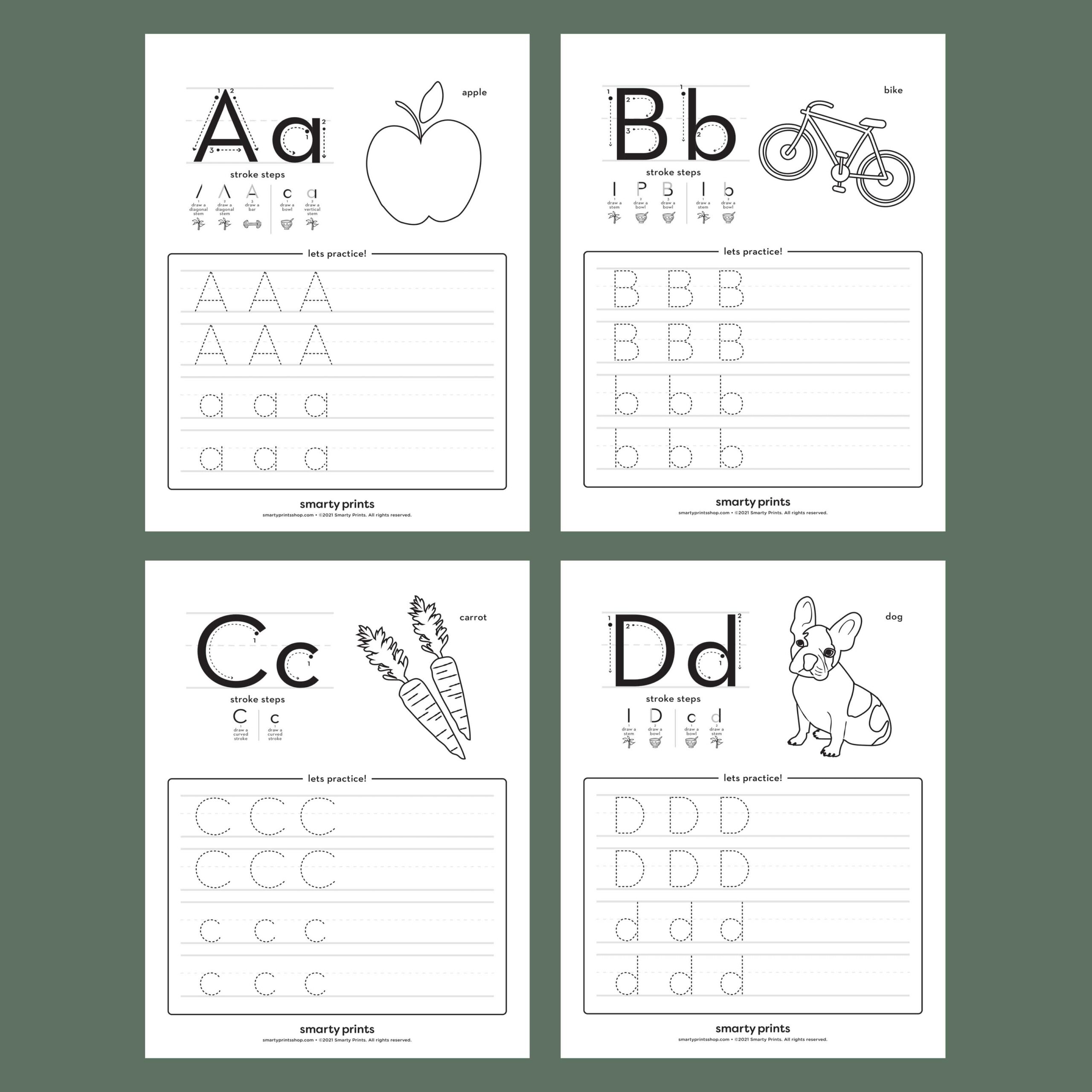
- Start with Tracing: Begin with worksheets that focus on tracing lowercase letters. This step allows children to develop their fine motor skills while becoming familiar with letter shapes.
- Use Repetition: Reinforce learning by revisiting previously completed worksheets. Encourage your child to trace letters multiple times or write them out again on a blank sheet of paper.
- Incorporate Play: Make learning fun by turning it into a game. For example, you could ask your child to find items around the house that start with a specific lowercase letter.
- Provide Feedback: As your child completes the worksheets, offer positive reinforcement. Praise their efforts and gently correct mistakes, guiding them to improve without discouraging them.
Downloadable Resources and Where to Find Them
Many websites offer free or paid Kindergarten Lower Case Alphabet Worksheets that you can download and print. Look for resources that provide:
- PDF Format: PDF files maintain formatting across different devices, ensuring that what you see on the screen matches what prints out. This is crucial for worksheets to avoid resizing issues.
- Multiple Designs: A variety of worksheet designs helps keep your child engaged. Look for resources that offer different themes—like animals, nature, or holidays—that can capture your child’s interest.
- User-Friendly Access: Choose websites that are easy to navigate and allow you to quickly download the materials you need. Some sites may require an email signup, while others offer direct downloads.
- Home Use Focus: Since the primary aim is to support home or homeschool learning, prioritize resources designed for that context. They should come with instructions or tips for parents on how to use them effectively.
Additional Activities to Supplement Worksheets
In addition to using worksheets, there are various activities you can incorporate to further reinforce lowercase letter learning:
- Storytime: Read books that emphasize lowercase letters. Point out the letters as you read, and ask your child to identify them.
- Letter Scavenger Hunt: Create a scavenger hunt where your child finds objects around the house that start with a specific lowercase letter.
- Craft Activities: Engage in arts and crafts that involve letters. For instance, you can create letter collages or make alphabet cards using magazine cutouts.
- Digital Resources: There are apps and online games that focus on letter recognition and writing. These can be a fun way to complement the worksheets, especially if your child enjoys screen time.
By blending these activities with the use of Kindergarten Lower Case Alphabet Worksheets, you create a holistic learning environment that reinforces the skills needed for literacy.
For immediate improvement in your child’s letter recognition and writing skills, print a selection of Kindergarten Lower Case Alphabet Worksheets today, and set aside time for engaging practice sessions.