
Using worksheets effectively can solve a common challenge for teachers and parents: how to engage young learners in practicing their letters. Kindergarten Alphabet Worksheets For Kindergarten provide a structured way to introduce letters, helping children develop essential literacy skills. These resources are designed to be fun and interactive, making learning enjoyable while reinforcing foundational concepts.
Understanding the Importance of Alphabet Recognition
Before diving into specific worksheets, it’s crucial to understand why alphabet recognition matters. Recognizing and understanding letters is a key building block for reading and writing. Children who can identify letters and associate them with sounds are better prepared to tackle phonics, spelling, and reading comprehension later on.
In a kindergarten setting, alphabet recognition activities should be varied and repetitive to ensure mastery. Worksheets serve as a great tool for this purpose, allowing children to practice in a focused way. The repetitive nature of these worksheets aids in memorization and reinforces learning.
Choosing the Right Kindergarten Alphabet Worksheets
When selecting Kindergarten Alphabet Worksheets For Kindergarten, consider a few key factors:
- Age Appropriateness: Ensure the worksheets are tailored for kindergarteners. They should feature engaging visuals and age-appropriate language.
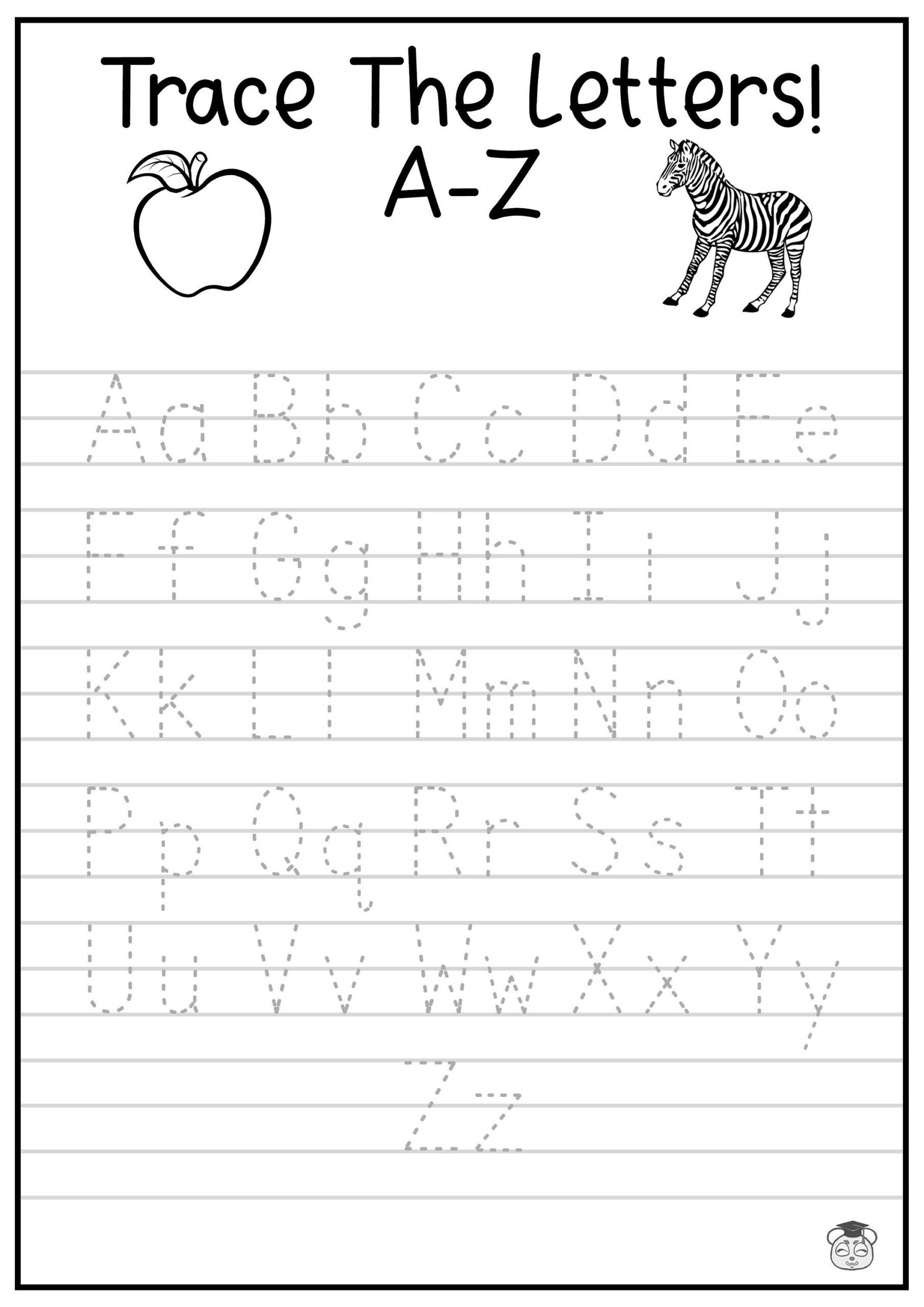
- Variety of Activities: Look for worksheets that include a mix of activities such as tracing, coloring, and matching. This variety keeps children engaged and caters to different learning styles.
- Skill Levels: Choose worksheets that offer different levels of difficulty. This way, you can easily adapt to the varying abilities in your classroom or home setting.
You can find worksheets that cover each letter of the alphabet individually, as well as those that integrate multiple letters. This flexibility allows you to structure lessons according to your students’ needs.
How to Use Kindergarten Alphabet Worksheets Effectively
Using these worksheets effectively involves more than just handing them out. Here’s a step-by-step approach to maximize their impact:
1. Plan a Weekly Schedule
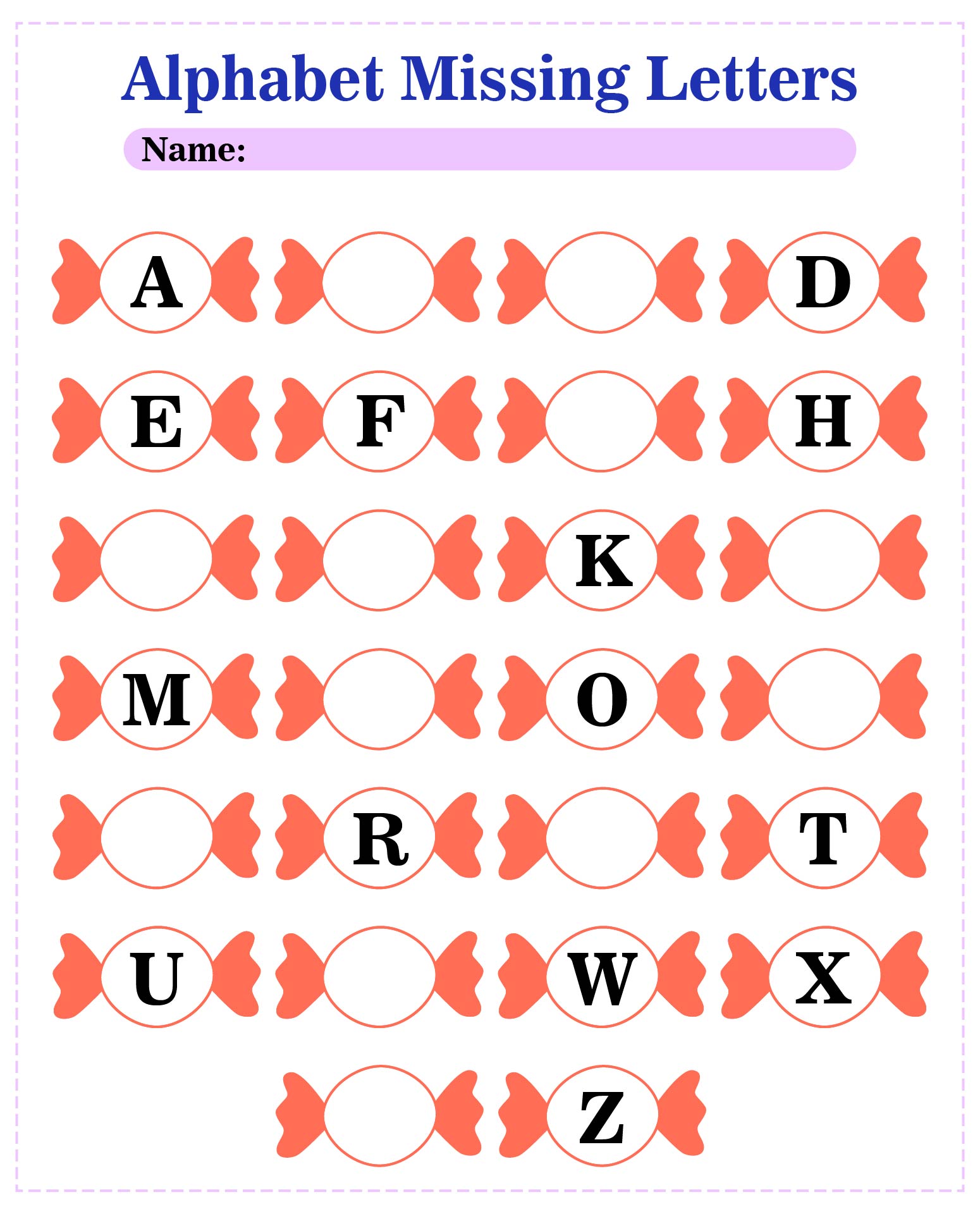
Instead of overwhelming students with a large number of worksheets in one sitting, spread the activities over the week. For example, you might focus on one letter each day. This spaced repetition reinforces memory and helps children retain what they’ve learned.
2. Introduce Each Letter With Context
Before distributing the worksheets, introduce each letter with context. Use objects, pictures, or songs that begin with the letter you’re focusing on. This contextual learning helps children form associations between letters and their sounds.
3. Engage Through Group Activities
Incorporate group activities alongside the worksheets. For instance, have students work in pairs to trace letters or create a letter collage with cutouts. This interactive approach builds social skills and makes learning collaborative.
4. Monitor Progress
As children complete their worksheets, take time to review their work. Provide feedback and encouragement, which is essential for developing confidence. This also allows you to assess areas where students may need additional support.
5. Use Worksheets as a Springboard for Other Activities
After students have practiced a letter through a worksheet, extend their learning with related activities. For instance, if they worked on the letter ‘A’, you might read a story featuring animals that start with ‘A’ or have them draw an apple.
Printable Resources for Kindergarten Alphabet Worksheets
Finding high-quality printable resources is essential for effective teaching. Here are some tips for locating the right Kindergarten Alphabet Worksheets For Kindergarten:
- Online Educational Platforms: Websites dedicated to educational resources often have a variety of printable worksheets. Look for those that allow free downloads or offer sample worksheets to try before committing.
- Teacher Resource Sites: Many teacher resource sites offer worksheets created by educators. These can be particularly effective since they’re designed with classroom needs in mind.
- Community Forums: Online forums or social media groups for teachers can also be a valuable resource. Members often share their own worksheets or recommend where to find quality materials.
- Customization: If you can’t find exactly what you need, consider using templates to create your own worksheets. This way, you can tailor them to the specific needs of your students.
Tips for Printing and Preparing Worksheets
Once you’ve selected your worksheets, here are some practical tips for printing and preparing them for use:
- Choose the Right Paper: Use cardstock for durability, especially if you plan to laminate the worksheets for repeated use. Regular printer paper works well for single-use sheets.
- Print Settings: Ensure your printer settings are adjusted for the best quality. A portrait layout is typically best for worksheets.
- Preparation: Consider pre-filling some sections for students who may struggle with writing. This can help them focus on other aspects of the worksheet.
Incorporating Worksheets Into Daily Routines
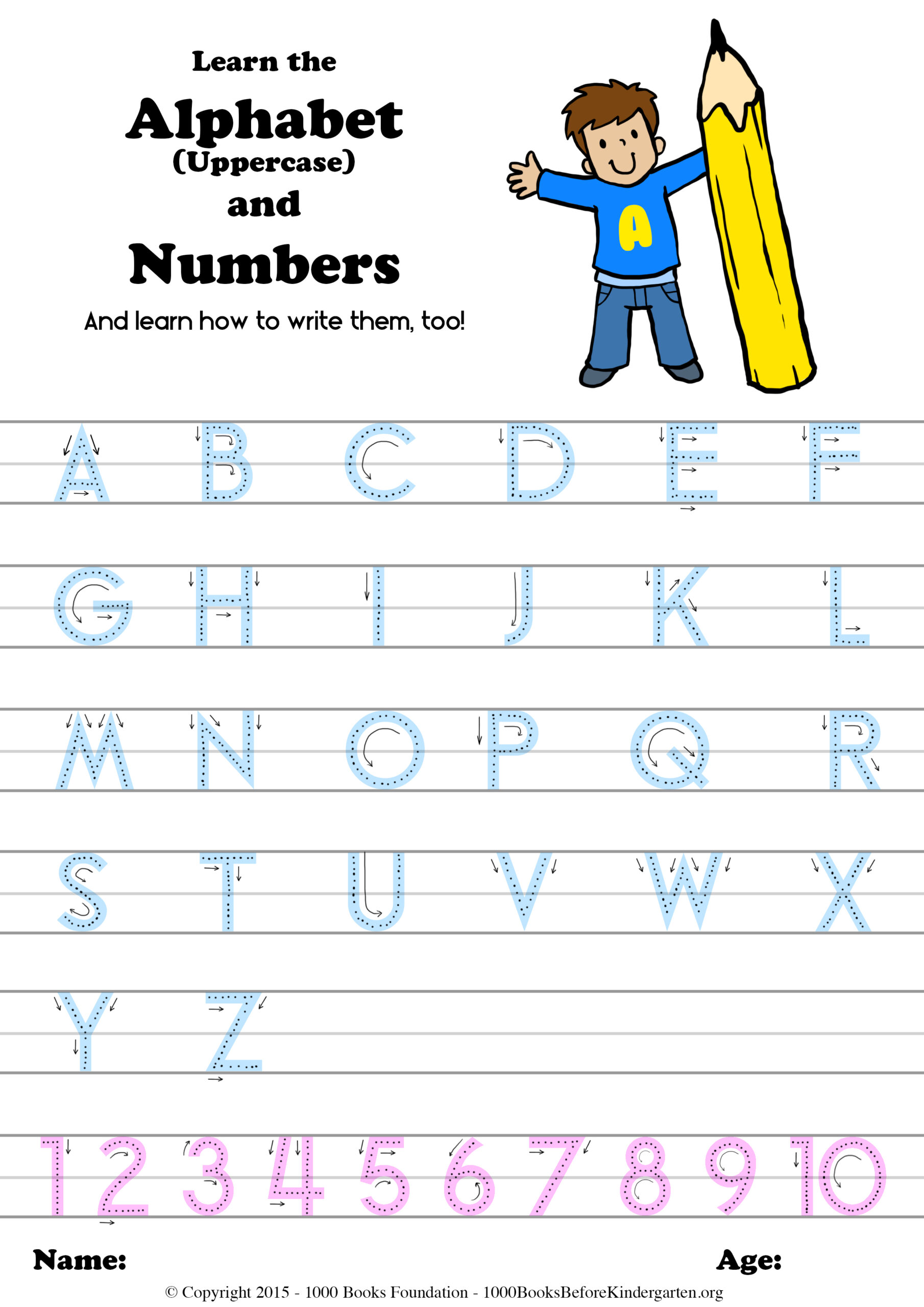
Integrating Kindergarten Alphabet Worksheets into daily routines can help reinforce learning. Here are some strategies:
- Morning Work: Use a worksheet as part of the morning routine to get students focused and ready to learn.
- Centers: Set up a literacy center where students can choose from various alphabet-related worksheets during free time.
- Homework Assignments: Send home worksheets for homework to encourage practice outside of school.
By incorporating these worksheets into daily activities, you establish a consistent learning environment that promotes alphabet recognition.
Using Kindergarten Alphabet Worksheets For Kindergarten effectively can make a significant difference in a child’s early literacy skills. By choosing appropriate resources, planning engaging activities, and integrating them into daily routines, you’ll foster a love for learning that lasts a lifetime. Start with one letter today, and see how much progress your students can make!