
The best resources for teaching young children often come in the form of worksheets. For early learners, Kindergarten Alphabet And Number Worksheets are essential tools that help solidify foundational skills in reading and math. These worksheets are typically designed in standard letter and number sizes, making them easy to print and use in any classroom or home setting.
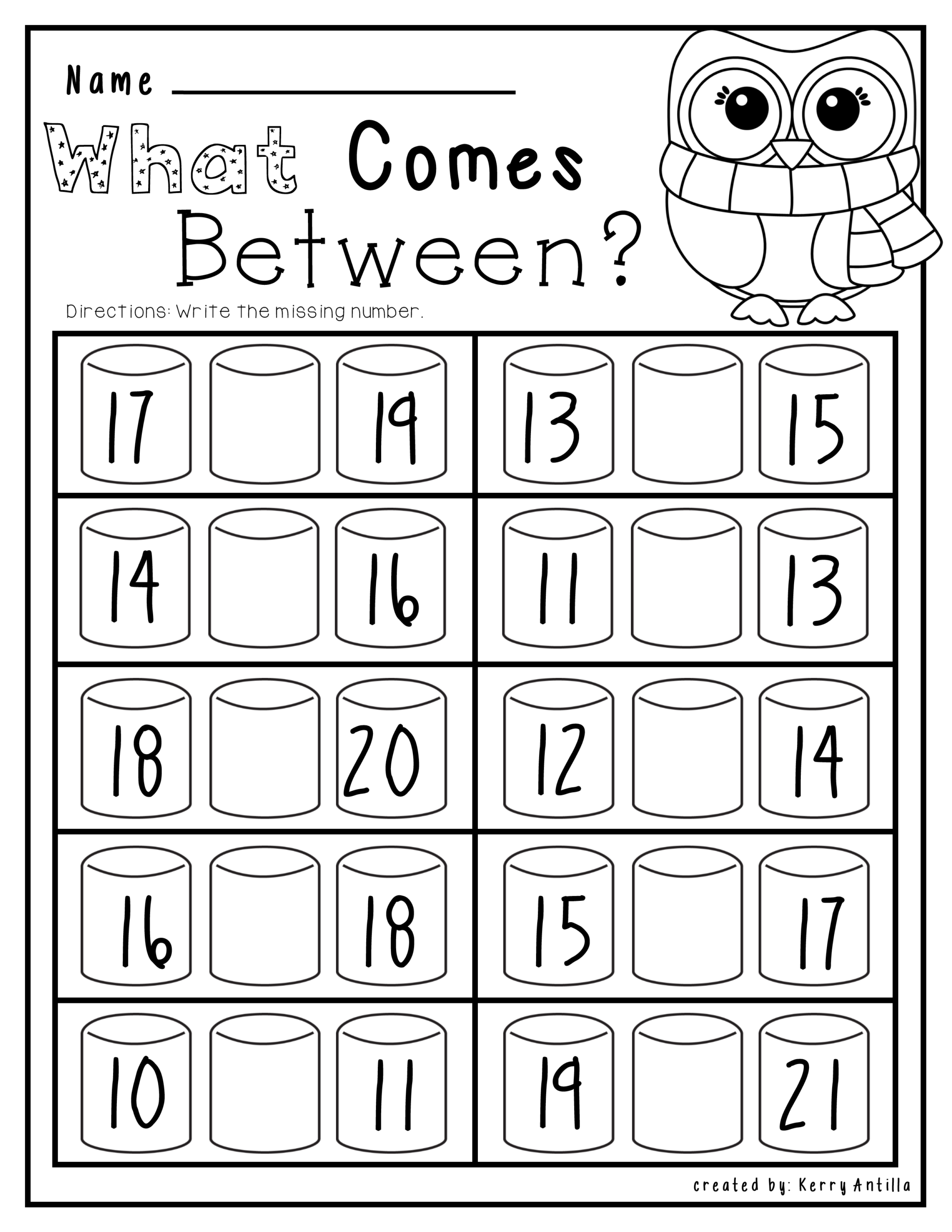
Understanding the Importance of Alphabet and Number Worksheets
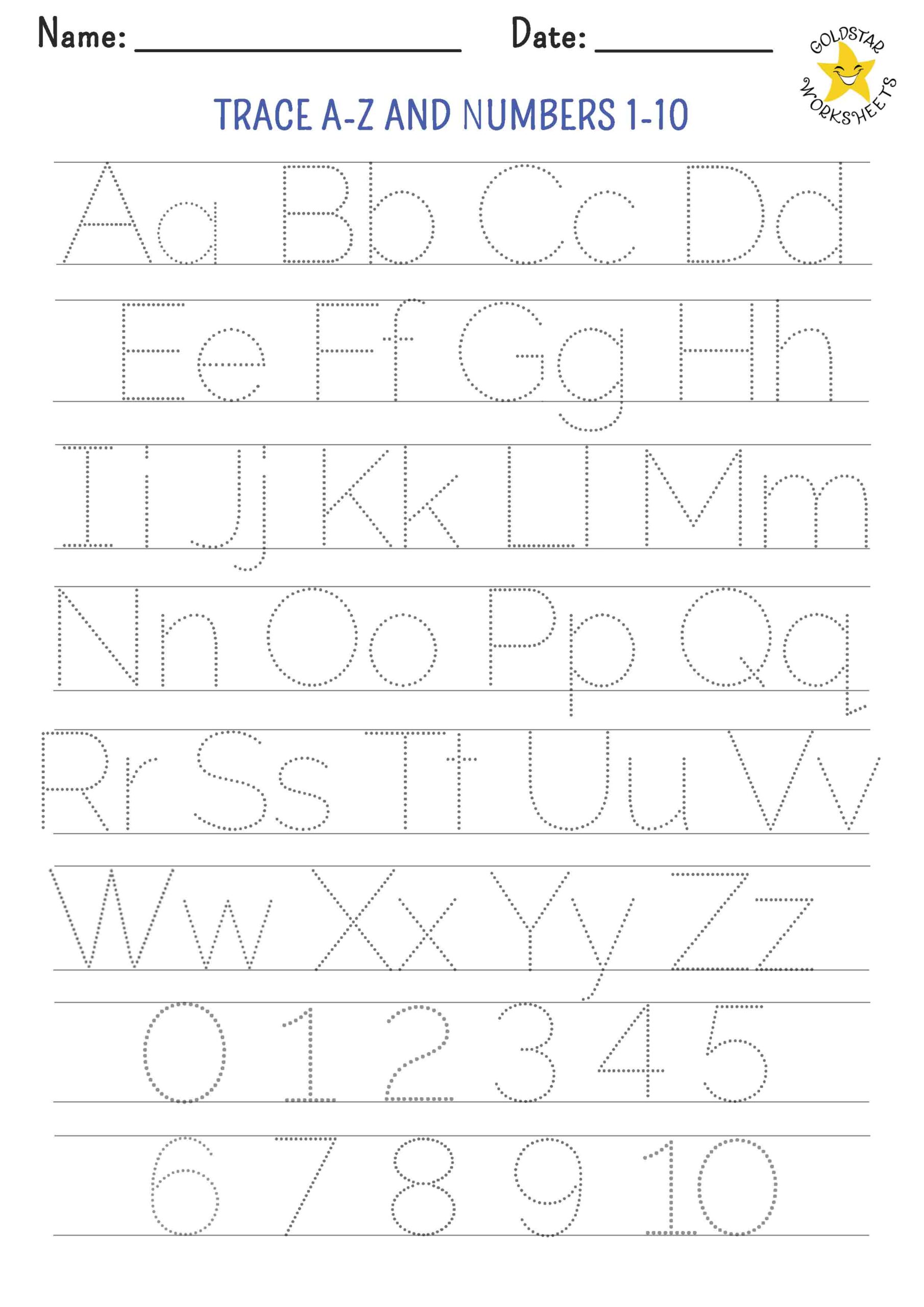
Worksheets focusing on the alphabet and numbers serve a dual purpose: they help children learn to recognize letters and numbers while also developing fine motor skills through writing and tracing. For kindergarteners, mastering these basic concepts is crucial as they set the stage for future learning.
When children engage with these worksheets, they are not just filling in blanks; they are practicing essential skills that contribute to their overall literacy and numeracy. This makes it vital to incorporate these resources into your daily teaching routine.
How to Choose the Right Worksheets
When selecting Kindergarten Alphabet And Number Worksheets, consider the following factors:
- Age Appropriateness: Ensure the worksheets are designed for kindergarten-level students, featuring simple and clear layouts.
- Variety of Activities: Look for worksheets that include tracing, coloring, matching, and filling in the blanks. This variety keeps students engaged and reinforces learning.
- Visual Appeal: Worksheets should be colorful and engaging. Bright colors and fun illustrations can motivate children to complete the activities.
- Alignment with Curriculum: Make sure the worksheets align with your teaching goals and the educational standards for your state or region.
Downloading and Printing the Worksheets
Once you’ve chosen the right worksheets, the next step is to download and print them effectively. Most Kindergarten Alphabet And Number Worksheets are available in PDF format, which maintains formatting across different devices. Here are some tips for optimal printing:
- Paper Size: Standard letter size (8.5 x 11 inches) works best for most worksheets. This size fits easily into folders or binders.
- Printer Settings: Use a standard printer with quality settings to ensure clarity. A portrait layout is typically preferred for worksheets.
- Paper Type: For durability, consider using cardstock, especially if you plan to laminate the worksheets for repeated use.
Setting Up the Worksheets for Use
Before introducing the worksheets to your students, take some time to prepare them:
- Organize the Materials: Gather all necessary supplies, such as pencils, crayons, and erasers. If using laminated worksheets, provide dry-erase markers.
- Create a Comfortable Workspace: Arrange a quiet, well-lit area for students to work. This helps minimize distractions and encourages focus.
- Demonstrate the Activities: Before students begin, walk them through a few examples of how to complete the worksheets. This demonstration sets clear expectations and helps students feel more confident.
Integrating Worksheets Into Daily Lessons
Incorporating Kindergarten Alphabet And Number Worksheets into your daily lessons can be done in several ways:
- Morning Work: Use worksheets as a warm-up activity at the beginning of the day. This helps students settle in and prepares them for learning.
- Centers: Set up a learning center that focuses on literacy and numeracy. Rotate students through the center to complete different worksheets.
- Homework: Assign worksheets as homework to reinforce skills learned in class. This encourages parents to engage in their child’s learning process.
Engaging Students With Fun Activities
To keep the learning process enjoyable, consider integrating fun activities related to the worksheets:
- Coloring Pages: Pair the worksheets with coloring pages that feature the same letters or numbers. This adds a creative element to their learning.
- Interactive Games: Use games that involve the same letters and numbers. For example, a letter scavenger hunt can reinforce letter recognition while being active.
- Group Activities: Encourage students to work in pairs or small groups to complete the worksheets. This fosters collaboration and communication skills.
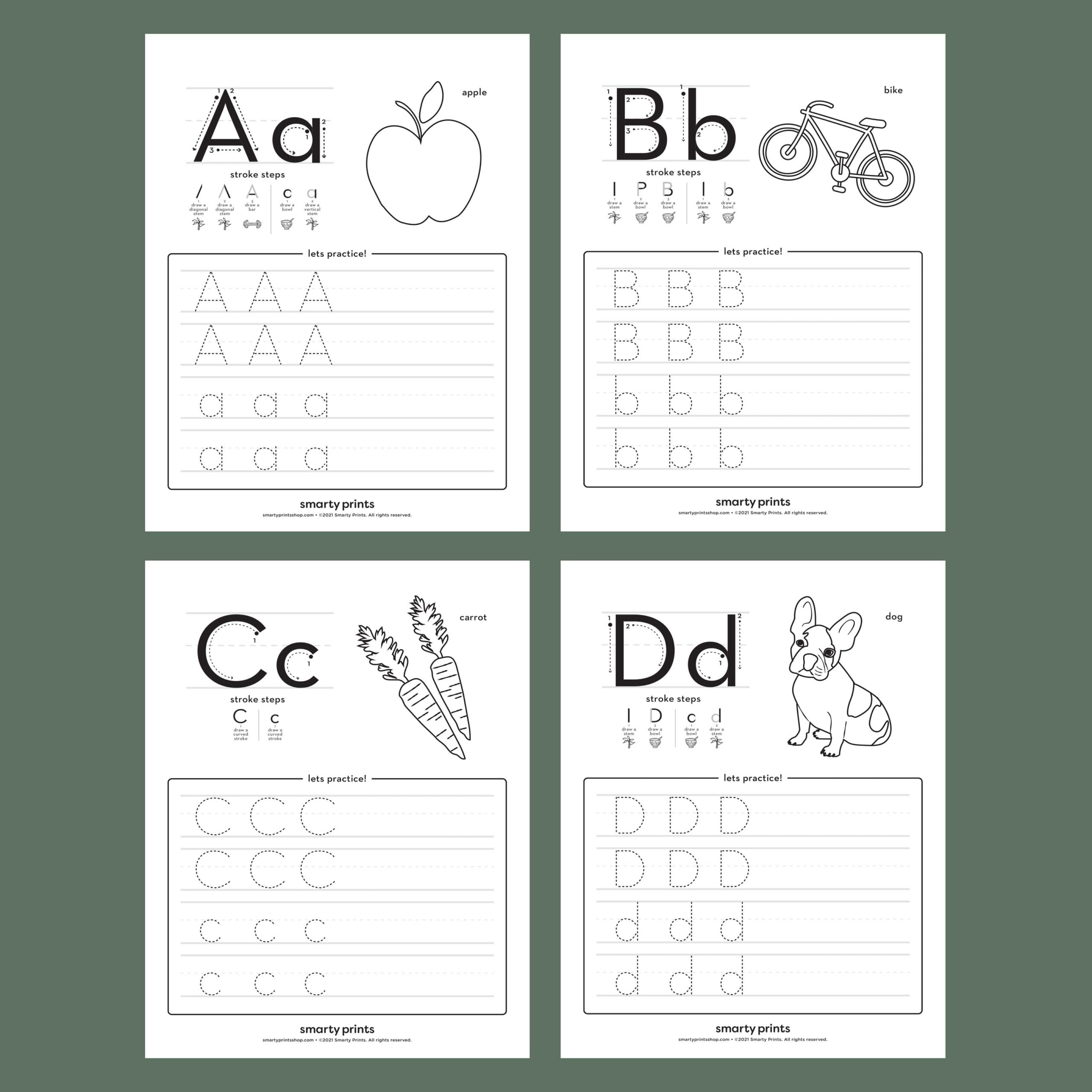
Assessing Progress and Mastery
Monitoring student progress is crucial in ensuring they grasp the concepts taught through the worksheets. Here are some ways to assess their understanding:
- Check Completed Worksheets: Review students’ completed worksheets to identify areas where they excel and where they may need more practice.
- Provide Feedback: Offer constructive feedback on their work, highlighting both strengths and areas for improvement.
- Use Observations: Pay attention to how students interact with the worksheets during activities. This can provide insight into their comfort level with the material.
Incorporating Kindergarten Alphabet And Number Worksheets into your teaching routine is a practical way to enhance early literacy and numeracy skills. These worksheets not only provide essential practice but also foster a love for learning through engaging activities. One tip to remember: always have a backup plan for activities in case some students finish early or need additional support. This flexibility can make your teaching experience smoother and more effective.