
When it comes to teaching young children their letters, practical resources can make a world of difference. Kidslearningstation Alphabet Worksheets Traceable Letter provide an engaging way for kids to practice letter formation while learning the alphabet. These worksheets are designed for children typically between the ages of 3 to 6, making them ideal for preschool and kindergarten settings. In this guide, I’ll walk you through how to effectively use these worksheets in a classroom or home environment.
Understanding the Structure of the Worksheets
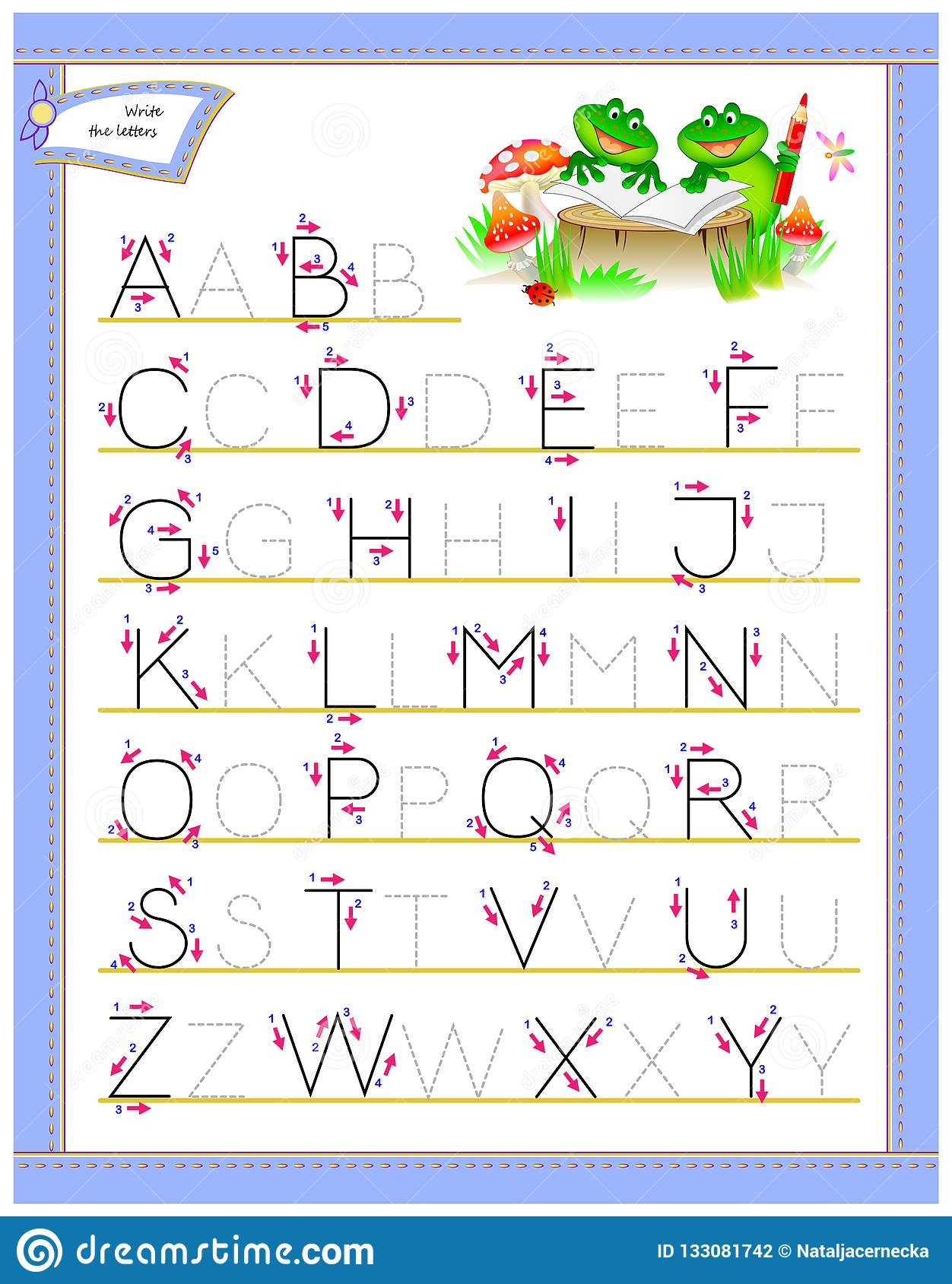
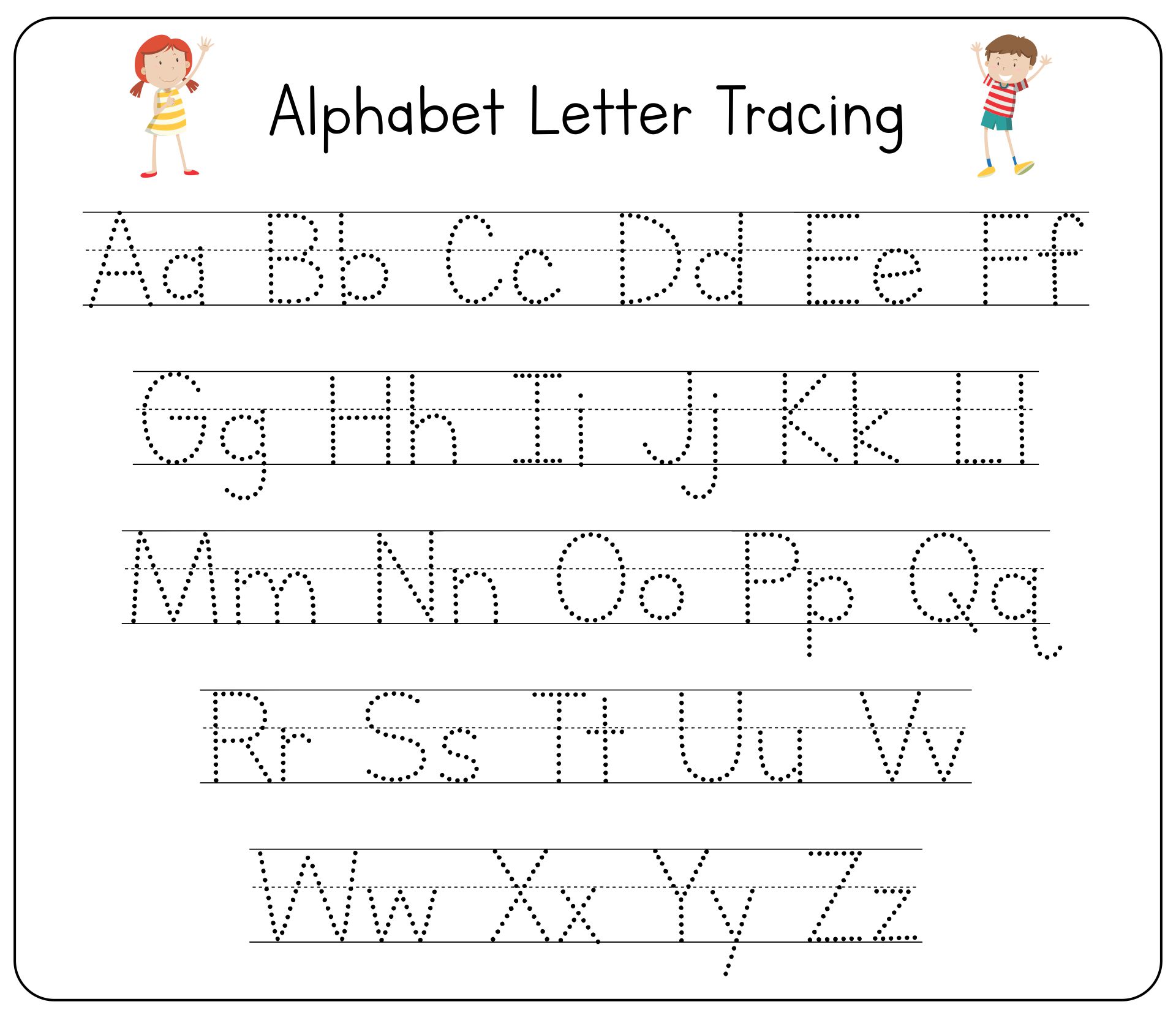
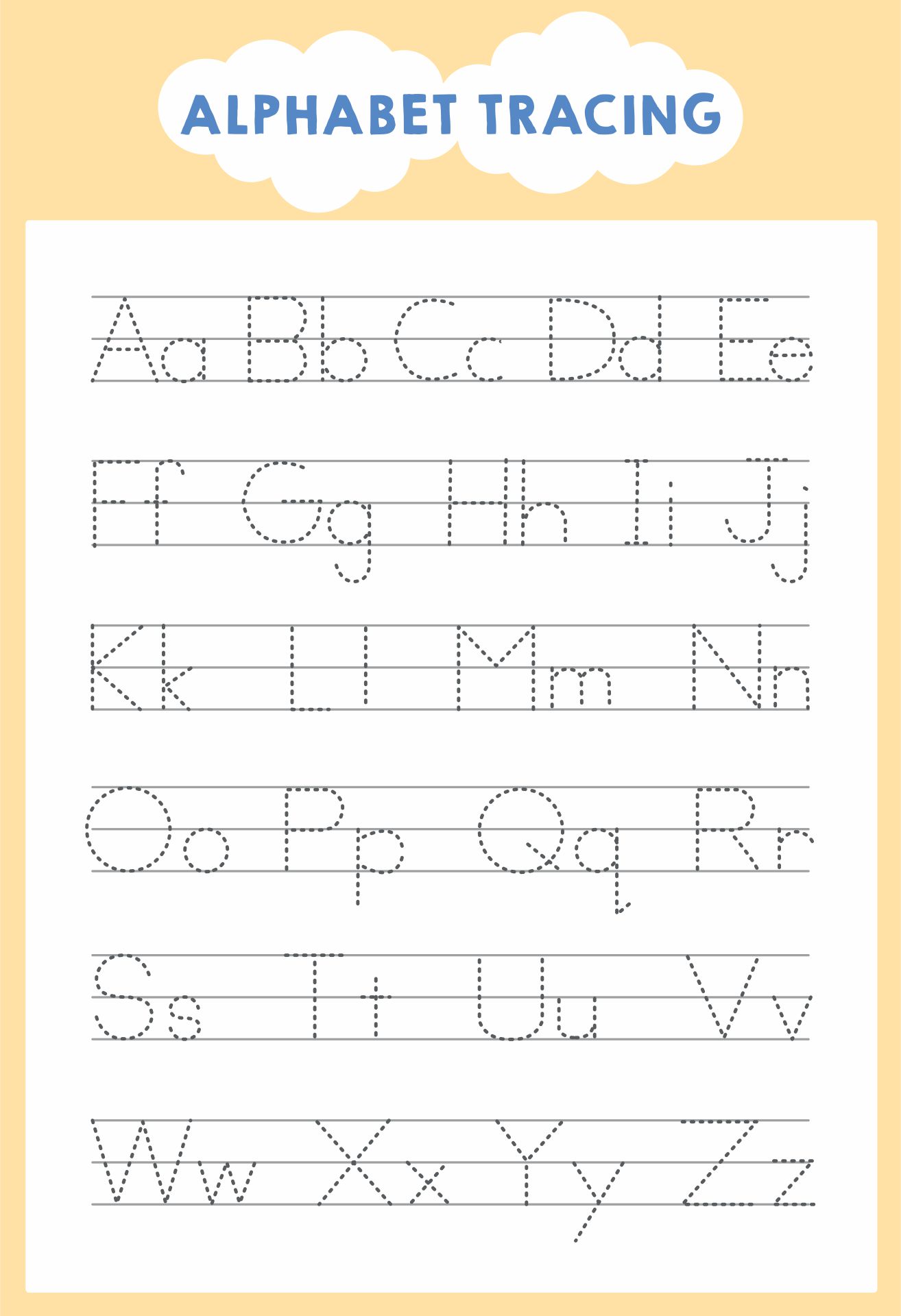
Kidslearningstation Alphabet Worksheets are specifically crafted to help children trace and write letters. Each worksheet features both uppercase and lowercase letters, along with visual aids that can capture a child’s interest.
The structure usually includes:
- Tracing lines for each letter, allowing kids to practice the correct stroke order.
- An accompanying image that starts with the same letter to reinforce learning through visual association.
- Blank lines for children to practice writing the letters independently after tracing.
This layout not only aids in letter recognition but also helps develop fine motor skills, which are crucial at this stage.
Setting Up for Success
Before diving into the worksheets, you’ll want to prepare your teaching space. Here are some practical tips:
- Printing Options: Use a standard letter-sized paper (8.5 x 11 inches) for easy handling. If you’re printing for an entire class, consider using a printer that can handle bulk jobs without frequent paper jams.
- Paper Type: For durability, especially if you plan to reuse the worksheets, print on cardstock or use a lamination service. This way, children can use dry-erase markers and practice multiple times.
- Creating a Learning Environment: Set up a designated area with all necessary supplies, such as crayons, colored pencils, or markers. This keeps children focused and minimizes distractions.
- Supervision and Guidance: Depending on the age group, some kids may need more supervision while they trace letters. Be ready to step in and offer help with holding the pencil correctly or explaining the letter sounds.
Incorporating the Worksheets Into Daily Learning
Using Kidslearningstation Alphabet Worksheets Traceable Letter can easily fit into your daily routine. Here are several methods to integrate them into your teaching strategy:
Consistent Practice Routine
Establish a routine where children spend a few minutes each day practicing their letters. For instance, you could dedicate 15 minutes at the beginning of each class to focus solely on letter tracing.
Themed Learning Activities
Pair the worksheets with themed activities. For example, if you’re focusing on the letter ‘A,’ you could have children find objects in the classroom or at home that start with that letter. Afterward, they can complete the worksheet, further reinforcing their understanding through multiple channels.
Group Activities
For a more interactive approach, consider group tracing activities. Children can work in pairs or small groups, taking turns tracing letters aloud while others listen and correct them if necessary. This fosters collaboration and peer learning.
Reinforcement With Games
Turn learning into a game! After tracing, you can create a mini-quiz where children have to identify the letters they practiced. For instance, show them a letter and ask them to trace it again on a blank piece of paper.
Reviewing and Assessing Progress
After children have spent time with the worksheets, it’s essential to review their progress. Here’s how you can effectively assess their understanding:
- Check for Correctness: Look for proper letter formation. Are they starting and finishing in the right spots? Are the letters the correct size?
- Encourage Self-Assessment: Have children reflect on their own work. Ask them what they think they did well and where they think they can improve.
- Use an Answer Key: If available, use an answer key to guide your assessments. This can help you quickly identify patterns, like consistently missed letters, which may indicate a need for additional practice.
- Provide Feedback: Offer constructive feedback that encourages children. Instead of just pointing out mistakes, highlight what they did well and suggest areas for improvement.
Tailoring Worksheets for Different Learning Styles
Every child learns differently, and Kidslearningstation Alphabet Worksheets can be adapted to suit various learning styles:
- Visual Learners: Incorporate colorful images or stickers for children to place next to each letter they trace. This can enhance their engagement and memory retention.
- Kinesthetic Learners: Allow children to form letters with clay or other tactile materials before tracing them on paper. This hands-on approach can boost their confidence.
- Auditory Learners: Sing the alphabet song while tracing letters. Associating sounds with letters helps reinforce their learning.
By recognizing these different styles, you can create a more inclusive learning environment that caters to everyone’s needs.
Incorporating Kidslearningstation Alphabet Worksheets Traceable Letter into your teaching strategy can make learning the alphabet both fun and effective. With a few practical setups and creative activities, you’ll provide young learners with the foundational skills they need to succeed. Consider starting with just one letter a day and gradually expand as they become more comfortable. This approach will help them build confidence as they master the alphabet!