
The Kbteachers Alphabet Tracing Worksheet Colored is a fantastic resource for young learners, specifically designed to help children develop their writing skills. This printable worksheet features colorful designs that make the learning process engaging and enjoyable. Each letter of the alphabet is presented in a child-friendly format, allowing for tracing practice that encourages the development of fine motor skills.
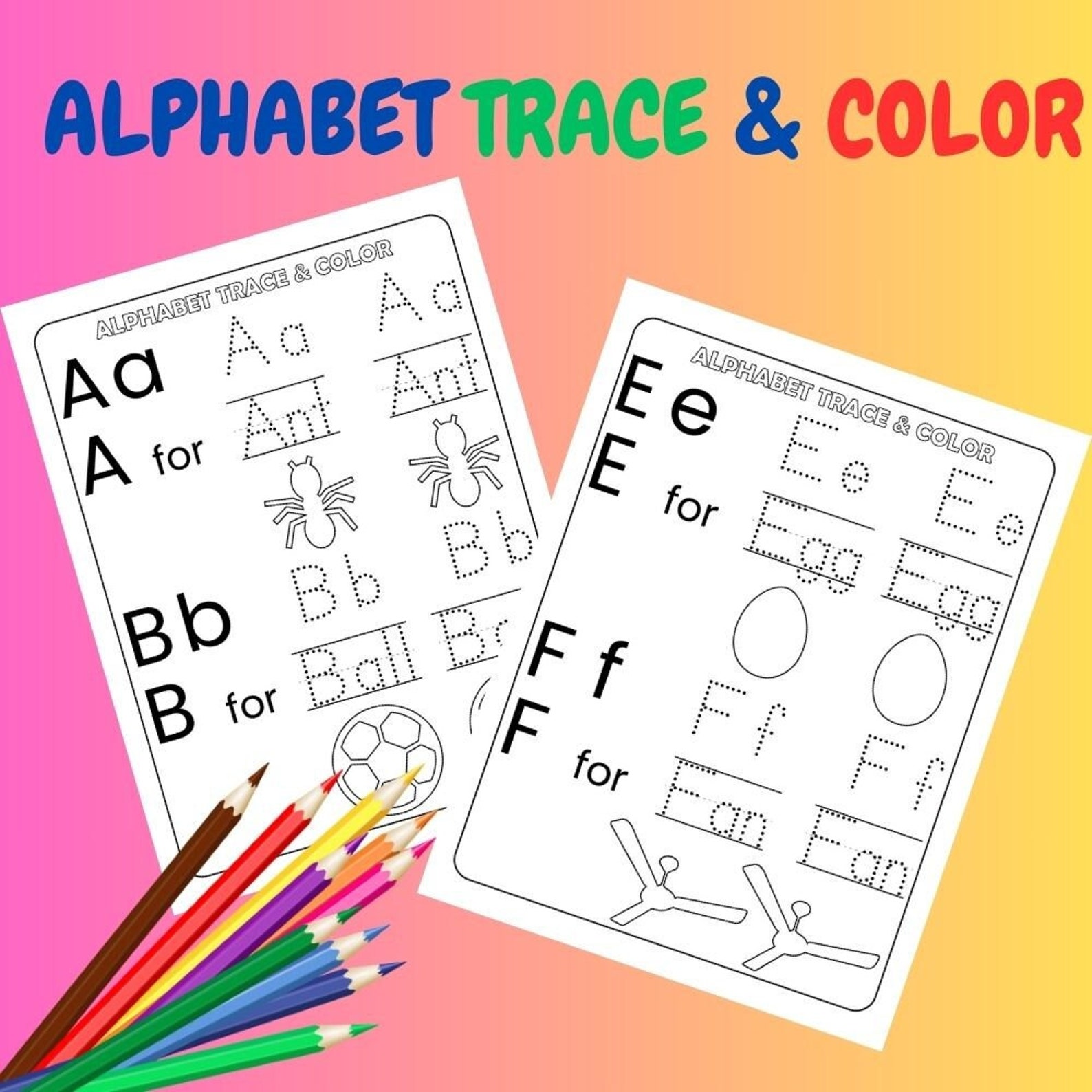
Understanding the Layout and Design
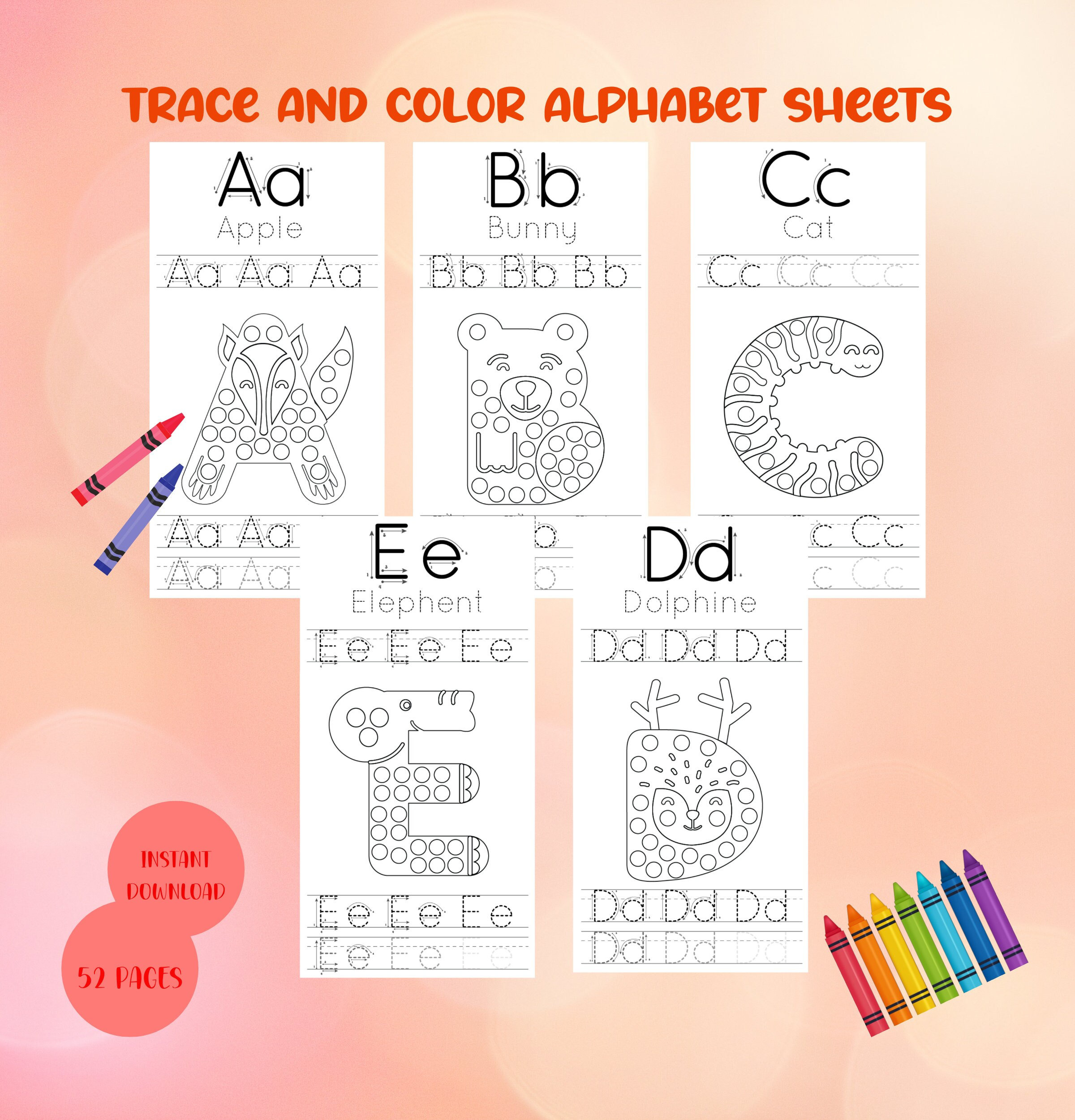
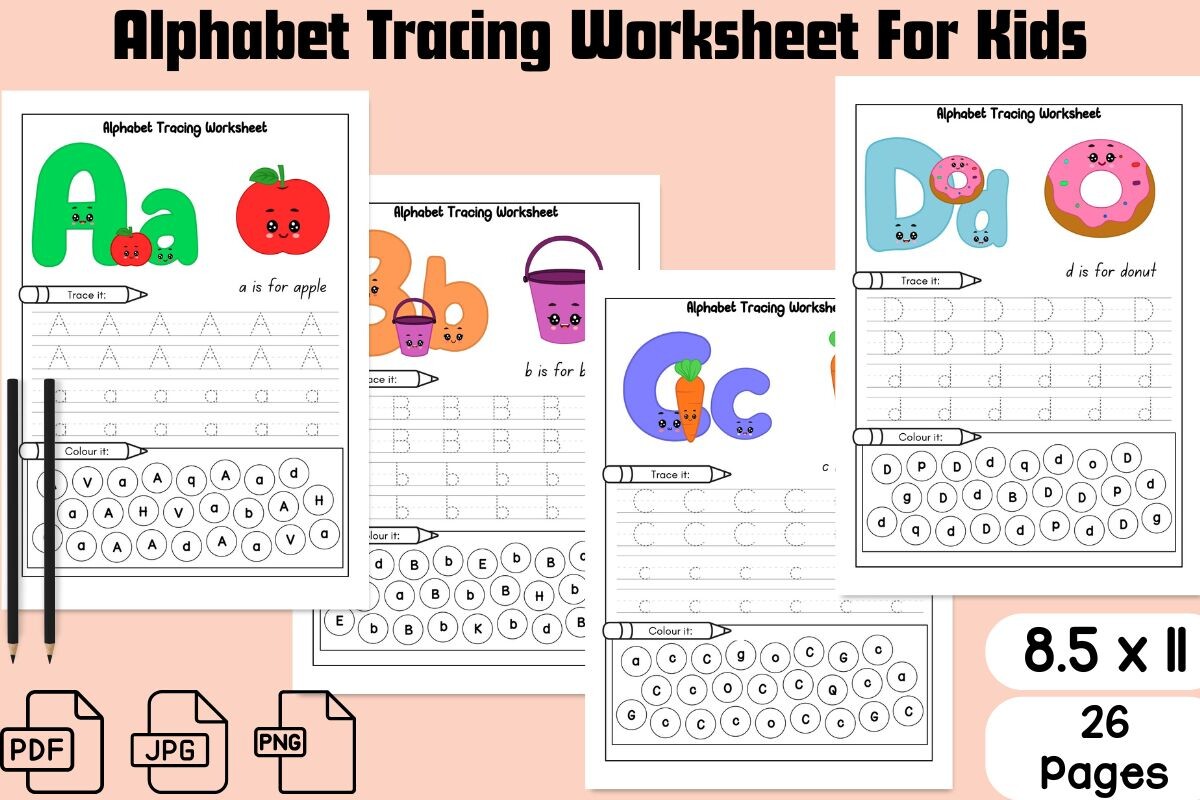
Each worksheet is thoughtfully designed to feature both uppercase and lowercase letters, providing a comprehensive approach to learning the alphabet. The layout typically includes:
- Large, Clear Letters: Children can easily trace the letters without feeling overwhelmed.
- Colorful Illustrations: Each letter is paired with an image that starts with the corresponding letter, enhancing visual learning.
- Traceable Dots: The use of dotted lines guides children in forming the letters correctly.
This design not only captures the attention of young learners but also supports their cognitive development by associating letters with sounds and words.
Ideal Age Group and Usage
The Kbteachers Alphabet Tracing Worksheet Colored is particularly suitable for preschoolers and kindergarteners, typically ages 3 to 6 years. This age group is at a crucial stage for developing foundational literacy skills.
You can seamlessly integrate these worksheets into your daily routine, whether at home or in a homeschool setting. For instance, you might set aside time each afternoon for tracing practice, making it a fun part of your child’s learning journey.
How to Use the Worksheet Effectively
To maximize the benefits of the Kbteachers Alphabet Tracing Worksheet Colored, consider the following practical tips:
- Use the Right Paper: Print the worksheets on cardstock for durability, especially if you plan to laminate them for repeated use. This ensures that they can withstand the wear and tear of young hands as they practice.
- Incorporate Writing Tools: Use colored pencils or washable markers for tracing. This not only makes the activity more exciting but also allows for easy corrections and adjustments.
- Set Goals: Encourage your child to complete a letter each day, or perhaps a few letters a week. Tracking progress in this way can provide a sense of accomplishment and motivation.
- Pair with Other Activities: Integrate the alphabet tracing with storytelling or phonics activities. For example, after tracing the letter “B,” you might read a book that features a bear or a ball, reinforcing the sound and letter association.
Tracking Progress
Tracking your child’s progress is essential for their development. You can do this by keeping a simple chart of the letters they have mastered. Marking off each letter as they are completed not only helps you see their improvement but also gives children a visual representation of their achievements.
Additionally, you can take note of their handwriting style and provide feedback. If certain letters are consistently challenging, you might consider additional practice with those specific letters through other worksheets or activities.
Additional Resources and Activities
While the Kbteachers Alphabet Tracing Worksheet Colored is a great starting point, you can enhance your child’s learning experience with complementary resources:
- Coloring Pages: Look for coloring pages that feature the letters of the alphabet. This can help reinforce letter recognition while allowing for creative expression.
- Flash Cards: Create flashcards with the letters and corresponding images. This can be a fun way to quiz your child and reinforce their learning.
- Interactive Games: Incorporate games that involve letter recognition and sounds. For example, you can play a scavenger hunt where your child finds objects around the house that start with a specific letter.
By combining various activities and resources, you can create a rich, immersive learning environment that supports your child’s literacy development.
Final Considerations
The Kbteachers Alphabet Tracing Worksheet Colored is more than just a tracing tool; it’s a valuable resource for early childhood education. With thoughtful planning and integration into your daily routine, this worksheet can help foster a love for learning and writing in young children.
Whether you choose to print it out for immediate use or incorporate it into a larger curriculum, this worksheet will serve as a fundamental building block for your child’s literacy journey. Remember, the key is to keep the experience engaging and fun, allowing your child to explore the world of letters with curiosity and enthusiasm.
For printing, standard letter size (8.5” x 11”) works best, ensuring easy accessibility with most home printers. So, gather your materials, and get ready to embark on this educational adventure!