
When it comes to teaching young learners the alphabet, having the right resources is essential. One such resource, the Images Of The Alphabet Worksheet, can be a useful option in the classroom or at home. This worksheet not only aids in letter recognition but also engages children with visual stimuli that enhance learning. Understanding how to utilize this worksheet effectively can ensure your students or children grasp the fundamentals of the alphabet in a fun, interactive way.
Understanding the Images Of The Alphabet Worksheet
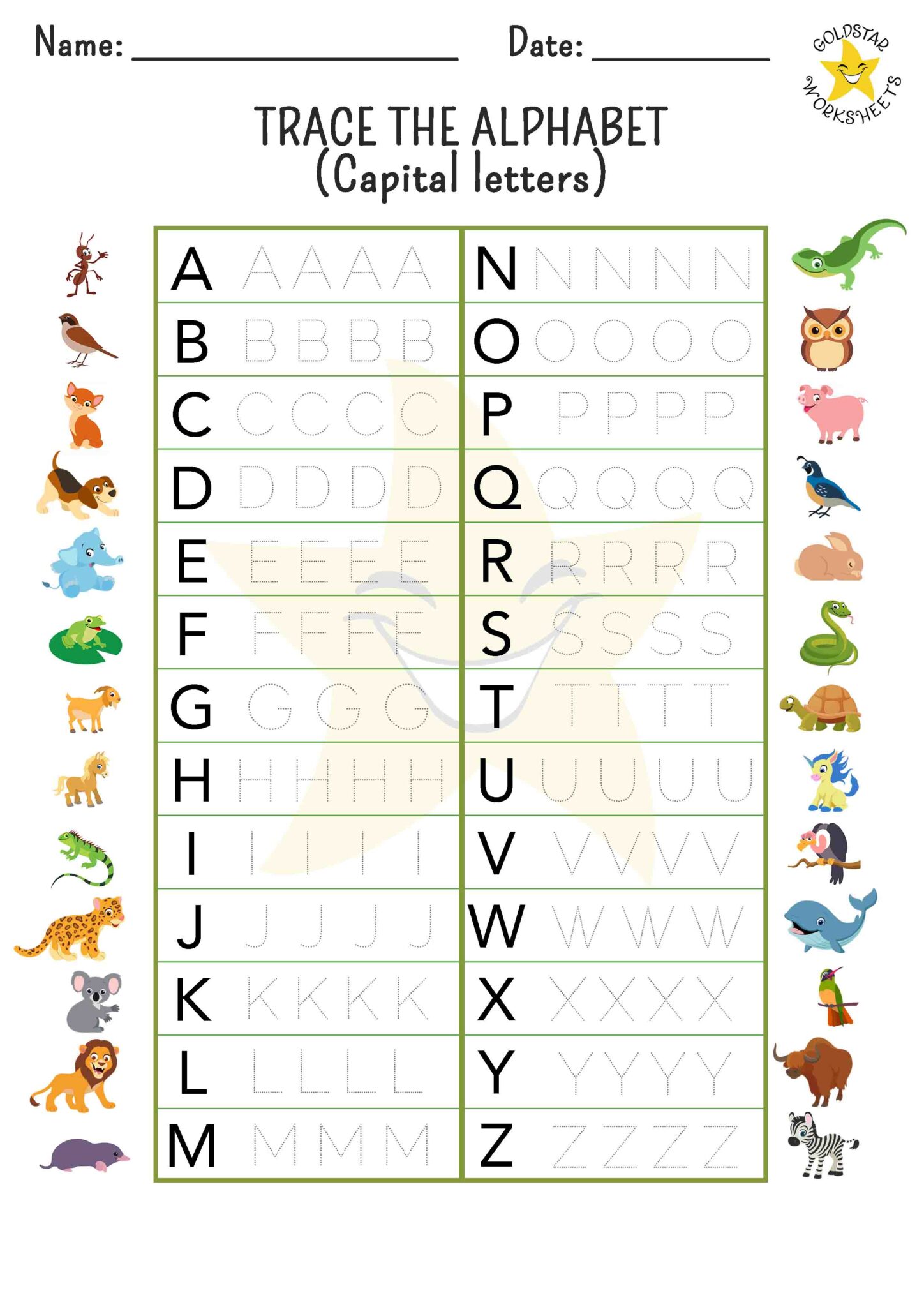
The Images Of The Alphabet Worksheet typically includes a variety of images that correspond to each letter of the alphabet. For instance, the letter “A” might be paired with an apple, while “B” could be represented by a ball. This association helps children make connections between letters and the words they represent, which is crucial for early literacy development.
Ideal Age and Learning Levels
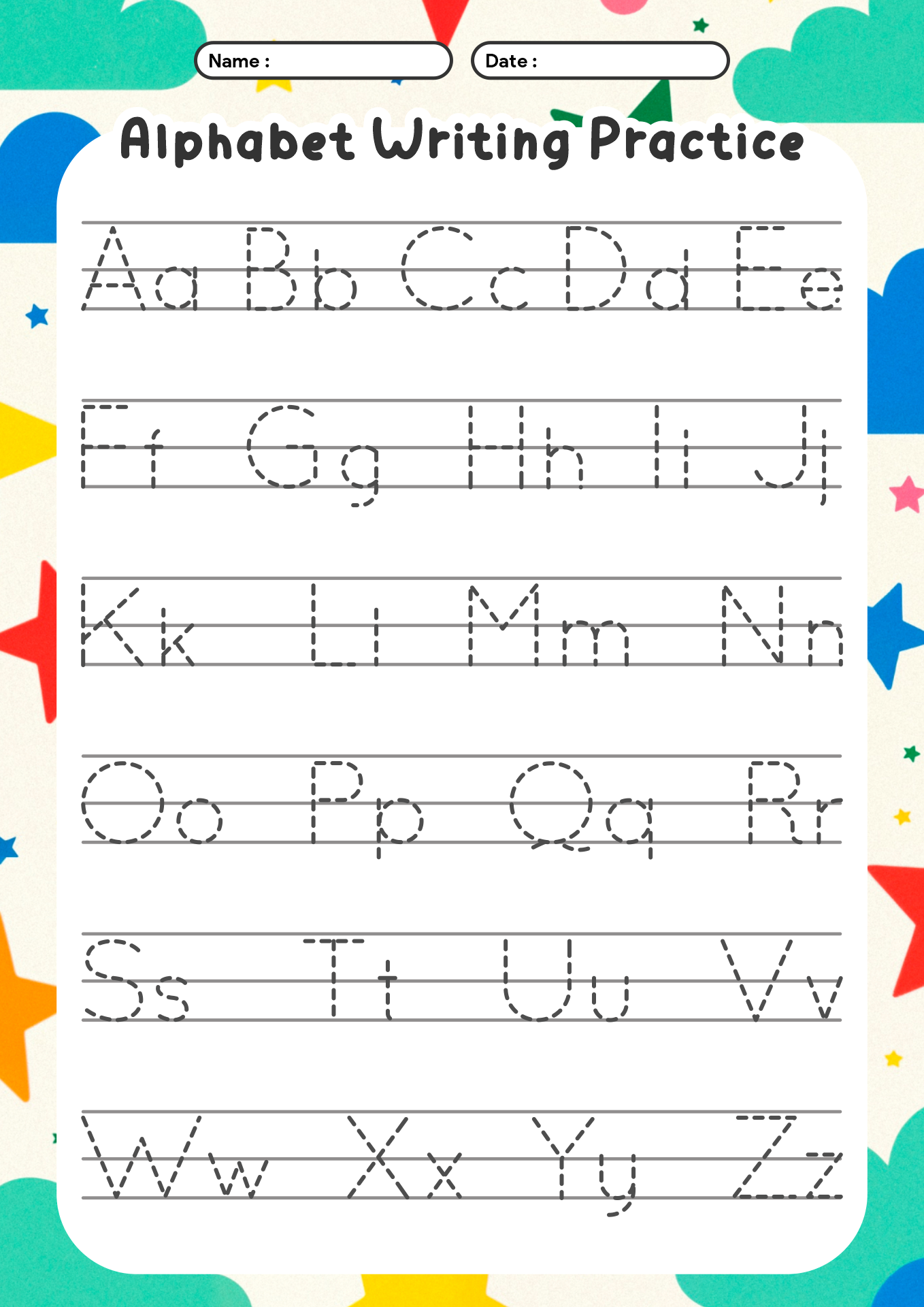
This worksheet is best suited for preschool and kindergarten-aged children, typically ranging from 3 to 6 years old. At this stage, children are often beginning to recognize letters and their sounds. By using worksheets that combine images with letters, you can cater to different learning styles—whether a child is a visual learner or one who benefits from auditory reinforcement through phonics.
How to Use the Images Of The Alphabet Worksheet
Using the Images Of The Alphabet Worksheet in a structured way can significantly enhance its effectiveness. Here’s a step-by-step guide to getting the most out of this resource:
- Choose the Right Format: The worksheet usually comes in a printable PDF format, which is ideal for easy downloading and printing. Ensure that you select a version that fits your classroom or home printer settings, typically A4 or letter size.
- Download and Print: Once you’ve chosen your worksheet, download it to your device. When printing, use high-quality print settings to ensure that the images are clear and vibrant. This is particularly important because children are more likely to engage with colorful, well-defined images.
- Set Up a Learning Environment: Create a distraction-free area where children can focus on their worksheets. Having a designated space for learning helps signal to children that it’s time to engage with their studies.
- Introduce the Worksheet: Before diving into the activities, take a moment to explain what the worksheet entails. Show the children how each letter corresponds with an image. This step is crucial for building their understanding and excitement.
- Engage with the Images: As the children work through the worksheet, encourage them to say the names of the objects alongside the letters. This reinforces phonetic sounds and helps with memory retention. For instance, when they reach “C,” ask them to point to the cat and say, “C is for cat.”
- Track Progress: After the children complete the worksheet, assess their understanding. You can do this through informal observations or by asking them to identify letters and corresponding images without the worksheet. This will help you gauge whether they’ve mastered the content or need additional practice.
Benefits of Using the Images Of The Alphabet Worksheet
Utilizing the Images Of The Alphabet Worksheet offers numerous benefits that can enhance the learning experience for young children:
- Visual Learning: Children often respond better to visual stimuli, and associating letters with images helps solidify their understanding and recall of the alphabet.
- Engagement: Worksheets that include vibrant images can hold children’s attention longer than text-only resources. This increased engagement can lead to more effective learning.
- Versatility: These worksheets can be used in various settings—whether in a classroom, during homeschooling, or even as a fun activity at home. They are adaptable for different learning environments and can be modified to suit individual needs.
- Promotes Phonemic Awareness: By linking letters with images, children begin to understand phonemic awareness, which is critical for reading and writing development. This foundational skill is essential for their future literacy success.
Additional Activities to Reinforce Learning
To further enhance the learning experience, consider integrating additional activities alongside the Images Of The Alphabet Worksheet:
- Alphabet Songs: Singing songs that focus on the alphabet can reinforce letter recognition. Songs like the “Alphabet Song” can be a fun way to engage children while they learn.
- Craft Activities: After completing the worksheet, have children create their own alphabet book. They can draw images corresponding to each letter or cut out pictures from magazines to glue next to the letters. This hands-on activity reinforces learning through creativity.
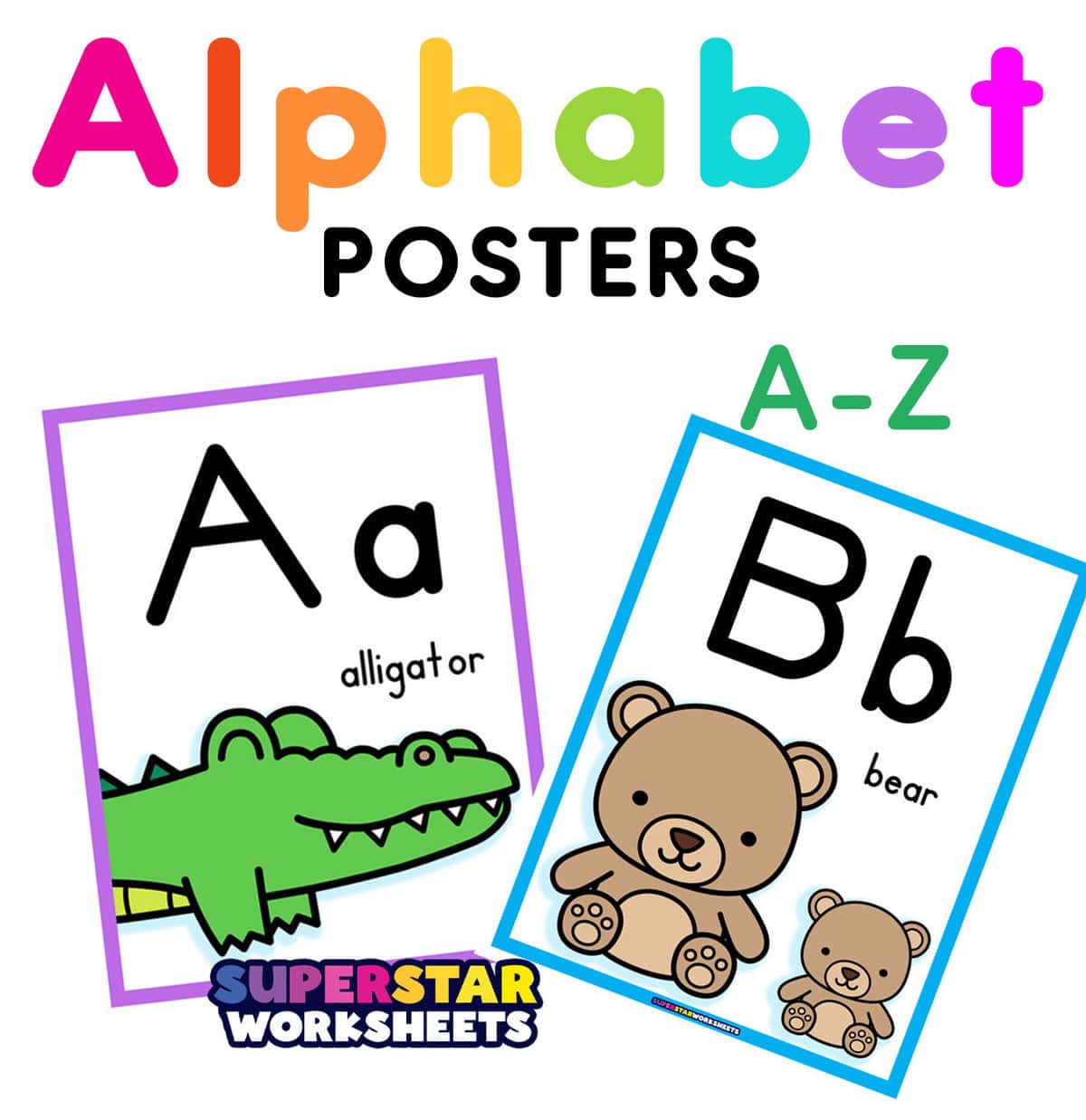
- Interactive Games: Turn the learning experience into a game. For example, you could use flashcards with the letters and images, asking the children to match them or identify them in a timed challenge.
- Story Time: Incorporate storybooks that emphasize the alphabet or specific letters. Reading aloud can help children connect the letters they’ve learned with words in context.
Using the Images Of The Alphabet Worksheet is an effective way to foster early literacy skills in a fun and interactive manner. By implementing these steps and activities, you’ll not only help children recognize letters but also instill a love for learning that can last a lifetime.
One practical detail to keep in mind is that using cardstock for printing the worksheets can make them more durable, especially if you plan to use them multiple times or laminate them for repeated use.