
Identifying Letters Of The Alphabet Worksheets are an excellent resource designed specifically for young learners, typically in preschool or kindergarten. These worksheets focus on helping children recognize and identify the letters of the alphabet, a fundamental skill for reading and writing. Unlike many generic worksheets, these resources often include engaging visuals and varied activities that cater to different learning styles, making them not just educational but also enjoyable for children.
Understanding the Layout of Identifying Letters Of The Alphabet Worksheets
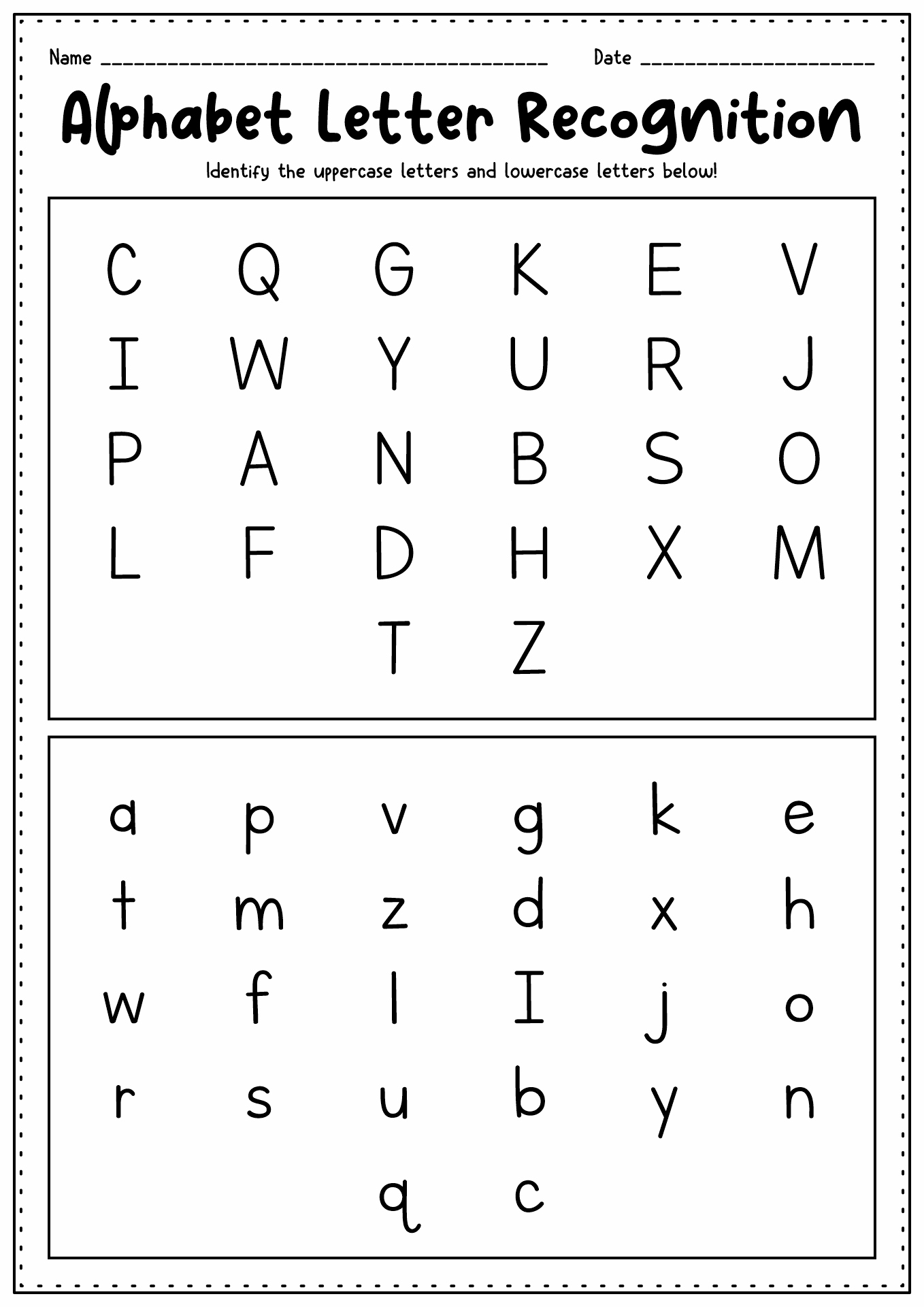
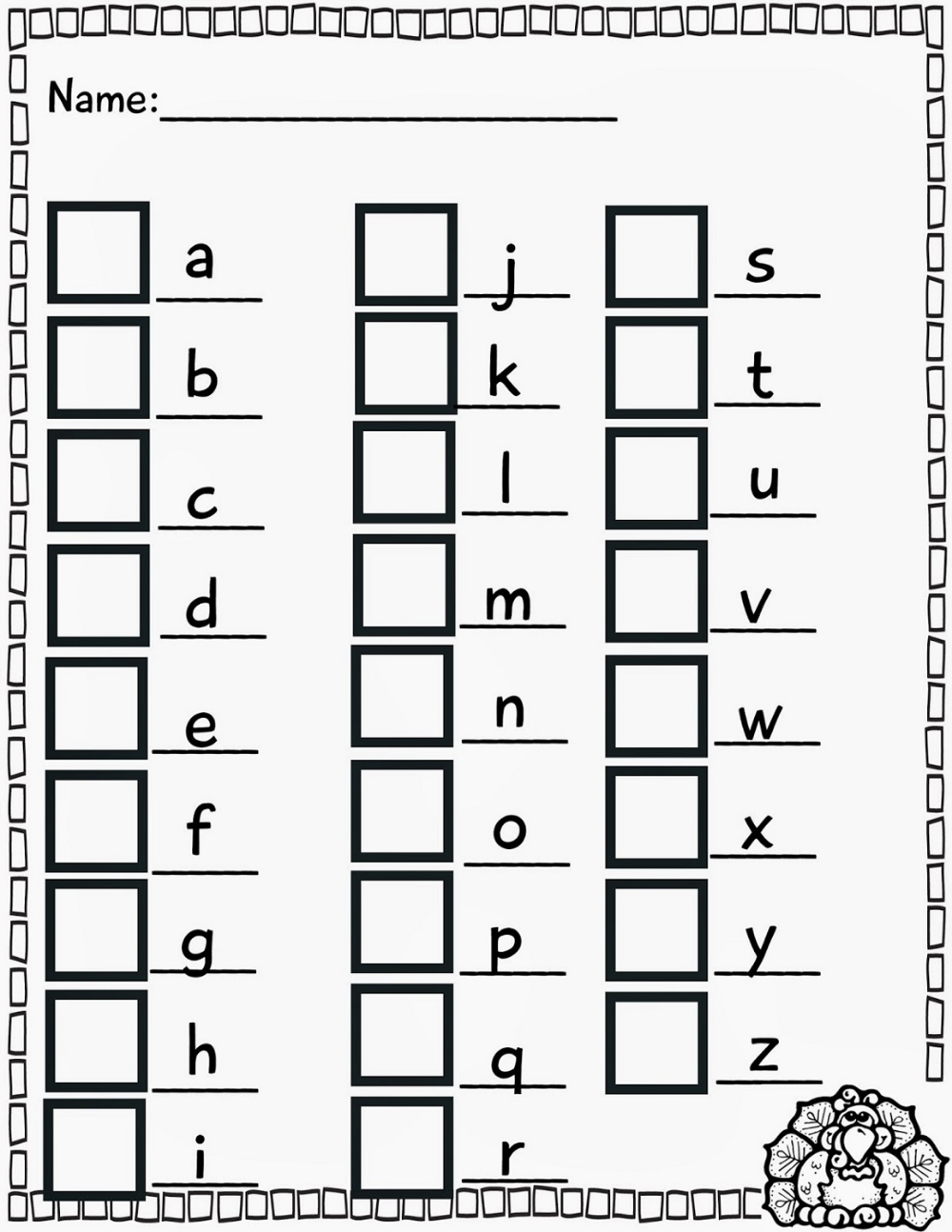
When you first look at an Identifying Letters Of The Alphabet Worksheet, you’ll notice a clear, organized layout that helps guide young learners through the activities. Most worksheets will include large, bold letters that are easy for children to recognize. The design typically features a combination of uppercase and lowercase letters, allowing children to learn the differences between them.
The worksheets often include sections where children can trace letters, which is essential for developing fine motor skills. This tracing activity usually involves dotted lines that children can follow with their pencils, reinforcing letter formation as they practice. Additionally, you might find activities like matching letters with corresponding images or coloring sections that require kids to identify specific letters.
It’s important to ensure that the worksheets are printed on standard letter-sized paper (8.5 x 11 inches) to fit easily into folders or binders. Portrait layout works best for most home printers, allowing for easy reading and accessibility during classroom activities or at home.
Activities Included in the Worksheets
Identifying Letters Of The Alphabet Worksheets come with a variety of activities that keep learning dynamic and engaging. Here are some common types of activities you might encounter:
- Tracing Letters: Children trace both uppercase and lowercase letters, developing their handwriting skills while reinforcing letter recognition.
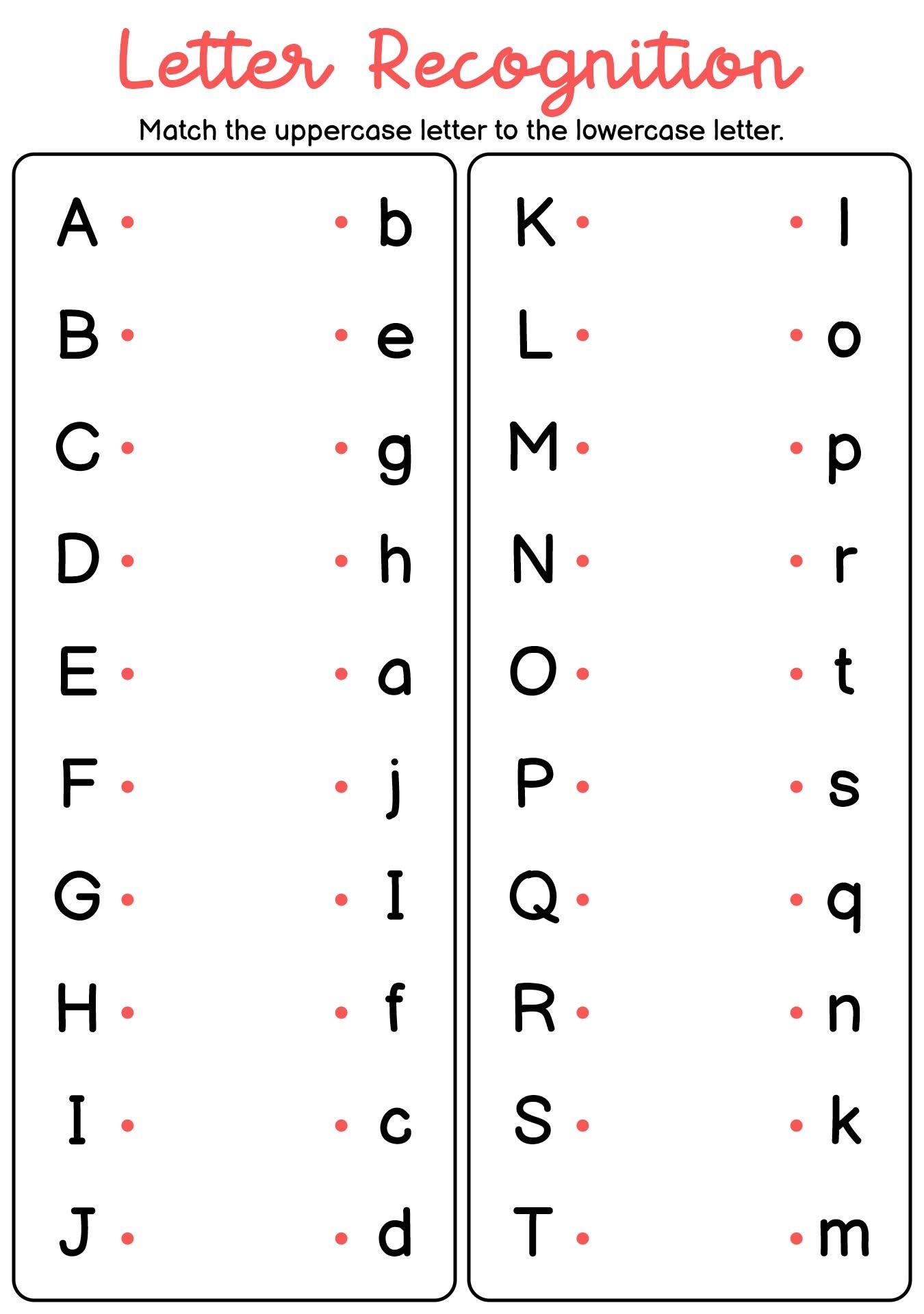
- Letter Matching: Worksheets may feature various images, prompting children to match letters to corresponding objects (e.g., A for apple, B for ball).
- Coloring Activities: Some worksheets allow children to color letters or objects that begin with a specific letter sound, which aids in auditory processing.
- Letter Sorting: Activities that ask children to sort letters into categories (vowels vs. consonants) help deepen their understanding of the alphabet.
These activities not only make learning fun but also allow you, as a teacher or parent, to assess each child’s mastery of letter identification. You can gauge their understanding based on how well they complete each task.
Assessing Mastery With the Worksheets
One of the key advantages of using Identifying Letters Of The Alphabet Worksheets is the ability to assess a child’s progress in a structured way. As children work through the worksheets, you can observe their ability to recognize and write letters.
- Mastery Indicators: If a child can consistently trace letters correctly and match them to images, this signals a good understanding of letter recognition. Look for accuracy in both uppercase and lowercase letters.
- Identifying Areas for Improvement: If a child struggles with certain letters or activities, it may indicate that they need additional practice in that area. For example, if they consistently confuse ‘b’ and ‘d’, it might be helpful to provide more focused exercises on those letters.
To make assessments easier, consider keeping a checklist or a simple progress chart. This way, you can track which letters each child has mastered and which ones may require further reinforcement.
Best Practices for Using These Worksheets
To maximize the effectiveness of Identifying Letters Of The Alphabet Worksheets, here are some best practices to keep in mind:
- Consistent Practice: Incorporate the worksheets into daily or weekly routines. Regular practice helps reinforce letter recognition skills.
- Interactive Learning: Pair the worksheets with interactive activities. For instance, after completing a worksheet, you might play a letter-based game or sing the alphabet song.
- Diverse Learning Styles: Remember that children learn differently. Some may benefit from auditory learning, while others may excel with visual aids. Use the worksheets alongside other resources like flashcards or digital apps that focus on letter recognition.
- Encouragement and Feedback: Provide positive reinforcement as children complete their worksheets. Celebrate their successes, no matter how small, to keep them motivated.
Using these best practices, you can create an enriching learning environment that fosters a love for letters and reading.
Downloading and Printing Tips
When it comes to downloading and printing Identifying Letters Of The Alphabet Worksheets, there are a few tips to ensure you get the best results:
- PDF Format: If available, download the worksheets in PDF format. This format preserves the layout and design, preventing any reformatting issues that might occur with image files.
- Cardstock for Durability: If you plan to reuse the worksheets, consider printing them on cardstock. This type of paper holds up better against wear and tear, especially in a classroom setting where multiple students will use the same resource.
- Avoiding Formatting Issues: Always check print settings to make sure the document fits the page correctly. Sometimes, scaling options can alter the final appearance, leading to cut-off letters or images.
By following these tips, you’ll ensure that your worksheets are not only functional but also visually appealing for young learners.
Using Identifying Letters Of The Alphabet Worksheets is an effective way to help children develop essential literacy skills through engaging and varied activities. The thoughtful layout and diverse options for learning make these worksheets a valuable addition to any educational setting. For instance, incorporating visual aids like pictures alongside letters not only reinforces recognition but also connects letters with sounds, enhancing overall literacy development.