
Identifying Alphabet And Letter Sounds Worksheets are essential tools for teachers and parents aiming to reinforce early literacy skills in young learners. These worksheets help children recognize the alphabet and the sounds associated with each letter, laying a strong foundation for reading and writing. In this article, we will explore how to effectively use these resources in a classroom or home setting, ensuring that children not only engage with the material but also develop a solid understanding of letter sounds.
Understanding the Importance of Letter Sounds
Before diving into how to utilize the worksheets, it’s crucial to understand why identifying alphabet and letter sounds is so important. Mastery of letter sounds is a key component of phonemic awareness, which is the ability to hear, identify, and manipulate individual sounds in spoken words. This skill is vital for reading success, as it allows children to decode words and develop their reading fluency.
When children can associate letters with their corresponding sounds, they become more confident in their reading abilities. This confidence will encourage them to explore more complex texts as they progress in their education.
How to Use Identifying Alphabet And Letter Sounds Worksheets
Using Identifying Alphabet And Letter Sounds Worksheets can be straightforward and effective, regardless of whether you’re in a classroom or homeschooling. Here are some practical steps to incorporate these worksheets into your teaching routine:
Step 1: Choose the Right Worksheets
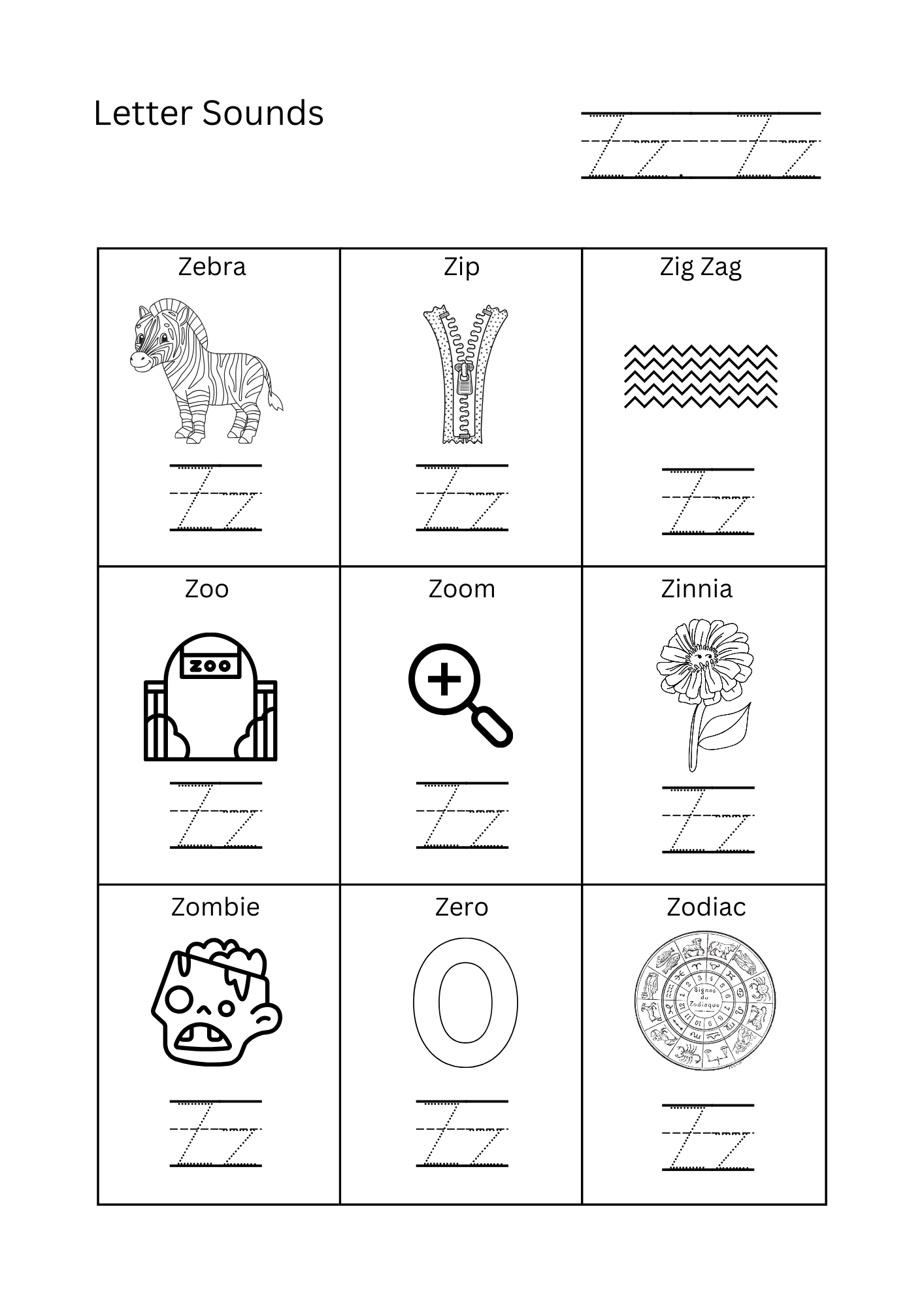
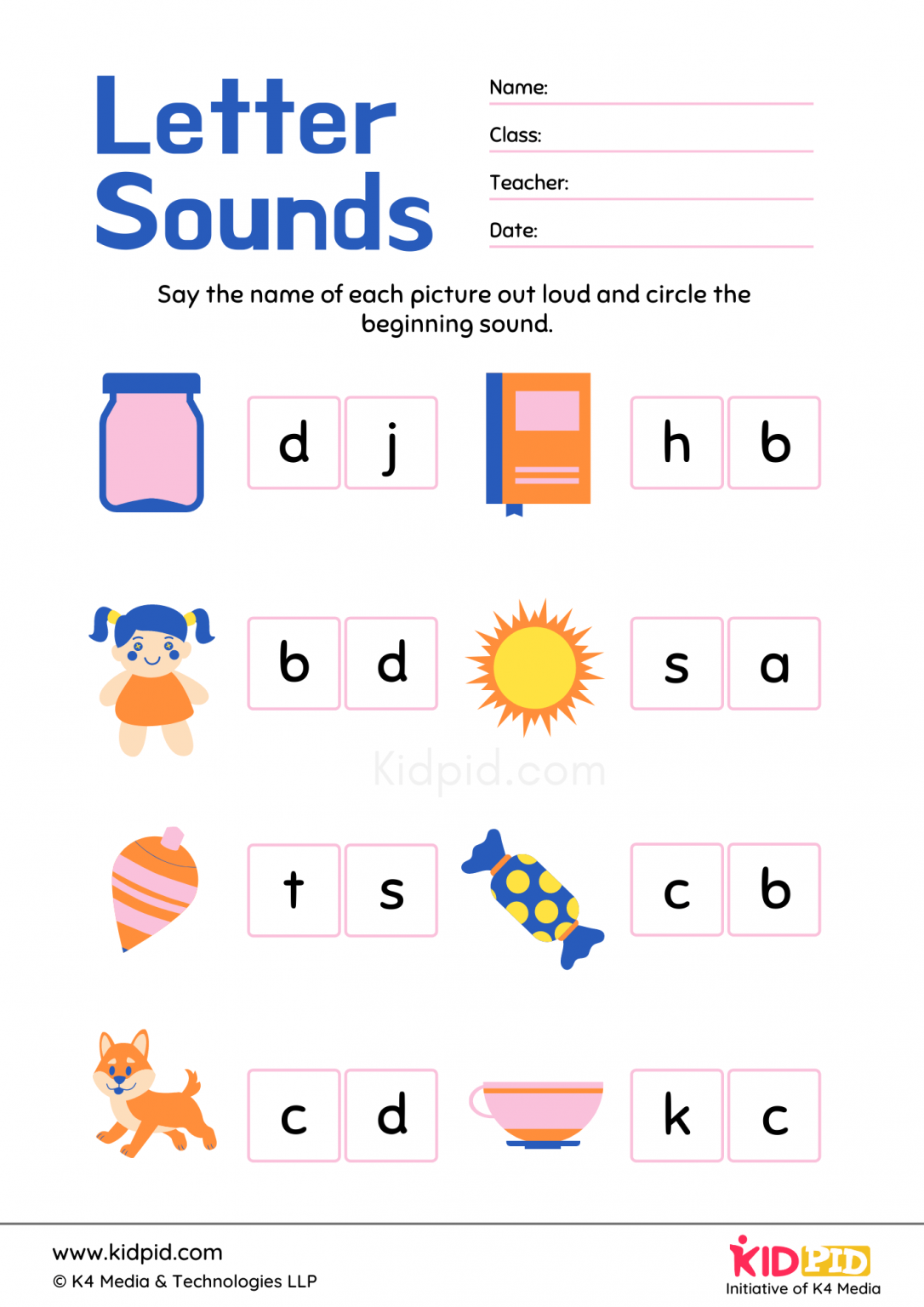
Look for worksheets that are visually appealing and age-appropriate. For preschool and kindergarten students, worksheets with colorful images and large text can be more engaging. You can find printable worksheets that include activities like matching letters to pictures, tracing letters, or identifying the first sound in a word.
Step 2: Set Up a Learning Environment
Create a dedicated learning space that is free from distractions. Ensure that children have access to their worksheets, crayons, or markers. If possible, consider using a whiteboard to demonstrate concepts before the children start their worksheets. This visual aid can help reinforce what they are learning.
Step 3: Introduce the Letters and Sounds
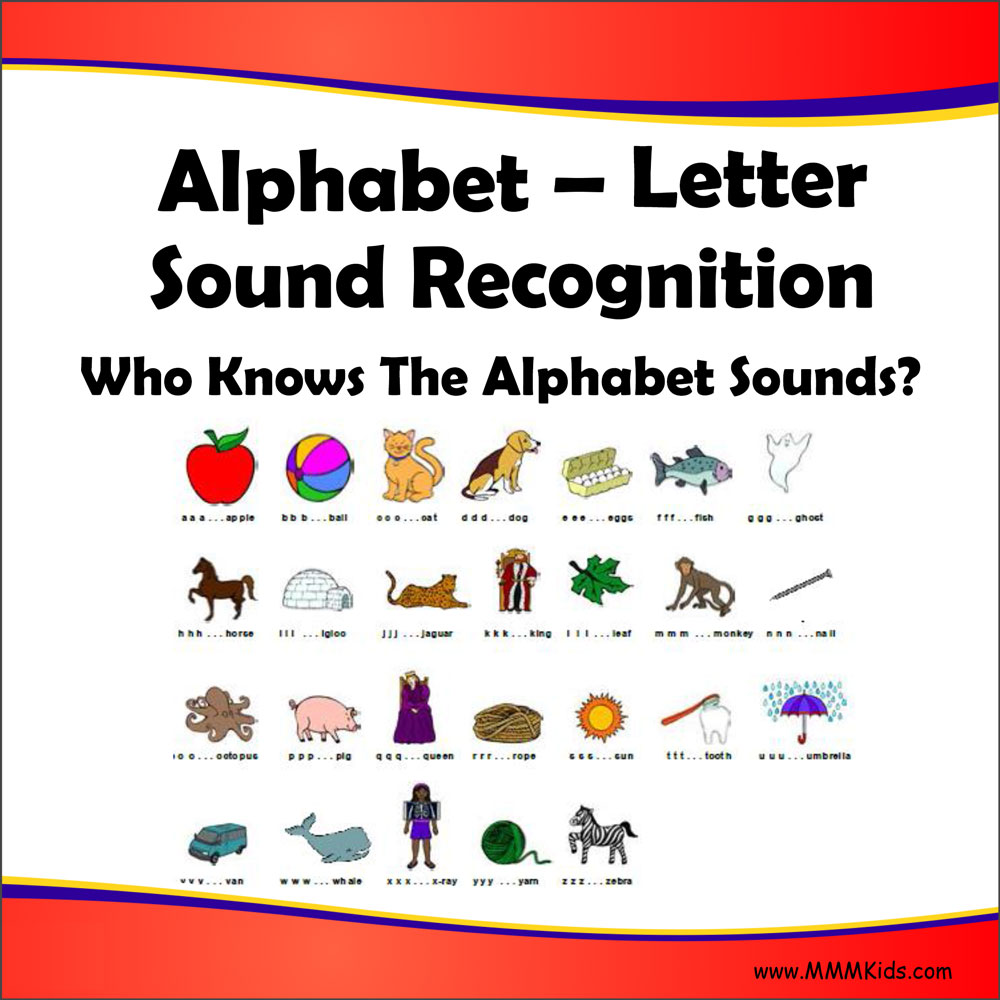
Begin by introducing a few letters at a time. For example, focus on the letters A, B, and C in one session. Use the worksheets to show how each letter corresponds to specific sounds. You might say, “A is for apple, the sound is /a/.” Encourage children to repeat the sounds after you, reinforcing their learning through auditory practice.
Step 4: Engage in Interactive Activities
Incorporate hands-on activities along with the worksheets. For instance, you could have children find objects around the room that start with the letter sound they are studying. This real-world connection helps solidify their understanding and keeps them engaged.
Step 5: Monitor Progress and Provide Feedback
As children complete their worksheets, take the time to review their work. Look for common errors, such as misidentifying sounds or letters. Providing immediate feedback helps children correct their mistakes and reinforces their learning. If a child struggles with a particular sound, offer additional practice or revisit that letter in future lessons.
Assessing Mastery of Letter Sounds
To ensure children are mastering the concepts presented in the Identifying Alphabet And Letter Sounds Worksheets, it’s essential to assess their understanding regularly. Here are some strategies for assessing progress:
Observation
During activities, observe how children interact with the worksheets and their ability to pronounce letter sounds. Take note of their confidence levels and any difficulties they may encounter. This ongoing assessment can guide your teaching approach and help you identify which areas need more focus.
Simple Quizzes
Create informal quizzes that require children to identify letter sounds. For example, you could hold up a flashcard with a letter and ask, “What sound does this letter make?” or “Can you think of a word that starts with this letter?” This type of assessment can be done verbally or through additional worksheets.
Progress Tracking
Maintain a progress chart to track each child’s development in recognizing letter sounds. This visual representation can be motivating for children, as they can see how far they’ve come and what they still need to work on. You can also use stickers or stamps as rewards for milestones achieved.
Incorporating Technology
In today’s digital age, supplementing traditional worksheets with technology can enhance learning. There are numerous educational apps and online resources available that focus on letter sounds and phonemic awareness. These interactive tools often include games and activities that make learning fun.
For instance, apps that feature letter recognition games or sound matching activities can provide additional practice outside of worksheet use. Encourage children to explore these resources as a complement to their hands-on work with worksheets.
Tips for Effective Use of Worksheets
To maximize the effectiveness of Identifying Alphabet And Letter Sounds Worksheets, consider these practical tips:
- Use High-Quality Paper: If you plan to laminate the worksheets for reuse, opt for high-quality paper or cardstock. This will withstand repeated use and make the worksheets last longer.
- Print in Portrait Orientation: Most home printers handle portrait layout better, ensuring that the worksheets are easy to read and use.
- Group Activities: If you’re working in a classroom, consider grouping students for collaborative activities. They can help each other identify letter sounds and share their insights, fostering a supportive learning environment.
By following these guidelines, you can create an engaging and effective learning experience for children using Identifying Alphabet And Letter Sounds Worksheets. This resource will not only support their literacy development but also encourage a love for learning.
To get started today, look for printable worksheets that fit your teaching style and the needs of your students. Remember, the key is to keep the activities fun and interactive, making the learning process enjoyable for everyone involved.