
Teaching students how to arrange words in alphabetical order is a fundamental skill that enhances their literacy and organizational abilities. The “Have Fun Teaching Alphabetical Order Worksheets” provide an excellent resource for educators looking to reinforce this skill in a fun and interactive way. These worksheets are designed to cater to various learning environments, including classrooms, homeschooling, and at-home practice.
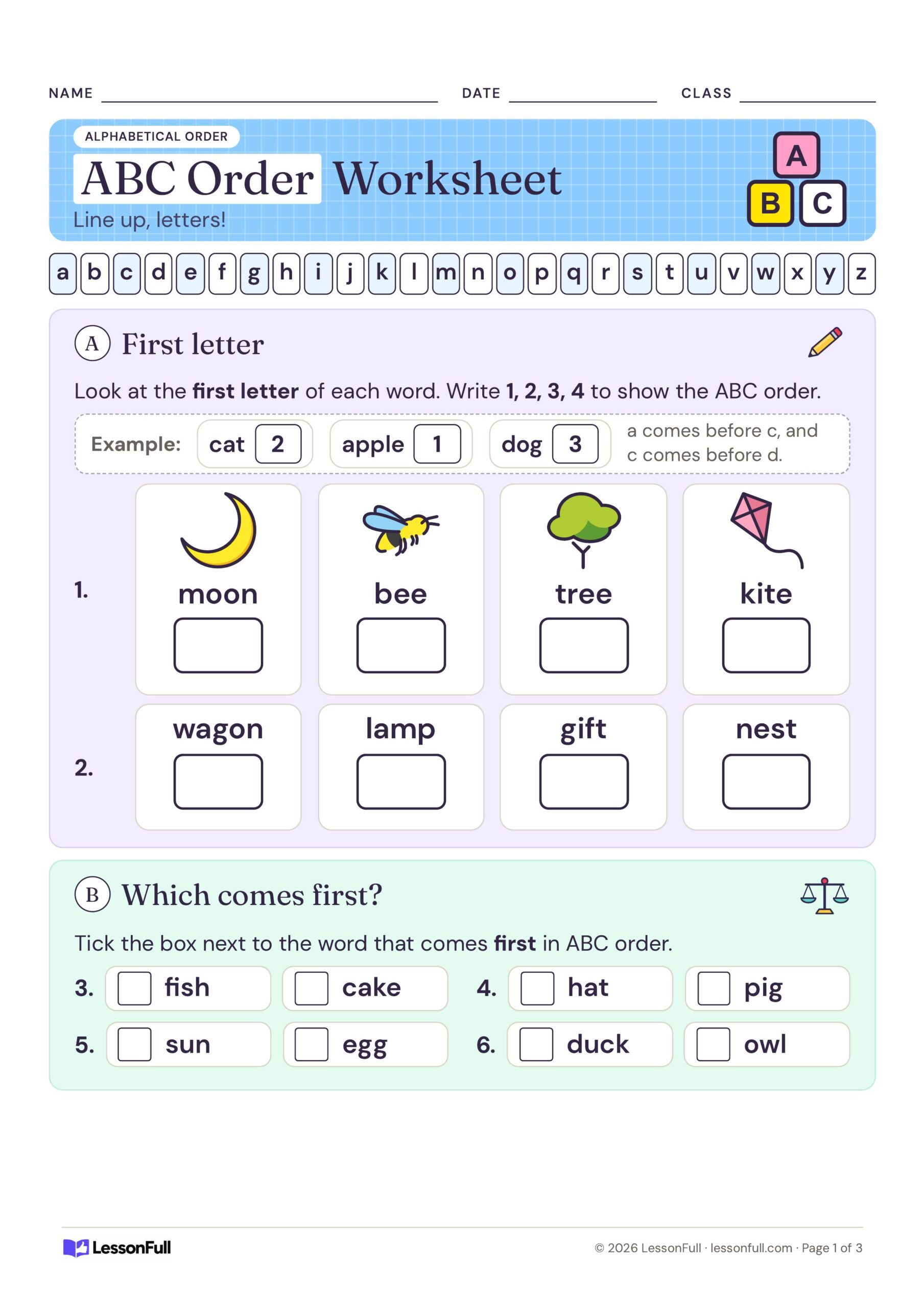
Understanding the Importance of Alphabetical Order
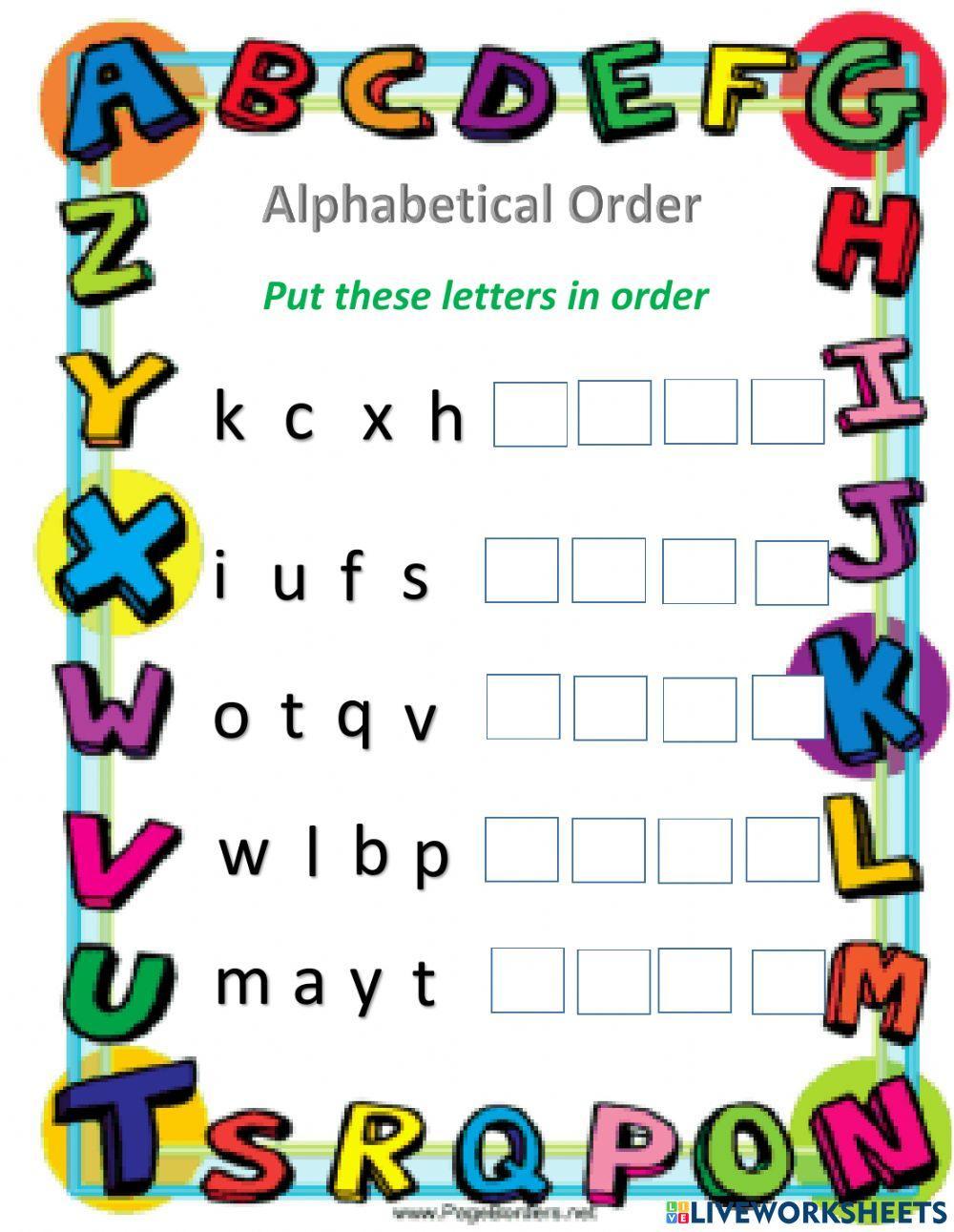
Alphabetical order is more than just a method of organizing words; it’s a crucial part of language literacy. Learning to put words in alphabetical order helps students improve their vocabulary and enhances their reading comprehension. This skill also lays the groundwork for understanding dictionaries, encyclopedias, and other reference materials, making it essential for academic success.
Using “Have Fun Teaching Alphabetical Order Worksheets,” educators can help students grasp this concept in an engaging manner. The worksheets often include activities that encourage students to sort words, which can significantly aid in retention and understanding.
Features of the Worksheets
These worksheets typically come in a variety of formats that cater to different learning styles and age groups. Some common features include:
- Word Sorting Activities: Students are asked to sort a given list of words into alphabetical order. This activity can be tailored to different themes, such as animals, food, or school supplies.
- Fill-in-the-Blank Exercises: These worksheets might provide sentences with missing words, prompting students to fill in the blanks with the correct words in alphabetical order.
- Interactive Games: Some worksheets incorporate games that make learning fun, such as crossword puzzles or matching games that require students to match words with their definitions in alphabetical order.
Best Practices for Using the Worksheets
To maximize the effectiveness of the “Have Fun Teaching Alphabetical Order Worksheets,” consider the following best practices:
- Introduce the Concept Clearly: Before handing out the worksheets, take time to explain what alphabetical order is and why it matters. Using examples from the classroom can help make the concept relatable.
- Hands-On Activities: Incorporate hands-on activities alongside the worksheets. For instance, you can ask students to create their own word lists using items in the classroom or at home. This practical application reinforces their understanding.
- Use Group Work: Encourage collaboration by having students work in pairs or small groups to complete the worksheets. This promotes discussion and deeper understanding as they explain their reasoning to each other.
- Provide Feedback: After the worksheets are completed, go over the answers as a class. Provide constructive feedback, highlighting common mistakes and discussing how to correct them.
- Adapt for Different Ages: Tailor the complexity of the worksheets to suit the age and skill level of your students. Younger students may benefit from simpler lists, while older students can handle more challenging exercises.
Pacing and Timing
When implementing these worksheets in your lesson plan, consider your students’ attention spans and the pacing of your lessons. Typically, you might allocate 20 to 30 minutes for a worksheet activity, allowing time for instruction, completion, and discussion. For younger students, shorter sessions with more frequent breaks may be more effective.
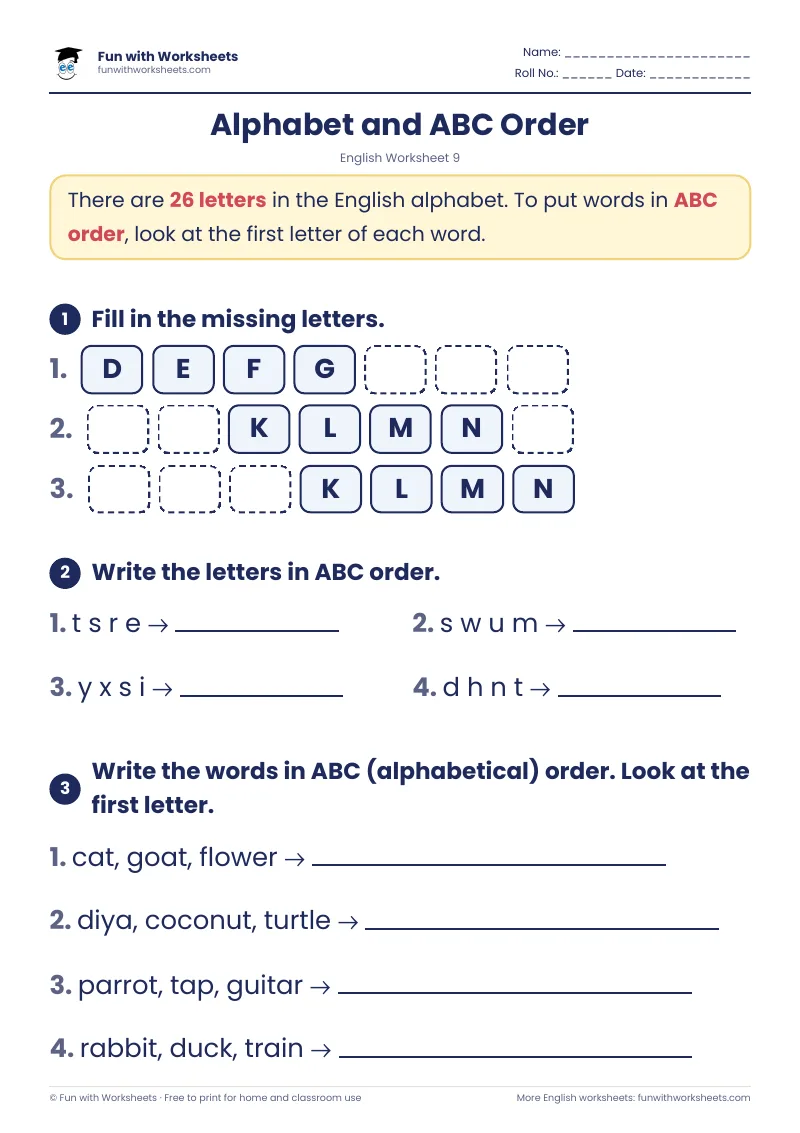
Where to Find “Have Fun Teaching Alphabetical Order Worksheets”
You can easily find “Have Fun Teaching Alphabetical Order Worksheets” online, often as free or low-cost downloads. Many educational resource websites offer these worksheets in PDF format, making them easy to print. Look for resources that provide additional materials or themed worksheets to keep lessons fresh and engaging.
When selecting worksheets, consider the following:
- Format: Ensure the worksheets are available in a format that works with your printing capabilities, typically PDF is the most reliable.
- Quality: Look for resources that are well-designed and visually appealing. Clear instructions and organized layouts help students focus on the task at hand.
- Adaptability: Choose worksheets that can be easily modified to suit different learning styles or classroom needs.