
Handwriting skills are essential for young learners, and using effective resources can greatly enhance their ability to form letters and words. If you’re looking for Handwriting Worksheets Alphabet For Free, you’re in the right place. These worksheets are designed to help children practice their handwriting through engaging and structured exercises. Here’s how to effectively use these resources in your classroom or at home.
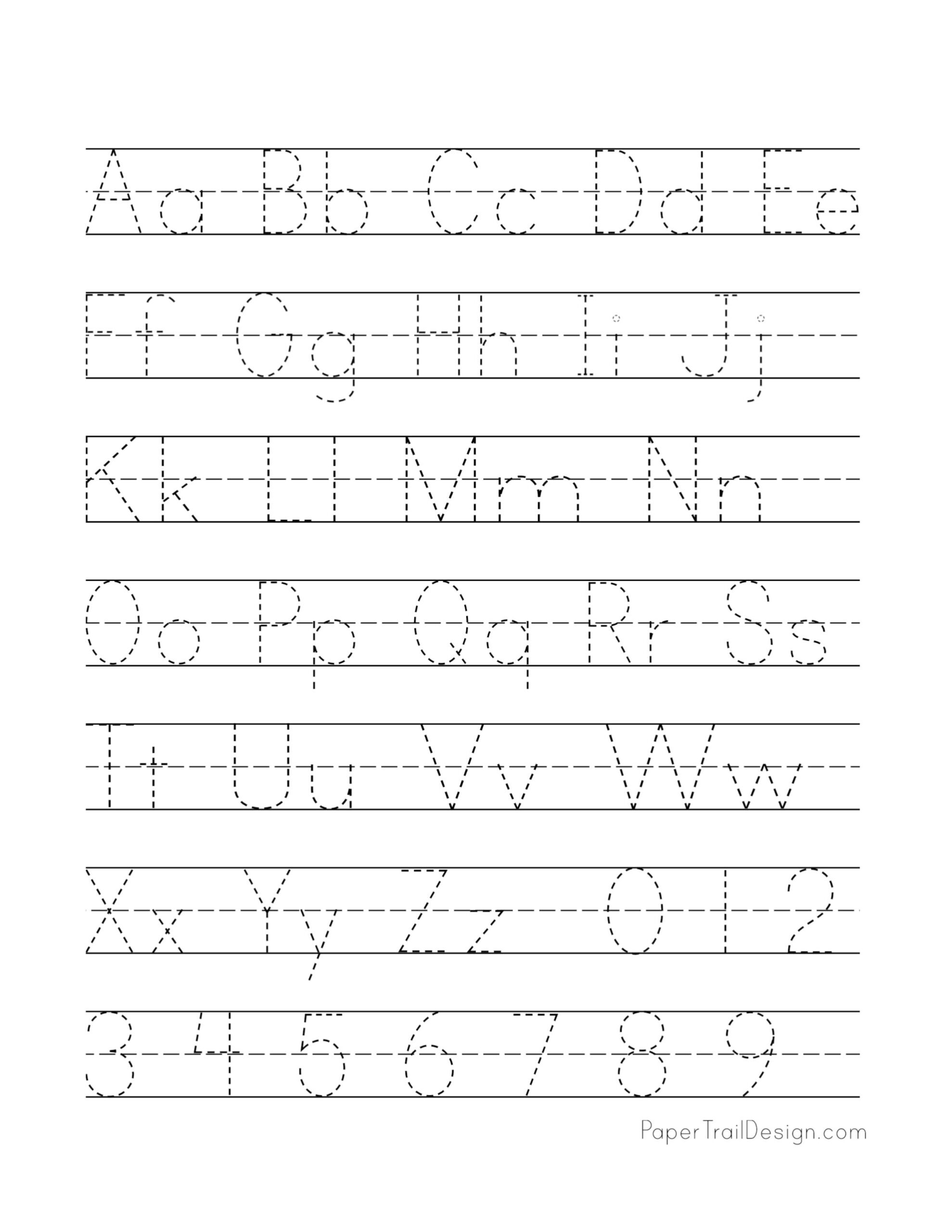
Choosing the Right Handwriting Worksheets
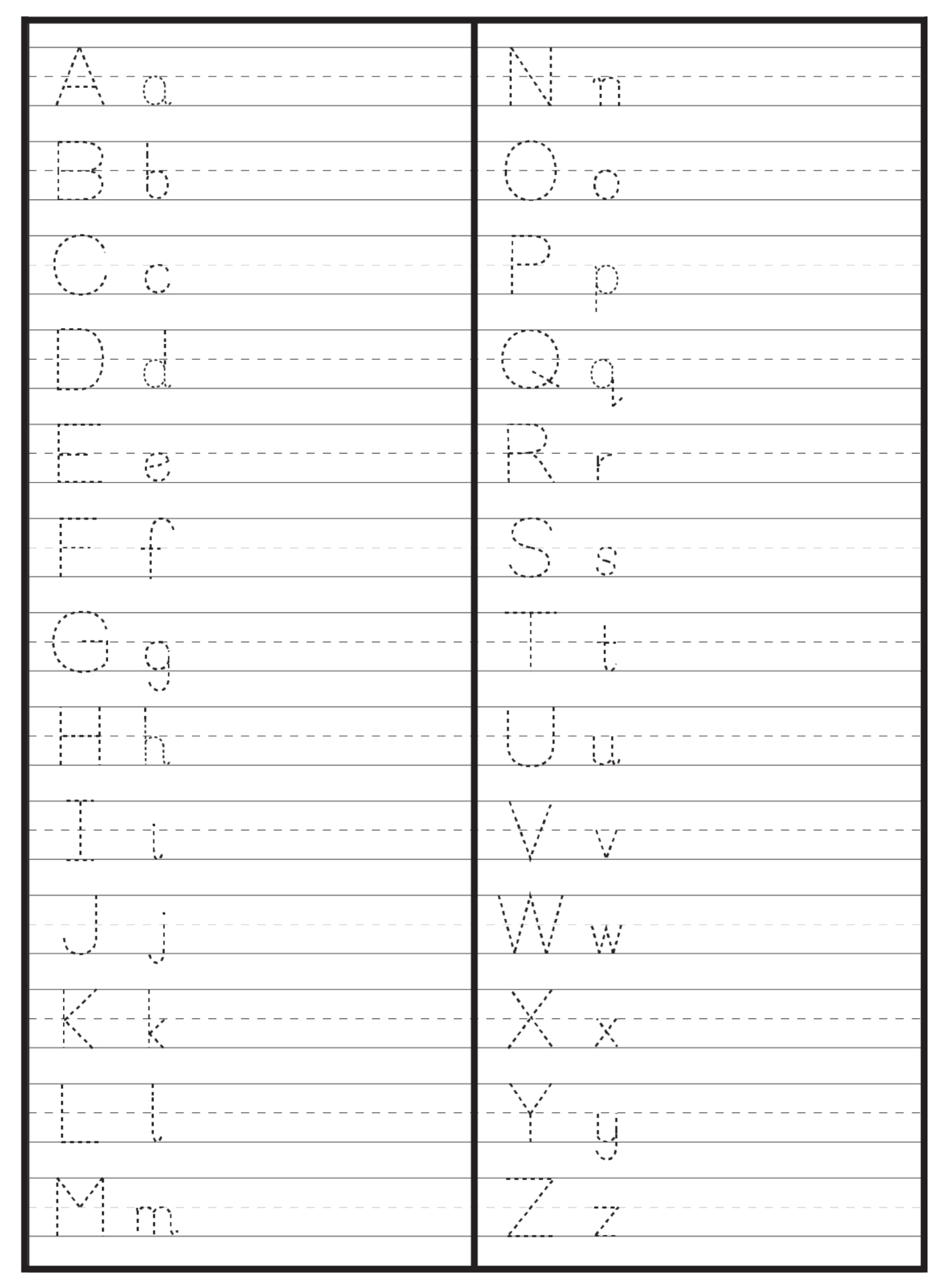
When selecting handwriting worksheets, consider the age and skill level of your students. For preschool and kindergarten, look for worksheets that focus on tracing letters in both uppercase and lowercase formats. As children progress to first and second grades, you can incorporate worksheets that combine letter formation with simple words and sentences.
You’ll find that many free handwriting worksheets are available in PDF format, which is ideal for printing. Ensure that the worksheets are clear, with large letters and sufficient space for children to practice writing.
Downloading Your Free Worksheets
Once you have identified the appropriate worksheets, the next step is to download them. Here’s a simple process to follow:
- Visit a trusted resource website: Look for websites that specialize in educational materials. Ensure they offer a variety of handwriting worksheets.
- Search for Handwriting Worksheets Alphabet For Free: Use the search function on the site to locate the worksheets you need.
- Select the worksheets: Choose the specific worksheets that align with your teaching goals.
- Download: Most sites will have a download button. Click it to save the PDF files to your computer or device.
Remember to check the file size and compatibility with your device to avoid issues during printing.
Printing Your Worksheets
After downloading your handwriting worksheets, it’s time to print them. Consider the following tips for efficient printing:
- Use the right paper size: Standard letter size (8.5 x 11 inches) works well for most worksheets. If your worksheets are designed for a different size, adjust your printer settings accordingly.
- Print in bulk: If you’re teaching a full class, print multiple copies at once. This saves time and ensures that every student has their own worksheet.
- Choose settings wisely: For black-and-white worksheets, use draft mode to save ink. If the worksheets feature colors, select standard or high-quality printing for clarity.
- Consider cardstock: If you intend to use the worksheets repeatedly, consider printing them on cardstock. It’s more durable and can withstand erasing and rewriting.
Setting Up the Worksheets for Use
Once printed, organize the worksheets for your students. Here are some practical steps to follow:
- Sort by skill level: Group the worksheets according to the students’ abilities. This allows for targeted instruction and practice.
- Create a handwriting folder: Provide each student with a folder to keep their worksheets organized. This helps them track their progress over time.
- Incorporate a reward system: Encourage students to complete their worksheets by implementing a reward system. For example, you can give stickers for completed assignments or improvements in handwriting.
Using the Worksheets Effectively in Class
Integrating handwriting worksheets into your lessons can be simple and effective. Here are some strategies:
- Daily practice: Set aside time each day for handwriting practice. Even 10-15 minutes can make a significant difference.
- Pair with other activities: Combine handwriting practice with phonics or reading activities. For instance, after reading a story, have students write down key words or phrases from the text.
- Provide feedback: As students complete their worksheets, give constructive feedback. Highlight areas where they excel and offer specific tips for improvement.
- Encourage self-assessment: Teach students to assess their own handwriting. They can compare their work with a model or use a rubric to evaluate their letter formation and spacing.
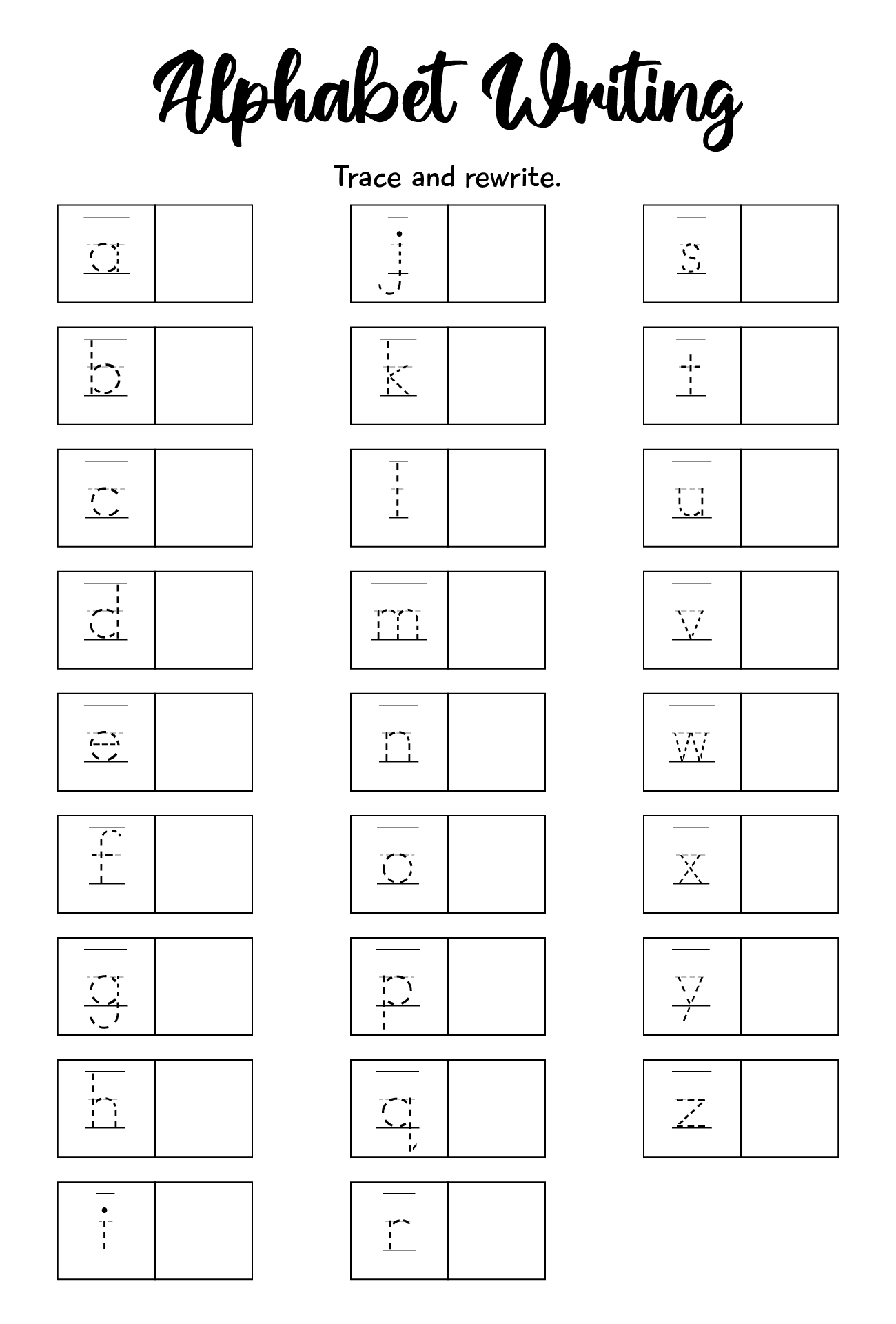
Reviewing and Grading Handwriting Worksheets
To effectively assess your students’ progress in handwriting, consider the following:
- Set clear criteria: Establish what constitutes good handwriting. This could include letter formation, size consistency, and spacing.
- Use answer keys when available: Some worksheets may come with answer keys. Use these to quickly check student work and provide feedback.
- Allocate time for grading: Set aside regular time to review completed worksheets. This helps you stay on top of student progress and allows for timely feedback.
Remember that handwriting improvement takes time and patience. Celebrate small victories to keep students motivated.