
In a sunny corner of a middle school classroom, a teacher watches as students eagerly gather around their desks, ready to explore the Greek alphabet. The excitement is palpable as they pick up their Greek Alphabet Middle School Worksheet, a tool designed to enhance their understanding of this ancient writing system. This worksheet not only introduces students to the letters but also invites them to engage with Greek culture and history in a meaningful way.
Understanding the Greek Alphabet
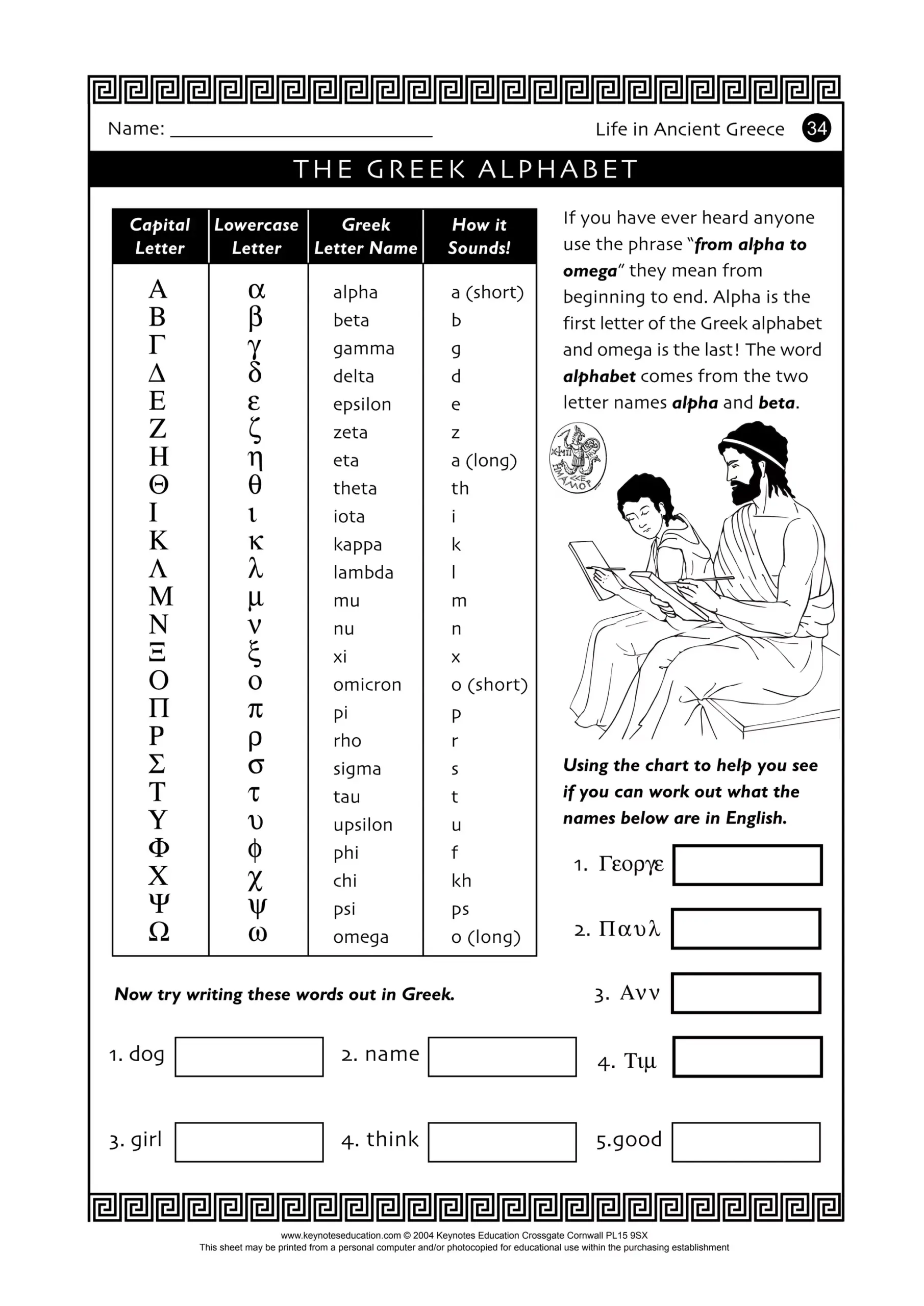
The Greek alphabet consists of 24 letters, each with its unique sound and significance. For middle school students, learning this alphabet is not just about memorizing the letters; it’s about connecting with a culture that has influenced Western civilization. The Greek Alphabet Middle School Worksheet provides a structured way to introduce these letters, their phonetics, and their historical context.
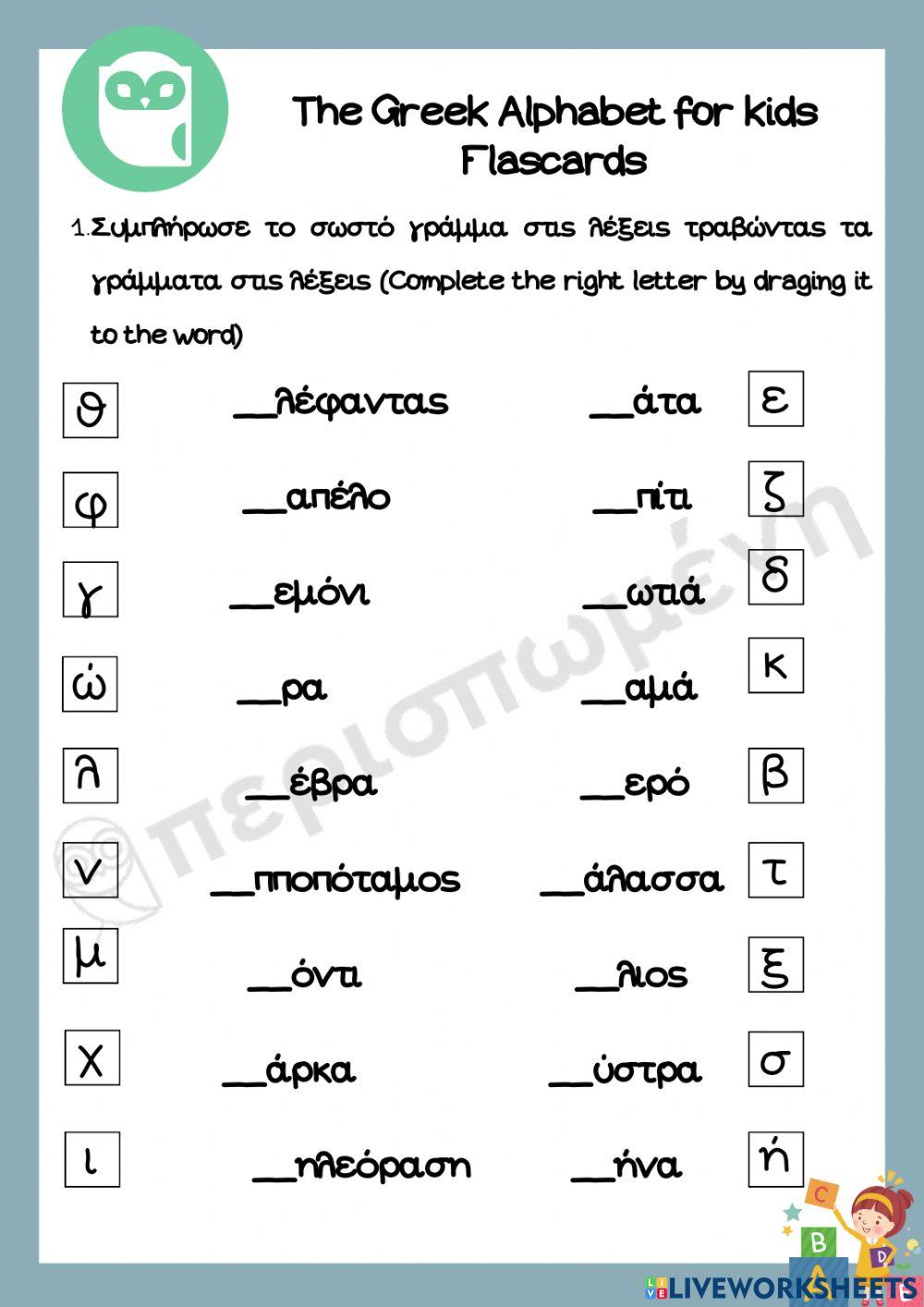
When using the worksheet, start by explaining each letter’s name and sound. For example, Alpha (Α, α) sounds like “ah,” while Beta (Β, β) is pronounced as “b.” Incorporate visual aids, such as flashcards showing each letter alongside an object that starts with that letter in Greek. This method reinforces learning through association and helps students recall the letters more easily.
Engaging Activities With the Worksheet
To make the most out of the Greek Alphabet Middle School Worksheet, consider incorporating various activities that cater to different learning styles. Here are some practical ideas:
Letter Tracing and Writing Practice
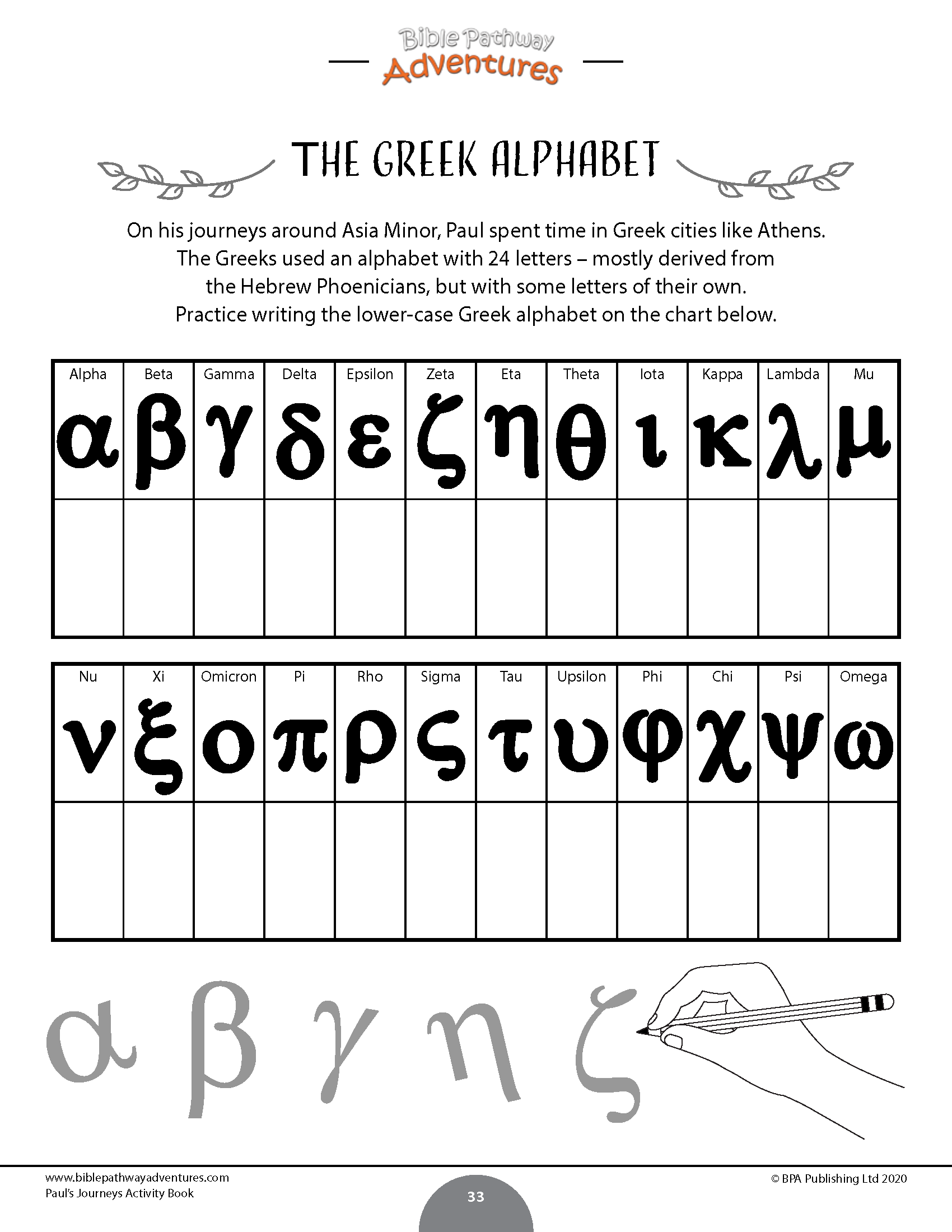
One effective way to familiarize students with the Greek alphabet is through tracing and writing exercises. The worksheet should include sections where students can trace each letter and then practice writing them independently. Encourage them to say the letter aloud as they trace to reinforce their memory.
Matching Games
Create a matching game where students pair Greek letters with their corresponding sounds or words. For instance, they could match Alpha with “Αθήνα” (Athena) or Beta with “βιβλίο” (book). This not only helps with letter recognition but also introduces vocabulary in a fun, interactive way.
Group Activities
Divide the class into small groups and assign each group a few letters from the Greek alphabet. Ask them to create a short presentation about their letters, including their history and usage in modern languages. This collaborative effort fosters teamwork and allows students to delve deeper into the subject matter.
Using the Worksheet at Home
For parents homeschooling their children or supplementing classroom learning, the Greek Alphabet Middle School Worksheet is a valuable resource. Here’s how you can incorporate it into your home routine:
Daily Practice
Set aside a few minutes each day for your child to work on the worksheet. Consistent practice is key to retention. You might start the session with a brief review of previously learned letters before introducing new ones.
Integration With Other Subjects
Link the study of the Greek alphabet to other subjects like art, history, or literature. For example, you could read a simplified version of a Greek myth and ask your child to identify words that begin with Greek letters they’ve learned. This cross-curricular approach makes learning more holistic and engaging.
Creative Projects
Encourage your child to create a Greek-themed project using the letters they’ve learned. They could design a poster featuring the Greek alphabet, decorate it with symbols or images related to Greek mythology, or even write a short story using Greek words. This not only reinforces their knowledge but also sparks creativity.
Additional Resources to Enhance Learning
While the Greek Alphabet Middle School Worksheet is a fantastic starting point, there are many additional resources available to deepen students’ understanding. These may include:
- Online Games and Apps: Websites and mobile apps that focus on the Greek alphabet can provide interactive learning experiences. Look for platforms that offer quizzes or flashcard functionalities.
- Books and Literature: Consider introducing books that feature the Greek alphabet or stories set in ancient Greece. This can help students contextualize their learning and see the alphabet in action.
- Cultural Exploration: Explore Greek culture through cooking, music, or art. Trying out Greek recipes or listening to Greek music can make the learning experience more immersive.