
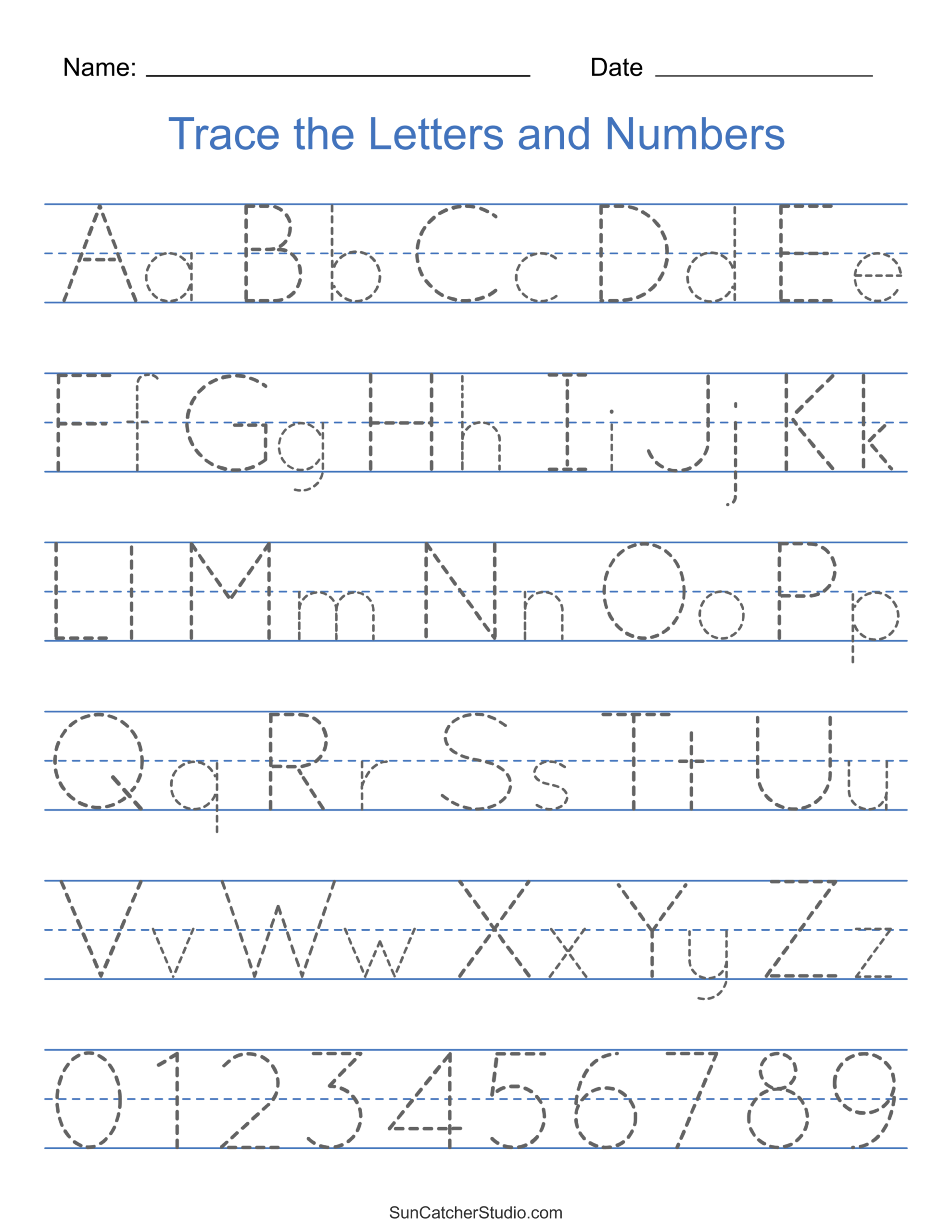
When teaching young children, one of the most crucial skills to develop is handwriting. Grade 1 Alphabet Tracing Worksheets are invaluable tools in reinforcing the formation of letters and improving fine motor skills. These worksheets provide a structured approach for students to practice writing both uppercase and lowercase letters while fostering their confidence as they learn.
The Importance of Tracing Worksheets in Early Education
Tracing worksheets serve multiple purposes in early education. For Grade 1 students, they are particularly effective because they help children:
- Develop fine motor skills: As kids trace letters, they improve their hand-eye coordination and dexterity.
- Learn letter formation: Tracing reinforces the correct way to write letters, helping students internalize the shapes.
- Gain confidence: As children see their progress, they become more willing to engage in writing activities.
Using Grade 1 Alphabet Tracing Worksheets in a classroom or home setting can streamline this learning process, making it easier for both teachers and parents to provide guided practice.
How to Use Grade 1 Alphabet Tracing Worksheets Effectively
When integrating these worksheets into your lesson plans or home activities, consider the following practical tips:
- Printing Options: Use standard letter-sized paper (8.5 x 11 inches) for easy handling. Portrait layout is most common and works well with most home printers. If you plan to laminate the worksheets for repeated use, cardstock is a durable option.
- Supervision and Guidance: While students work on their tracing, provide guidance as needed. You might demonstrate how to hold a pencil correctly or offer tips on how to start and finish each letter.
- Encourage Repetition: Repetition is key in learning. Allow children to trace each letter multiple times. This can be done in one session or spread over several days.
- Incorporate Fun Activities: Make tracing more engaging by incorporating games. For example, turn it into a timed challenge where kids try to trace a letter as quickly and accurately as possible.
- Review and Feedback: After the tracing activity, review the completed worksheets with the children. Provide positive feedback and gentle corrections where necessary. This not only helps them learn but also boosts their confidence.
Different Types of Alphabet Tracing Worksheets
Grade 1 Alphabet Tracing Worksheets come in various formats to cater to different learning styles and objectives. Here are some common types:
Basic Letter Tracing Worksheets
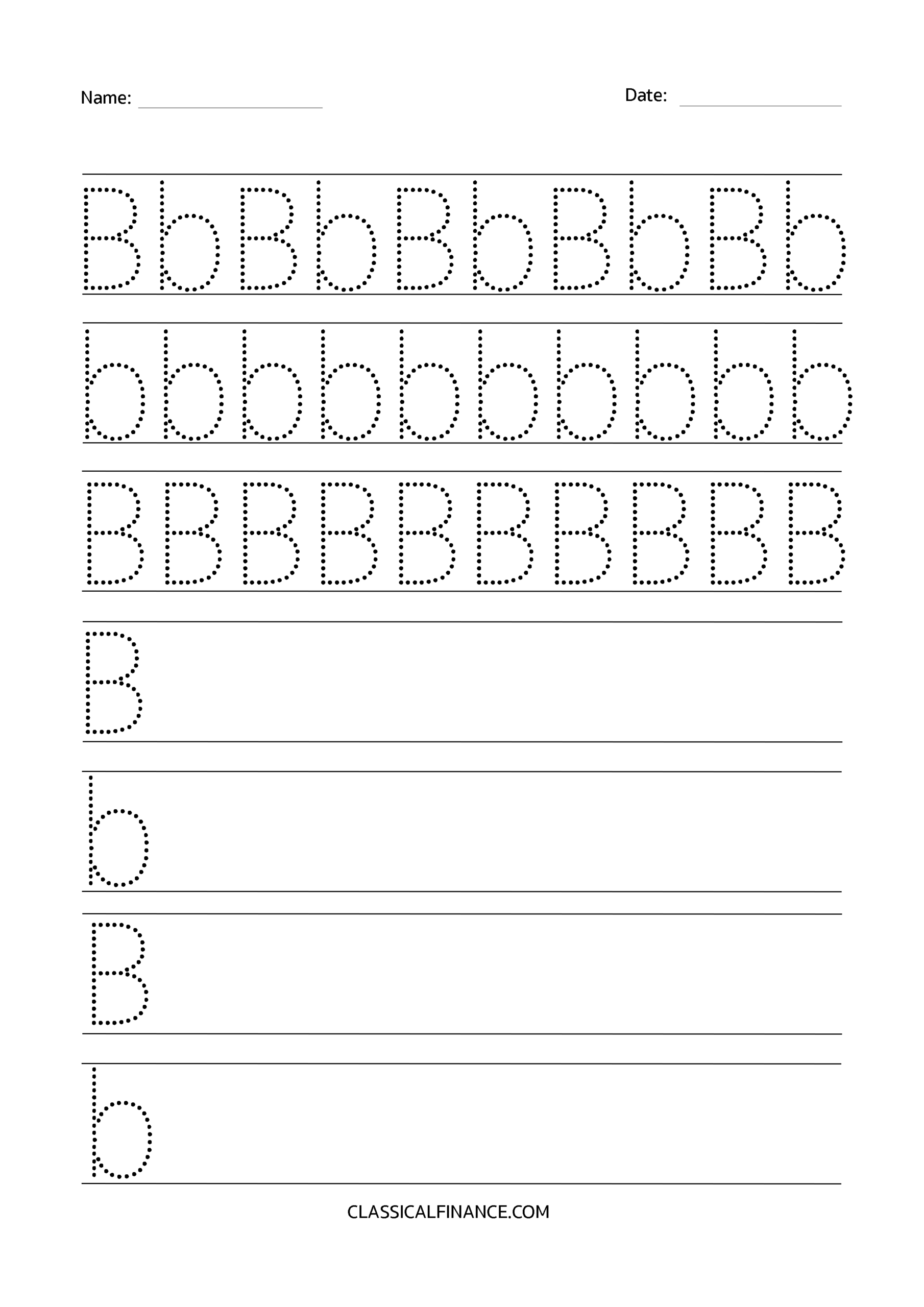
These worksheets typically feature a letter at the top, followed by dotted lines for students to trace. They usually include both uppercase and lowercase letters on the same page to provide a comprehensive practice experience.
Themed Tracing Worksheets
To make learning more engaging, themed worksheets incorporate illustrations related to specific topics, such as animals or seasonal themes. For instance, a worksheet might have the letter ‘A’ with an image of an apple, allowing children to connect the letter with a word and a visual.
Tracing With Words
Some worksheets combine tracing letters with simple words. For example, students might trace the letter ‘B’ alongside the word ‘Ball.’ This helps students learn the relationship between letters and sounds while practicing their handwriting.
Interactive Tracing Worksheets
These can include blank lines where children can practice writing letters without guidance. After tracing, kids can be encouraged to write the letters independently, fostering a sense of achievement.
Adapting the Worksheets for Diverse Learning Needs
Every child learns differently, and it’s essential to adapt your approach to meet diverse learning needs. Here are some ways to modify Grade 1 Alphabet Tracing Worksheets for various students:
- For Visual Learners: Use colored markers or pencils to trace letters. Color-coding can help them remember the correct formation.
- For Kinesthetic Learners: Incorporate physical activities, such as using sand or playdough to form letters before tracing on paper.
- For Struggling Writers: Provide extra-large tracing worksheets to give more space for practice. This can help alleviate frustration and allow them to focus on the formation without feeling cramped.
Tips for Parents and Teachers
Using Grade 1 Alphabet Tracing Worksheets can be a fun and rewarding experience for both parents and teachers. Here are some additional tips to enhance the learning process:
- Create a Routine: Set aside a specific time each day for tracing practice. Consistency helps reinforce habits and skills.
- Keep It Positive: Celebrate successes, no matter how small. Positive reinforcement can motivate children to continue practicing.
- Use Technology: Consider incorporating digital tracing apps or online resources that allow children to practice writing on tablets or computers. This can be especially engaging for tech-savvy learners.
The key is to create a supportive environment where children feel comfortable making mistakes and learning from them.
By incorporating Grade 1 Alphabet Tracing Worksheets into your educational toolkit, you’ll provide young learners with the practice they need to develop strong handwriting skills. Remember to keep activities varied and engaging, and don’t hesitate to get creative with your teaching methods!