
Teaching young children the full alphabet is a foundational step in early literacy. A well-designed resource, such as the Full Alphabet Worksheet Independent Practice, provides a structured way for students to practice their letter recognition and writing skills. This resource typically includes a variety of engaging activities that reinforce both uppercase and lowercase letters, helping students become confident in their ability to recognize and write the alphabet.
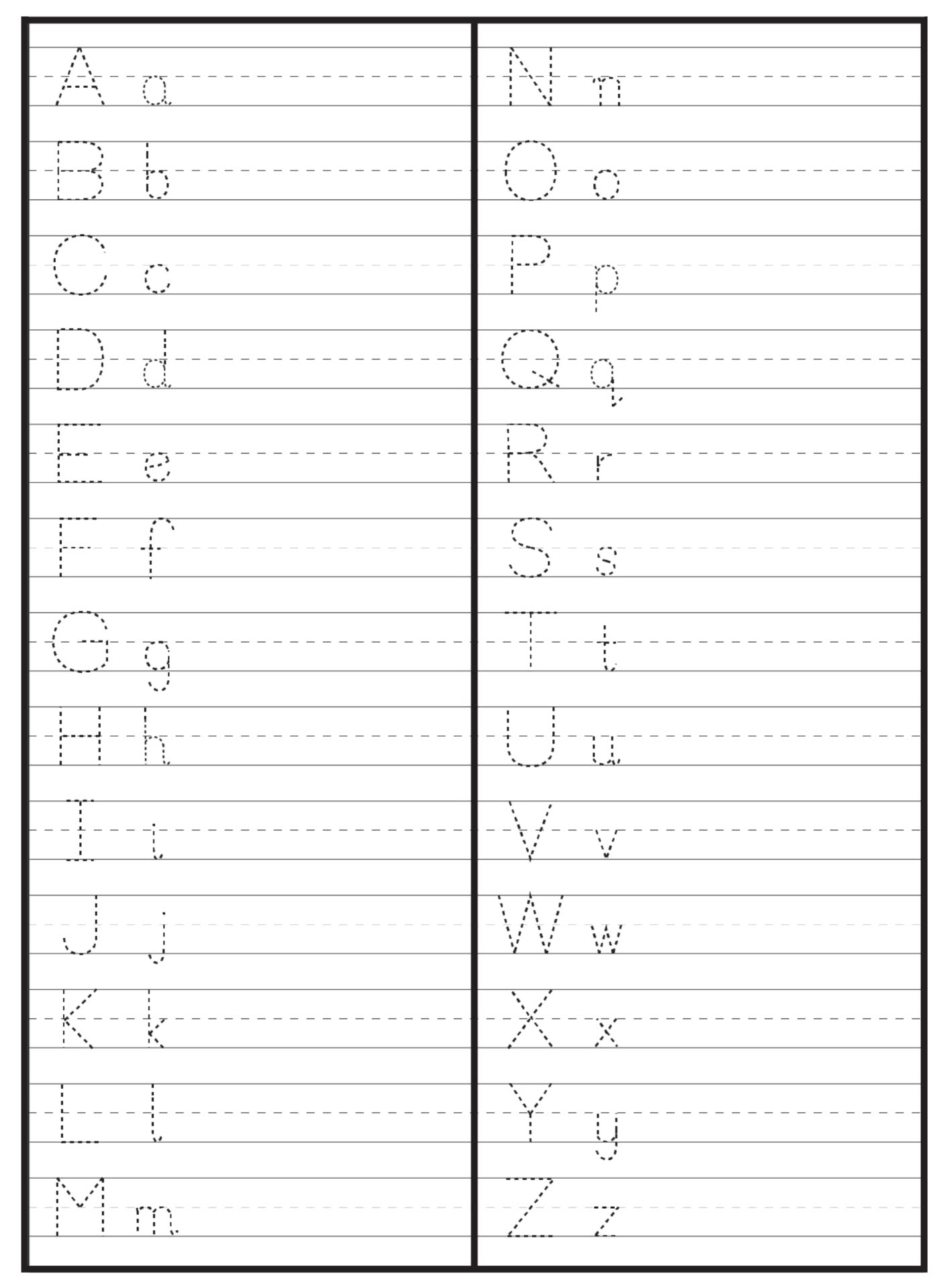
Understanding the Importance of Alphabet Practice
When children learn the alphabet, they gain essential skills that will support their reading and writing development. Mastery of letter recognition is crucial for phonemic awareness, which is the ability to hear and manipulate sounds in words. Engaging them in independent practice through worksheets allows students to work at their own pace, providing an excellent opportunity for reinforcement outside of direct instruction.
The Full Alphabet Worksheet Independent Practice is particularly beneficial for preschool and kindergarten students, typically aged 4 to 6. However, it can also serve as a resource for older students who may need additional support in mastering the alphabet.
How to Download and Prepare the Worksheet
Before using the Full Alphabet Worksheet Independent Practice, you’ll want to download and print it for your classroom or home setting. Here’s a simple approach to get started:
- Choose the Right Format: Ensure you download the worksheet in PDF format, as this maintains the integrity of the layout when printed.
- Select Paper Size: Most worksheets are designed for standard letter size (8.5 x 11 inches), which works well with most home and classroom printers.
- Print Settings: Print on regular printer paper for everyday use. If you plan to laminate the sheets for durability, consider using cardstock, which holds up better over time.
- Laminating Option: If you wish to use the worksheets multiple times, laminating them allows for dry-erase marker use, making them reusable.
- Organize Materials: Gather crayons, markers, or dry-erase markers for interactive use. This adds an element of fun while reinforcing learning.
Effective Ways to Use the Worksheets in Class or at Home
Once you have the worksheets ready, it’s time to integrate them into your teaching routine. Here are a few practical strategies:
Structured Independent Practice
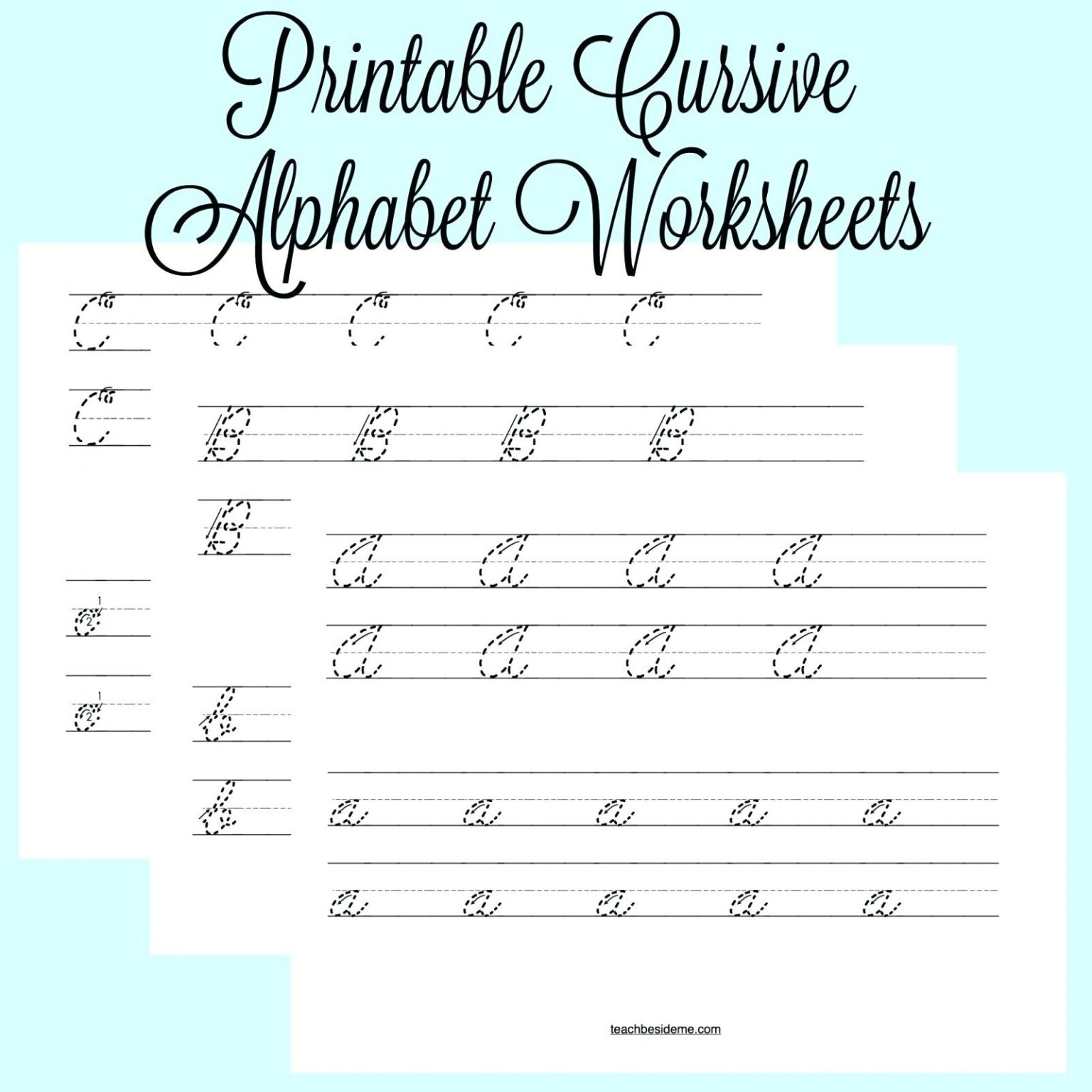
- Daily Practice Sessions: Set aside time each day for students to complete a portion of the worksheet. This regularity helps solidify their understanding of the alphabet.
- Focus on One Letter at a Time: Instead of overwhelming students with the entire alphabet, concentrate on one letter daily. Use the worksheet for tracing and identifying that letter, followed by activities that incorporate words beginning with that letter.
Interactive Learning Activities
- Letter Hunts: After completing a section of the worksheet, conduct a letter hunt around the classroom or home. Ask students to find items that start with the letter they just practiced.
- Create a Letter Book: Have students compile their completed worksheets into a personalized alphabet book. This not only reinforces their learning but also gives them a proud keepsake.
- Incorporate Technology: If you have access to tablets or computers, complement the worksheet practice with educational apps that focus on letter recognition and writing skills.
Monitoring Progress and Providing Feedback
Feedback is essential in the learning process. After students complete the Full Alphabet Worksheet Independent Practice, consider these steps for effective monitoring:
- Review Completed Work: Check for accuracy in letter formation and recognition. Provide positive reinforcement for correct answers and gentle guidance for mistakes.
- Conduct One-on-One Sessions: Spend a few minutes with each student to discuss their completed worksheets. This personal touch can help identify areas where they may need additional support.
- Adjust Learning Plans: If you notice that certain letters are consistently challenging for students, consider adjusting your lesson plans to provide more focused instruction on those letters.
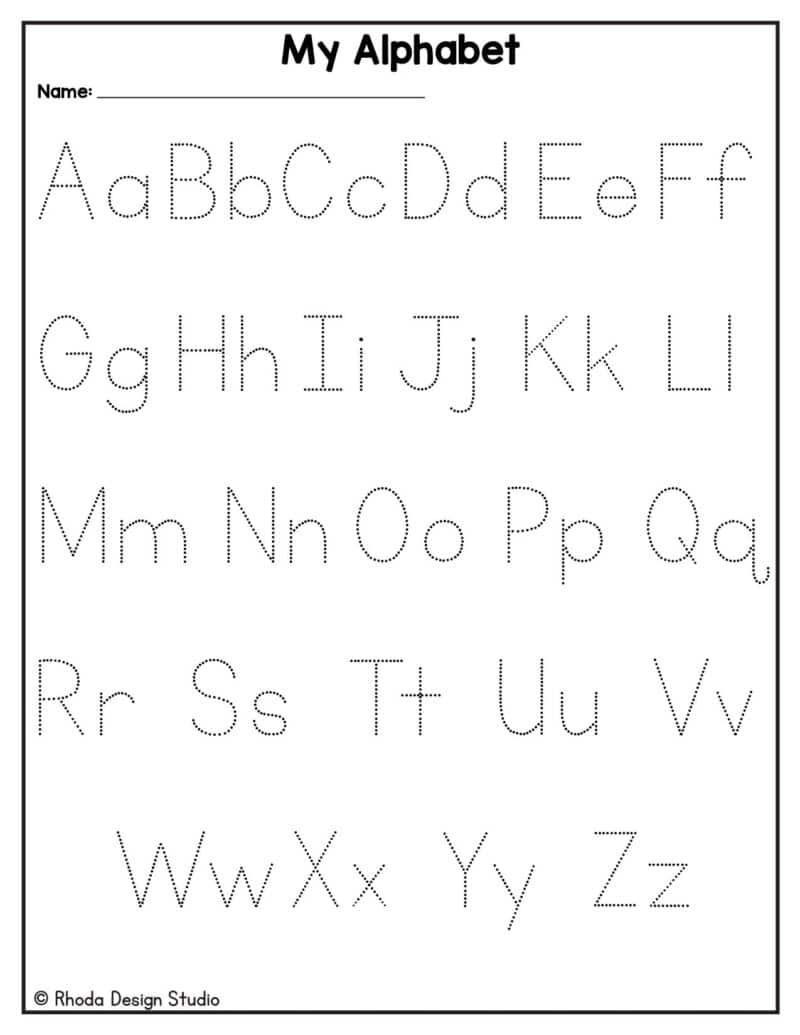
Additional Resources for Alphabet Learning
While the Full Alphabet Worksheet Independent Practice is a valuable tool, complementing it with other resources can enhance learning outcomes. Here are some suggestions:
- Alphabet Songs: Incorporate songs that focus on the alphabet to make learning more engaging and memorable.
- Flashcards: Use flashcards for quick recognition drills, helping reinforce letter sounds and shapes.
- Storybooks: Choose storybooks that emphasize the alphabet, allowing students to see letters in context.
Incorporating a variety of resources helps cater to different learning styles, ensuring that every child has the opportunity to succeed in mastering the alphabet.
The Full Alphabet Worksheet Independent Practice is a practical tool for reinforcing letter skills in young learners. By following these steps and strategies, you can create a supportive and effective learning environment that fosters early literacy development. Remember, the most significant detail is that these worksheets can be tailored to fit the unique needs of your students, making their learning experience both enjoyable and impactful.