
As the sun rises over a busy classroom, a young student named Mia sits at her desk, looking curiously at the colorful sheets in front of her. Today, her teacher has introduced a new set of free worksheets to practice the alphabet. These resources are designed to reinforce letter recognition and phonemic awareness in a way that feels engaging and accessible. For many educators and parents, incorporating worksheets into learning routines can significantly enhance a child’s literacy skills.
The Importance of Practicing the Alphabet
Practicing the alphabet is foundational for early literacy development. Children learn to recognize letters, understand their sounds, and begin to form the building blocks of reading and writing. Worksheets that focus on the alphabet can serve as a structured yet flexible tool for both teachers and parents. They can be used in classrooms, at home, or in homeschooling settings to ensure that children have ample opportunities to practice.
Worksheets can be particularly effective for independent practice. They offer a chance for students to work at their own pace, allowing you to step back while they engage with the material. This can be especially useful in a busy classroom, where individual attention may be limited.
Types of Worksheets Available
When searching for free worksheets to practice the alphabet, you’ll find a variety of formats and activities that cater to different learning styles. Here are some popular types:
- Coloring Pages: These worksheets combine creativity with learning. Children can color pictures that correspond with each letter, helping them associate sounds with visual elements.
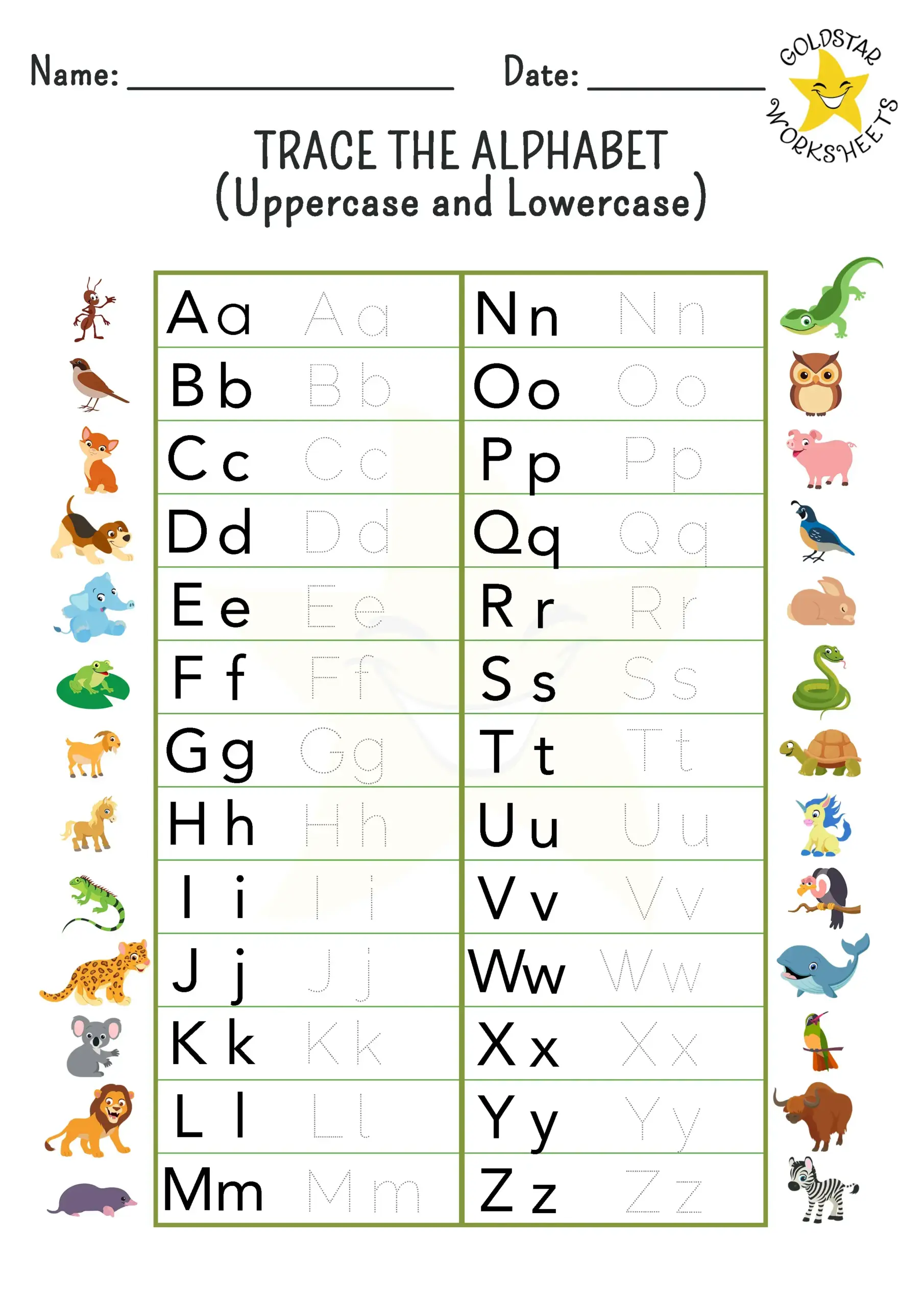
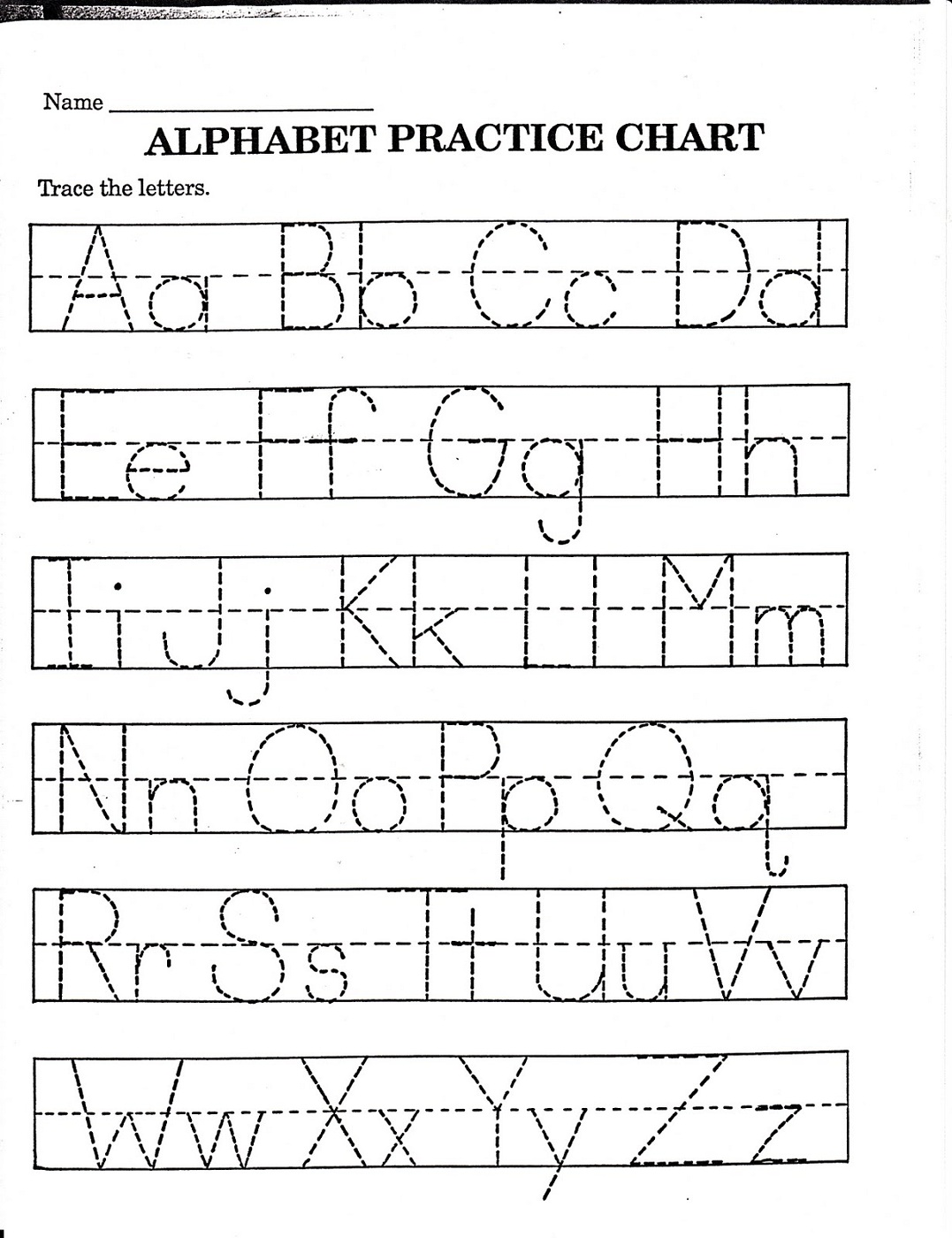
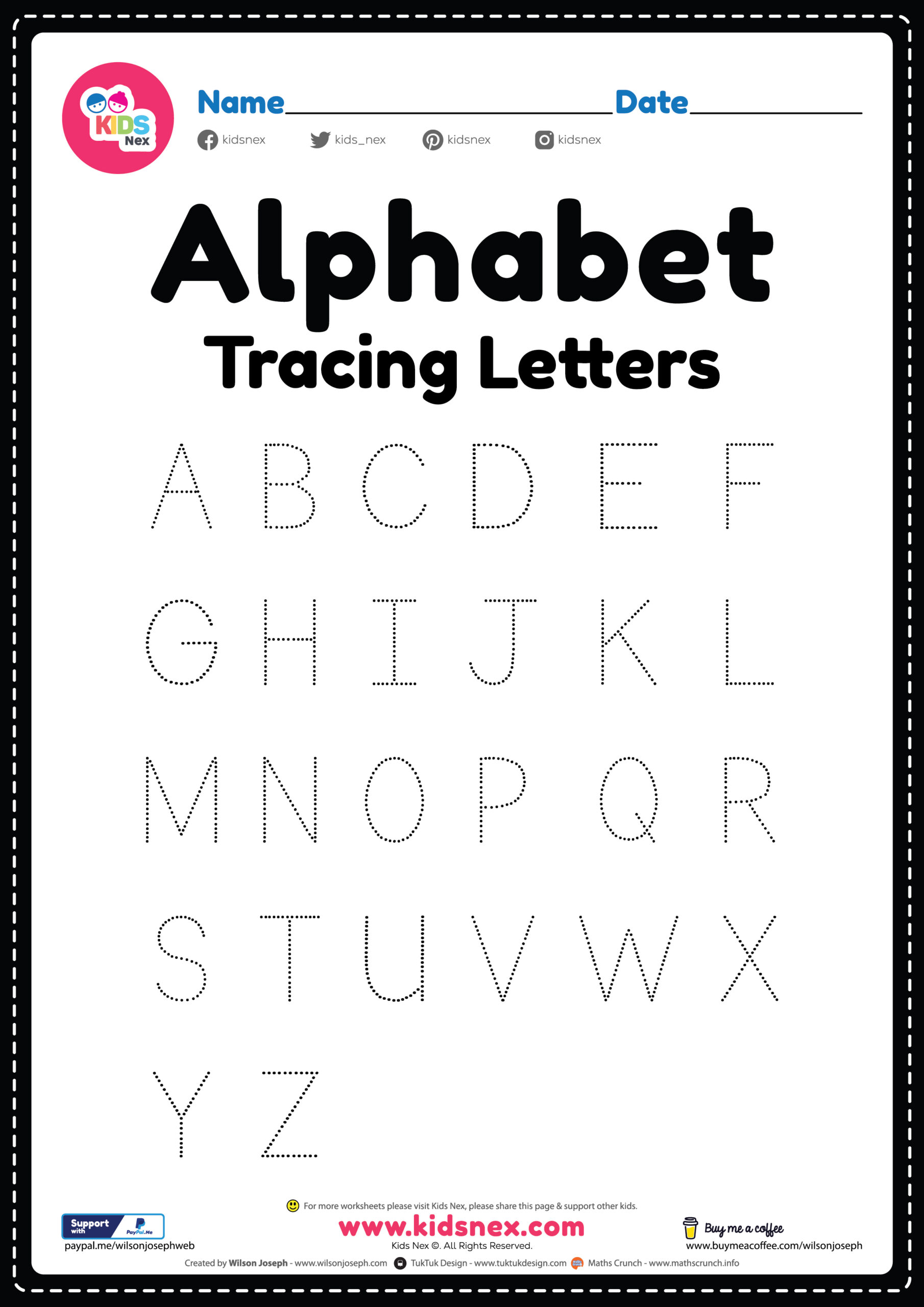
- Tracing Worksheets: These focus on fine motor skills by allowing children to trace letters, reinforcing their shape and form. Tracing is excellent for developing writing skills early on.
- Matching Activities: Worksheets that involve matching letters to pictures or corresponding sounds can help solidify phonemic awareness and letter recognition.
- Fill-in-the-Blank: These worksheets encourage students to fill in missing letters in words, promoting spelling and vocabulary development.
- Games and Puzzles: Incorporating fun elements like crosswords or word searches can make learning more engaging and less monotonous.
How to Use Worksheets Effectively
To make the most of free worksheets to practice the alphabet, consider these practical tips for implementation:
Set Clear Objectives
Before introducing a worksheet, clarify what you want your students to achieve. Are they focusing on letter recognition, sound association, or writing skills? Tailoring your approach will help you choose the right materials.
Create a Routine
Establish a regular schedule for practicing the alphabet. Whether it’s a few minutes each day or a dedicated time once a week, consistency is key. This helps reinforce learning and creates a sense of structure for children.
Encourage Independent Work
Design worksheets with clear instructions that children can follow without needing constant guidance. Use simple language and visuals to help them understand what is expected. This independence not only builds confidence but also reinforces their learning.
Include Variety
To keep students engaged, rotate the types of worksheets you use. Mixing coloring pages, tracing, and matching activities can prevent boredom and cater to different learning styles.
Assess Progress
Use the worksheets as a tool for assessment. Review completed worksheets to identify areas where a child may need more support. This feedback can guide your instruction and help tailor future lessons.
Where to Find Free Worksheets
There are numerous resources online where you can find free worksheets to practice the alphabet. Here are a few reliable options:
- Educational Websites: Many educational platforms offer free downloadable worksheets. Websites like Teachers Pay Teachers, Education.com, and Super Teacher Worksheets often have free sections where you can find quality resources.
- Printable Resource Sites: Websites specifically dedicated to printable educational materials often have sections for early literacy. You can find a diverse range of options, from simple letter tracing to more complex activities.
- Community Resources: Local libraries and community centers sometimes provide free printables for educational purposes. It’s worth checking in with them for additional resources.
Tips for Printing and Using Worksheets
When preparing to print your worksheets, consider the following:
- Paper Type: Using cardstock instead of regular printer paper can make the worksheets more durable, especially if they are going to be reused or laminated for repeated practice.
- Print Settings: If your printer allows, set it to “best quality” for clearer printing. Portrait layout works best for most worksheets, ensuring they fit neatly on standard 8.5 x 11-inch paper.
- Lamination: For worksheets that can be reused, consider laminating them. This not only increases durability but also allows you to use dry-erase markers for tracing and writing.
Engaging Students With Interactive Elements
To make practicing the alphabet even more enjoyable, consider adding interactive elements:
- Use Manipulatives: Pair worksheets with physical objects like alphabet blocks or magnetic letters. This tactile experience can enhance learning.
- Incorporate Technology: If you have access to tablets or computers, there are various educational apps that complement alphabet learning with interactive games and activities.
- Group Activities: Encourage students to work in pairs or small groups with worksheets. This promotes collaboration and can lead to discussions about the letters and sounds.
By providing engaging, well-structured worksheets and incorporating a variety of teaching methods, you can create a rich learning environment that fosters a love for reading and writing. The journey of learning the alphabet can be fun and rewarding for both students and educators alike.