
When teaching young children, clear and engaging resources are essential. Free Worksheets On Writing All Alphabet provide a practical way for kids to learn and practice their letters. These worksheets are designed for preschool and early elementary students, typically ages 4 to 7, making them ideal for both classroom settings and homeschooling environments.
Understanding the Structure of Alphabet Worksheets
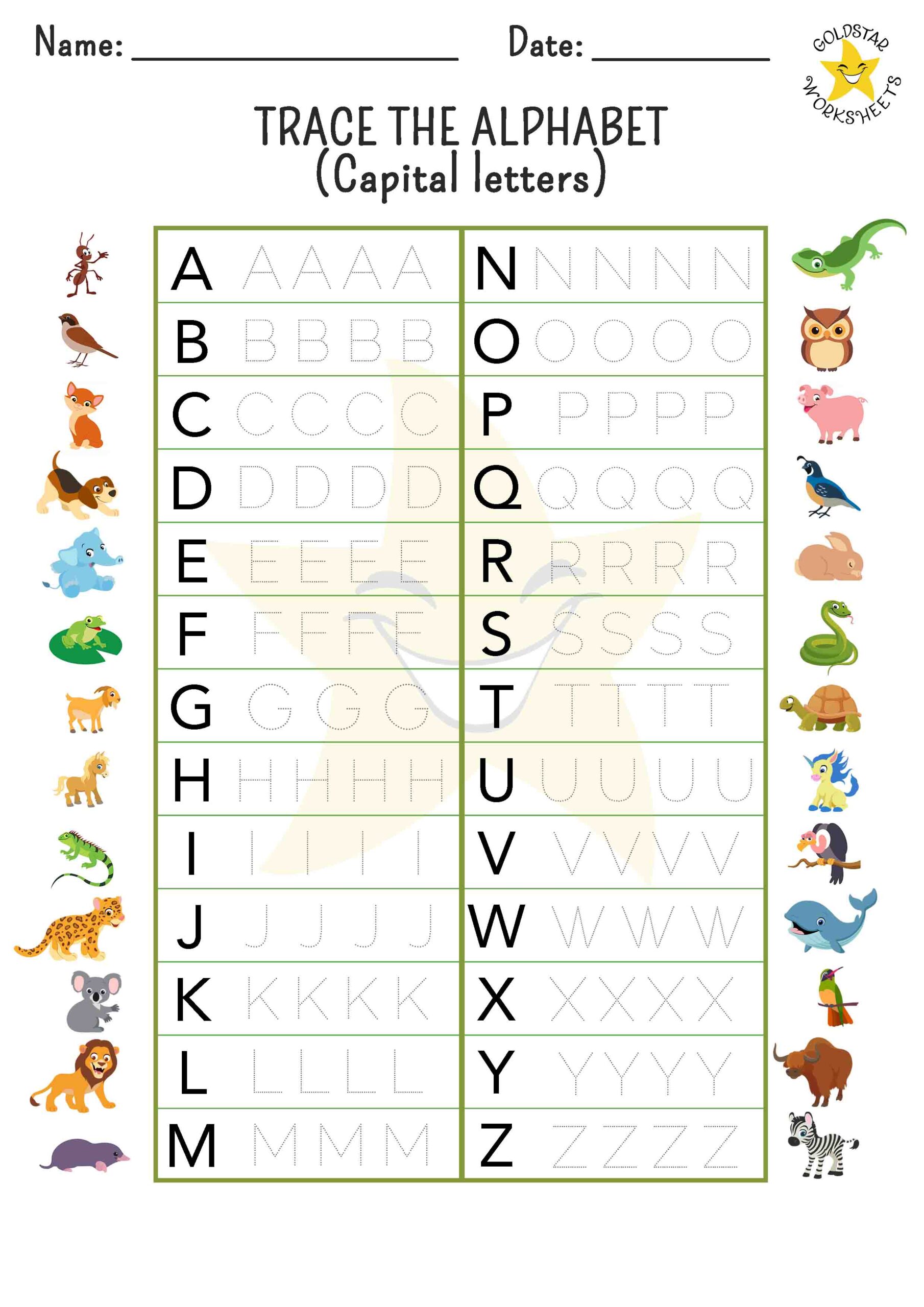
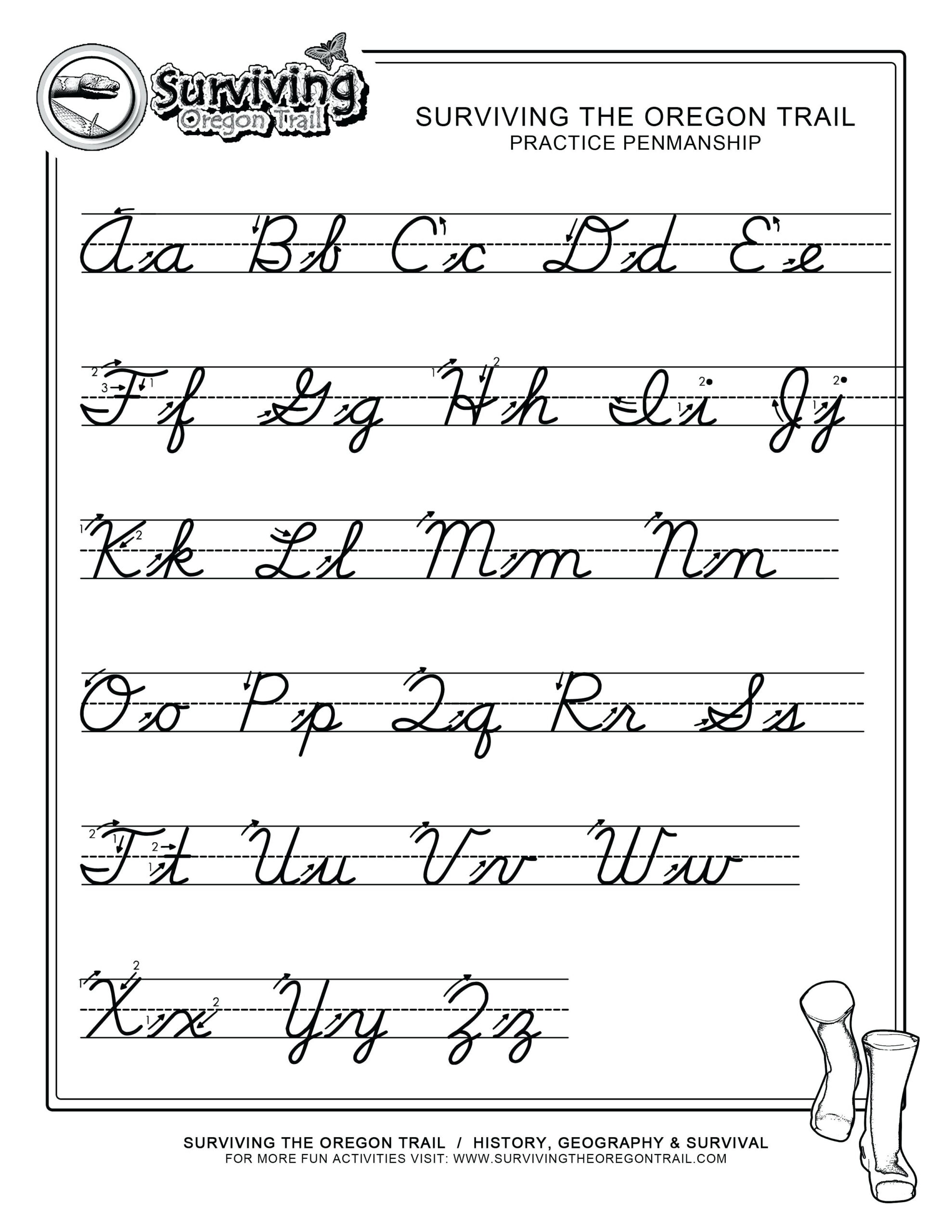
Alphabet worksheets generally include a variety of exercises that focus on different aspects of writing. They often feature:
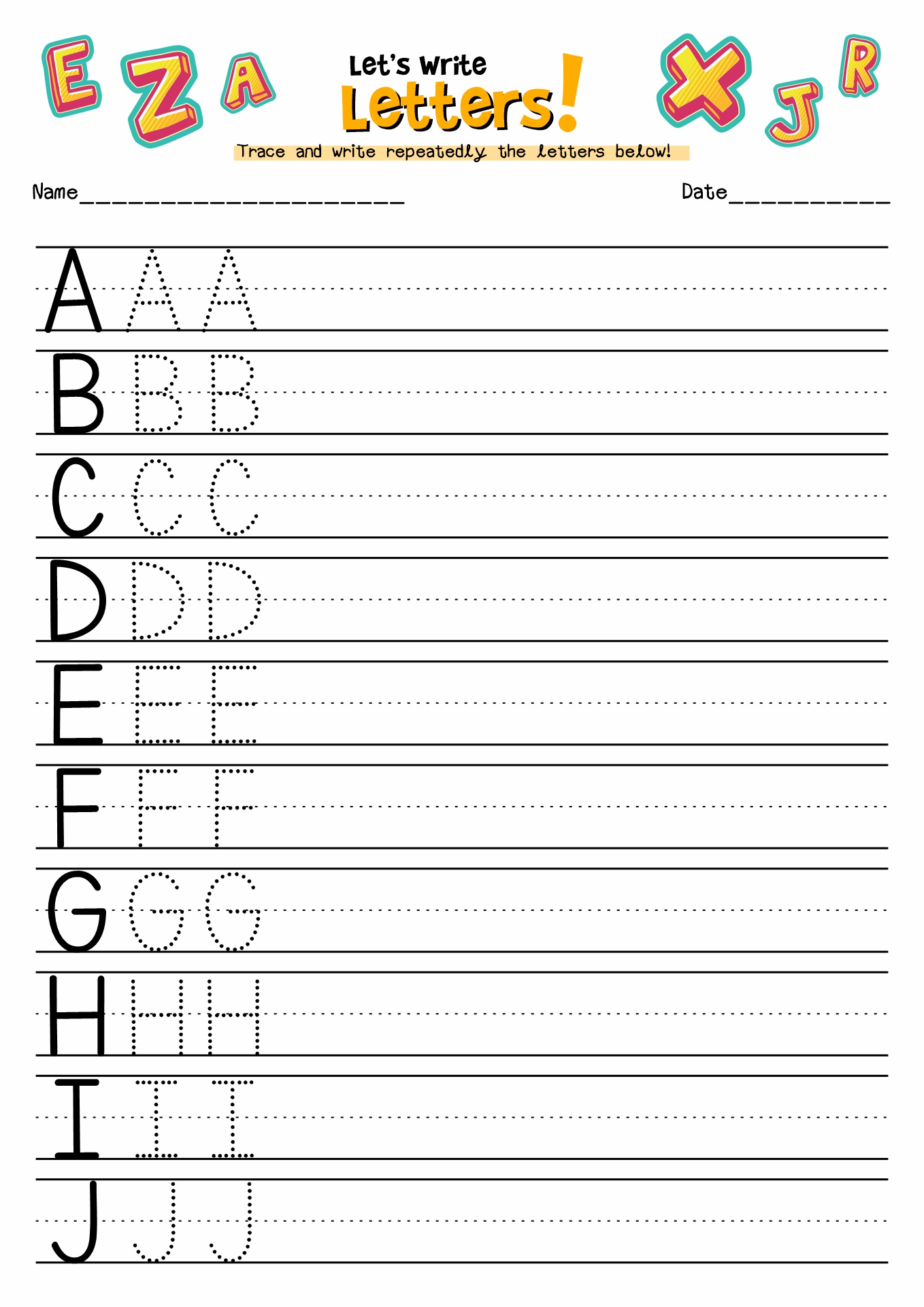
- Letter Tracing: Children trace both uppercase and lowercase letters, helping them develop fine motor skills.
- Letter Recognition: Activities that focus on identifying letters within words or among pictures.
- Sound Association: Exercises linking letters to their corresponding sounds, which aids in phonics development.
These components are crucial because they not only teach children how to write each letter but also help them understand the letters’ sounds and uses.
Downloading Your Free Worksheets
To get started with your Free Worksheets On Writing All Alphabet, follow these straightforward steps:
- Choose Your Worksheets: Visit a trusted resource website that offers free worksheets. You can usually find options categorized by skill level or topic.
- Download the Files: Most sites provide the worksheets in PDF format. This format maintains the layout and is easy to print. Look for a download button, and save the file to your device.
- Check the File Size: Ensure the file is not too large for your printer. PDFs typically range from a few hundred kilobytes to a couple of megabytes.
Remember, printing in portrait layout usually works best for worksheets, as it provides ample space for children to write without feeling cramped.
Printing Tips for Best Results
Once you’ve downloaded your worksheets, printing them effectively is key. Here are some practical tips:
- Paper Choice: Use standard letter-size paper (8.5 x 11 inches) for easy handling. If you plan to laminate the worksheets for durability, consider using cardstock. It holds up better and can withstand repeated use.
- Printer Settings: Most home printers work well with PDF files. Make sure your printer settings are adjusted to print in high quality for clear lines, especially for tracing exercises.
- Test Print: Always do a test print of one worksheet to check margins and clarity before printing multiple copies.
Setting Up for Success in the Classroom or Home
Once your worksheets are printed, think about how to introduce them effectively to your students or children. Here are some steps to ensure a productive experience:
- Create a Designated Workspace: Set up a comfortable area with good lighting and minimal distractions. This helps children focus on their writing.
- Use Pencils or Dry Erase Markers: For tracing worksheets, use pencils or erasable markers to allow for repeated practice. If laminated, dry erase markers are a great option.
- Incorporate Breaks: Writing can be tiring for young learners. Schedule short breaks to keep them engaged and refreshed.
Monitoring Progress and Mastery
As students work through their Free Worksheets On Writing All Alphabet, it’s essential to monitor their progress. Here are some indicators of mastery:
- Consistent Letter Formation: Check if children are forming letters correctly. Look for proper starting points and the correct direction of strokes.
- Speed and Confidence: As they become more familiar with the letters, their speed should increase. Encourage them to write independently when they feel ready.
- Sound Recognition: Ask students to say the sound associated with each letter as they write. This reinforces their understanding of phonics alongside writing skills.
If you notice that a child struggles with specific letters, it may be helpful to provide additional exercises focusing on those letters. Tailoring practice to individual needs ensures that each child can progress at their own pace.
Engaging Activities to Supplement Worksheets
To enhance the learning experience, consider incorporating additional activities alongside the worksheets:
- Alphabet Songs: Singing songs that incorporate the alphabet can reinforce letter sounds and recognition in a fun way.
- Letter Crafts: Create projects where children can use materials to form letters, such as using playdough or cut-out shapes.
- Story Time: Read books that emphasize letters and sounds, allowing children to connect writing with literacy in a broader context.
Encouraging creativity while practicing writing can make learning more enjoyable and effective.