
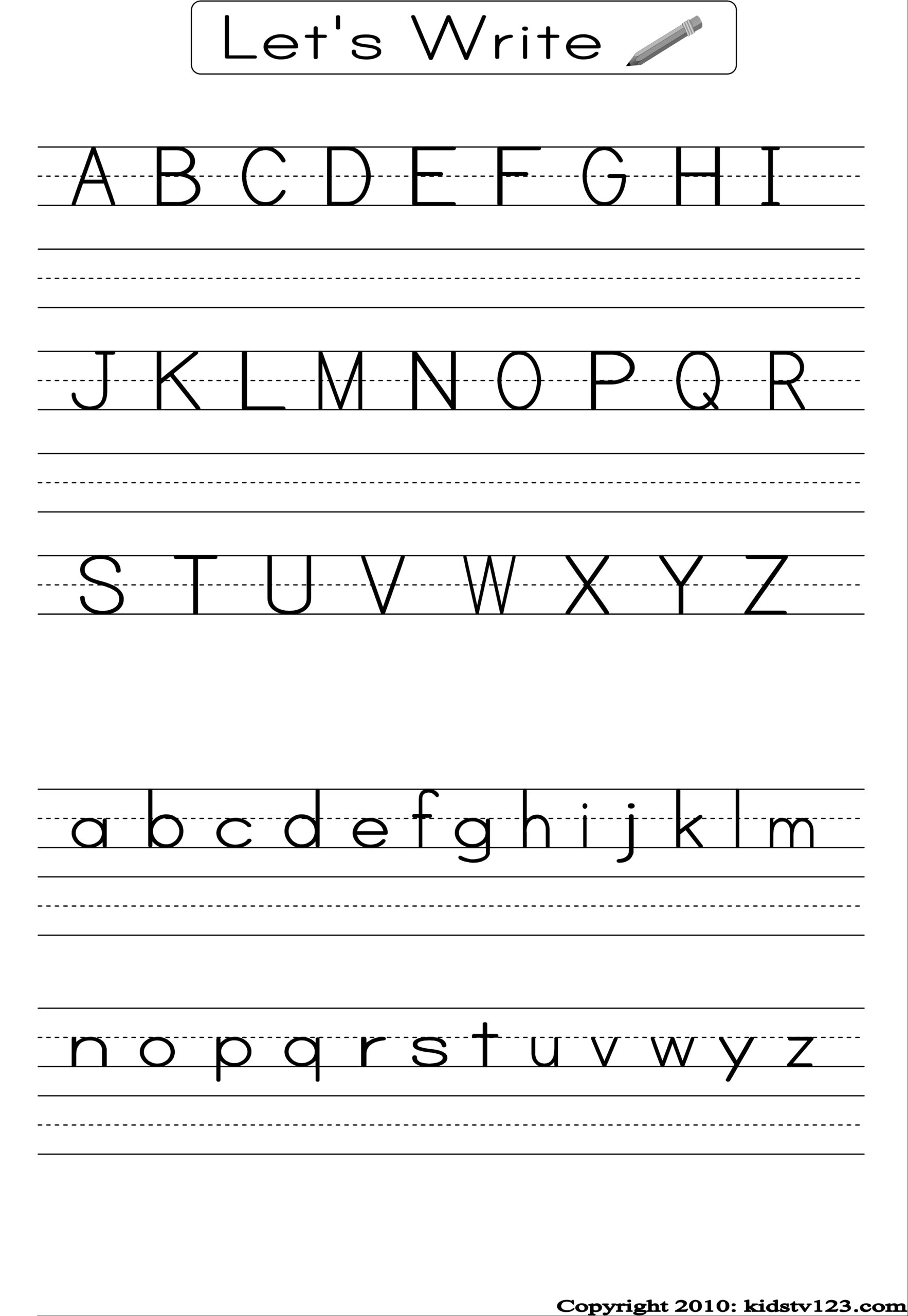
Teaching the alphabet can be a rewarding experience, and using free worksheets for learning alphabet is an effective method to engage students. These worksheets are designed to be visually appealing and educational, making them a valuable resource for teachers, parents, and homeschoolers. They help reinforce letter recognition, phonetics, and handwriting skills in a structured way that young learners can easily grasp.
Understanding the Importance of Alphabet Worksheets
Alphabet worksheets serve as a fundamental tool in early education. They help children recognize letters, understand their sounds, and practice writing them. This foundational knowledge is essential for developing reading and writing skills. The worksheets are tailored for preschool and kindergarten students, typically ages 3-6, making them suitable for various educational settings.
By providing structured activities, you can help children build confidence as they learn. The worksheets often include colorful illustrations and interactive elements, making the learning process enjoyable and engaging. Moreover, they can be easily printed and used in both classroom and home environments.
Key Features of Effective Alphabet Worksheets
When selecting free worksheets for learning alphabet, consider the following features to ensure they meet educational goals:
- Clear Layout: Worksheets should have a clean, uncluttered design. This helps young learners focus on the letters rather than being distracted by excessive visuals.
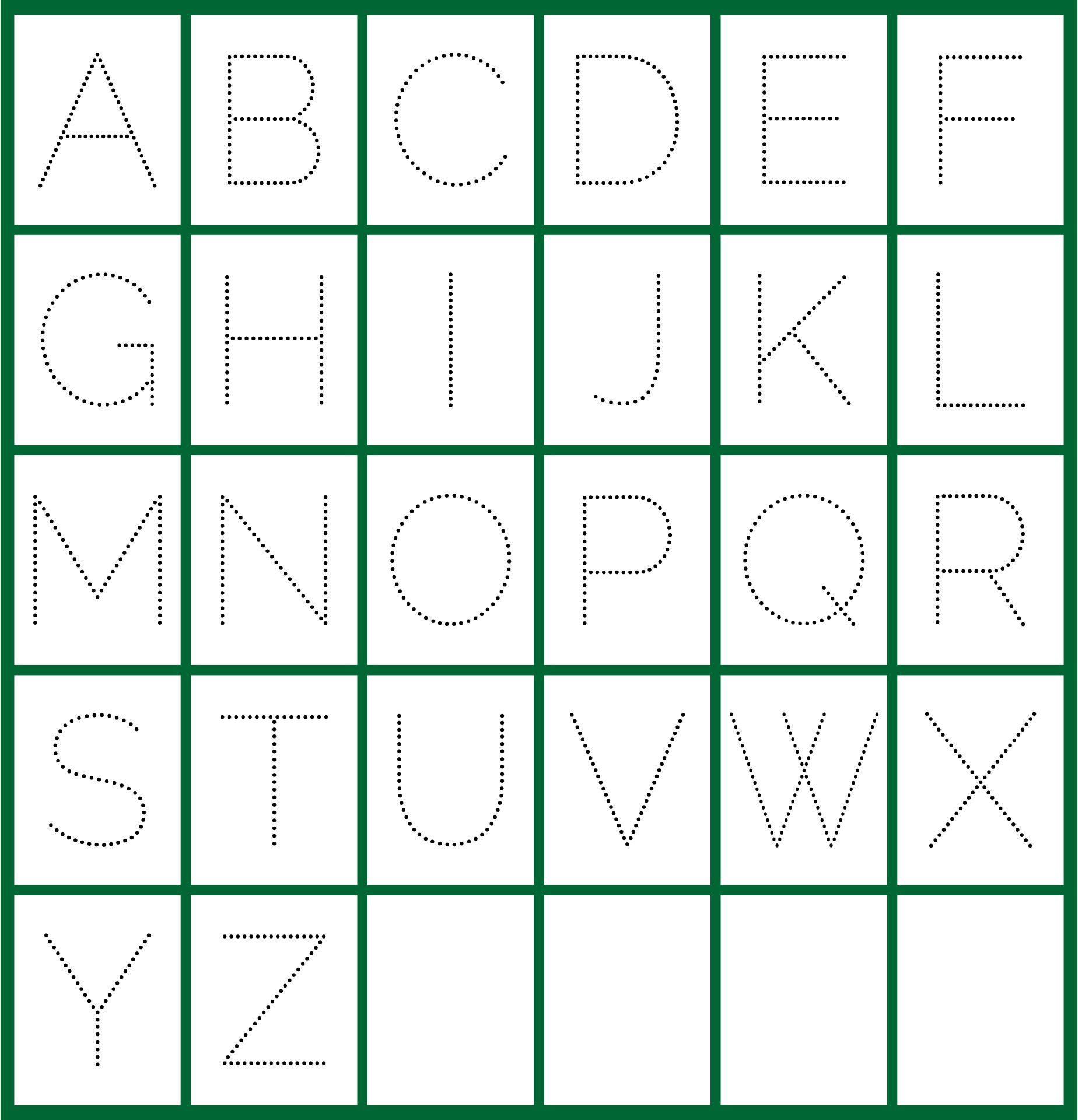
- Variety of Activities: Including different types of exercises—such as tracing, coloring, and matching—keeps students engaged. For example, worksheets can have sections for tracing letters, identifying them in words, or coloring pictures that start with each letter.
- Age-Appropriate Content: Ensure the worksheets are designed for the correct age group. For preschoolers, using large letters and simple tasks is crucial, while kindergarteners can handle slightly more complex activities.
- Reinforcement of Sounds: Worksheets that incorporate phonetic elements help children associate letters with their corresponding sounds. This is vital for reading development.
- Interactive Elements: Including spaces for children to draw or color can make learning more tactile and fun. Interactive worksheets can increase a child’s interest in the alphabet.
Incorporating Alphabet Worksheets Into Your Lessons
Integrating free worksheets for learning alphabet into your lesson plans can be seamless. Here’s how you can effectively use them:
1. Warm-up Activities
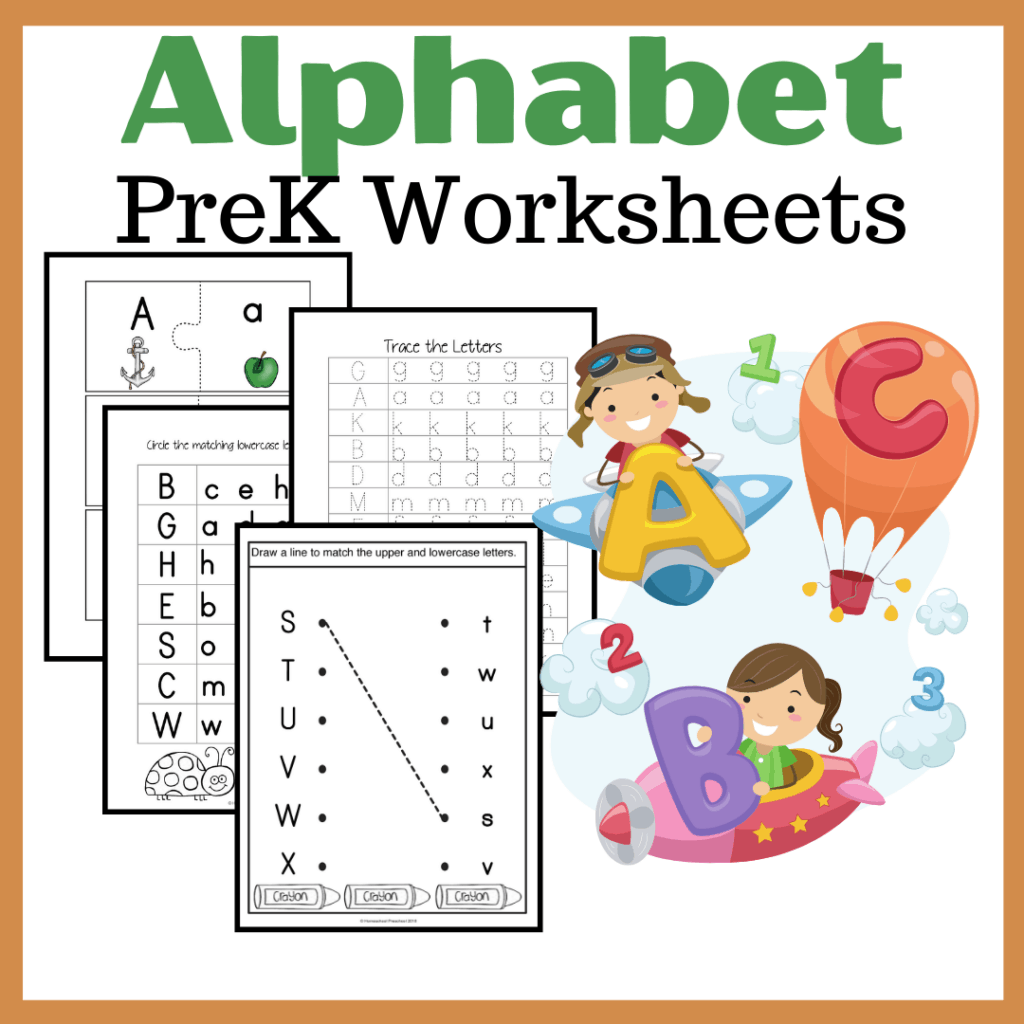
Start your lesson with a brief review of the letters. Use flashcards or a quick game to refresh their memory. After this, distribute the worksheets for a hands-on activity that reinforces what they’ve just learned.
2. Guided Practice
As students work on the worksheets, circulate around the room to provide guidance. Encourage them to say the letter names and sounds aloud as they trace or color. This reinforces auditory learning and helps with retention.
3. Group Activities
Consider pairing students to work on a worksheet together. This encourages collaboration and allows them to learn from each other. You might assign a worksheet that requires them to find and color letters in a word search format.
4. Homework Assignments
Worksheets can also be sent home as homework to reinforce classroom learning. Parents can assist their children with these activities, fostering a connection between home and school learning.
5. Assessment Tool
Use completed worksheets as informal assessments to gauge each child’s understanding of the alphabet. This can help identify students who may need additional support or practice.
Creative Variations to Enhance Learning
To keep the learning experience fresh, consider these creative variations for using alphabet worksheets:
- Thematic Worksheets: Create worksheets based on themes, such as animals or seasons. For instance, a worksheet focusing on the letter “B” could feature pictures of a bear, ball, and butterfly.
- Alphabet Games: Transform worksheets into game-like activities. For example, create a bingo game using letters instead of numbers, where students can mark off letters as they find them in their worksheets.
- Art Integration: Combine art with alphabet learning by having students illustrate a scene that incorporates objects starting with a specific letter. This can be done on a separate sheet, allowing for creativity alongside letter practice.
- Digital Worksheets: If your classroom has access to technology, consider using digital versions of worksheets that allow for interactive learning. Many educational websites offer free printable and interactive alphabet worksheets.
Final Tips for Using Alphabet Worksheets
When using free worksheets for learning alphabet, keep a few practical tips in mind:
- Durability: If you plan to use worksheets multiple times, consider printing them on cardstock for added durability. This is especially useful in classroom settings where resources are shared.
- Print Settings: Ensure your printer settings are optimized for the best quality. Portrait orientation typically works best for worksheets, and using a high-quality print setting can enhance clarity.
- Feedback and Encouragement: Always provide positive feedback as students complete their worksheets. Celebrating small successes helps build their confidence and encourages a love for learning.
By leveraging free worksheets for learning alphabet effectively, you can create a rich, interactive learning experience that fosters early literacy skills in young learners.