
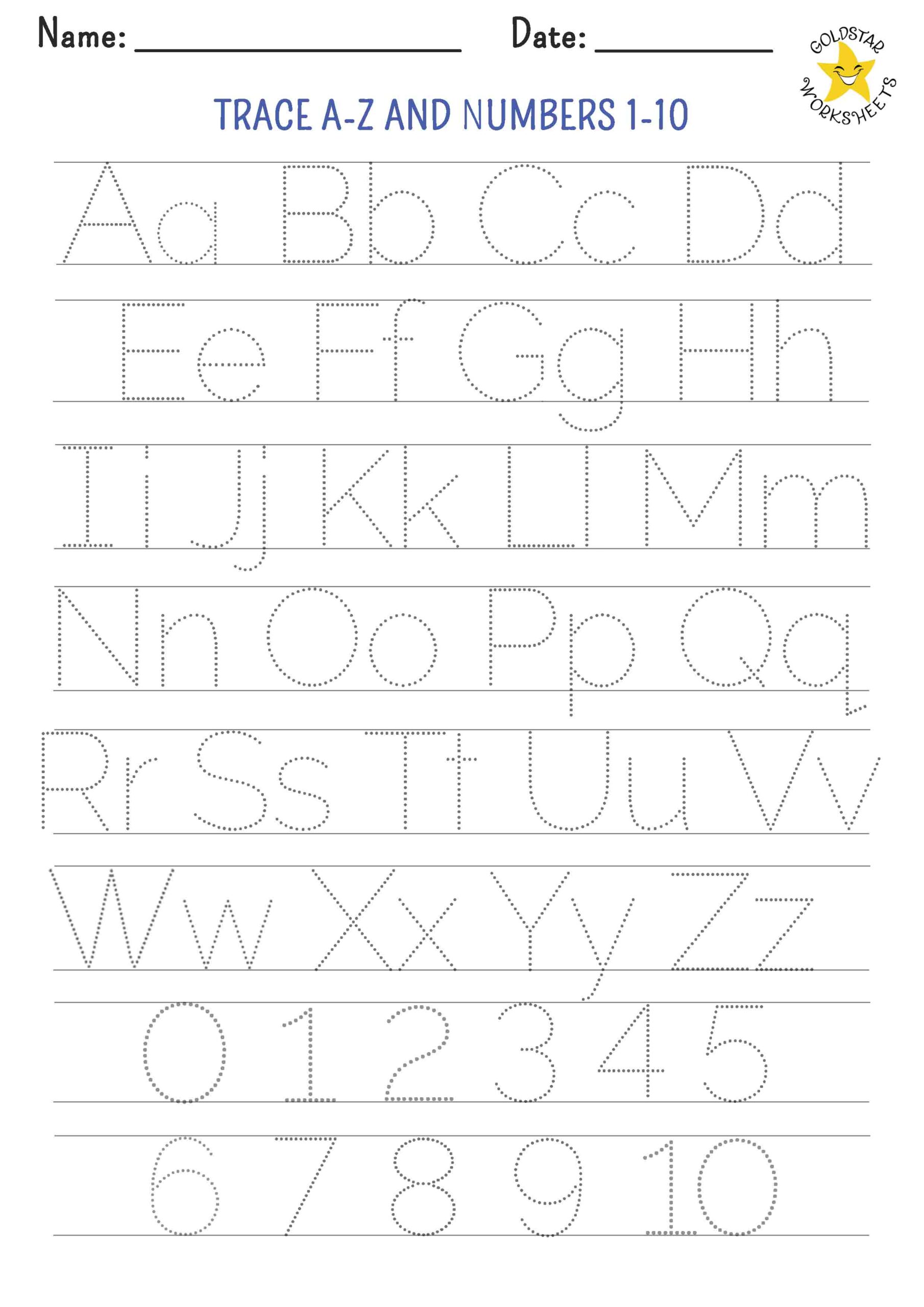
To help young learners develop their writing skills, educators often seek effective resources. One invaluable tool in this journey is the Free Tracing Alphabets And Numbers Worksheets. These worksheets provide a structured way for children to practice their letter and number formation, making the learning experience both fun and educational.
Understanding the Importance of Tracing Worksheets
Tracing worksheets are essential for preschool and early elementary students, typically aged 3 to 7. They serve as a bridge between recognition and writing, allowing children to build muscle memory. This is particularly crucial because proper letter and number formation lays the foundation for later writing skills. When children trace letters and numbers, they not only learn how to write but also enhance their hand-eye coordination.
Using Free Tracing Alphabets And Numbers Worksheets regularly helps reinforce learning. Each stroke reinforces the shapes of letters and numbers, making it easier for kids to recall and reproduce them independently later. The repetitive nature of tracing also aids in developing fine motor skills, which are necessary for writing.
How to Use the Worksheets Effectively
Step 1: Choose Your Worksheets
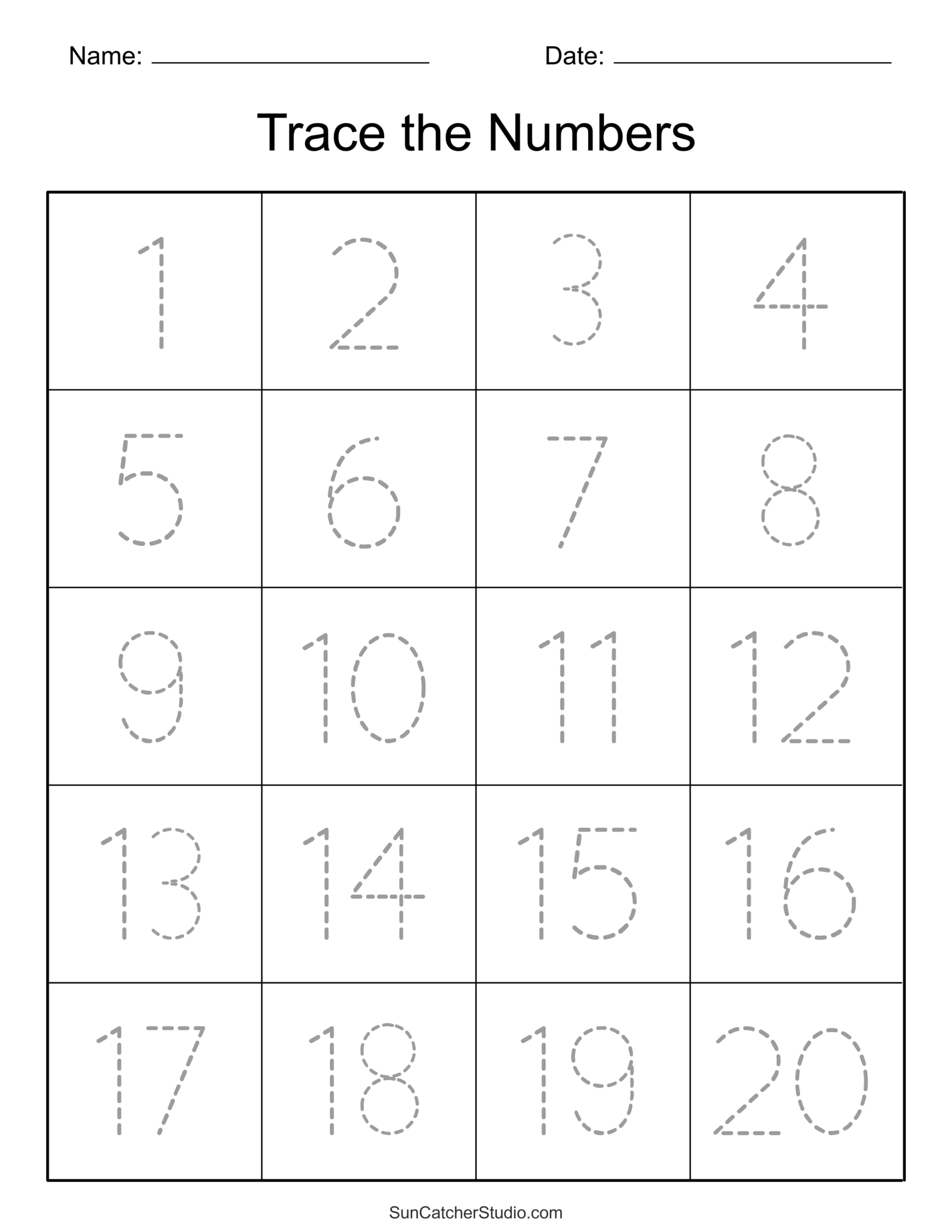
Begin by selecting appropriate worksheets that cater to your students’ needs. You can find a variety of Free Tracing Alphabets And Numbers Worksheets online, featuring different styles and formats. Look for worksheets that include both uppercase and lowercase letters, as well as numbers from 0 to 9. This variety ensures a comprehensive learning experience.
Step 2: Download and Print
Once you’ve chosen the worksheets, download them in PDF format. PDFs are ideal because they maintain formatting across different devices. When printing, use standard letter size (8.5 x 11 inches) for easy handling. Adjust your printer settings to ensure that the worksheets print clearly, with bold lines for tracing. If possible, print on cardstock; it holds up better to repeated use and can withstand erasing.
Step 3: Set Up a Tracing Station
Create a dedicated space for tracing activities. This could be a quiet corner in the classroom or a cozy spot at home. Equip the area with essential supplies: pencils, erasers, and crayons. Having a comfortable setup encourages kids to engage with the worksheets more willingly.
Step 4: Introduce the Activity
Before handing out the worksheets, explain the activity. Show students how to hold their writing instruments correctly. Demonstrate tracing on a sample worksheet. This initial guidance is crucial, especially for younger learners who may be new to writing.
Step 5: Practice Regularly
Incorporate tracing into your daily routine. Consistency is key; aim for short, focused sessions of about 10 to 15 minutes. This duration keeps children engaged without overwhelming them. Spread the tracing practice throughout the week to reinforce learning. For example, focus on alphabets one day and numbers the next. This spaced repetition helps integrate their learning more effectively.
Step 6: Review and Encourage
After students complete their worksheets, review their work together. Celebrate their progress, no matter how small. Providing positive feedback builds confidence and encourages them to continue practicing. If they struggle with certain letters or numbers, take note and dedicate extra time to those areas in future sessions.
Making Learning Fun With Variety
To keep students motivated, consider incorporating different activities alongside the tracing worksheets. Here are a few ideas:
- Coloring Pages: Use alphabet and number-themed coloring pages. This adds a creative element, allowing kids to express themselves while reinforcing their learning.
- Hands-On Activities: Engage students with tactile learning. Use playdough to form letters and numbers, or create sand trays for tracing with fingers.
- Games: Introduce letter and number games that require students to find and trace letters in their environment. This connects classroom learning to real-world experiences.
Tracking Progress With Worksheets
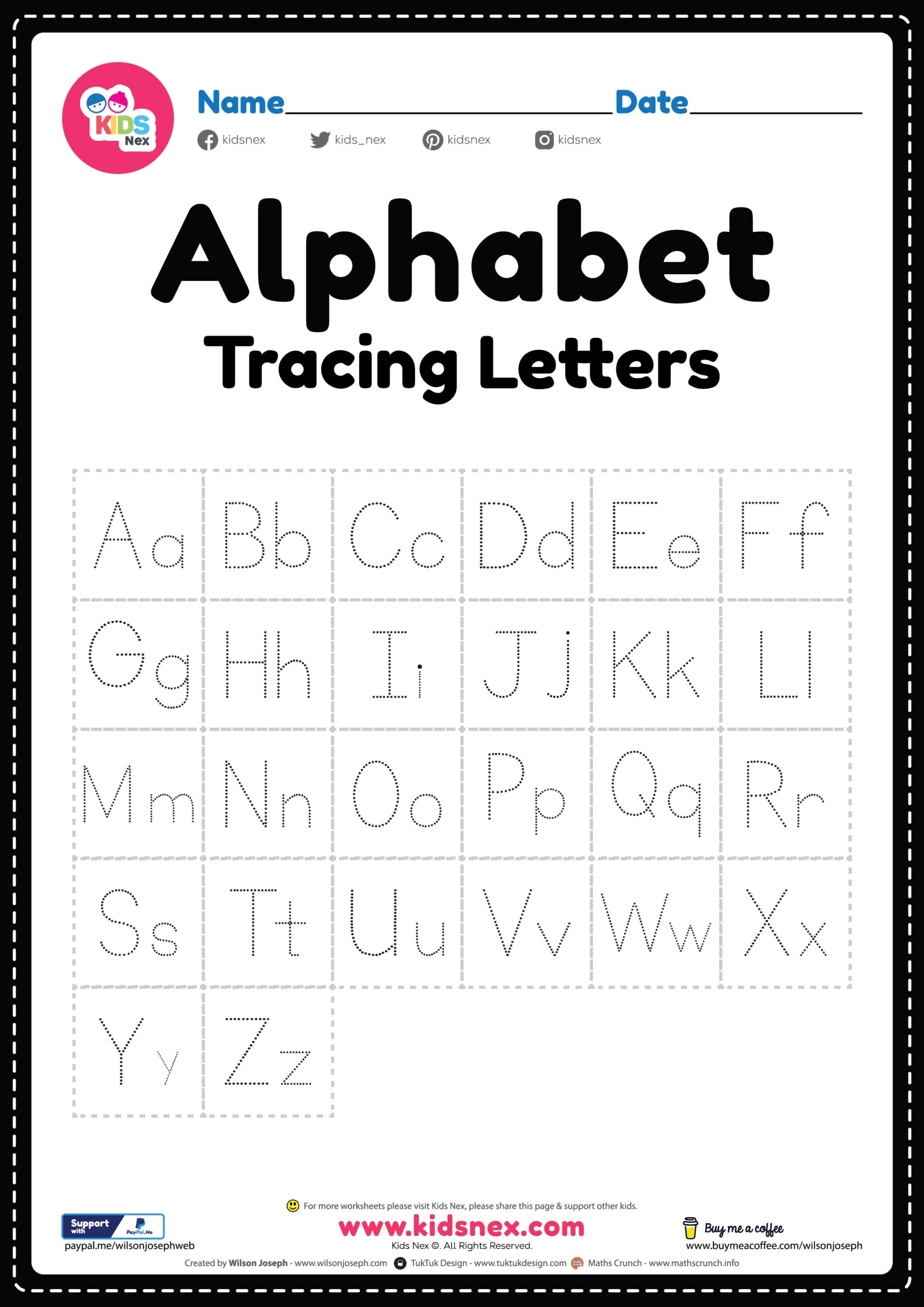
Monitoring progress is essential in education. Keep a portfolio of the worksheets students complete over time. This visual representation not only showcases their improvement but also serves as a motivational tool. You can also create a simple checklist to track which letters and numbers each student has mastered. This method allows you to tailor future lessons to their needs.