
Teaching cursive writing can be an enriching experience for both teachers and students. If you’re looking for effective resources, Free Traceable Cursive Alphabet Worksheets can simplify the process. These worksheets allow young learners to practice their cursive handwriting in a structured and engaging manner. Let’s explore how to effectively implement these resources in your classroom or homeschool environment.
Understanding the Importance of Cursive Writing
Cursive writing is not just about penmanship; it plays a crucial role in developing fine motor skills and cognitive functions. As children learn to connect letters smoothly, they improve their hand-eye coordination and enhance their ability to express thoughts fluidly. Research has shown that writing by hand can boost memory retention and comprehension, making cursive writing a valuable skill for young learners.
How to Use Free Traceable Cursive Alphabet Worksheets
Setting Up the Materials
Before diving into the worksheets, gather your materials. You’ll need:
- A printer (preferably inkjet for clarity)
- Standard 8.5 x 11-inch paper or cardstock for durability
- Pencils or erasable pens for practice
- Optional: Laminating sheets for repeated use
Once you have your materials, download and print the Free Traceable Cursive Alphabet Worksheets. Make sure to print a few extra copies, especially if you’re working with a full classroom.
Introducing the Worksheets
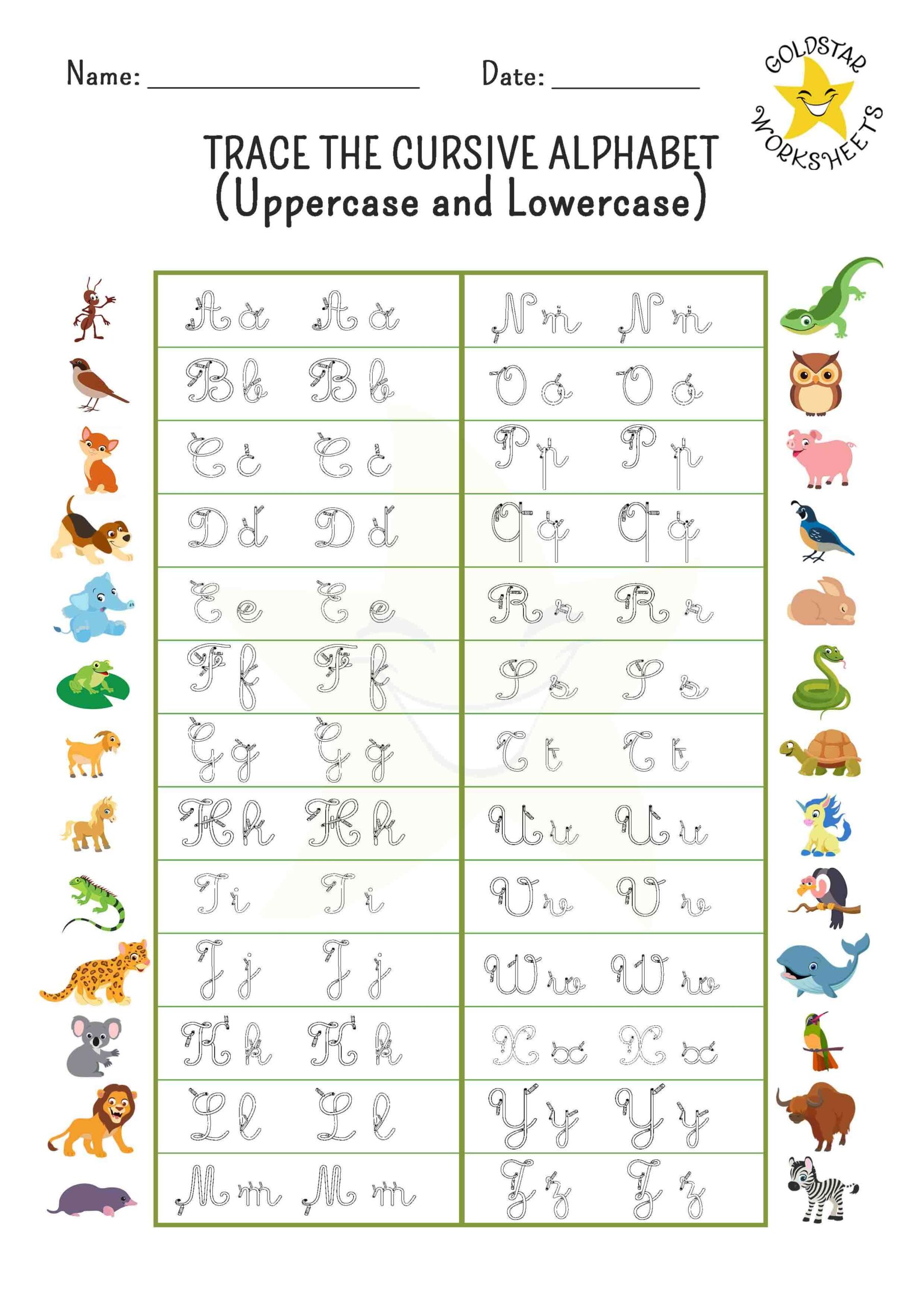
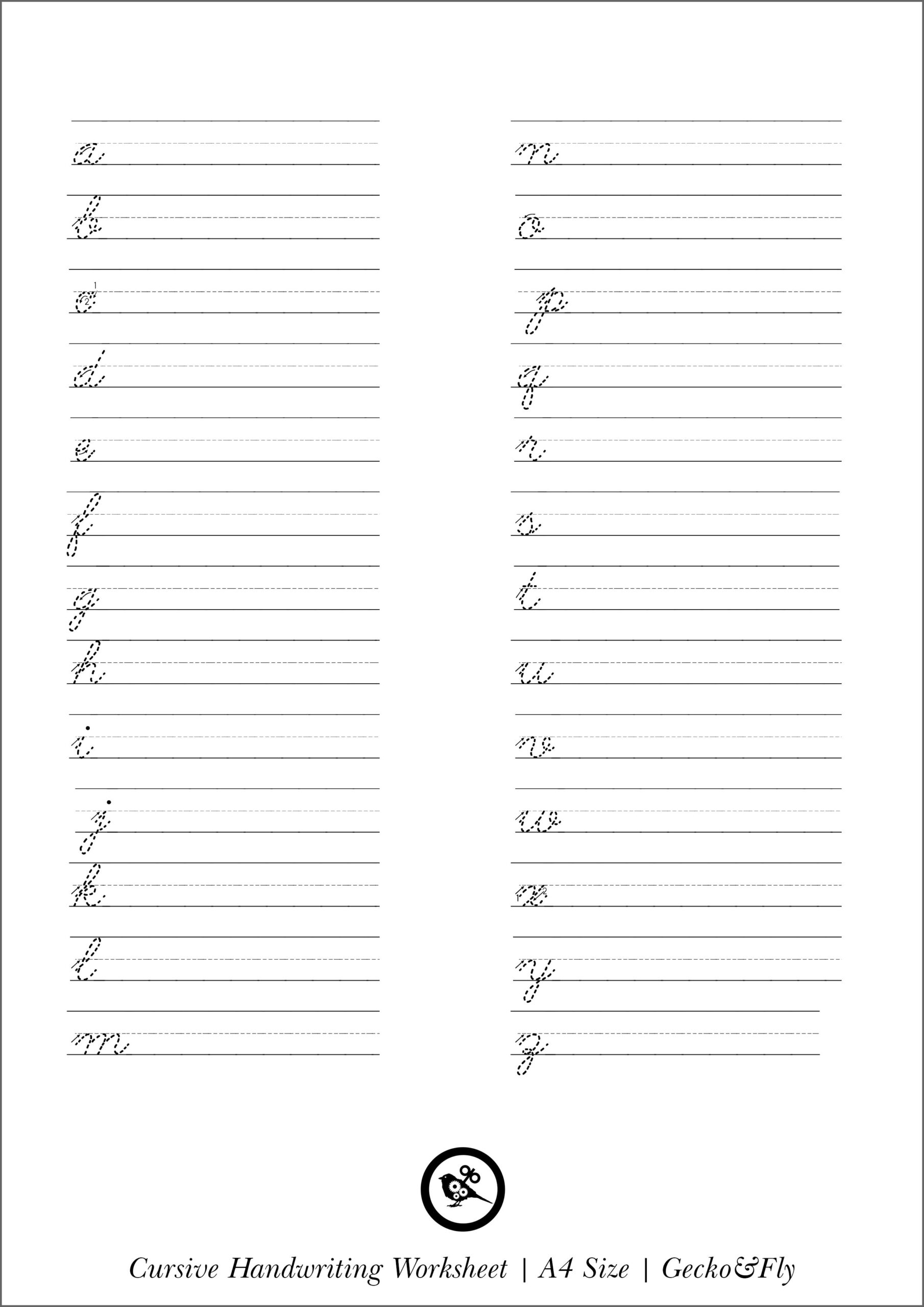
Start by introducing the concept of cursive writing to your students. Explain how cursive letters are connected and why this style of writing can be beneficial. Then, present the worksheets. Each worksheet typically features the cursive letter in a large format, followed by traceable versions for students to practice.
Encourage students to trace the letters slowly, focusing on the movements required to connect each letter properly. This method helps them develop muscle memory, which is essential for mastering cursive writing.
Incorporating Different Activities
To keep the practice engaging, consider incorporating various activities using the worksheets. Here are a few ideas:
- Group Tracing: Have students work in pairs or small groups to trace letters together. This collaborative approach can foster a supportive learning environment.
- Art Integration: After tracing, students can decorate their letters with colors or drawings that start with that letter. For example, they could draw an apple next to the letter “A.”
- Daily Practice: Incorporate the worksheets into your daily routine. Set aside time each day for students to practice one letter or a few letters at a time. Consistency will reinforce their learning.
Adapting the Worksheets for Different Learning Levels
Not all students learn at the same pace. It’s essential to adapt your approach based on individual needs. Here’s how you can adjust the worksheets:
For Beginners
If you’re working with younger children or those new to cursive, focus on the basic letters first. Start with lowercase letters, as they are generally easier to learn. Use the worksheets to guide them through each letter, emphasizing the importance of starting and ending points.
For Advanced Learners
For students who are more comfortable with cursive writing, challenge them to write simple words or even short sentences using the traced letters. You could also introduce cursive capital letters and have them practice by writing their names or familiar words.
Managing Grading and Feedback
As with any educational resource, providing feedback is crucial. Use a simple grading rubric to assess the students’ progress on their cursive writing. Here are a few criteria you might consider:
- Letter Formation: Are the letters formed correctly?
- Spacing: Are the letters spaced appropriately?
- Consistency: Is there a consistent size and slant in their writing?
Providing constructive feedback will help students understand their strengths and areas for improvement. Make sure to celebrate their achievements, no matter how small.
Tips for Effective Use of Cursive Worksheets
To maximize the effectiveness of the Free Traceable Cursive Alphabet Worksheets, consider these practical tips:
- Use Quality Paper: If you plan to laminate the worksheets for repeated use, opt for cardstock. It’s sturdier and will hold up better over time.
- Encourage Daily Writing: Encourage students to write in cursive beyond the worksheets. This can include journaling or writing letters to friends or family.
- Create a Cursive Corner: Designate a space in your classroom for cursive practice. Display examples of cursive writing and encourage students to showcase their work.
By integrating these worksheets thoughtfully into your curriculum, you can foster a love for cursive writing in your students while helping them develop essential skills.