
Learning the alphabet is a fundamental skill for young children. However, finding engaging resources to support this learning can be challenging. That’s where a Free Printout Of Alphabet Letters comes in handy. This resource is designed for teachers and parents who want to provide children with a creative and interactive way to learn their letters. In this guide, we’ll walk through how to effectively use this printout in a classroom or home setting.
Choosing the Right Printout Format
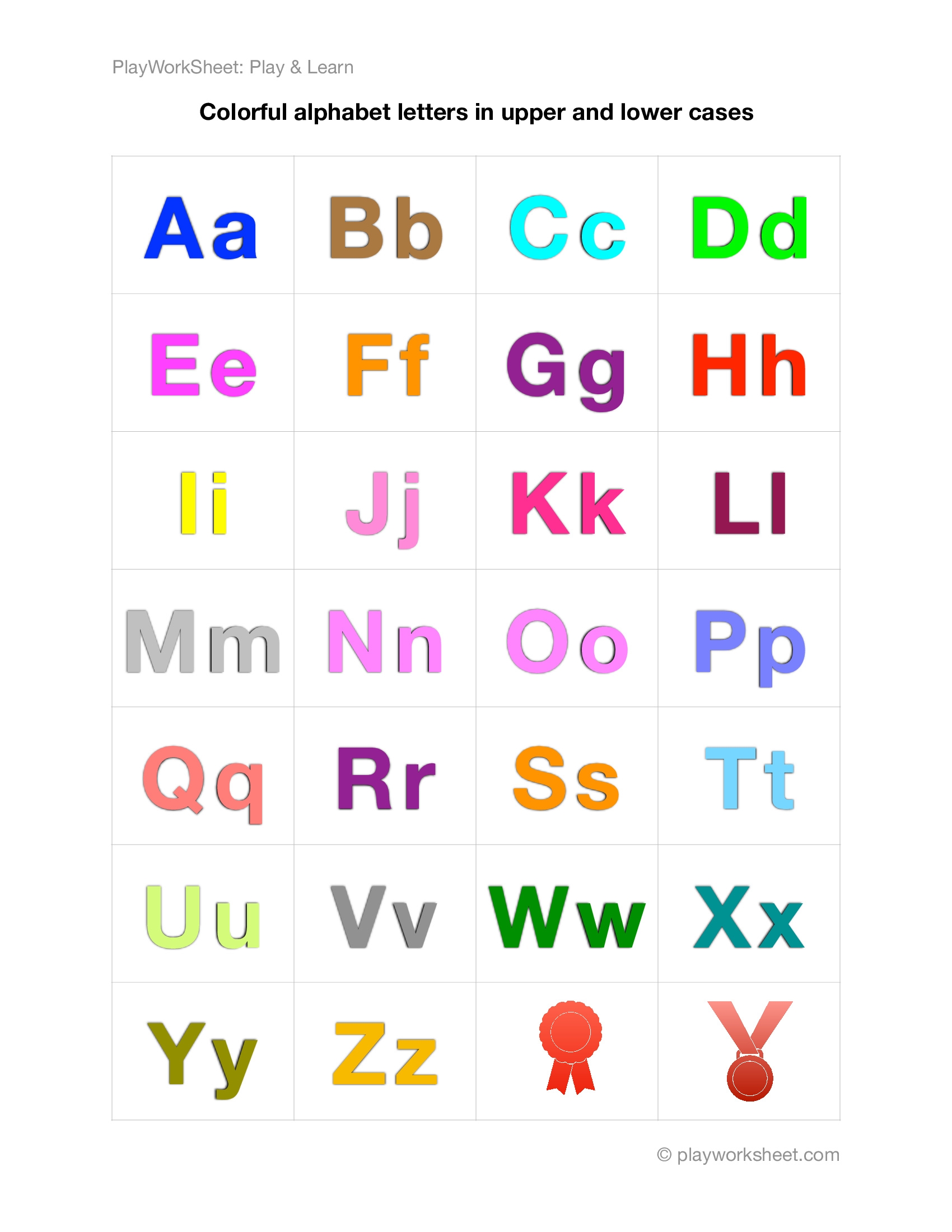
First, assess what format works best for your needs. The Free Printout Of Alphabet Letters comes in various styles, including uppercase, lowercase, or a combination of both. Consider the age group and learning objectives when selecting a format.
- Uppercase Letters: Ideal for preschool and kindergarten students who are just starting to recognize letters.
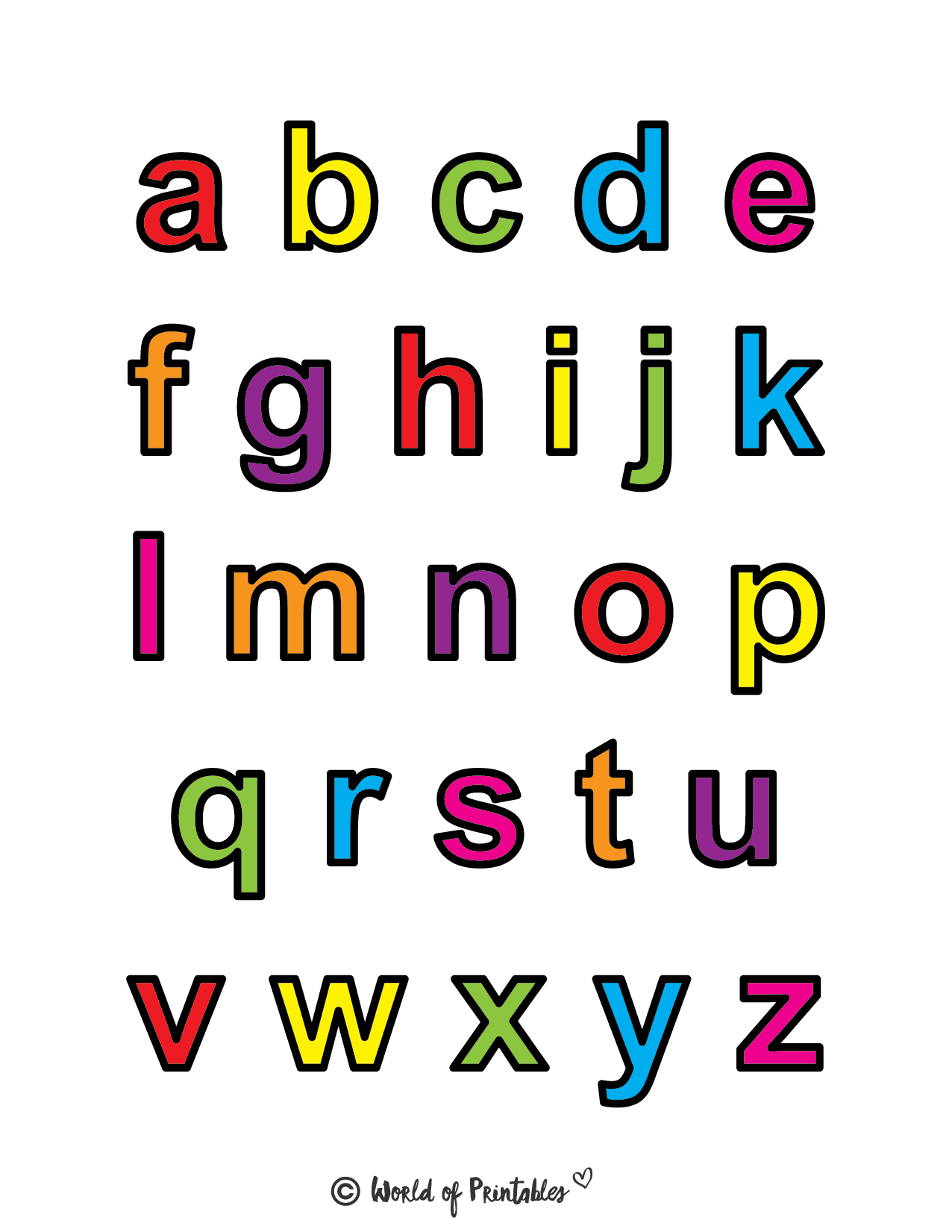
- Lowercase Letters: Best for children who have mastered uppercase letters and are ready to learn how to read and write in standard form.
- Mixed Format: Suitable for older preschoolers or early elementary students who need reinforcement in both types of letters.
Make sure to download a version that aligns with your curriculum or teaching goals.
Downloading the Printout
Once you’ve chosen the format, downloading the Free Printout Of Alphabet Letters is straightforward. Here’s how:
- Visit the Resource Website: Navigate to the specific page hosting the alphabet letters.
- Select Your Format: Click on the desired format (uppercase, lowercase, or mixed).
- Download the File: Usually available in PDF format, which preserves the layout and ensures high-quality printing.
- Check File Size: Ensure your device has enough storage space and that the file size is manageable for quick access.
Downloading is often free, but always check for any terms of use or requirements specified by the resource provider.
Printing the Alphabet Letters
The next step is to print your chosen alphabet letters. For best results, follow these tips:
- Use Quality Paper: Opt for cardstock or high-quality printer paper to ensure durability, especially if children will be handling them frequently.
- Select the Right Settings: Set your printer to the highest quality available. If using a color printer, ensure your ink levels are sufficient to avoid faded prints.
- Check the Layout: Before printing the entire document, print a single page to confirm that the letters are clear and appropriately sized for your students.
- Consider Laminating: If you plan to use the letters repeatedly, consider laminating them for added durability.
Setting Up for Learning
Now that you have your letters printed, it’s time to set them up for use. Here are some engaging ways to incorporate the alphabet letters into learning activities:
Alphabet Wall
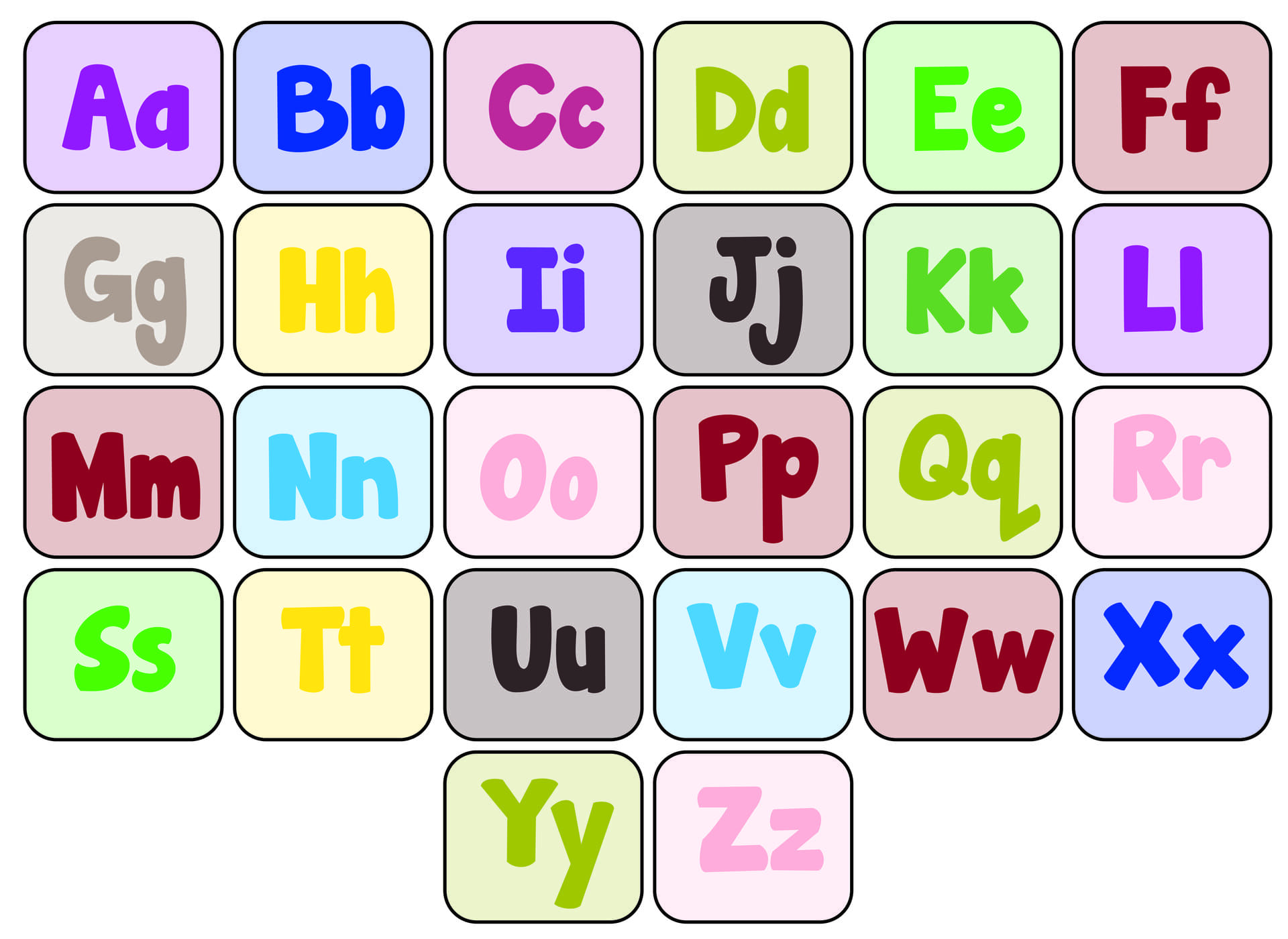
Create an alphabet wall in your classroom or learning area. Use the printouts to decorate:
- Arrange Letters in Order: Help children learn the sequence of the alphabet.
- Interactive Elements: Attach Velcro to the back of each letter for easy removal and reattachment. This promotes hands-on learning as children can practice rearranging the letters.
Alphabet Matching Games
Use the printouts in various matching games:
- Memory Game: Print two sets of letters, cut them out, and play a memory game where children match uppercase letters with their lowercase counterparts.
- Letter Hunt: Hide the letters around the room and have children find and match them to a corresponding letter chart.
Craft Activities
Incorporate the letters into art projects:
- Collage Projects: Have children cut out letters and create a collage, reinforcing letter recognition while fostering creativity.
- Coloring Pages: Use the printouts as coloring sheets. Children can color the letters while saying their names aloud, reinforcing their learning.
Independent Practice for Kids
An essential part of learning is allowing children to practice independently. The Free Printout Of Alphabet Letters can facilitate this:
- Worksheets: Create worksheets using the letters. Children can trace the letters, write them independently, or color them to reinforce recognition.
- Flashcards: Cut out the letters to create flashcards. Children can use these for self-study or in pairs to quiz each other.
Make sure to provide clear instructions, so children know what to do without needing constant supervision.