
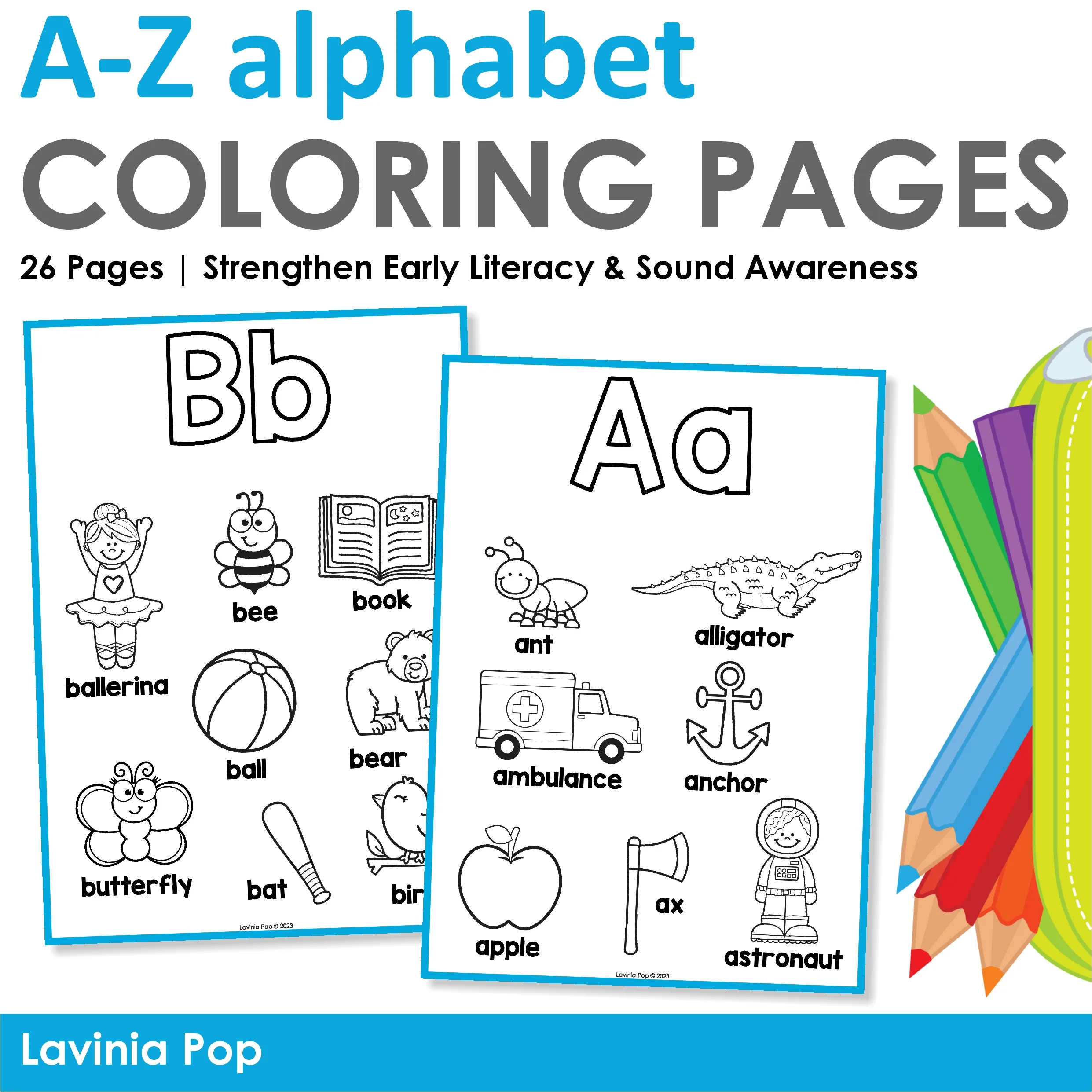
Using free printable phonics coloring pages can be a fantastic way to incorporate fun into phonics education. These resources not only help young learners practice their letters and sounds but also engage their creative side. Each coloring page typically features a letter paired with an image that starts with that letter. For example, the letter “A” may be accompanied by an apple, making it instantly relatable and memorable for children.
Why Use Phonics Coloring Pages?
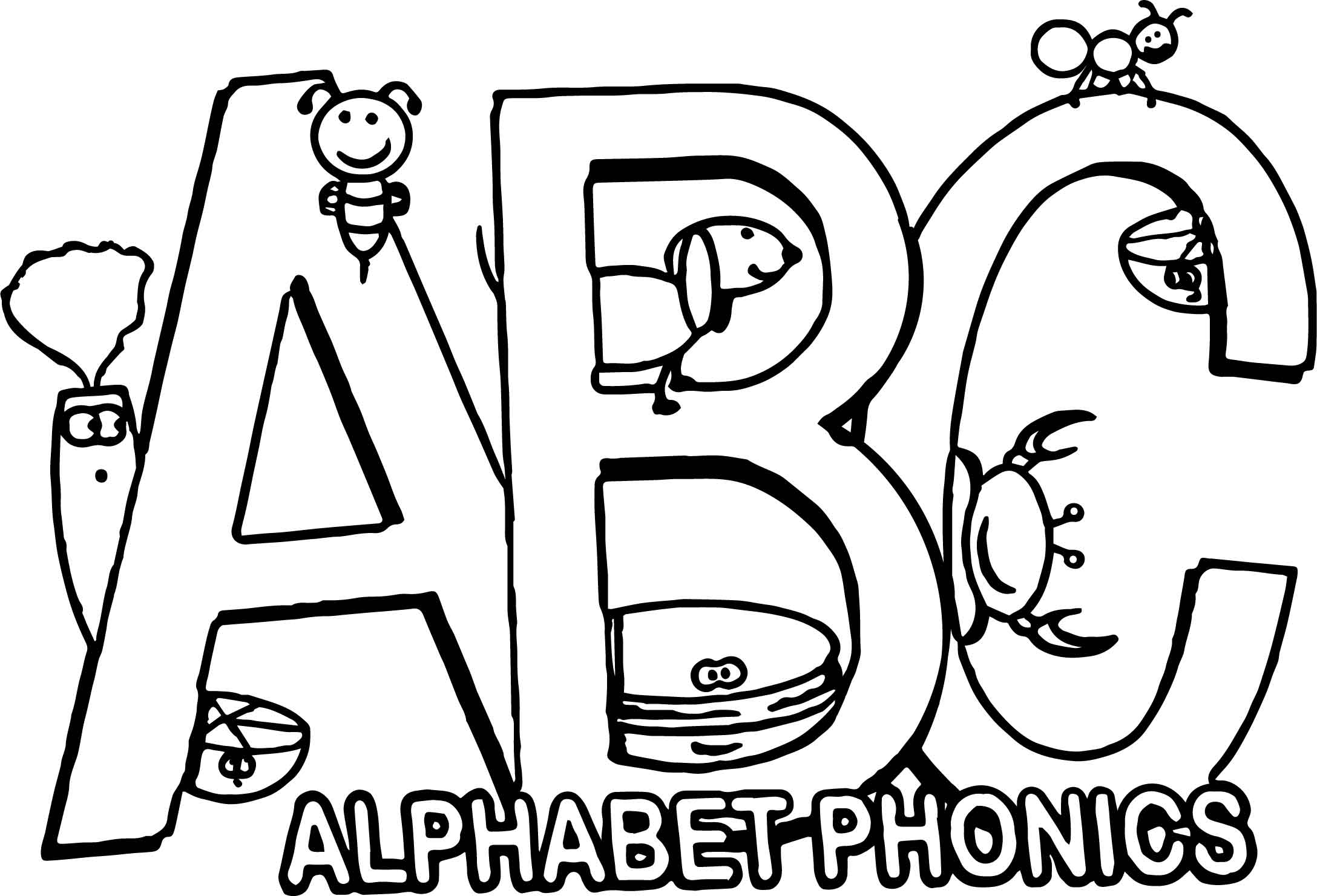
Phonics coloring pages are an excellent tool for reinforcing letter recognition and sound association in early education. They provide a multi-sensory approach, allowing children to visualize and engage with the letters they are learning. Colorful illustrations paired with phonetic sounds can help solidify a child’s understanding in a fun and interactive way.
Additionally, these coloring pages can cater to various age groups, primarily focusing on preschool and kindergarten children (ages 3-6). As they color, children develop fine motor skills, which are essential for writing later on. By integrating phonics with art, you’re making learning a more dynamic experience.
How to Incorporate Coloring Pages Into Your Curriculum
Integrating phonics coloring pages into your lesson plans can be straightforward. Here’s a step-by-step approach to maximize their effectiveness:
- Choose the Right Pages: Start by selecting appropriate coloring pages that match the phonics sounds you are currently teaching. Websites offering free resources often have a wide variety of options, so you can find sheets tailored for specific lessons.
- Download and Print: After selecting the pages, download the files. Ensure that you print them in a size that is comfortable for young children. Most home printers handle standard letter size (8.5 x 11 inches) well. If you’re using a color printer, it’s worth checking the ink levels beforehand to ensure vibrant results.
- Lesson Integration: Plan your lesson to include some time for coloring. You could introduce the phonics sound and then allow the children to color the corresponding page. This can be used as a warm-up or a closing activity, depending on your lesson structure.
- Encourage Discussion: While the children are coloring, engage them in conversation about the images and sounds. Ask questions like, “What other words start with the letter ‘B’?” This reinforces their learning and keeps them focused.
- Display Their Work: Once the coloring pages are completed, display them in the classroom. This not only boosts children’s confidence but also serves as a visual reminder of what they have learned.
Repetition and Spacing Practice
Using phonics coloring pages for repetitive practice is essential for solidifying knowledge. Instead of overwhelming children with too much information at once, consider spacing out the use of these pages throughout the week.
For example:
- Monday: Introduce the letter “C” with a coloring page featuring a cat.
- Wednesday: Review the letter “C” with a different page that includes a cake.
- Friday: Use a fun game or activity involving words that start with “C” to reinforce what they’ve learned.
This method not only allows for repetition but also helps children make connections between different words and sounds. It can also be beneficial to mix in other types of phonics activities, such as games or songs, to keep the learning experience fresh and engaging.
Tips for Effective Use of Coloring Pages
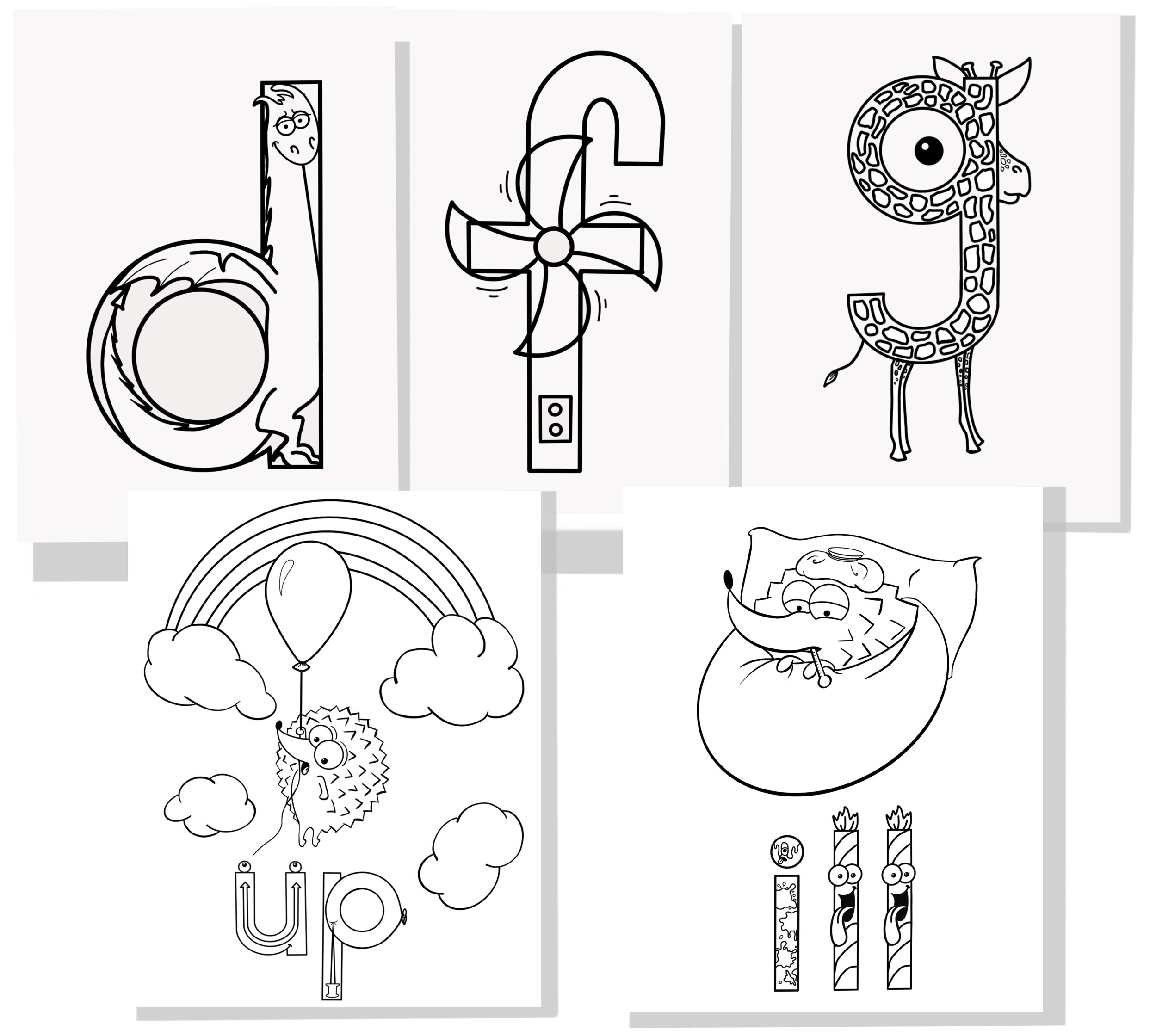
Here are some practical tips to enhance the use of free printable phonics coloring pages in your classroom or at home:
- Use Quality Paper: If possible, print coloring pages on thicker paper or cardstock. This will hold up better to coloring and can be laminated later for reuse.
- Incorporate Various Tools: Encourage creativity by allowing children to use different coloring tools, such as crayons, colored pencils, or markers. Each tool can provide a different texture and experience.
- Create a Phonics Portfolio: As children complete their coloring pages, collect them in a folder or binder. This allows them to see their progress and provides a fun keepsake of their learning journey.
- Pair with Phonics Games: Complement coloring activities with phonics games or songs that reinforce the same sounds. This can help children learn through multiple channels, making the material more memorable.
- Adjust for Skill Levels: Consider the individual skill levels of your students. Some may need more guidance or simpler pages, while others might enjoy more complex designs. Tailoring the resources to fit each child’s needs can enhance learning outcomes.