
Coloring is not just a fun activity; it’s a powerful educational tool, especially when teaching young children the alphabet. Free Printable Letter Coloring Sheets can be an effective resource for teachers, parents, and caregivers looking to enhance literacy skills while engaging children in a creative way. These sheets allow kids to practice letter recognition, phonetics, and fine motor skills through enjoyable coloring activities.
Understanding the Importance of Coloring Sheets in Learning
Coloring sheets serve as an excellent resource in early childhood education. They help children develop various skills, including:
- Fine Motor Skills: Holding crayons or markers correctly helps improve grip and dexterity.
- Creativity: Children can express themselves through color choices, enhancing their creativity.
- Letter Recognition: Associating letters with images while coloring reinforces learning.
- Focus and Patience: Completing a coloring sheet requires concentration and patience, valuable traits in the learning process.
By incorporating Free Printable Letter Coloring Sheets into your lesson plans or home activities, you can create an engaging and educational environment that fosters a love of learning.
How to Use Free Printable Letter Coloring Sheets Effectively
Using these coloring sheets is simple, but there are ways to maximize their educational impact. Here’s how you can effectively incorporate them into your teaching routine:
Step 1: Choose the Right Sheets
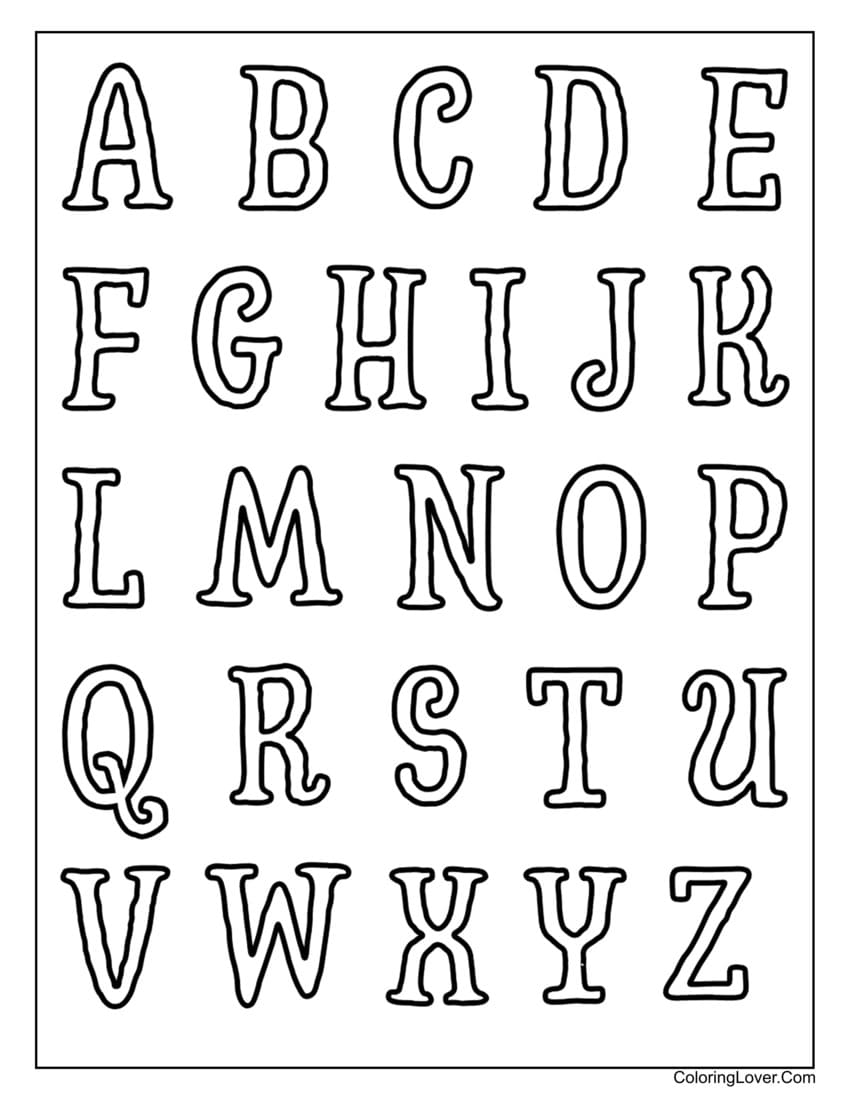
Select coloring sheets that correspond with the letters you are teaching. For instance, if you are focusing on the letter “A,” find a sheet that includes the letter “A” along with objects that start with that letter, such as an apple or an alligator. This reinforces the connection between the letter and its phonetic sound.
Step 2: Print With Care
When printing your coloring sheets, consider the following:
- Paper Type: Use standard printer paper for casual use or cardstock for durability, especially if you plan to laminate them for repeated use.
- Print Settings: Ensure your printer is set to print in high quality for clear lines that are easy for kids to color.
- Size: Standard letter-sized sheets (8.5 x 11 inches) are typically most convenient, but if your printer allows, larger sizes can be fun for group activities.
Step 3: Incorporate Learning Activities
To make the most out of the coloring sheets, pair them with additional learning activities:
- Phonics Practice: As children color, encourage them to say the letter’s name and sound aloud. This reinforces phonetic awareness.
- Word Association: Ask children to think of words that start with the letter they are coloring. You can create a word wall with these words after the activity.
- Storytime: Read a short story that features the letter prominently. This can help contextualize the letter in a fun way.
Monitoring Progress and Mastery
As a teacher or caregiver, it’s essential to check for understanding and progress. Here are some indicators that children are mastering the concepts associated with the coloring sheets:
- Letter Recognition: Can they identify the letter without prompting?
- Sound Association: Are they able to produce the correct sound for the letter?
- Word Creation: Can they come up with words that start with the letter?
- Fine Motor Skills: Are they able to color within the lines and control their coloring tools effectively?
If children struggle with any of these areas, consider repeating the activity or combining it with different resources, such as letter flashcards or interactive games.
Creative Extensions for Letter Coloring Sheets
Once your students or children become comfortable with the basic coloring sheets, you can expand the activity with these creative extensions:
Crafting Activities
Turn coloring into a craft project. After coloring the letter sheets, have children cut out their letters and decorate them with stickers or glitter. This adds a tactile element to their learning experience.
Incorporating Technology
If you have access to tablets or computers, consider using digital coloring apps that focus on letters. Many apps allow children to color letters while also providing phonetic sounds and related vocabulary.
Group Activities
Use the coloring sheets for group activities. Set up a coloring station where children can work together, fostering social skills and teamwork. You can even turn it into a mini-exhibit where they showcase their finished letters and discuss what they learned.