
As the afternoon sun beams through the classroom window, a teacher watches as a group of kindergarteners eagerly gather around a table. Today, they’re diving into the world of letters with Free Printable Alphabet Writing Worksheets For Kindergarten. These worksheets are not just another piece of paper; they are a gateway to developing essential writing skills in young learners.
Understanding the Importance of Alphabet Writing Worksheets
Alphabet writing worksheets serve as a foundational tool in early childhood education. They help children practice letter formation, improve fine motor skills, and build confidence in their writing abilities. Engaging with these worksheets allows young children to learn the alphabet in a structured yet enjoyable way. By incorporating such resources into daily learning routines, educators and parents can create a supportive environment that fosters learning.
Key Features of Effective Alphabet Writing Worksheets
When selecting worksheets, it’s crucial to look for specific features that enhance the learning experience. Effective alphabet writing worksheets should include:
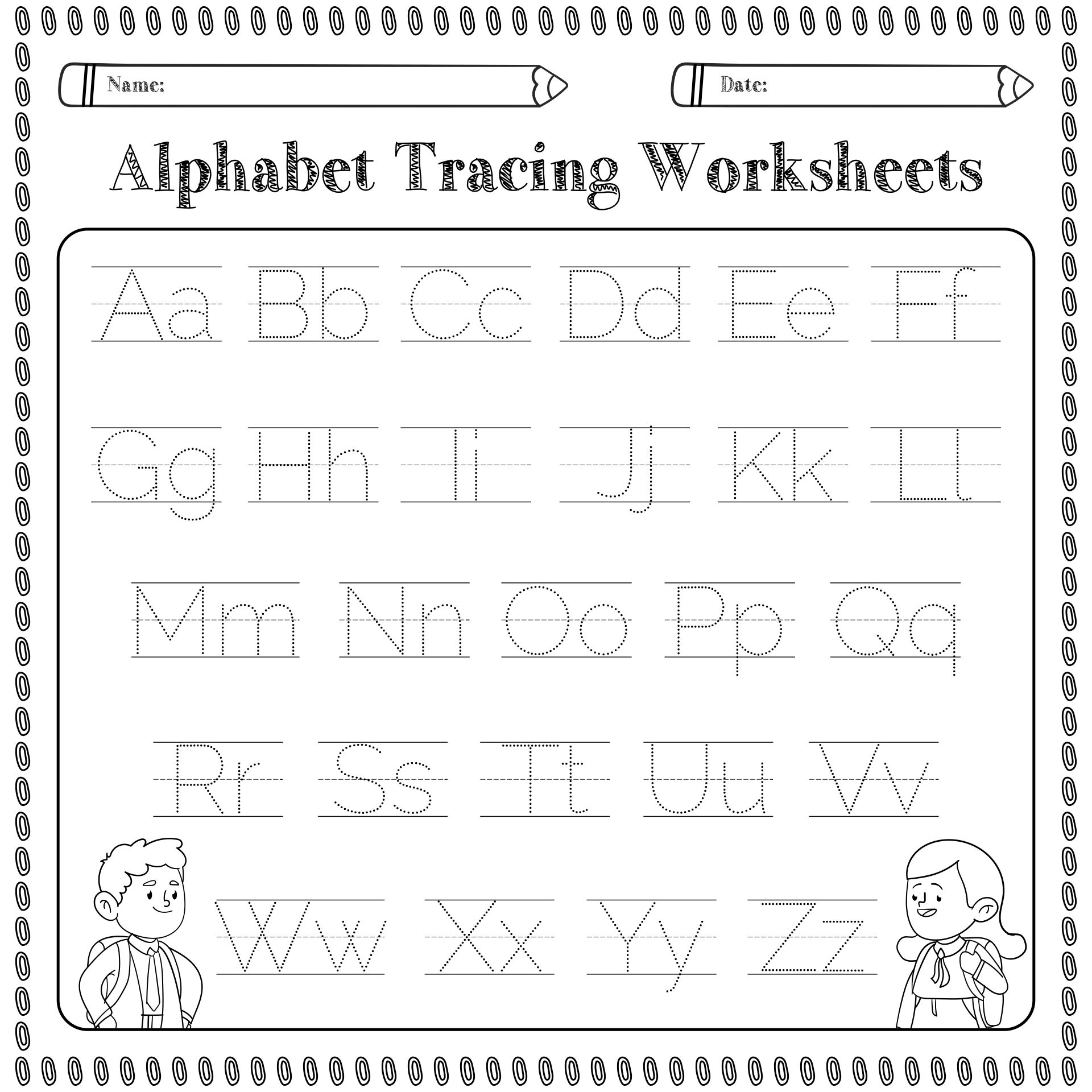
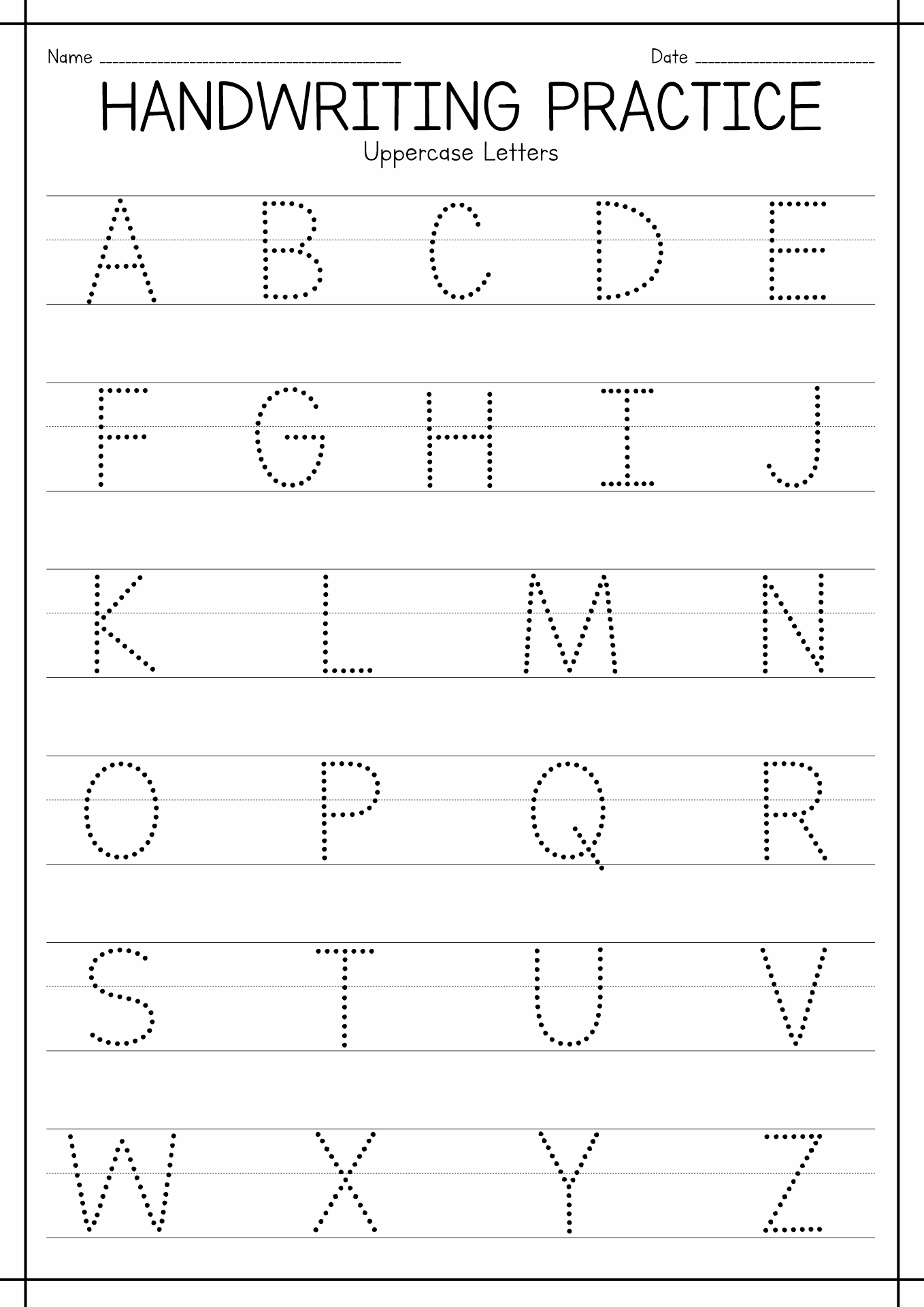
- Traceable Letters: Clear, dotted lines for children to trace over, helping them learn correct letter formation.
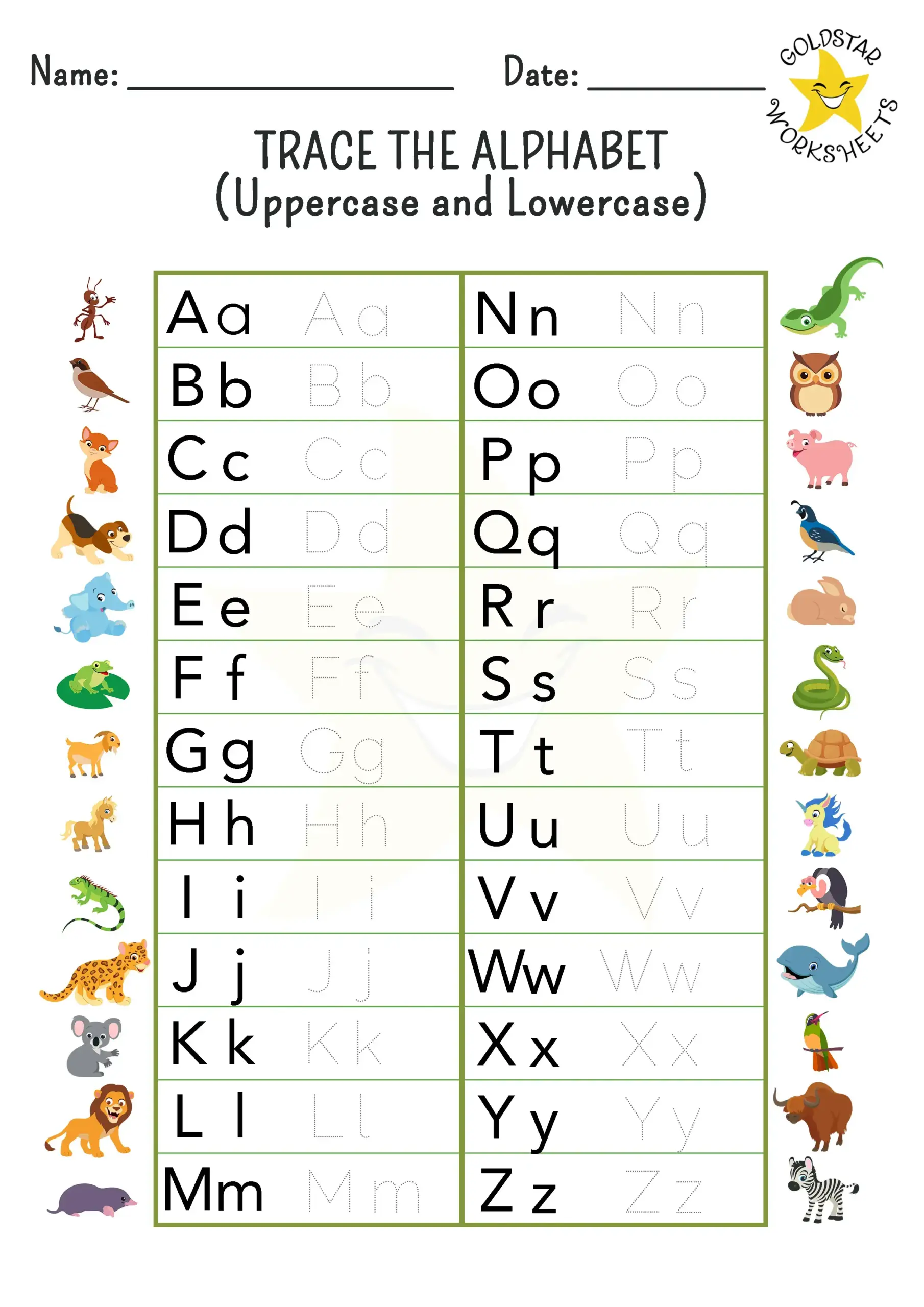
- Visual Aids: Images and colors that correspond to each letter can boost engagement and memory retention.
- Variety of Activities: Worksheets that include different activities, such as coloring or matching, can cater to various learning styles.
- Age-Appropriate Design: The layout should be simple and inviting, suitable for young learners who may be easily distracted.
Choosing worksheets with these features ensures that children remain engaged while effectively learning the alphabet.
How to Use Alphabet Writing Worksheets at Home
In a home setting, parents play a pivotal role in guiding their children through the learning process. Incorporating Free Printable Alphabet Writing Worksheets For Kindergarten into daily routines can be both fun and educational. Here are some practical ways to use these worksheets:
- Daily Practice: Set aside a specific time each day for writing practice. This could be part of a morning routine or a quiet time activity.
- Interactive Learning: Encourage children to say the letter sounds aloud as they trace each letter. This reinforces phonetic awareness alongside writing.
- Incorporate Play: Combine worksheets with fun activities, like using playdough to form letters or creating a letter scavenger hunt around the house.
- Celebrate Progress: Display completed worksheets on the refrigerator or a bulletin board. This recognition can motivate children to keep practicing.
Tips for Printing and Preparing Worksheets
Before diving into the worksheets, some preparation can make the experience smoother. Here are a few tips to ensure everything goes well:
- Paper Type: Use heavier paper, like cardstock, for durability, especially if the worksheets will be reused or laminated for dry erase markers.
- Print Settings: For best results, print in portrait orientation. Check the settings to ensure the quality is set to high, which will make the tracing lines clearer.
- Organizing Worksheets: Keep printed worksheets in a binder or folder to make them easily accessible and organized. This reduces clutter and makes it simple to find the right sheet when needed.
Integrating Worksheets Into a Broader Curriculum
While alphabet writing worksheets are a great standalone resource, they can also fit into a broader educational framework. Here’s how to integrate them effectively:
- Thematic Units: Align worksheets with themes or units you’re covering. For example, if the week’s theme is animals, incorporate animal-themed worksheets where children can practice letters associated with different animals.
- Cross-Disciplinary Activities: Combine writing practice with other subjects, such as art or music. Children can create a drawing of their favorite letter and sing an alphabet song that corresponds with the letters they are learning.
- Continuous Assessment: Use the worksheets as informal assessments to gauge progress. Observing how well a child traces letters can provide insights into their writing development.
Encouraging Consistency and Motivation
Maintaining motivation can be a challenge in any learning environment. Here are some strategies to encourage children to consistently engage with their alphabet writing worksheets:
- Set Achievable Goals: Create small, achievable goals for each writing session. For instance, aim for mastering three letters a week rather than overwhelming them with the entire alphabet.
- Incorporate Rewards: Use a simple reward system, such as stickers or extra playtime, to celebrate achievements, no matter how small.
- Parental Involvement: Parents can work alongside their children, making the activity feel more collaborative and less like a chore. This shared experience can make learning more enjoyable.
By implementing these practical strategies, the use of Free Printable Alphabet Writing Worksheets For Kindergarten can become a cherished part of the daily routine, promoting both writing skills and a love for learning.
In summary, utilizing these worksheets effectively can provide children with a solid foundation in letter recognition and writing skills. Incorporating fun activities, maintaining motivation, and creating a structured environment will ensure that the learning experience is both productive and enjoyable. For immediate action, find a selection of engaging worksheets online and print a few to get started today!