
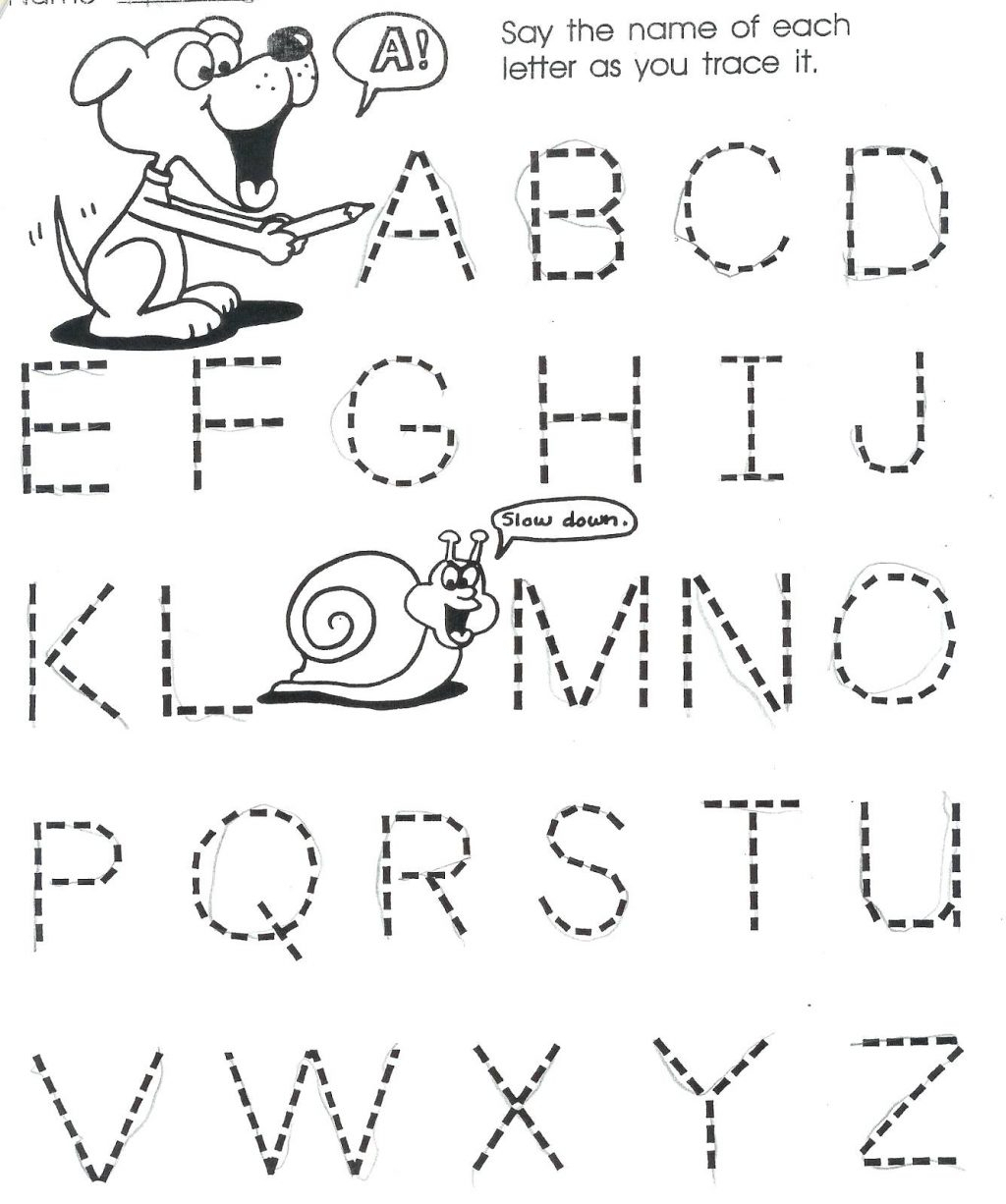
Teaching letter recognition and phonics to young children is essential for their literacy development. Free Printable Alphabet Worksheets For 3 Year Olds can be a valuable tool in your teaching arsenal, allowing kids to practice their letters in a fun and interactive way. These worksheets not only serve as a resource for letter recognition but also help enhance fine motor skills through various activities.
Understanding the Importance of Alphabet Worksheets
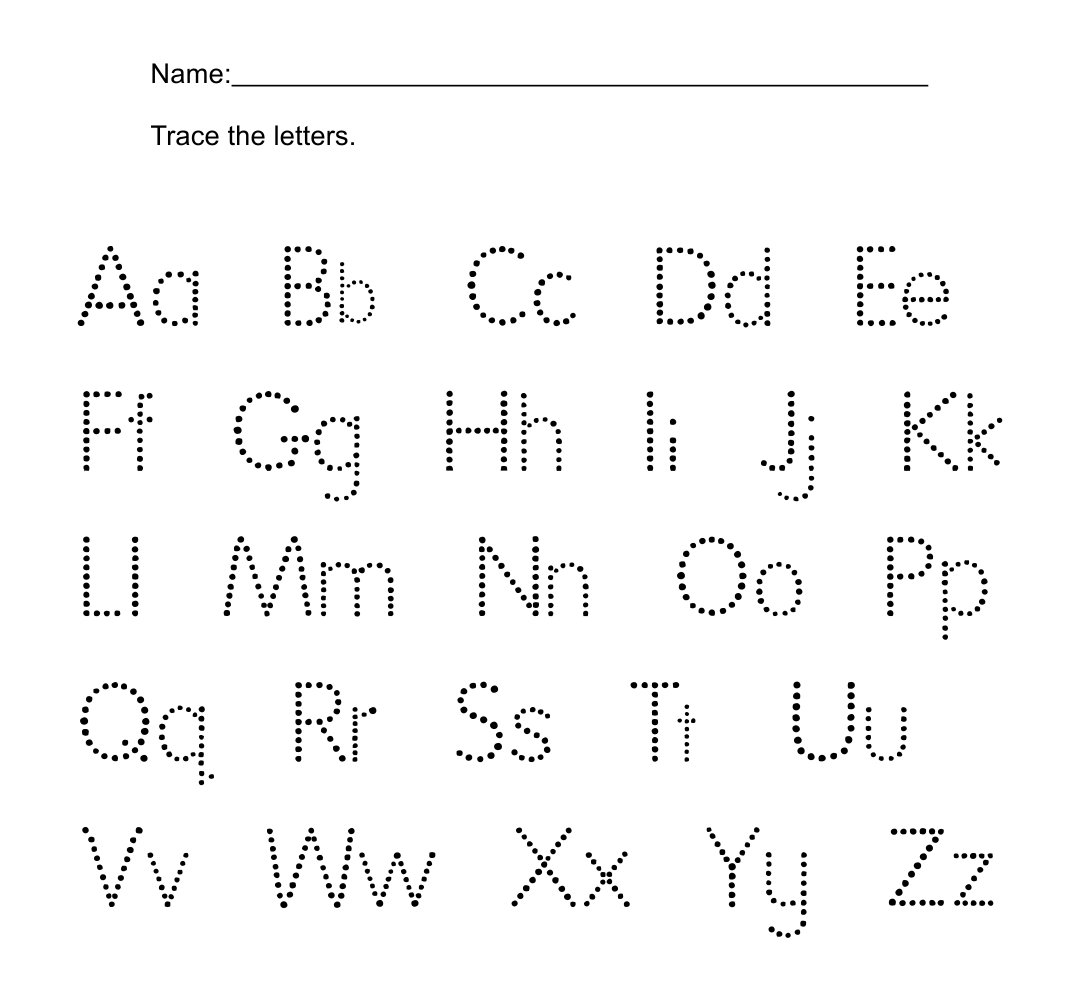
Alphabet worksheets are designed to help children learn the 26 letters of the English alphabet. For 3-year-olds, this foundational skill is crucial, as it sets the stage for reading and writing later on. The worksheets often incorporate different activities, such as tracing, coloring, and matching, which cater to various learning styles. This multi-faceted approach keeps children engaged and promotes better retention of the material.
Using Free Printable Alphabet Worksheets For 3 Year Olds provides a structured way for children to practice their letters. The repetitive nature of these worksheets helps reinforce learning, making it easier for kids to remember the shapes and sounds of each letter. Additionally, hands-on activities foster a sense of accomplishment as children complete each task.
Choosing the Right Worksheets
When selecting worksheets, consider the specific needs of your students or children. Look for resources that provide a mix of activities, such as:
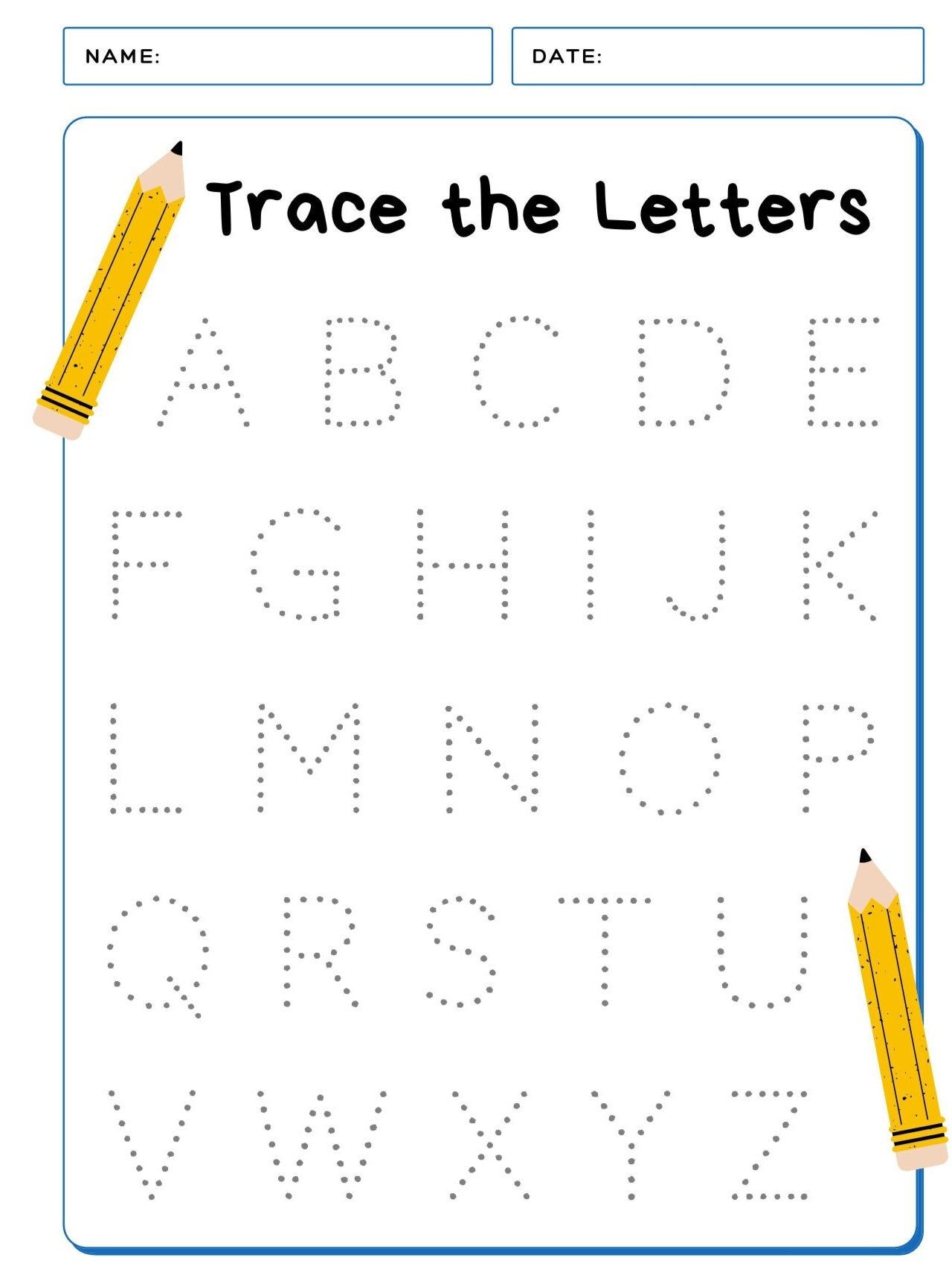
- Tracing letters: Helps develop fine motor skills and letter formation.
- Coloring activities: Enhances creativity while reinforcing letter recognition.
- Letter matching: Encourages critical thinking as kids connect letters to corresponding images or words.
The worksheets should be visually appealing, with bright colors and engaging illustrations. This keeps young learners motivated and eager to complete their tasks.
Downloading and Printing Your Worksheets
Once you’ve identified the right Free Printable Alphabet Worksheets For 3 Year Olds, the next step is to download and print them. Here are some tips to ensure a smooth process:
- Format: Most worksheets will be available in PDF format, which is ideal for printing. This format maintains the layout and quality of the worksheets.
- Paper Size: Standard letter size (8.5 x 11 inches) works best for home printers. Make sure your printer settings are adjusted to this size to avoid any formatting issues.
- Print Settings: Use a portrait layout for most worksheets, as this orientation is typically better for educational materials. Consider using cardstock for more durability, especially if the worksheets will be used multiple times or for group activities.
- Quantity: Print multiple copies of each worksheet to allow for repeated practice throughout the week. Engaging with the same letters over several days helps reinforce learning.
Setting Up a Weekly Learning Schedule
Integrating these worksheets into a weekly learning schedule can maximize their effectiveness. Instead of overwhelming young learners with too much information at once, space out the activities over the week. For example:
- Day 1: Focus on the letters A and B. Use tracing and coloring worksheets to familiarize children with these letters.
- Day 2: Introduce letters C and D with matching activities.
- Day 3: Review letters A through D with a fun game or a creative project, like making a letter collage.
- Day 4: Introduce letters E and F with tracing and coloring worksheets.
- Day 5: Review all letters learned so far with fun interactive games or flashcards.
This spaced practice not only helps improve retention but also keeps the learning experience fresh and exciting. It allows for reflection on previously learned letters while gradually introducing new ones.
Incorporating Worksheets Into Daily Activities
To further enhance the learning experience, incorporate the Free Printable Alphabet Worksheets For 3 Year Olds into daily activities. Here are a few ideas:
- Storytime: Choose books that emphasize letters or phonics sounds. After reading, ask children to identify letters they learned in the worksheets.
- Sing Songs: Use songs that incorporate the alphabet, such as the classic “ABC Song,” to reinforce letter sounds and recognition.
- Arts and Crafts: Encourage kids to create art projects that incorporate letters, such as making letter-shaped cookies or crafting letter collages.
These activities not only make learning letters enjoyable but also help solidify their understanding in real-world contexts.
Monitoring Progress and Engagement
As children work through the Free Printable Alphabet Worksheets For 3 Year Olds, it’s essential to monitor their progress and engagement. Here are some ways to do this effectively:
- Feedback: Provide immediate feedback on their work. Positive reinforcement can motivate them to keep trying.
- Observation: Pay attention to how they interact with the worksheets. Are they excited to learn, or do they seem frustrated? Adjust the difficulty level as necessary.
- Celebrate Achievements: Celebrate milestones, such as completing a set of worksheets or mastering a letter. Small rewards can encourage continued learning.
The Benefits of Repetition
Repetition is key in early childhood education, especially when it comes to mastering the alphabet. By revisiting the same letters and activities throughout the week, children can reinforce their learning. This method helps solidify their understanding and builds confidence as they recognize letters in different contexts.
Additionally, practicing the same skills over time allows children to internalize the information, making it easier for them to recall letters when they encounter them in books or other activities.
Finally, it’s important to remember that every child learns at their own pace. Some may breeze through the worksheets, while others may need more time to grasp the concepts. Tailoring your approach to each child’s needs will create a more effective learning environment.
Utilizing Free Printable Alphabet Worksheets For 3 Year Olds is a fantastic way to introduce young learners to the world of letters. By selecting engaging resources, implementing a structured schedule, and incorporating fun activities, you can create a rich learning experience that fosters a love for literacy from a young age.