
When it comes to teaching young children their letters, using effective resources can make all the difference. Free Print Alphabet Tracing Worksheets are a fantastic way to support early literacy skills while keeping learning fun. These worksheets allow children to practice letter formation and improve their handwriting, all while gaining confidence in their writing abilities. In this article, we will explore how to use these worksheets effectively in various settings, track progress, and provide tips for maximizing their benefits.
Understanding the Purpose of Alphabet Tracing Worksheets
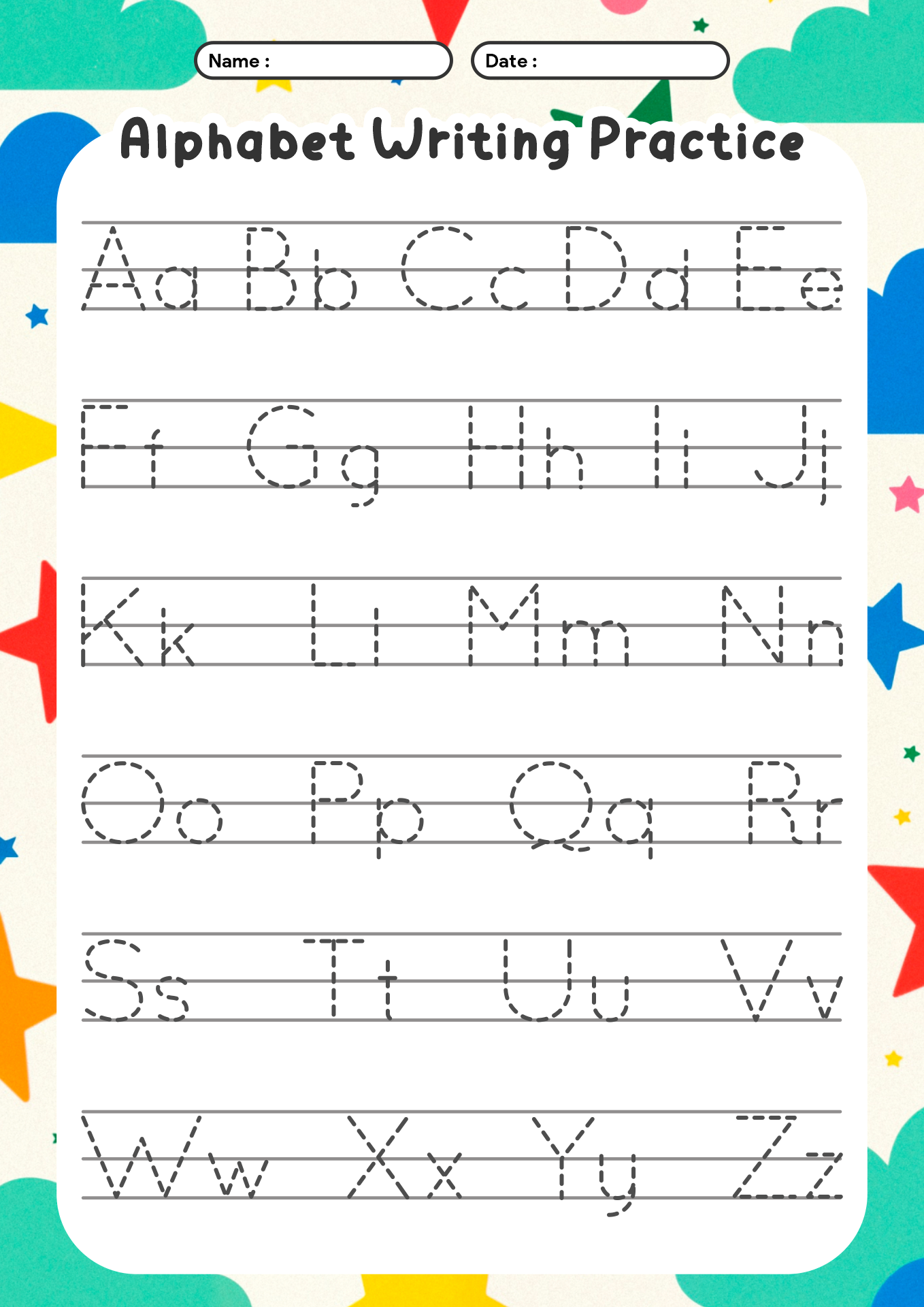
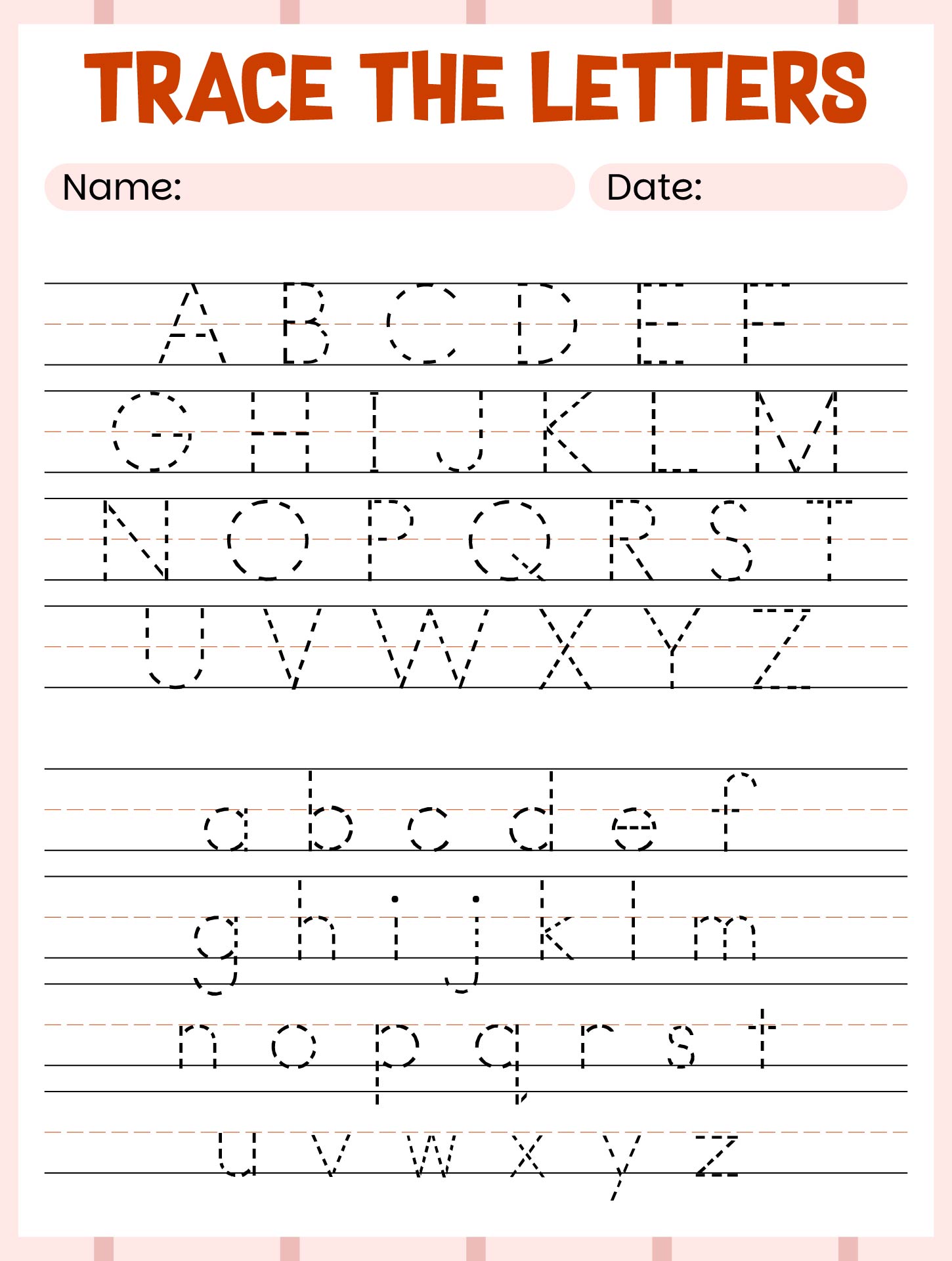
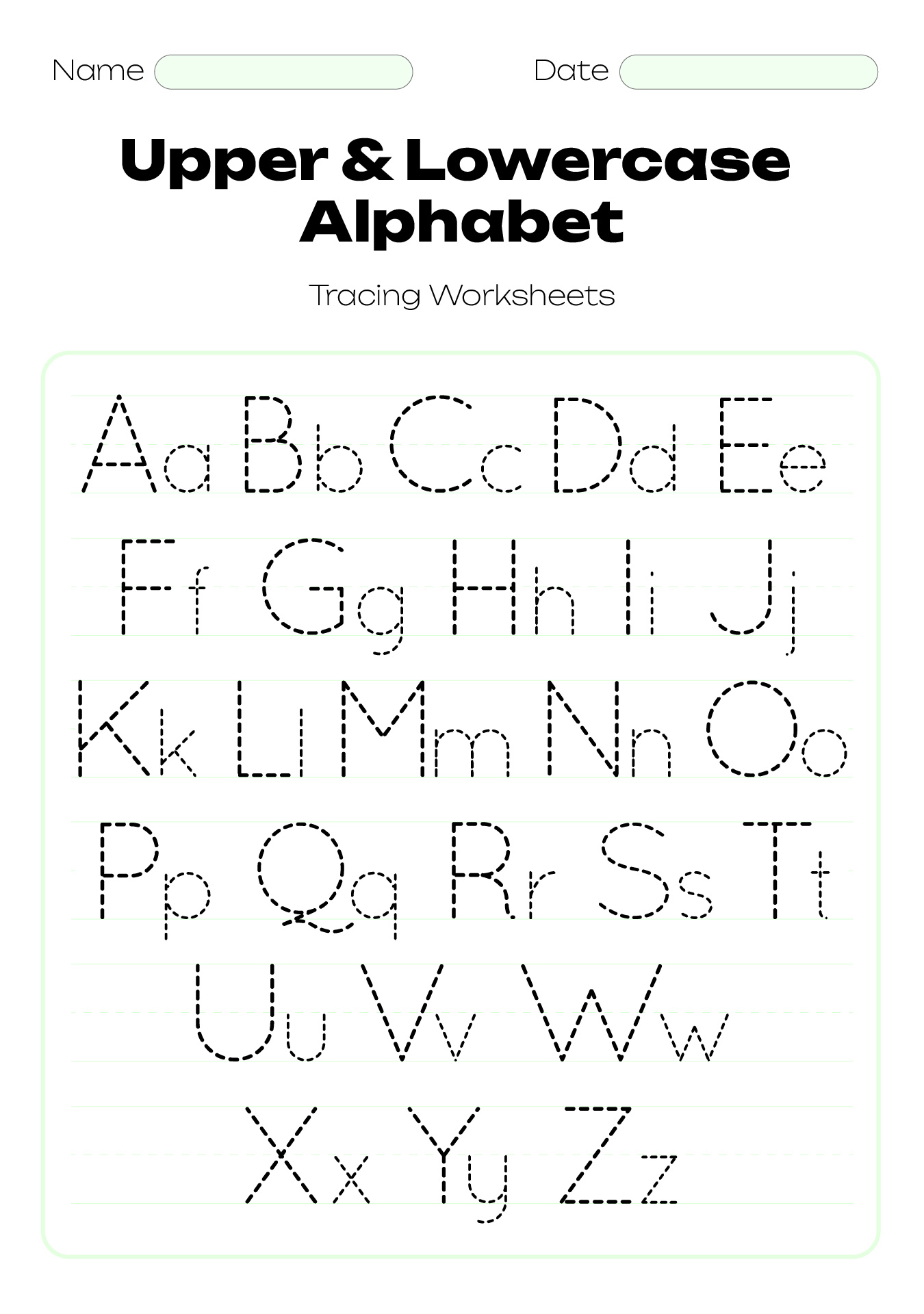
Alphabet tracing worksheets are designed to help young learners develop fine motor skills and understand the shape and form of letters. They provide a structured way for children to practice writing both uppercase and lowercase letters, which is essential for their writing development.
For preschool and kindergarten-aged children, mastering the alphabet is a foundational step toward reading and writing. By using these worksheets, you can create a positive learning environment that encourages exploration and practice. The goal is to help your students or children not only recognize letters but also write them correctly and confidently.
How to Use Free Print Alphabet Tracing Worksheets Effectively
Setting Up for Success
Before diving into the worksheets, it’s important to create a conducive environment for learning. Here are some practical tips to consider:
- Choose the Right Materials: Select high-quality paper for printing the worksheets. Cardstock is a great choice as it holds up well against repeated use and can be laminated for durability. This way, children can trace the letters multiple times with dry-erase markers.
- Use the Right Writing Tools: Encourage children to use pencils or washable markers for tracing. These tools help develop their grip and control over writing instruments, which is crucial at this stage.
- Create a Routine: Incorporate tracing worksheets into your daily or weekly schedule. Consistency helps children become familiar with the activity and reinforces their learning.
Engaging Children During Tracing Activities
To keep children motivated and engaged while using the Free Print Alphabet Tracing Worksheets, try incorporating interactive elements:
- Sing the Alphabet Song: Before starting, sing the alphabet song together. This reinforces letter recognition and makes the activity more enjoyable.
- Add a Fun Theme: Use seasonal themes or favorite characters to make the worksheets more appealing. For instance, you can have holiday-themed worksheets where children trace letters related to the season.
- Incorporate Movement: After tracing a few letters, have children jump or wiggle for each letter they’ve traced. This physical activity can help break up the session and keep their energy levels up.
Tracking Progress With Alphabet Tracing Worksheets
One of the key benefits of using Free Print Alphabet Tracing Worksheets is the ability to track progress effectively. Here are some strategies to monitor development:
Observing Mastery Levels
As children work through the worksheets, pay attention to their letter formation and consistency. Here’s what to look for:
- Correct Letter Formation: Are they starting at the right point and following the correct stroke order? Mastery means they can replicate the letters independently without guidance.
- Consistency in Size and Spacing: Check if they are maintaining uniform size and appropriate spacing between letters. This is an essential skill that will help them as they progress to writing words.
- Frequency of Errors: Note any letters that are frequently miswritten. This can indicate which letters need further practice.
Keeping Records
Consider keeping a portfolio for each child where you can store completed worksheets. This allows you to visually track their progress over time and can also serve as a great motivator when they see how far they’ve come. You can include:
- Date of Completion: Write down when each worksheet was completed to see progress over time.
- Comments: Make notes on specific achievements or areas needing improvement.
- Sample Work: Keep a few examples of their best work to celebrate their successes.
Adapting Worksheets for Different Learning Styles
Every child learns differently, and it’s important to adapt your approach based on their individual needs. Here are some suggestions for differentiation:
- Visual Learners: Pair the tracing worksheets with visual aids, like alphabet charts or flashcards. This reinforces recognition and helps them connect the physical act of writing with the visual form of the letters.
- Kinesthetic Learners: For children who learn best through movement, consider using sand, salt, or finger paint for letter tracing before moving to paper. This tactile experience can be beneficial.
- Auditory Learners: Encourage them to say the letter sounds out loud as they trace. This multi-sensory approach can help reinforce their learning.
Making Tracing Worksheets a Family Activity
Getting parents involved can enhance the learning experience. Here’s how to make tracing worksheets a fun family activity:
- Family Tracing Night: Organize an evening where families can come together to work on tracing worksheets. Provide snacks and create a relaxed atmosphere to make it enjoyable.
- Create a Wall of Letters: Have families display their children’s completed worksheets on a wall at home. This not only boosts their confidence but also encourages them to show off their hard work.
- Involve Siblings: Older siblings can help younger ones with tracing. This fosters collaboration and reinforces learning for both parties.
Using Free Print Alphabet Tracing Worksheets effectively can significantly enhance a child’s writing skills while making learning engaging and enjoyable. By creating a supportive environment, tracking progress, and adapting to individual learning styles, you can help children master their letters with confidence.
To get started, print a few worksheets today and watch as your students or children transform their writing abilities! Consider using cardstock for durability, and don’t forget to celebrate each milestone they achieve along the way.