
When it comes to teaching young children the alphabet, engaging worksheets can be a fantastic tool. Free Preschool Worksheets Age 3 4 Alphabet are designed to provide structured, playful learning experiences that help develop early literacy skills while keeping little ones excited about learning. These worksheets are typically formatted to be easily printable and can be utilized in various educational settings, including classrooms, homeschools, and at home.
Understanding the Layout of the Worksheets
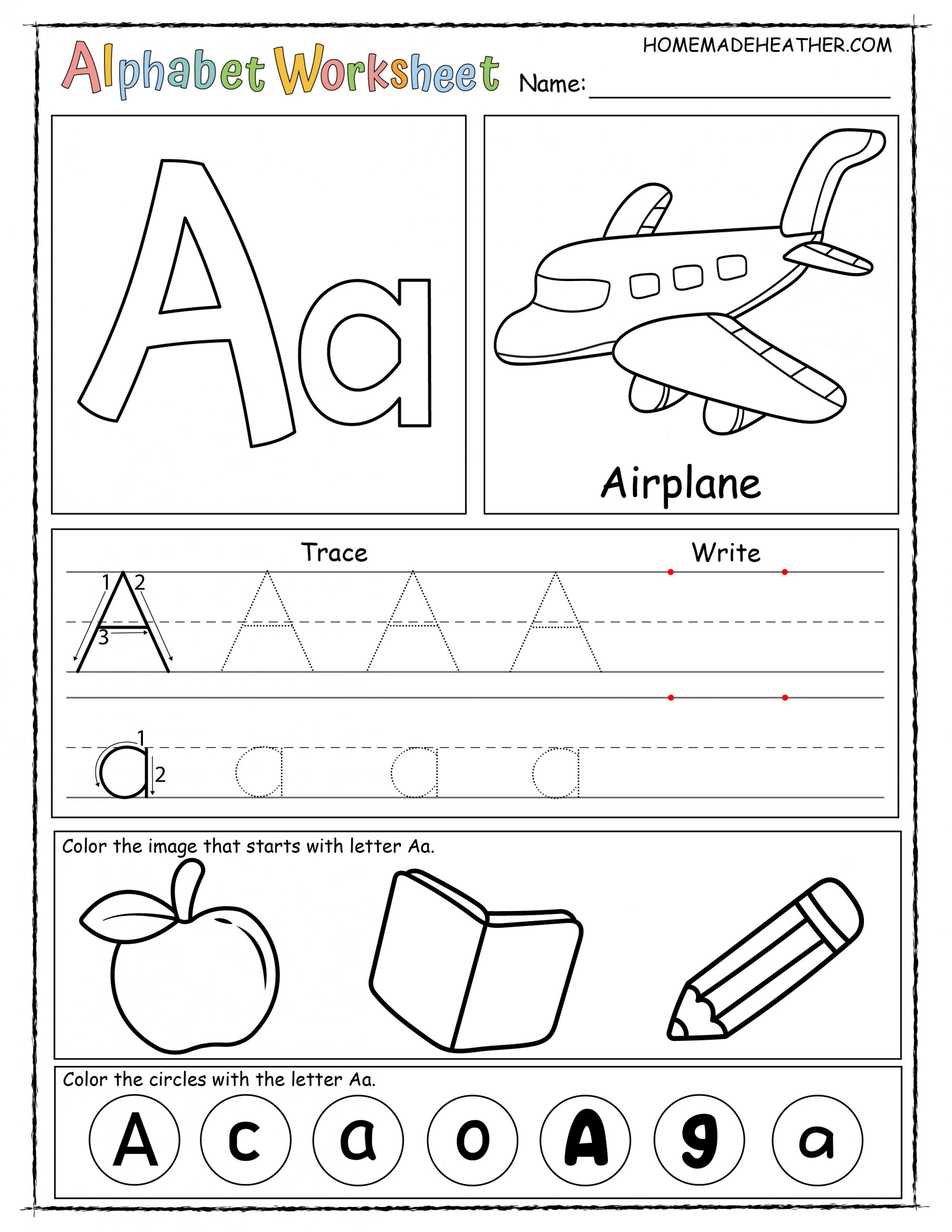
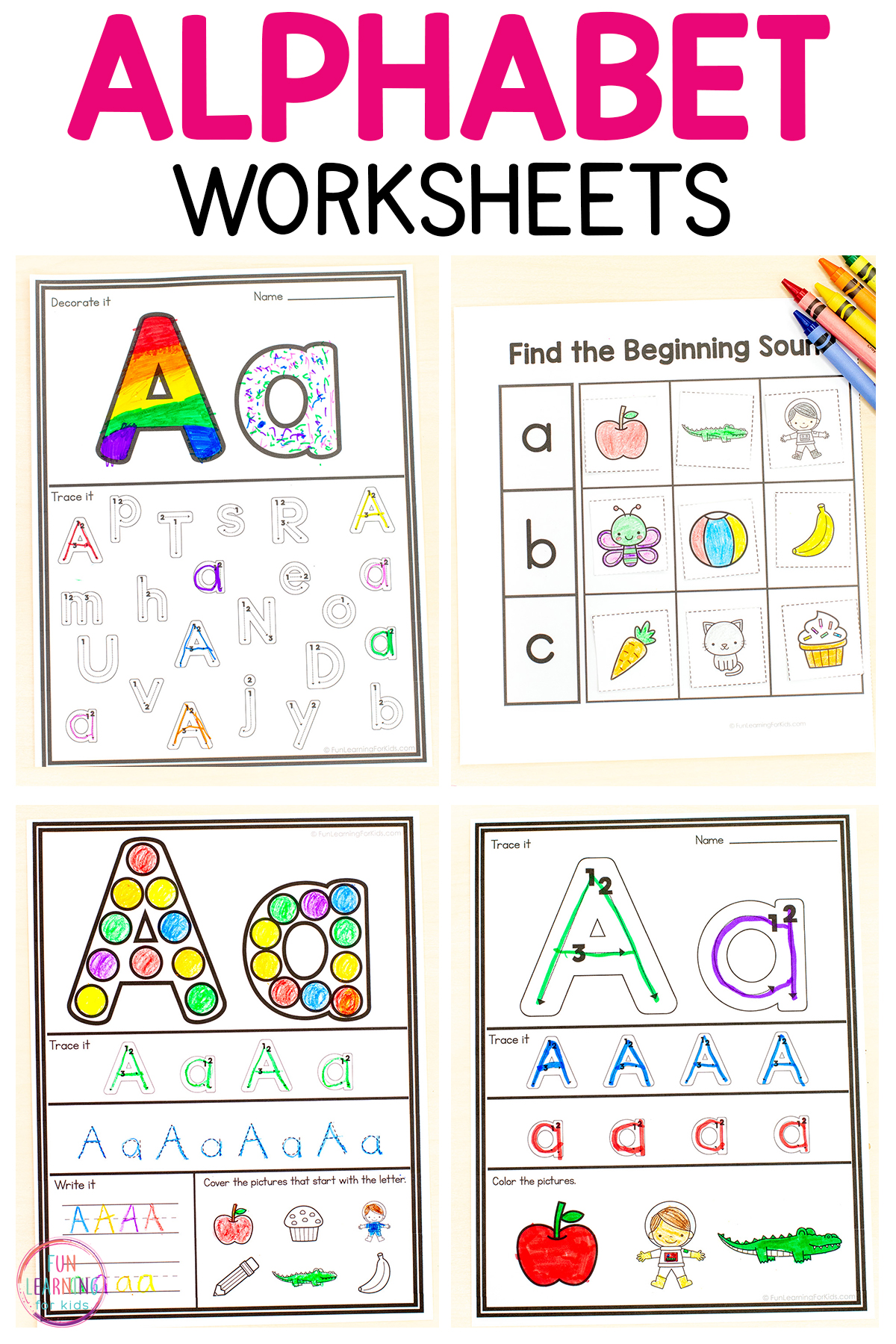
The design of preschool worksheets plays a crucial role in how effectively children engage with the content. Most of these worksheets are laid out in a colorful, child-friendly manner. They often include playful graphics and a clear focus on individual letters of the alphabet. For instance, a worksheet might have a large letter “A” at the top, accompanied by images of an apple and an alligator, allowing children to associate the letter with familiar objects.
The worksheets are usually structured to include:
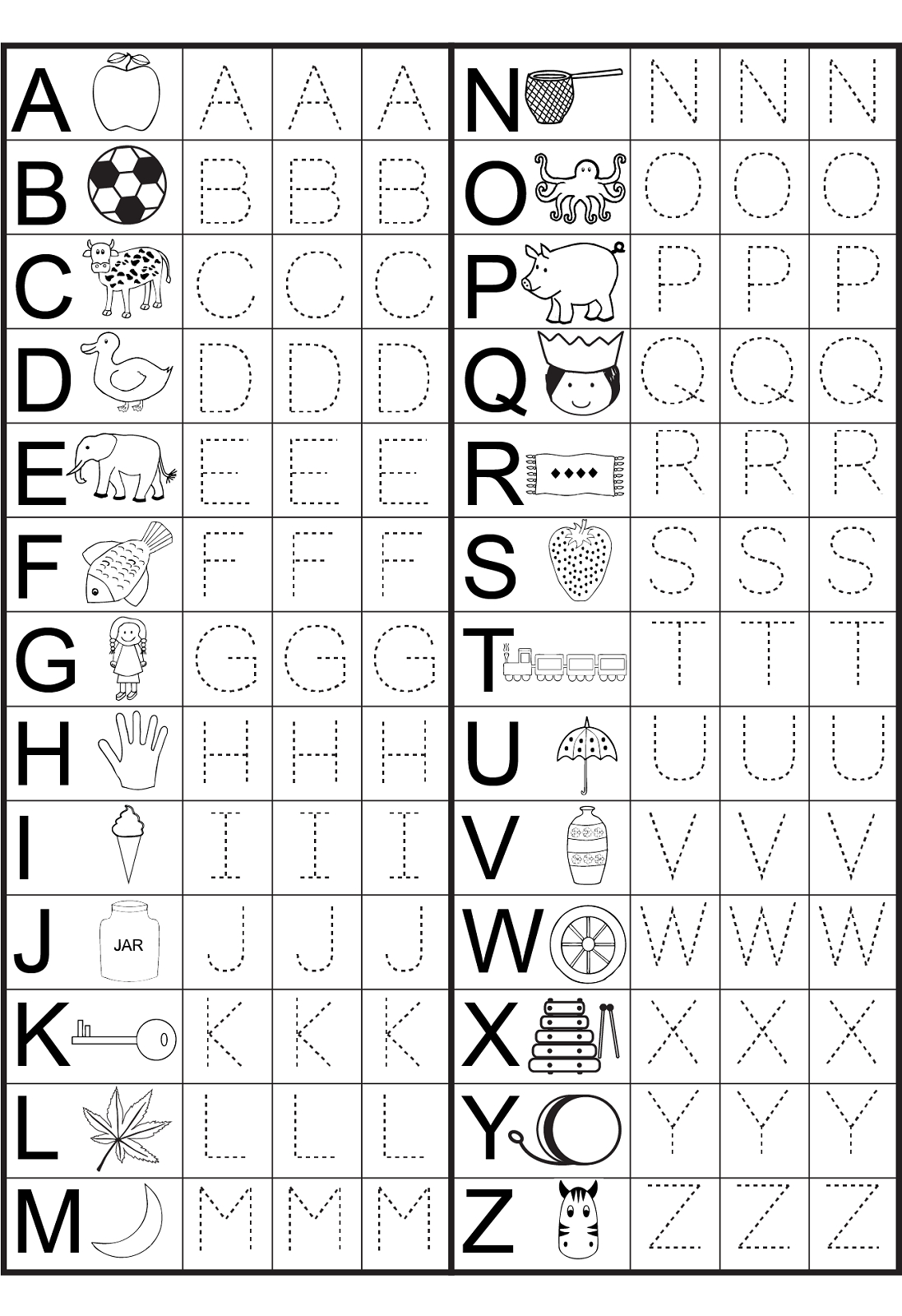
- Tracing sections: Children can practice writing the letters by tracing dotted lines. This not only helps with letter recognition but also fine motor skills development.
- Coloring activities: Many worksheets encourage kids to color the letters or pictures associated with them, reinforcing their learning through creativity.
- Matching exercises: Some worksheets may have sections where children match uppercase letters to their lowercase counterparts or connect letters to corresponding images.
By incorporating these elements, the worksheets maintain a balance between instruction and play, which is essential for this age group.
Benefits of Using Repeated Practice
Repetition is key in early childhood education, especially when it comes to mastering the alphabet. Free Preschool Worksheets Age 3 4 Alphabet can be used over a series of days to reinforce learning. For instance, you might introduce a new letter each day, allowing children to engage with that letter through tracing, coloring, and matching activities.
This spaced practice helps solidify their understanding and retention of the letters. A practical approach could involve:
- Day 1: Introduce the letter “A” with a worksheet focusing on tracing and identifying the letter.
- Day 2: Use a different worksheet that includes coloring activities and simple words starting with “A.”
- Day 3: Create a matching game with flashcards that feature the letter “A” alongside pictures of apples and alligators.
By revisiting each letter multiple times in different contexts, children are more likely to internalize their learning. This method not only helps them recognize letters but also supports their phonetic understanding.
Practical Tips for Implementation
When using Free Preschool Worksheets Age 3 4 Alphabet, there are a few practical tips to ensure effective learning:
- Choose the Right Paper: Opt for cardstock or heavier paper if you plan on laminating the worksheets for repeated use. This is particularly useful for activities involving dry-erase markers or coloring, as it allows for easy cleanup.
- Printing Settings: Make sure to print the worksheets in portrait orientation, as this is typically easier for children to work with. Adjust your printer settings to ensure that the colors are vibrant, which will make the worksheets more engaging for young learners.
- Incorporate Movement: To keep energy levels high, consider pairing worksheet activities with physical movement. For example, after completing a worksheet, have children jump or clap for each letter they’ve learned.
- Create a Learning Corner: Set up a dedicated space in your classroom or home where worksheets can be displayed and easily accessed. This can include a bulletin board with completed worksheets and a selection of new ones ready for exploration.
- Use Technology: If you have access to tablets or computers, consider using digital versions of these worksheets. Many educational platforms offer interactive alphabet activities that can complement the worksheets.
Engaging Activities Beyond Worksheets
While worksheets are a great way to introduce the alphabet, it’s beneficial to integrate a variety of activities to maintain interest. Here are some additional ideas to complement the worksheets:
- Alphabet Songs: Singing songs that emphasize the alphabet can help reinforce letter recognition. Songs often have catchy tunes that make learning fun and memorable.
- Storytime: Reading books that focus on the alphabet or highlight specific letters can enhance understanding. Look for books with vibrant illustrations and engaging stories.
- Hands-On Learning: Incorporate letter-building activities using playdough or blocks. Children can form letters with their hands, providing a tactile learning experience.
By combining worksheets with these activities, you create a rich learning environment that supports various learning styles.
Organizing Your Weekly Learning Plan
To maximize the effectiveness of Free Preschool Worksheets Age 3 4 Alphabet, consider organizing your weekly learning plan around these resources. A structured routine can help children anticipate learning and stay engaged. Here’s a simple framework you might follow:
- Monday: Focus on introducing a new letter with a worksheet. Use tracing and writing activities to establish recognition.
- Tuesday: Reinforce the letter with creative coloring activities. This is an excellent opportunity for children to express themselves artistically.
- Wednesday: Implement a matching game. This could involve matching letters to objects or even playing simple board games that incorporate letter recognition.
- Thursday: Review the letter through interactive activities that might include songs or videos emphasizing the letter sound.
- Friday: Assess their learning with a fun quiz or a review worksheet that allows them to demonstrate what they’ve learned throughout the week.
This structured approach not only enhances learning retention but also makes the process enjoyable and varied.
By thoughtfully integrating Free Preschool Worksheets Age 3 4 Alphabet into your teaching strategy, you empower young learners to explore the alphabet in an engaging, multi-faceted way. The combination of worksheets and hands-on activities, along with a structured learning plan, creates a comprehensive educational experience that fosters early literacy skills.