
Teaching young children the basics of the alphabet is essential for their literacy development, and Free Preschool Alphabet Tracing Printable Worksheets can be a valuable resource in this process. These worksheets not only help children learn letter shapes but also improve their fine motor skills through tracing activities. Here’s a step-by-step guide on how to effectively use these worksheets in your teaching or homeschooling environment.
Understanding the Importance of Tracing Worksheets
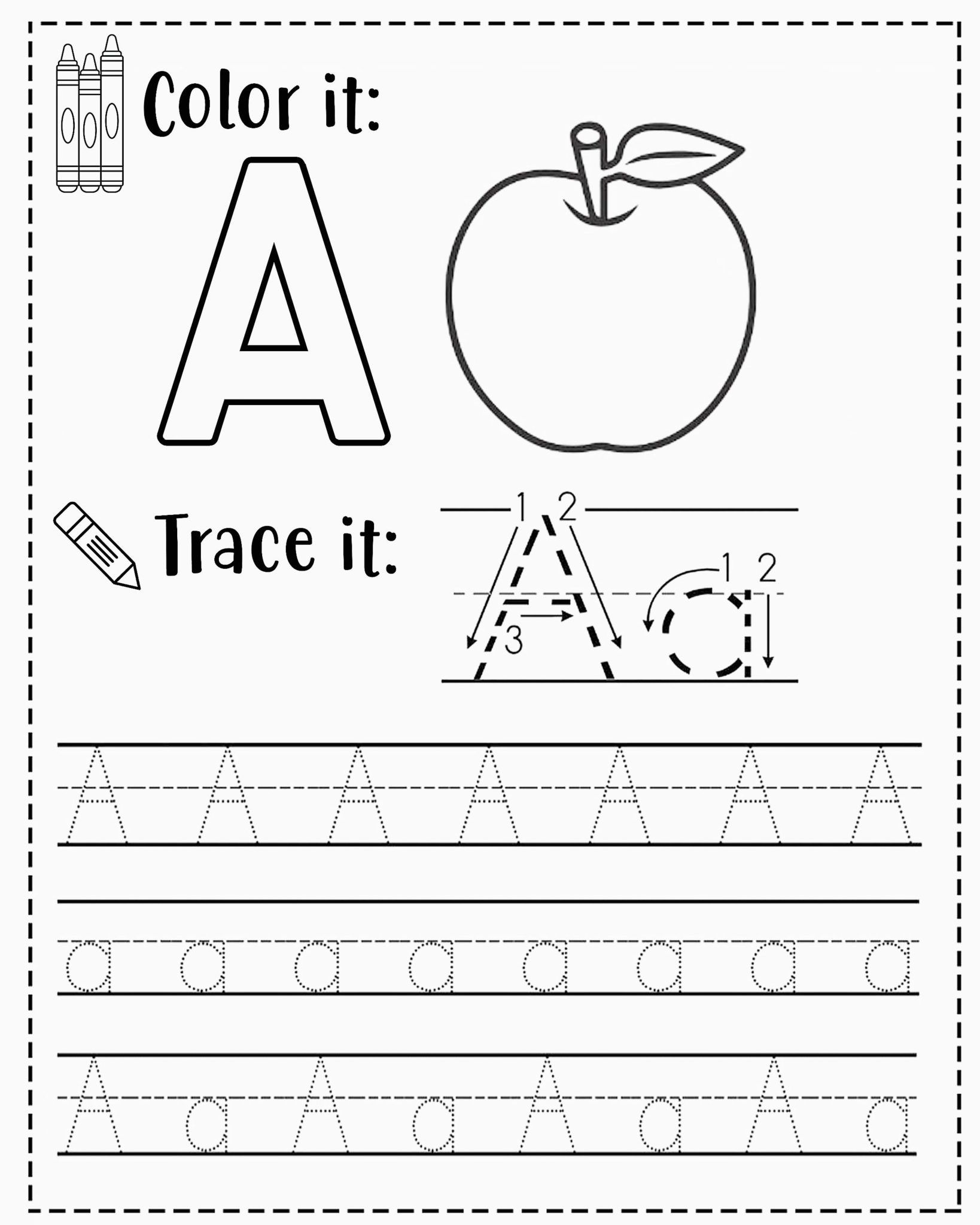
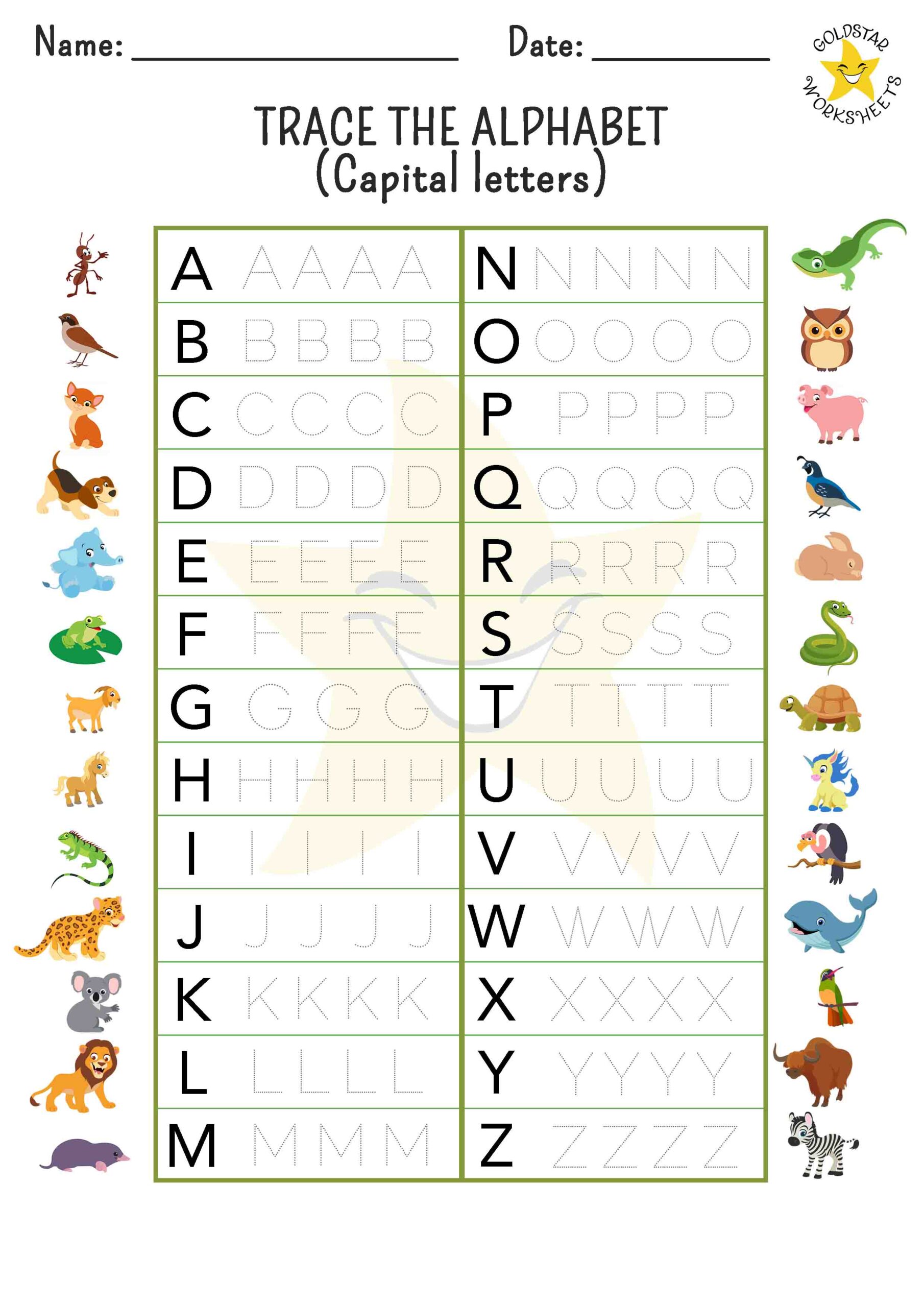
Tracing worksheets serve multiple educational purposes. They help preschoolers develop handwriting skills by allowing them to practice forming letters correctly. By engaging in tracing activities, children learn to recognize different letters, understand their shapes, and develop the muscle memory required for writing. This foundational skill is crucial for later reading and writing success.
Additionally, using Free Preschool Alphabet Tracing Printable Worksheets can make learning more interactive and engaging. Children often respond better to hands-on activities, and tracing letters can be a fun way to incorporate learning into play. These worksheets can be used for independent practice or guided instruction, making them versatile for different teaching environments.
Downloading Your Tracing Worksheets
To get started, you’ll want to download the Free Preschool Alphabet Tracing Printable Worksheets. Here’s how to do it:
- Choose Your Resource: Look for a reputable website that offers free printable worksheets. Ensure the site provides a variety of tracing worksheets, ideally in PDF format for easy printing.
- Select the Specific Worksheets: Many sites categorize their worksheets by skill or subject. Navigate to the alphabet section and select the tracing worksheets that suit your needs.
- Download the Files: Click the download button to save the worksheets to your computer. PDF files are usually straightforward to print and maintain formatting, which is crucial for worksheets.
- Check the File: Before printing, open the downloaded file to ensure that it displays correctly. This step can prevent any issues with formatting during printing.
Preparing the Worksheets for Use
Once you have your worksheets downloaded, it’s time to prepare them for use. Here are some practical steps to follow:
- Print the Worksheets: Use standard letter-sized paper (8.5” x 11”) for easy handling. If you have a color printer, printing in color can make the letters more appealing to young learners. Remember that portrait orientation usually works best for worksheets.
- Consider Using Cardstock: If you plan to use the worksheets multiple times, consider printing them on cardstock. This material is more durable and can withstand repeated use, especially if you laminate them for dry-erase use.
- Lamination for Reusability: If you laminate the worksheets, children can use dry-erase markers to practice tracing letters repeatedly. This approach not only saves paper but also makes cleanup easy.
- Gather Your Supplies: Make sure you have the necessary supplies on hand, such as pencils, crayons, or dry-erase markers, depending on how you choose to use the worksheets.
Implementing Tracing Activities
Now that you have your worksheets ready, it’s time to implement them in your teaching. Here’s a sensible workflow for using the worksheets effectively:
- Introduce the Alphabet: Before starting with the tracing, introduce the letters to the children. You can use flashcards or alphabet songs to make this engaging.
- Demonstrate Tracing: Show the children how to trace the letters. Use a pencil or crayon to demonstrate the correct movements. Emphasize the directionality of each letter, explaining how to start and finish each stroke.
- Guided Practice: Have the children try tracing the letters while you provide guidance. Walk around the room to assist those who may struggle with certain letters. Encourage them to say the letter sound as they trace to reinforce letter recognition.
- Independent Practice: After the guided session, allow children to practice tracing independently. This can foster confidence and give them a chance to work at their own pace.
- Feedback and Reinforcement: As children complete their worksheets, provide positive feedback. Celebrate their successes, and gently correct any mistakes. This encouragement can motivate them to keep practicing.
Integrating Worksheets Into Your Curriculum
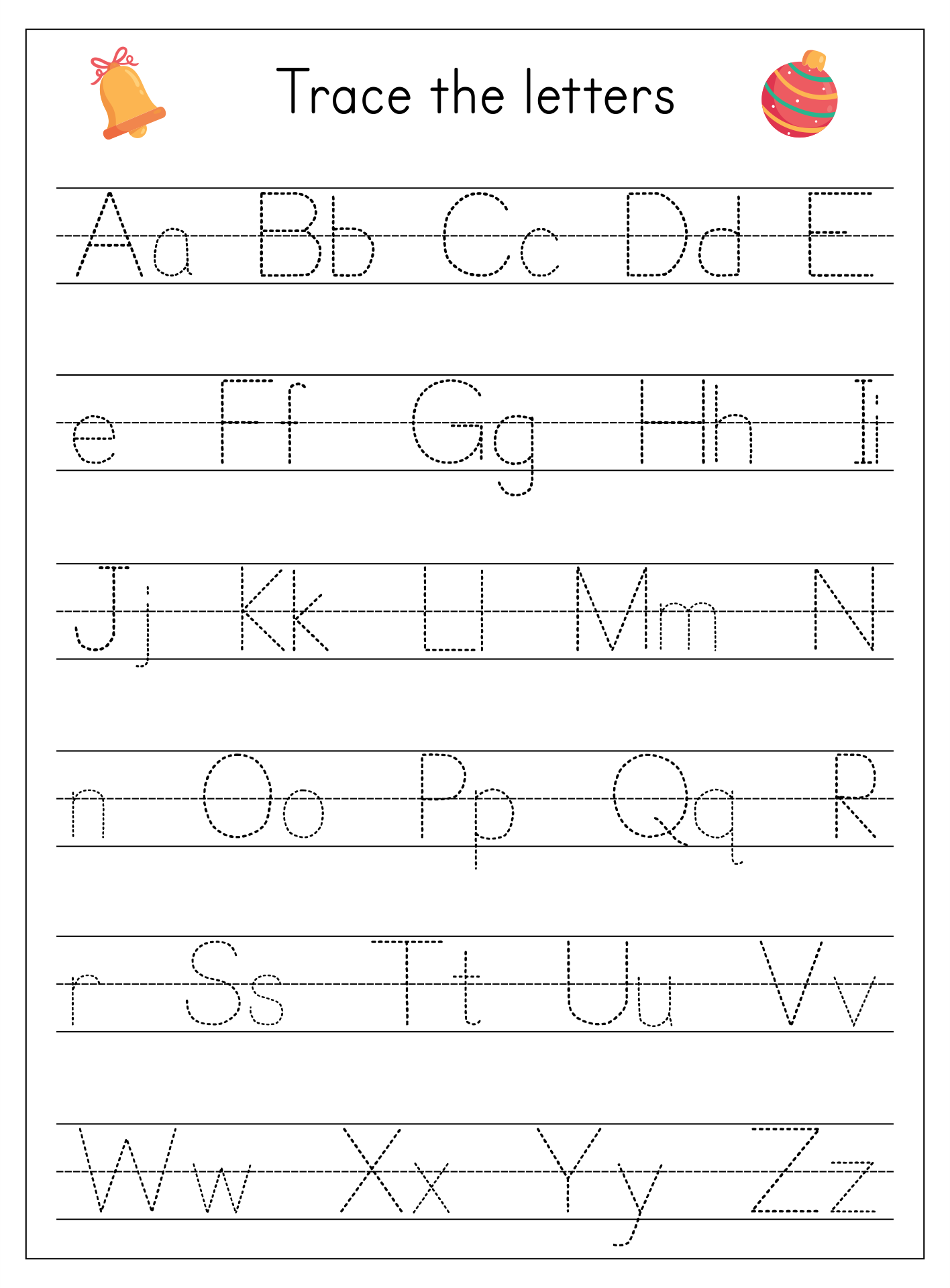
Incorporating Free Preschool Alphabet Tracing Printable Worksheets into your overall curriculum can enhance children’s learning experiences. Here are some ideas on how to integrate them effectively:
- Combine with Other Activities: Pair tracing worksheets with other alphabet-related activities, such as letter crafts or alphabet songs. This multi-faceted approach helps reinforce learning in various contexts.
- Use as Assessment Tools: You can use completed worksheets to assess each child’s progress in letter recognition and writing skills. Keep the worksheets in a portfolio to track improvements over time.
- Create a Routine: Establish a daily or weekly routine that includes tracing practice. Consistency helps children retain what they learn and builds a habit of practicing their writing skills.
- Thematic Learning: Consider incorporating themes into your tracing activities. For example, if the theme is animals, you can have children trace letters while learning about animal names that start with those letters.
- Parental Involvement: Encourage parents to use these worksheets at home as well. Providing guidelines or tips for parents can help reinforce what children learn in class.
The use of Free Preschool Alphabet Tracing Printable Worksheets can make a significant difference in a child’s early literacy development. They not only provide a structured way to learn but also create opportunities for fun and engaging learning experiences. With the right preparation and implementation, these worksheets can become a staple in both classroom and home learning environments.
For best results, remember that the key to effective tracing practice lies in regular engagement and positive reinforcement. The more children practice, the more confident they will become in their writing abilities, setting a strong foundation for their future education.