
Teaching young children to write can be challenging, especially when it comes to mastering the alphabet. Many parents and educators seek effective resources to help children practice their letter writing. The Free Practice Alphabet Tracing Worksheet is designed specifically to address this need, offering a hands-on approach to learning that is both engaging and effective.
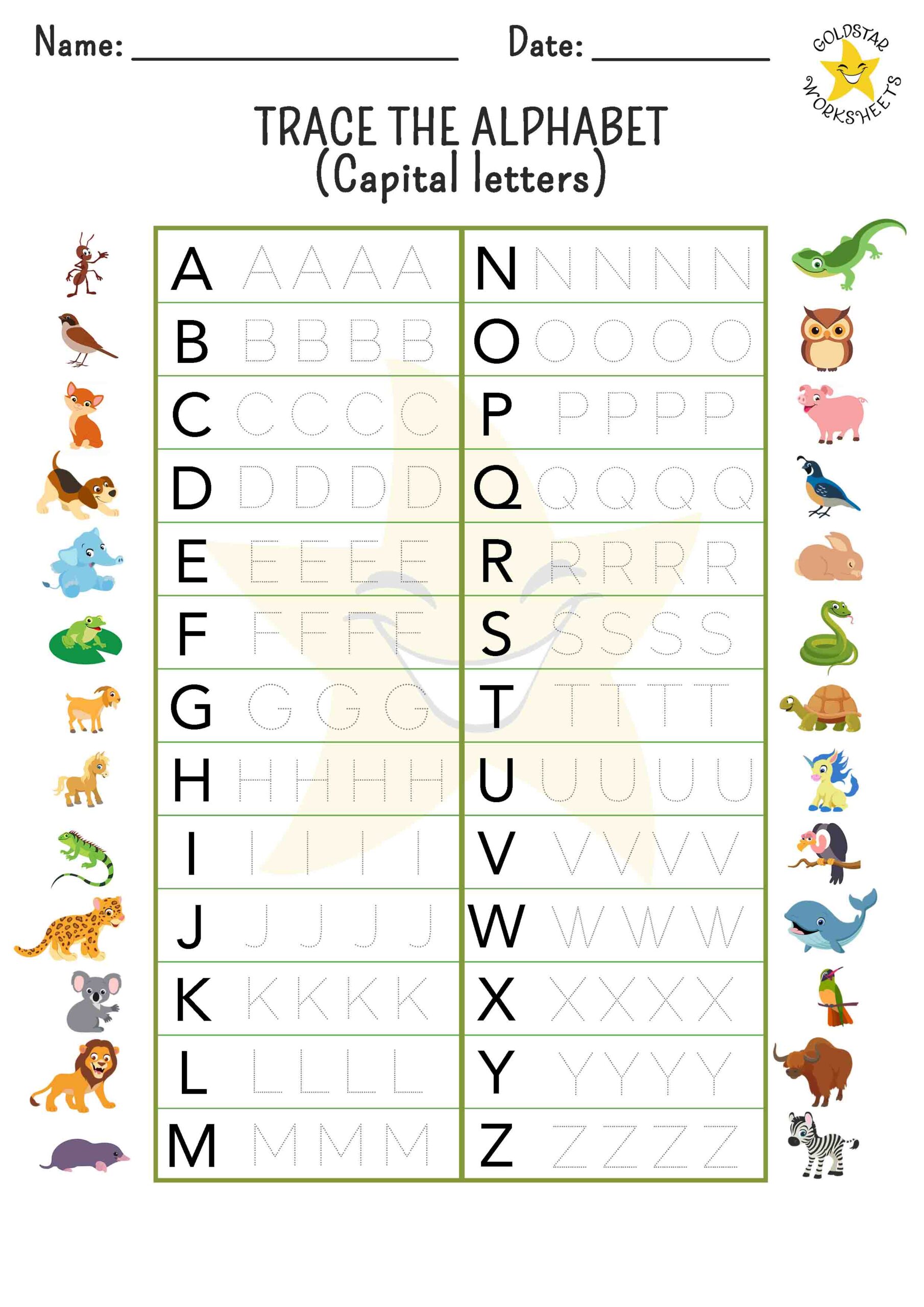
Understanding the Importance of Alphabet Tracing
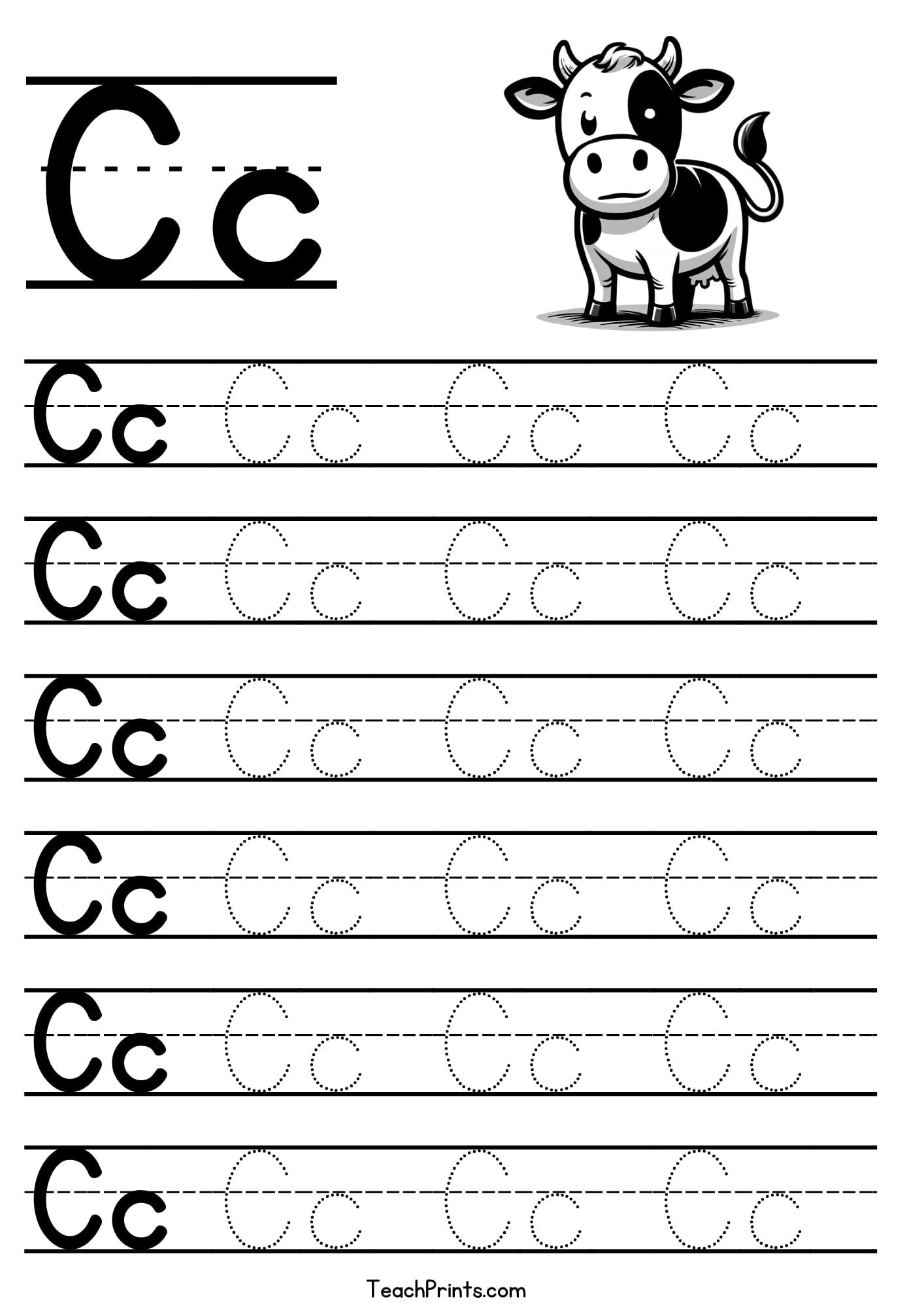
Tracing letters is a fundamental skill that lays the groundwork for future writing. It helps children develop fine motor skills, hand-eye coordination, and an understanding of letter formation. By using a tracing worksheet, you can guide young learners through the process of writing letters correctly. This resource is particularly suitable for preschool and kindergarten-aged children, typically between 3 to 6 years old.
How to Download and Print Your Worksheet
Getting started with the Free Practice Alphabet Tracing Worksheet is easy. Follow these simple steps:
- Choose Your Worksheet: Visit our printable-resource website to find the Free Practice Alphabet Tracing Worksheet. You will typically find it under the educational resources section.
- Download the File: Click the download button to save the worksheet to your device. It usually comes in PDF format, which is ideal for printing.
- Print the Worksheet: Use standard letter-sized paper (8.5 x 11 inches) for best results. Set your printer to print in portrait orientation to ensure the worksheet fits on the page. If available, use a higher quality setting for clear, crisp lines.
- Prepare for Use: If you plan to reuse the worksheet, consider printing it on cardstock or laminating it. This way, children can trace with dry-erase markers, allowing for multiple uses.
Setting Up a Tracing Practice Routine
Once you have your worksheet ready, establishing a regular practice routine is essential for reinforcing learning. Here’s how you can structure the tracing practice:
- Daily Sessions: Aim for short, daily practice sessions of about 10–15 minutes. Consistency helps reinforce memory and skills.
- Focus on a Few Letters at a Time: Instead of overwhelming children with the entire alphabet, focus on a few letters each day. For example, dedicate one day to tracing ‘A’, ‘B’, and ‘C’.
- Incorporate Different Activities: Mix tracing with other activities. Use physical objects like playdough to form letters or engage in songs that emphasize the alphabet.
- Celebrate Progress: Encourage children by celebrating their progress. Use stickers or verbal praise when they complete a session or show improvement.
Engaging Children With Fun Activities
To make the learning experience enjoyable, consider integrating fun activities that complement the Free Practice Alphabet Tracing Worksheet. Here are some ideas:
- Coloring Activities: Use coloring pages of animals or objects that begin with the letters they’ve traced. This helps reinforce letter-sound associations.
- Letter Crafts: Create crafts related to specific letters. For example, make an apple for ‘A’ or a butterfly for ‘B’.
- Interactive Games: Engage children with games that involve letter recognition. Flashcards or letter scavenger hunts can be great options.
Monitoring Progress and Adjusting Techniques
As children practice tracing letters, it’s vital to monitor their progress and adjust your techniques as necessary. Here are some tips:
- Observe Grip and Posture: Pay attention to how children hold their writing instruments. Ensure they have a proper grip and are seated comfortably.
- Provide Constructive Feedback: Offer specific feedback on their tracing efforts. For instance, if a letter is formed incorrectly, gently guide them on how to improve.
- Increase Difficulty Gradually: As children become more confident, gradually introduce lowercase letters or even simple words for tracing.
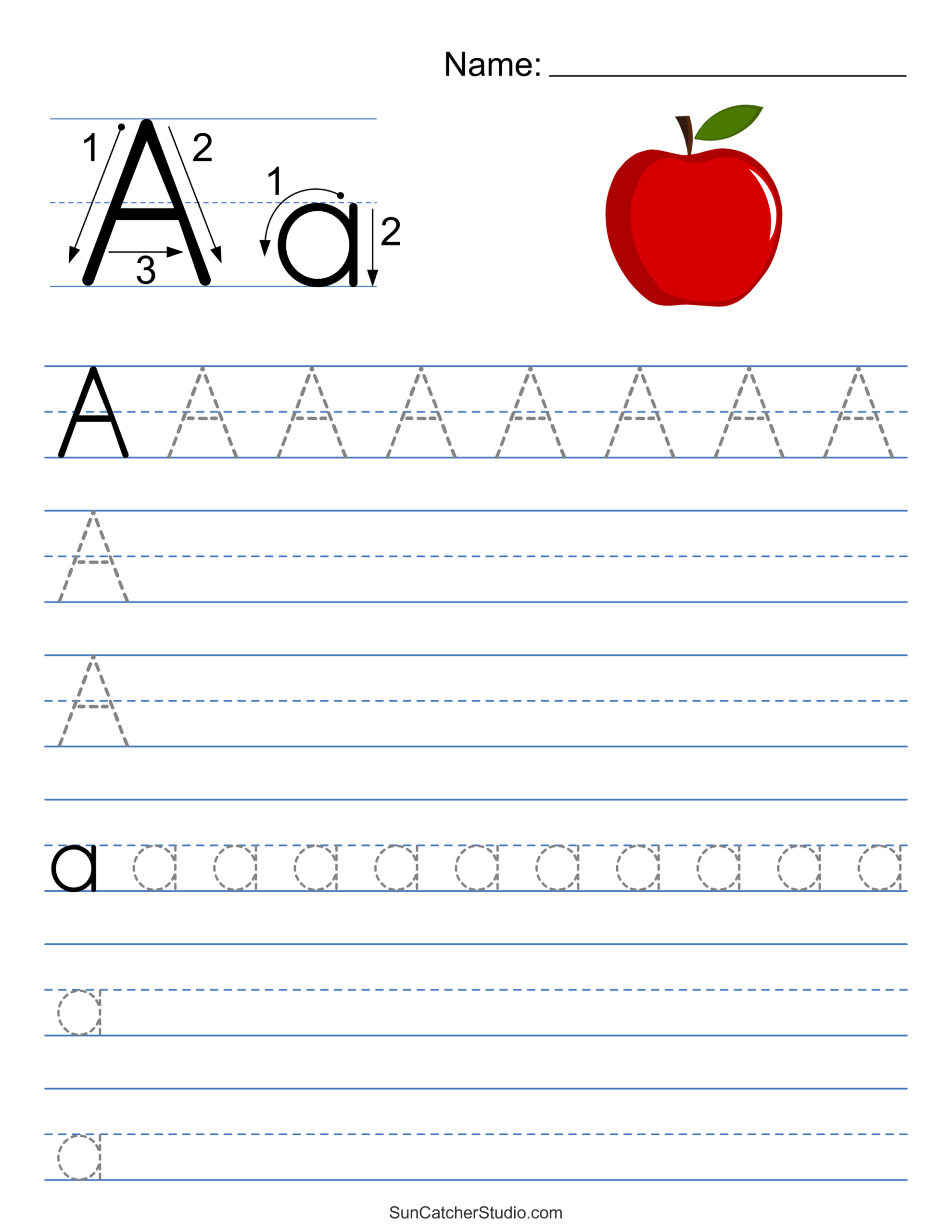
Tips for Effective Use of the Worksheet
To maximize the benefits of the Free Practice Alphabet Tracing Worksheet, consider these practical tips:
- Use Different Writing Tools: Experiment with various writing tools such as crayons, colored pencils, or markers to keep the activity fresh and engaging.
- Incorporate Sensory Elements: For kinesthetic learners, use sand trays or finger paint to form letters before tracing them on paper.
- Create a Tracing Wall: Dedicate a space on the wall where children can showcase their completed worksheets. This serves as a great motivation tool.
By implementing these strategies, you can create a rich learning environment that not only aids in letter recognition and writing but also fosters a love for learning in young children. Whether used at home or in the classroom, the Free Practice Alphabet Tracing Worksheet is a valuable resource for any educator or parent looking to support early literacy skills.
As you begin your tracing sessions, remember to keep the experience light and enjoyable; the goal is to build confidence and encourage a lifelong love for learning.