
Teaching cursive writing can be a rewarding experience, especially when you have the right resources at your fingertips. The Free Lowercase Cursive Alphabet Worksheet stands out as a practical tool for educators, parents, and homeschoolers alike. This worksheet isn’t just a generic printable; it’s specifically designed to help young learners develop their cursive writing skills in an engaging and effective way.
Understanding the Layout of the Worksheet
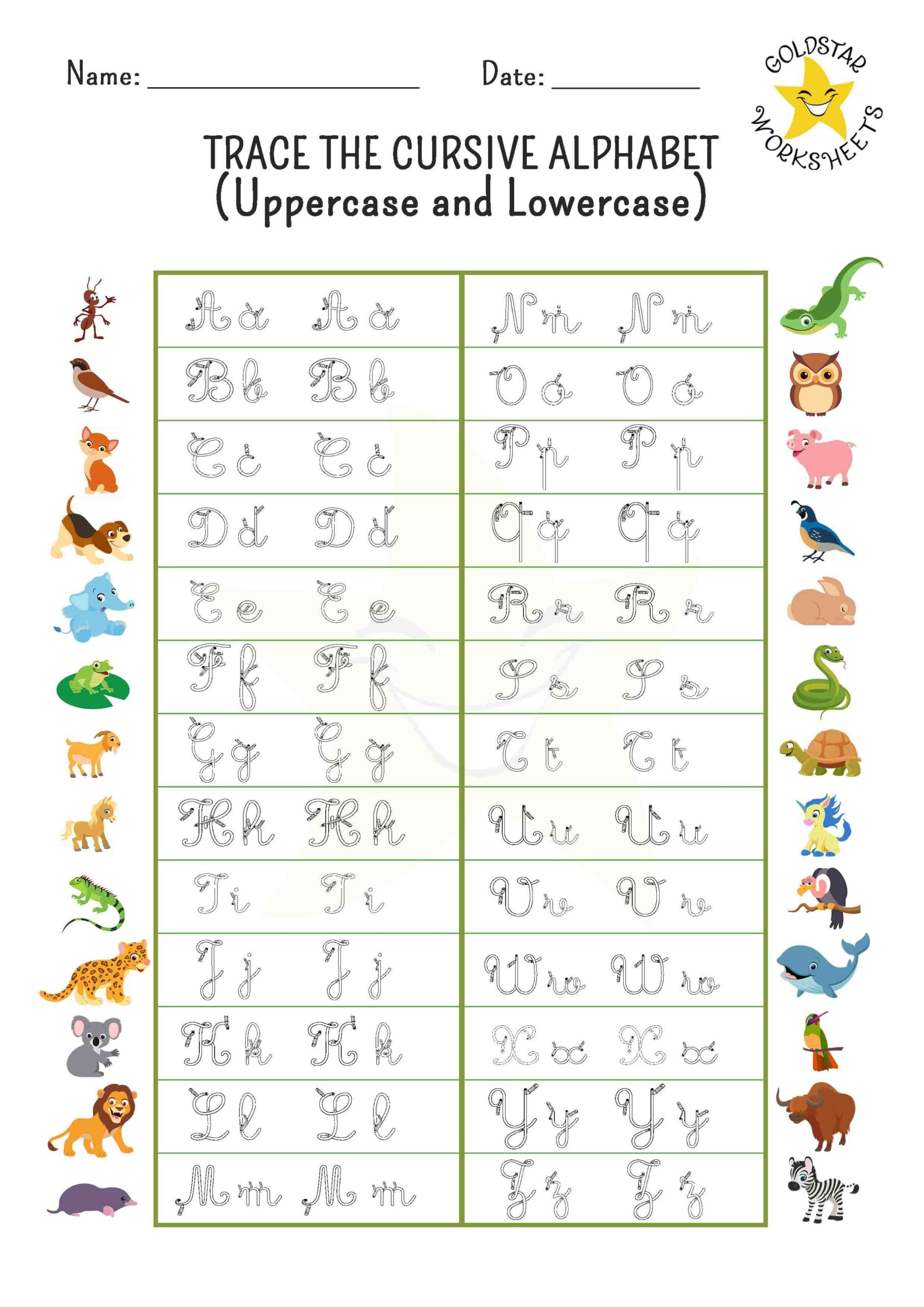
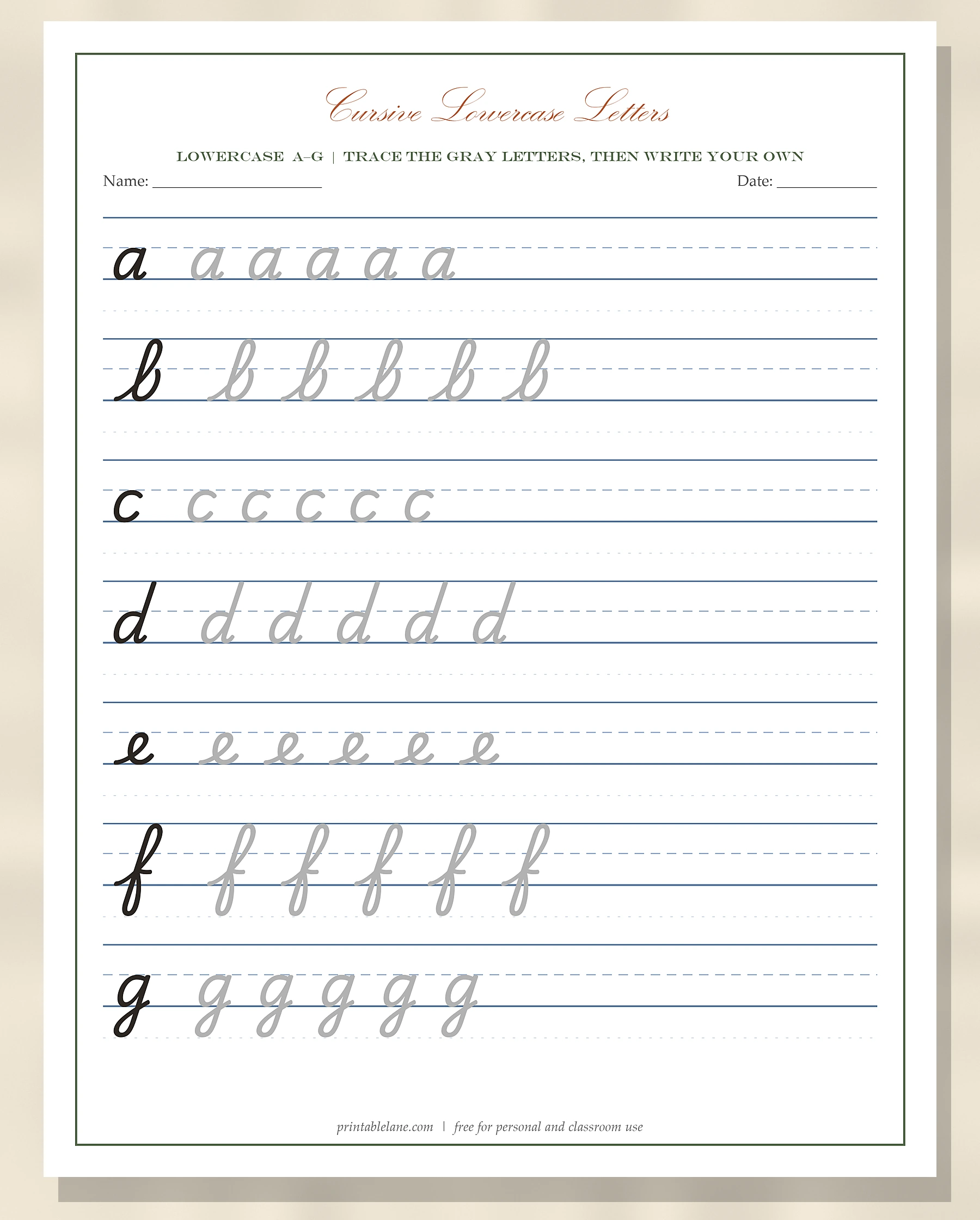
The layout of the Free Lowercase Cursive Alphabet Worksheet is thoughtfully designed to facilitate learning. It typically features a clean, easy-to-read format that is both inviting and functional. Each letter of the alphabet is presented in cursive, along with corresponding blank lines for practice. This setup encourages students to trace and then write the letters independently.
What makes this resource particularly useful is its clear instructional design. You’ll find that the cursive letters are often shown in a larger size at the top of each section, allowing students to visually reference the correct formation as they practice below. The ample space provided for writing helps reduce frustration, especially for younger children who are just beginning to learn cursive.
Practical Usage in the Classroom
When it comes to classroom use, the Free Lowercase Cursive Alphabet Worksheet can serve multiple purposes. It’s perfect for individual practice, but it can also be incorporated into small group activities. For instance, you might have students work in pairs to practice writing letters together, encouraging peer support and collaborative learning.
During a typical lesson, you could start by introducing the concept of cursive writing, explaining its significance in developing fine motor skills and fostering a personal writing style. After a brief demonstration, hand out the worksheets and allow students to begin tracing the letters. Monitor their progress closely; this is where you can assess their understanding and provide individual feedback.
You might also consider using this worksheet as an ongoing assessment tool. By collecting the worksheets after a set period, you can evaluate each student’s progress, identifying areas where they excel and where they may need additional practice.
Adapting for Different Learning Environments
The versatility of the Free Lowercase Cursive Alphabet Worksheet makes it suitable for various learning environments, whether in the classroom, at home, or in a homeschool setting. For parents teaching cursive at home, this worksheet can serve as a daily practice tool. You can set a routine where your child practices a few letters each day, gradually building their confidence and skill level.
For homeschoolers, integrating this worksheet into a larger curriculum can be seamless. Consider pairing it with lessons on letter sounds, vocabulary, or even art projects that involve creating personalized greeting cards or letters. This way, students not only learn cursive writing but also see practical applications for their skills.
Tips for Maximizing Effectiveness
To get the most out of the Free Lowercase Cursive Alphabet Worksheet, here are a few practical tips:
- Use Quality Paper: Print the worksheet on thicker paper or cardstock. This will prevent bleeding through if your students are using markers or gel pens.
- Incorporate Color: Encourage students to use colored pencils or markers to trace the letters. This can make the process more engaging and fun.
- Set Goals: Establish clear goals for each practice session, such as mastering a certain number of letters or completing a specific number of worksheets each week.
- Provide Positive Feedback: Always celebrate progress, no matter how small. This will motivate students to continue practicing.
Progress Tracking and Mastery Indicators
One of the most important aspects of using the Free Lowercase Cursive Alphabet Worksheet is tracking student progress. As they practice, you should be on the lookout for specific mastery indicators. For instance, are they consistently forming the letters correctly? Are they able to write them without tracing?
You might create a simple checklist to assess their skills. Include criteria like legibility, letter formation, and the ability to connect letters smoothly. This checklist can help you identify students who may need additional assistance or practice with certain letters.
Teachers often find that students progress at different rates. Some may quickly master the cursive letters, while others might need more time and encouragement. The worksheet serves as a flexible tool that can accommodate these varying needs.