
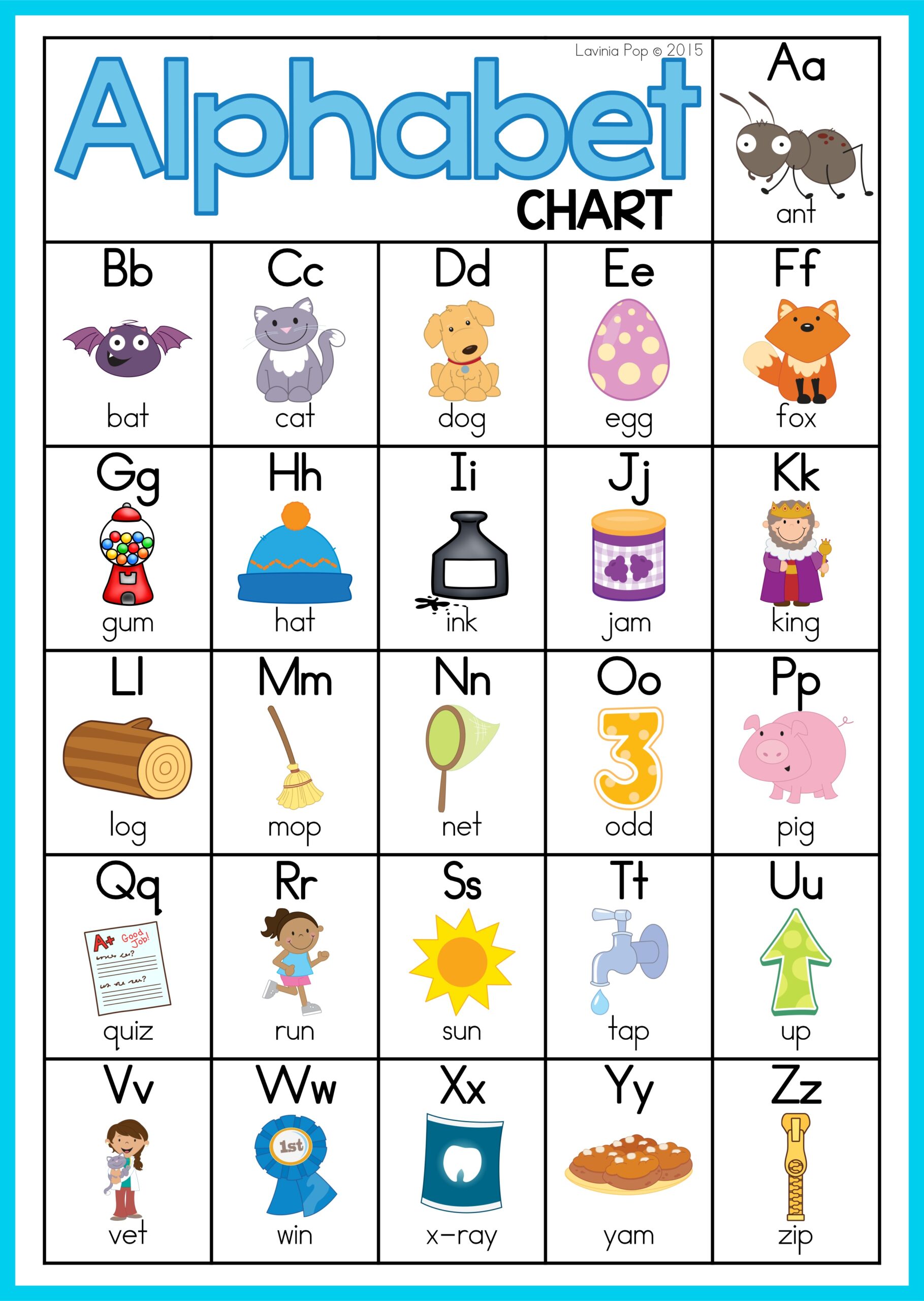
Free Letters To Print Alphabet resources are invaluable for both teachers and parents looking to enhance learning at home or in the classroom. These printable letters can be used for a variety of activities, including literacy development, arts and crafts, and even as decorative elements for themed events. If you are reinforcing letter recognition for preschoolers or providing materials for creative projects, having a collection of free letters to print is a practical tool in your educational toolkit.
Understanding the Importance of Printable Letters
Printable letters serve multiple educational purposes. They can help children learn the alphabet, improve handwriting, and enhance their vocabulary. For young learners, the tactile experience of tracing, coloring, or cutting out letters can significantly enhance their understanding and retention of letter shapes and sounds.
Using free letters to print alphabet resources is particularly beneficial for homeschooling parents who want to incorporate hands-on activities into their daily routines. These resources allow for flexibility in teaching and can easily be integrated into various subjects beyond just language arts.
Where to Find Quality Free Letters
There are several online platforms where you can find high-quality, free letters to print. Websites dedicated to educational resources often have sections specifically for printable letters. Here are some reliable sources to explore:
- Educational Resource Websites: Many educational websites offer free downloads of letter templates, including various styles and fonts. Look for sites that cater specifically to teachers and parents.
- Pinterest: This platform is a treasure trove of creative ideas, including links to printable letters. You can find numerous designs by searching for “free printable letters.”
- Teacher Blogs: Many educators share their resources on personal blogs, offering unique and customizable letter printables that can cater to specific learning objectives.
When selecting a source, ensure that the website allows free downloads and check the file formats available, as PDF is often the most printer-friendly option.
Selecting the Right Letter Style
Different styles of letters can serve various educational purposes. Here’s a breakdown of common styles you might encounter:
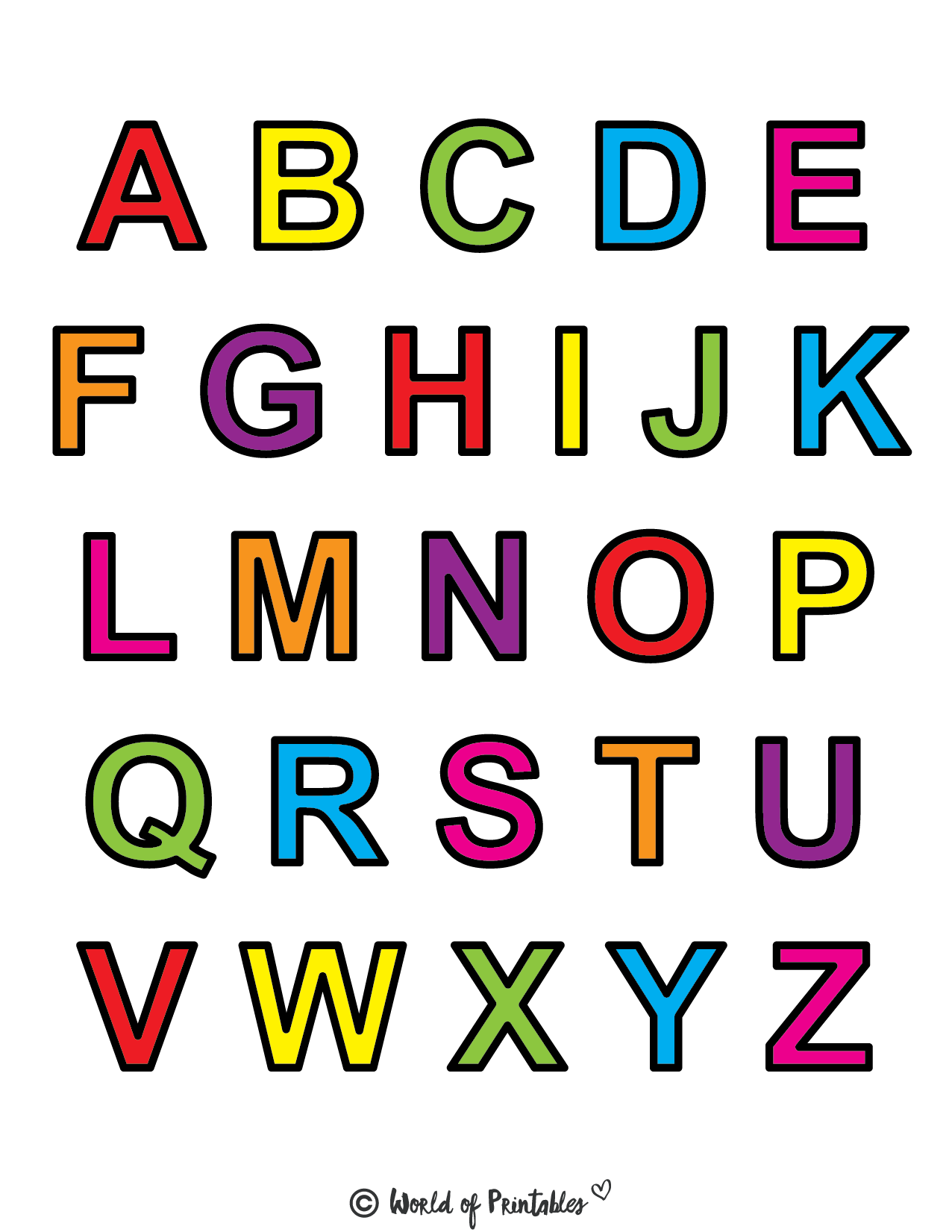
- Block Letters: Ideal for beginners, these letters are easy to read and write. They are perfect for tracing and coloring activities.
- Cursive Letters: Useful for older children, cursive letters help students learn how to connect letters in writing. If you’re teaching handwriting, consider incorporating cursive printables.
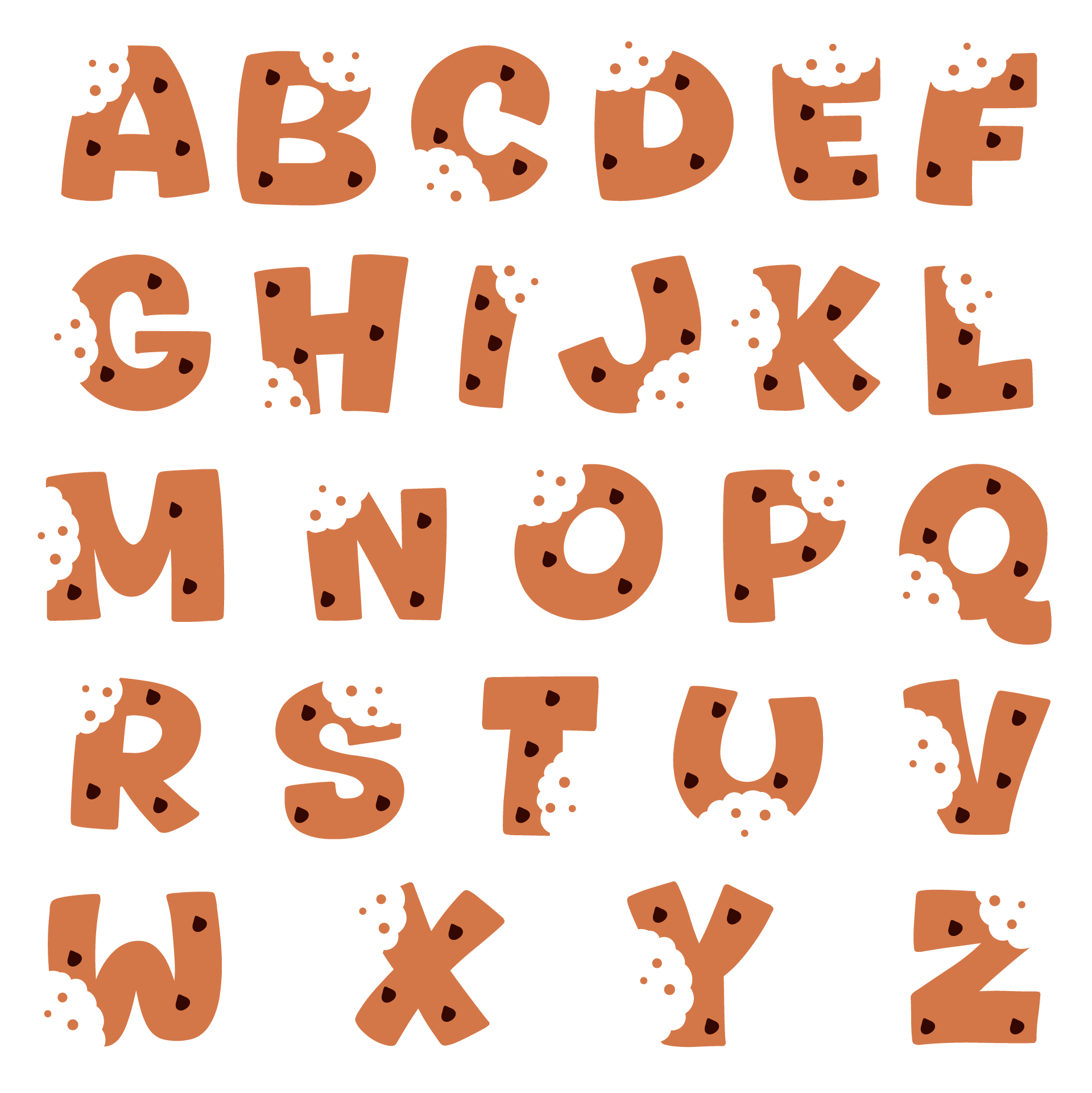
- Decorative Fonts: These can be fun for creative projects, such as making cards or posters. They might not be ideal for teaching letter formation but can add flair to artistic endeavors.
Consider your child’s age and skill level when choosing the letter style. Younger children may benefit more from block letters, while older children can practice with cursive and decorative fonts.
Creative Uses for Free Letters
Once you have your free letters to print, the possibilities are endless. Here are some creative ideas for incorporating them into your learning activities:
- Alphabet Games: Create a matching game using printed letters. You can print two sets of letters and have children match uppercase to lowercase letters.
- Craft Projects: Use the letters for various craft projects, such as making a name banner or decorating a scrapbook. Children can color or decorate each letter to personalize their projects.
- Learning Stations: Set up a learning station with printed letters where children can practice tracing or writing the letters on dry erase boards or paper.
Integrating these letters into daily routines can make learning feel more like play, encouraging children to engage with the material actively.
Tips for Printing and Usage
When it comes to printing your letters, here are some practical tips to ensure the best results:
- Paper Type: For durability, consider using cardstock instead of standard printer paper. Cardstock can hold up better during crafts and is less likely to tear.
- Print Settings: Use portrait orientation for most letter printables. If you’re working with larger letters or want to conserve space, landscape might also be suitable.
- Laminating: If you plan to reuse the letters, lamination can protect them from wear and tear. Laminated letters can be used for tracing and come clean easily with a dry erase marker.
Having a well-organized printing process will make it easier to incorporate these resources into your learning activities.