
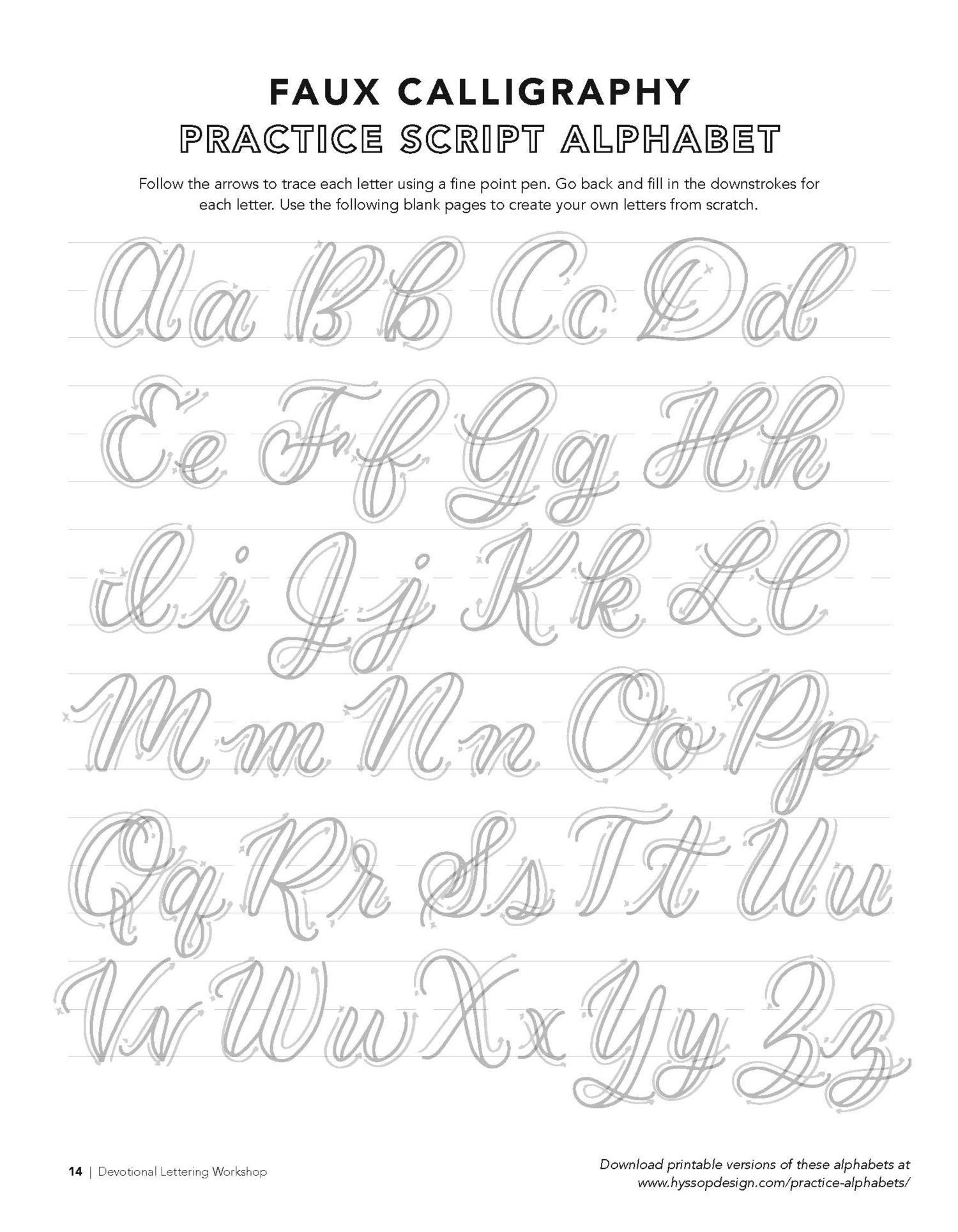
Faux calligraphy is an artistic way to improve handwriting while adding a creative flair. The Free Faux Calligraphy Alphabet Worksheets are excellent tools for teachers and parents looking to enhance students’ or children’s handwriting skills. These worksheets provide a structured approach to learning faux calligraphy, allowing users to practice letter formation in an enjoyable manner.
Understanding Faux Calligraphy
Faux calligraphy is an accessible form of calligraphy that mimics traditional techniques without the need for specialized tools. By using basic pens or pencils, learners can create beautiful lettering styles. This practice is suitable for various age groups, particularly for students in grades 3-8 who are developing their fine motor skills and artistic expression.
Why Use Worksheets?
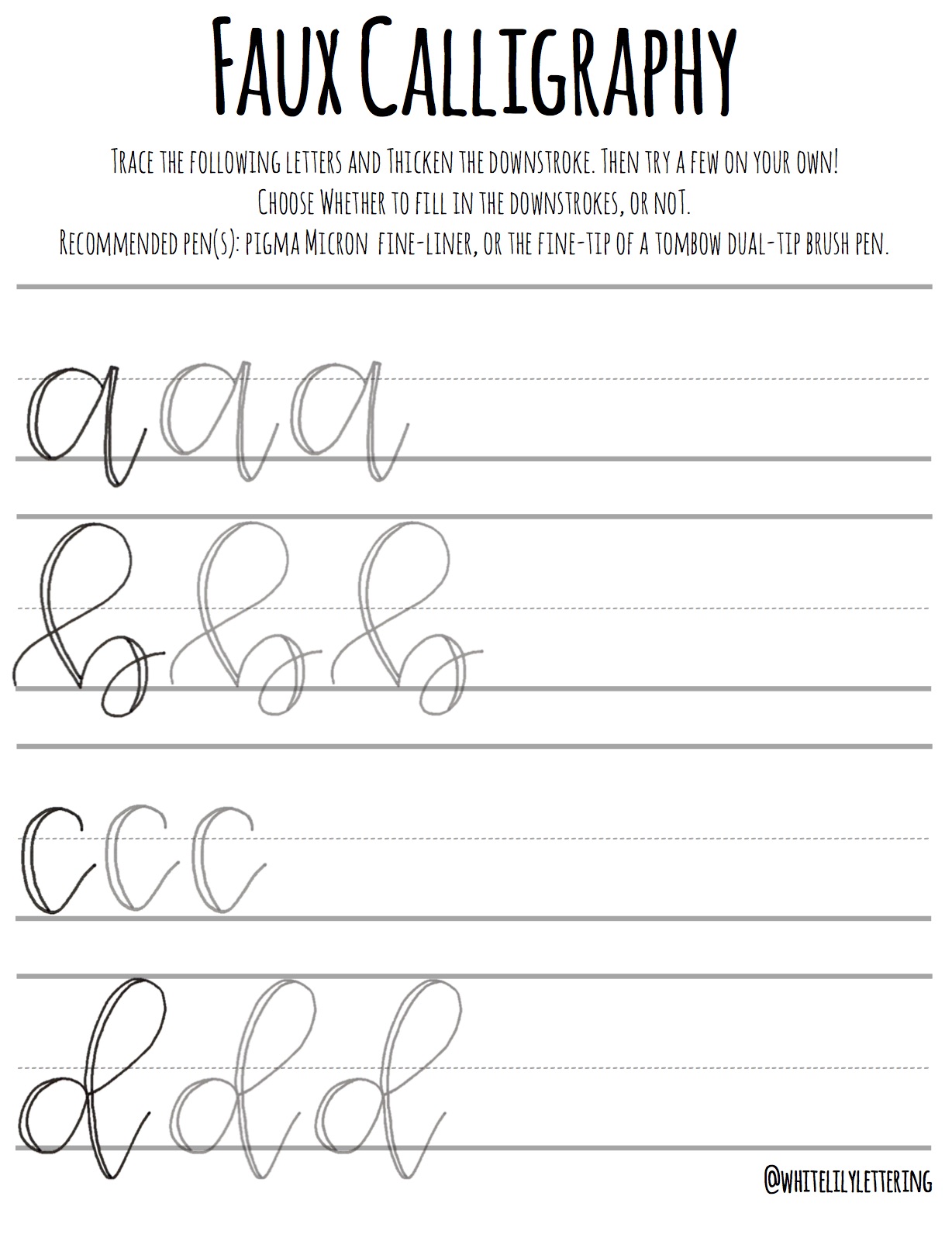
Worksheets serve as a fantastic resource for structured learning. They provide guided practice that reinforces proper letter formation, spacing, and style. Using our Free Faux Calligraphy Alphabet Worksheets, learners can familiarize themselves with the strokes and shapes that make up each letter. This step-by-step approach helps build confidence and skill in a manageable way.
How to Access and Download the Worksheets
Accessing the Free Faux Calligraphy Alphabet Worksheets is straightforward. Follow these steps:
- Visit the Printable Resource Website: Go to the designated section for handwriting resources.
- Locate the Worksheets: Search for “Free Faux Calligraphy Alphabet Worksheets” within the site.
- Download the PDF: Click on the download link to obtain the worksheets in PDF format. This format is often preferred for its compatibility with most devices and ease of printing.
- Save to Your Device: Ensure you save the file in a location that’s easy to access later, like your desktop or a specific folder for educational resources.
Printing the Worksheets
Once you have downloaded the worksheets, you’ll want to print them effectively. Here are some tips for optimal results:
- Use Standard Letter Size (8.5 x 11 inches): This is the most common paper size and fits most printers.
- Select Quality Settings: In your printer settings, choose ‘Best’ or ‘High Quality’ to ensure the lines are crisp and clear.
- Paper Type: Use standard printer paper for practice sheets. If you plan to laminate them for repeated use, consider using cardstock, as it holds up better over time.
Setting Up for Use
Before diving into practice, setting up a conducive environment is crucial. Here’s how to prepare:
- Gather Supplies: You’ll need the printed worksheets, a selection of pens (gel pens or brush pens work well), and a ruler for straight lines if needed.
- Create a Comfortable Workspace: Find a well-lit area with a flat surface, ensuring minimal distractions.
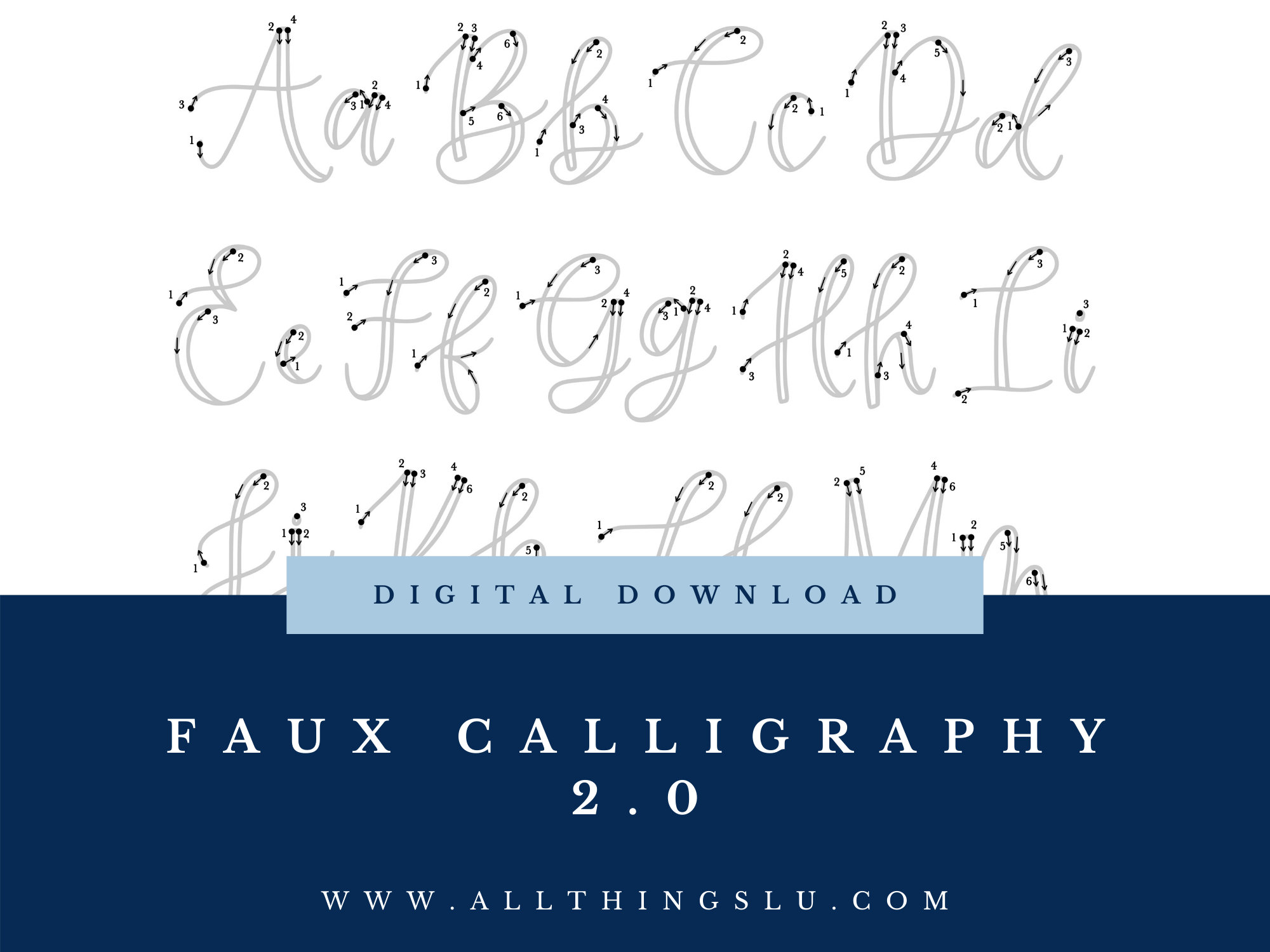
- Demonstrate Basic Strokes: Before starting, demonstrate how to create the basic strokes that will be used in faux calligraphy. This can help students understand the flow and rhythm of the letters.
Utilizing the Worksheets in Practice
Engaging with the Free Faux Calligraphy Alphabet Worksheets should be a fun and rewarding experience. Here’s a practical guide on how to use them effectively:
- Warm-Up: Begin with warm-up exercises by practicing the strokes before moving on to letters. This helps to loosen up the hand and improves control.
- One Letter at a Time: Focus on one letter at a time. Allow students to trace over the letters provided, then encourage them to practice writing the letter independently on the blank lines.
- Mix Upper and Lowercase: Once students feel comfortable with uppercase letters, introduce lowercase letters for a comprehensive understanding of the alphabet.
- Incorporate Words: After mastering individual letters, practice writing simple words or phrases using the faux calligraphy style. This transition reinforces the connection between letters and their usage in real writing.
Incorporating Art and Creativity
Faux calligraphy isn’t just about writing; it also encourages creativity. Here are some ways to blend art with the worksheets:
- Coloring: Encourage students to add colors to their letters. This can be done by outlining letters in one color and filling them in with another.
- Decorative Elements: After mastering the letters, students can add decorative elements like flourishes and doodles to their calligraphy work.
- Create Cards or Gifts: Have students use their new skills to create personalized cards for friends or family. This application of their skills can enhance motivation and enjoyment.
Assessing Progress
As with any skill, tracking progress can be beneficial. Here are some ways to assess students’ development:
- Keep a Portfolio: Have students save their best pieces in a portfolio to showcase their progress over time.
- Peer Review: Encourage students to share their work with classmates for constructive feedback and support.
- Set Goals: Work with students to set achievable goals for their calligraphy practice, such as mastering a specific number of letters per week.
Incorporating the Free Faux Calligraphy Alphabet Worksheets into your teaching or home practice can significantly enhance handwriting skills while allowing for artistic expression. The worksheets provide a structured yet flexible way to learn and develop a valuable skill set. Don’t forget, practice is key in mastering faux calligraphy, and these resources make it both fun and educational.