
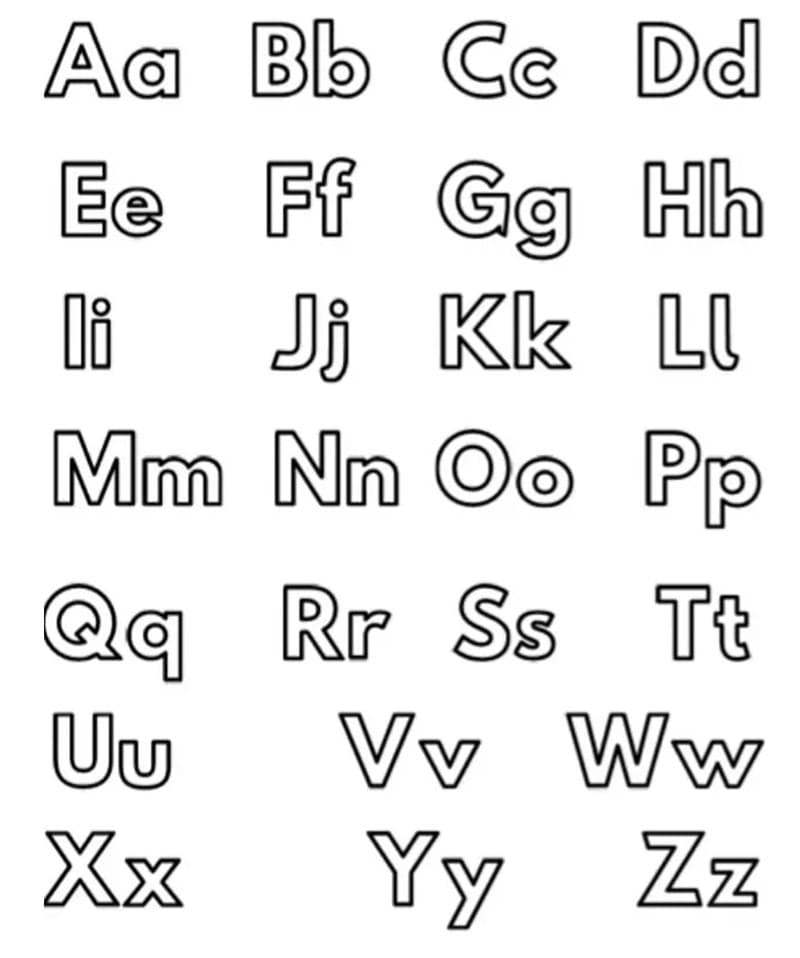
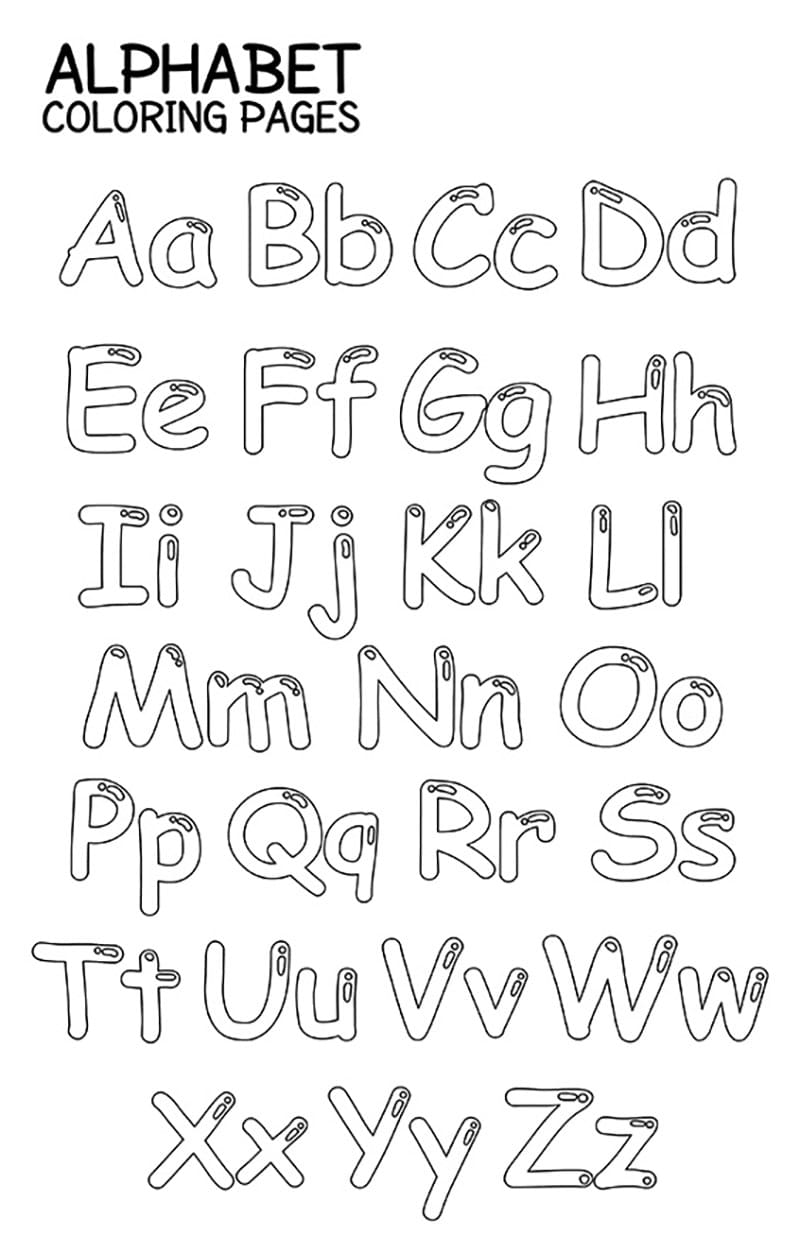
Introducing young learners to the alphabet can be a daunting task. However, using engaging resources like Free Coloring Upper And Lowercase Alphabet Pages can make this process enjoyable and effective. These printable coloring pages help reinforce letter recognition while allowing children to express their creativity. In this guide, I’ll walk you through the steps to effectively use these resources in your classroom or at home.
Understanding the Importance of Alphabet Recognition
Alphabet recognition is a foundational skill that helps children develop reading and writing abilities. When children can identify both uppercase and lowercase letters, they are better prepared to decode words and understand language structure. Using coloring pages as a learning tool can enhance this skill in a fun and interactive manner.
Coloring engages fine motor skills, encouraging children to practice holding a crayon or pencil correctly. This activity also promotes concentration, helping young learners to focus on the task at hand.
Where to Find Free Coloring Upper And Lowercase Alphabet Pages
Finding high-quality, free resources can be a challenge. Fortunately, many websites offer downloadable and printable alphabet coloring pages. Look for sites that specialize in educational materials, as they often provide pages designed specifically for teaching purposes.
When searching, use specific terms like “free alphabet coloring pages” or “printable lowercase and uppercase alphabet worksheets.” Ensure that the pages are easy to print and accessible in popular formats such as PDF.
Downloading and Printing Your Alphabet Pages
Once you’ve found suitable Free Coloring Upper And Lowercase Alphabet Pages, it’s time to download and print them. Here are the steps to follow:
- Choose Your Pages: Select the pages that best suit your teaching goals. You may want to have a mix of uppercase and lowercase letters, or focus on one at a time.
- Download: Click on the download link for each page. Most sites will provide a PDF option, which is typically the best format for printing.
- Check Print Settings: Before printing, check your printer settings. Use portrait orientation for most coloring pages, and select the right paper size—usually, standard letter size (8.5 x 11 inches) works best.
- Print: Print the pages. For durability, consider using cardstock instead of regular paper, especially if the pages will be colored multiple times or if you plan to laminate them for reuse.
Setting Up a Coloring Session
Now that you have your printed pages, it’s time to set up a successful coloring session. Here are some tips:
- Gather Supplies: Provide a variety of coloring materials such as crayons, colored pencils, or markers. This variety can cater to different preferences and help keep children engaged.
- Create a Comfortable Space: Set up a designated coloring area where children can focus. Ensure there’s enough light and space to work comfortably.
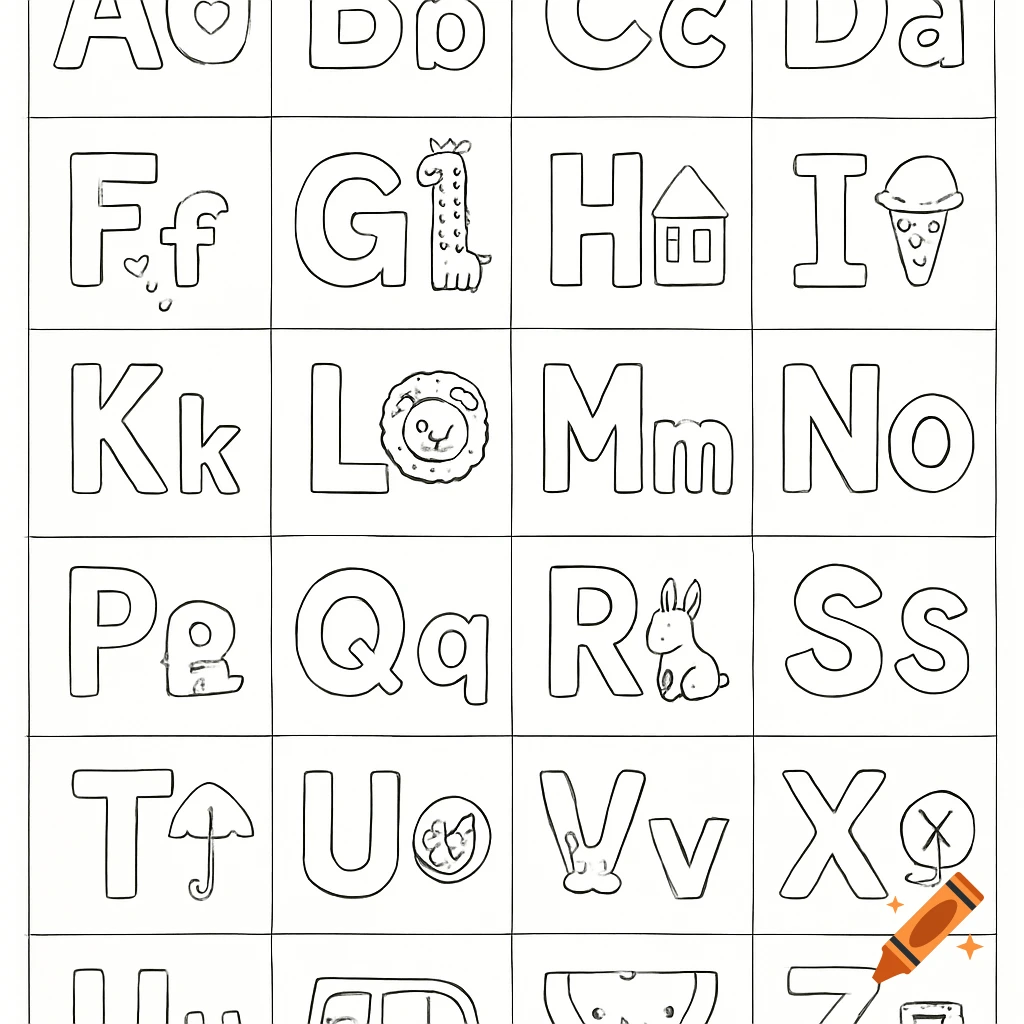
- Introduce the Letters: Before starting, review the letters on the pages. Ask the children to identify the letters and discuss words that begin with each letter. This reinforces learning while they color.
Incorporating Learning Into the Coloring Activity
While coloring, you can incorporate additional learning activities to enhance the experience:
- Letter Sounds: Encourage children to say the sound of each letter as they color. This helps connect the visual representation of the letter with its phonetic sound.
- Word Association: Ask the children to think of words that start with each letter. For example, while coloring ‘A,’ they might say “apple” or “ant.” This reinforces vocabulary and letter recognition.
- Coloring Challenges: Create small challenges like coloring all the letters in a specific color or using patterns. This adds an element of fun and keeps children engaged.
Tracking Progress and Reinforcing Skills
Tracking progress is essential to ensure that children are mastering the alphabet. Use the following methods to assess their learning:
- Check Completed Pages: Review the children’s finished coloring pages. Look for neatness and whether they stayed within the lines, which can indicate fine motor skill development.
- Conduct Letter Recognition Quizzes: After completing the coloring pages, conduct informal quizzes where you ask children to identify letters or sounds.
- Create a Portfolio: Consider creating a portfolio for each child. Collect their completed coloring pages and any additional worksheets to track their progress over time.
Expanding the Activity Beyond Coloring
To further enrich the learning experience, you can expand the coloring activity into other areas of learning:
- Craft Projects: Use the colored pages to create a bulletin board display. Children can help decorate the classroom with their artwork, reinforcing pride in their work.
- Story Time: After coloring, read a story that incorporates the letters or words from the pages. This can help connect the activity with real-world applications.
- Games: Turn the letters into a game by having children find items in the classroom that start with the same letters they colored. This creates a dynamic learning environment.