
Coloring pages are a fantastic tool for preschoolers to learn the alphabet in a creative and engaging way. The free coloring pages alphabets preschoolers will love not only provide entertainment but also help develop fine motor skills, letter recognition, and creativity. In this article, we’ll explore the benefits of using these coloring pages, practical tips for incorporating them into your teaching routine, and how to effectively use them in various learning environments.
Benefits of Coloring Pages for Alphabet Learning
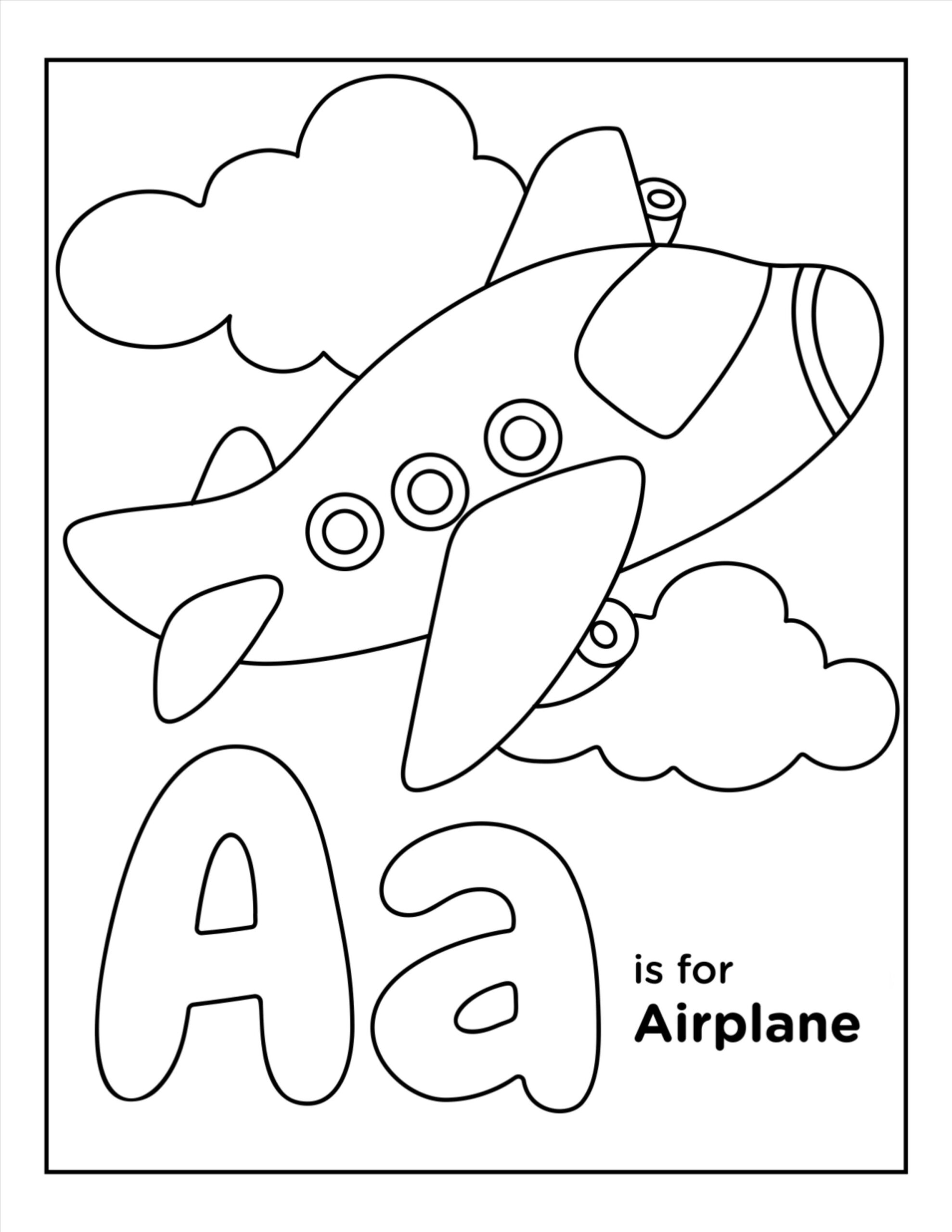
Using free coloring pages for teaching the alphabet offers numerous advantages. Firstly, coloring helps improve fine motor skills, which are essential for writing. As children grip crayons or markers, they strengthen the small muscles in their hands that will eventually aid in holding a pencil.
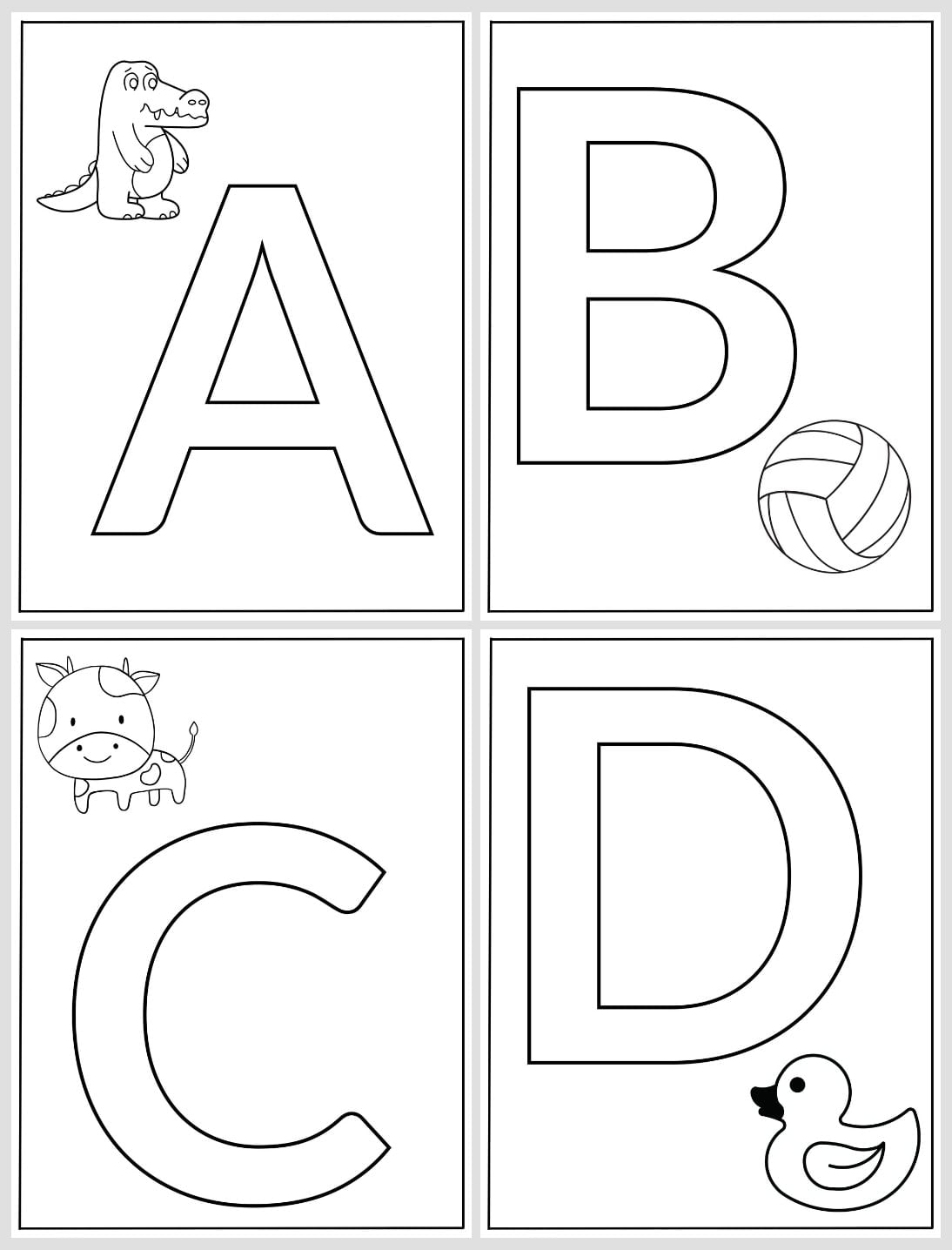
Secondly, these coloring pages make learning letters fun. Engaging visuals capture children’s attention, making it easier for them to remember the shapes and sounds of different letters. When children color letters alongside related images (like an apple for “A” or a ball for “B”), they create associations that enhance memory retention.
Lastly, coloring can also serve as a calming activity. It allows children to focus and express themselves creatively, which is particularly beneficial for those who may struggle with traditional learning methods.
How to Use Coloring Pages in the Classroom
When it comes to using free coloring pages alphabets preschoolers will enjoy, planning is key. Here are some practical tips for integrating these resources into your classroom:
- Print in Bulk: Consider printing multiple copies of each coloring page. This allows you to provide each student with their own page, eliminating the need for sharing and promoting individual engagement.
- Set Up a Coloring Station: Designate an area in your classroom for coloring activities. Keep a variety of coloring tools (crayons, markers, colored pencils) available to encourage creativity.
- Combine with Other Activities: Use coloring pages as a transition activity or a calming end-of-day task. You can pair them with songs or stories about the alphabet to reinforce learning.
- Incorporate Letter Sounds: As children color, encourage them to say the letter and its sound out loud. This verbal reinforcement helps solidify their understanding of phonics.
- Display Completed Work: Create a classroom display of students’ colored pages. This not only boosts their confidence but also fosters a sense of community and pride in their work.
Ideas for Home Use
For parents and caregivers, free coloring pages alphabets preschoolers can use at home provide an excellent way to support early literacy. Here are some ideas for effective use:
- Create a Learning Binder: Organize various coloring pages in a binder. This can serve as a fun resource for daily practice at home, making it easy to keep track of progress.
- Combine with Storytime: After reading a story that emphasizes certain letters, have your child color the corresponding pages. This reinforces the letters learned in context.
- Use as Rewards: After completing homework or chores, offer coloring pages as a reward. This not only makes learning enjoyable but also encourages positive behavior.
- Encourage Sharing: If your child enjoys coloring, invite them to share their work with friends or family. This can enhance their confidence and communication skills.
Choosing the Right Materials
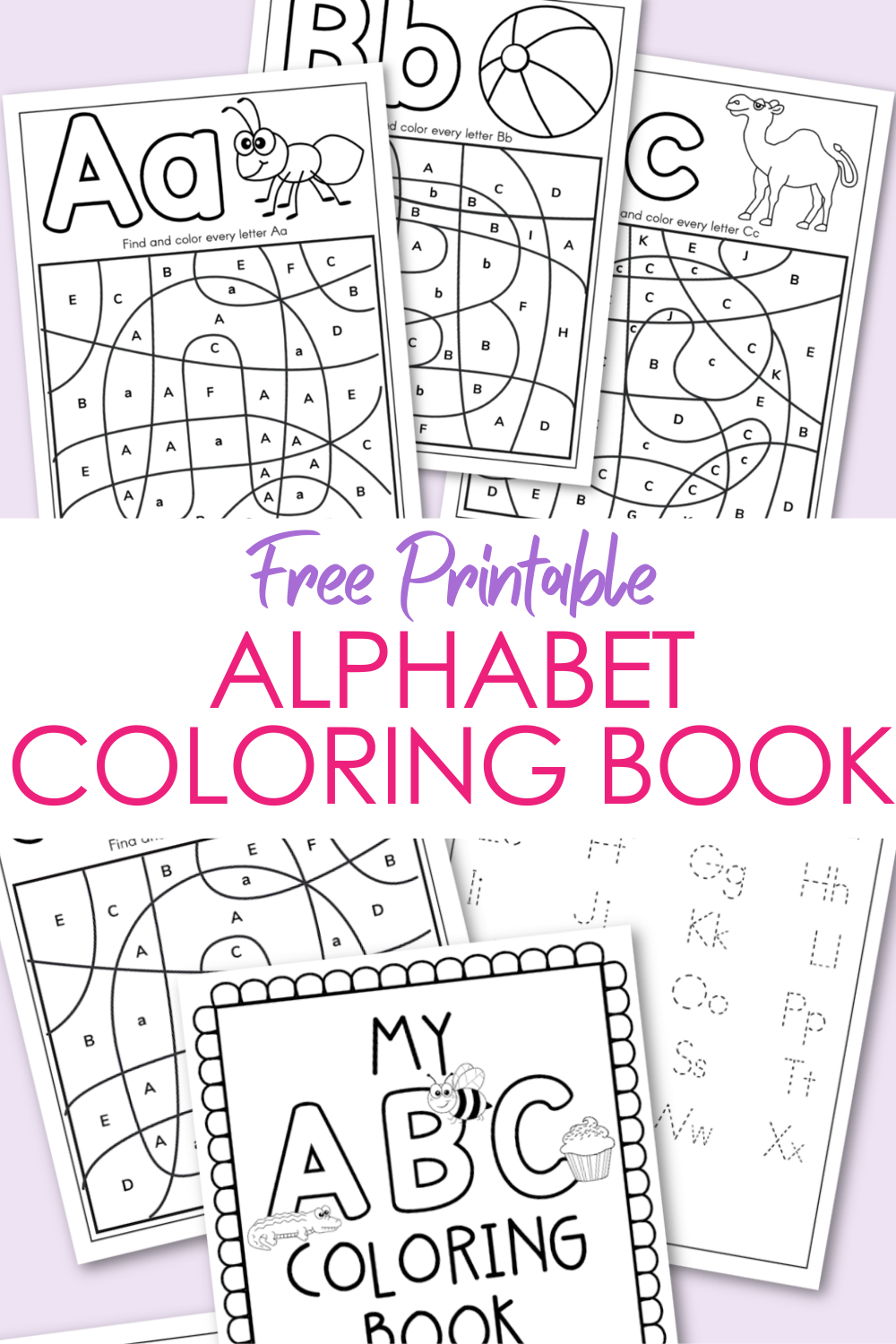
When selecting free coloring pages for preschoolers, consider the following:
- Paper Quality: Use thicker paper or cardstock if you plan to laminate the pages for durability. This is especially useful if children will use water-based markers that might bleed through regular paper.
- Printer Settings: For best results, print in portrait orientation, which typically works better for coloring pages. Adjust your printer settings to ensure the colors are vibrant and the lines are clear.
- Coloring Tools: Offer a variety of coloring tools. Crayons are great for younger children, while older preschoolers might enjoy markers or colored pencils. Each tool can help develop different skills.