
Learning the alphabet is a foundational skill that every child must master, and the Free Alphabet Worksheets A-Z are a valuable resource tailored to help educators and parents support early literacy development. These worksheets provide a variety of engaging activities that cater to different learning styles, making them perfect for classroom use, homeschooling, or at-home practice. You’ll find that these resources stand apart from others thanks to their thoughtful design and versatility.
Understanding the Structure of the Worksheets
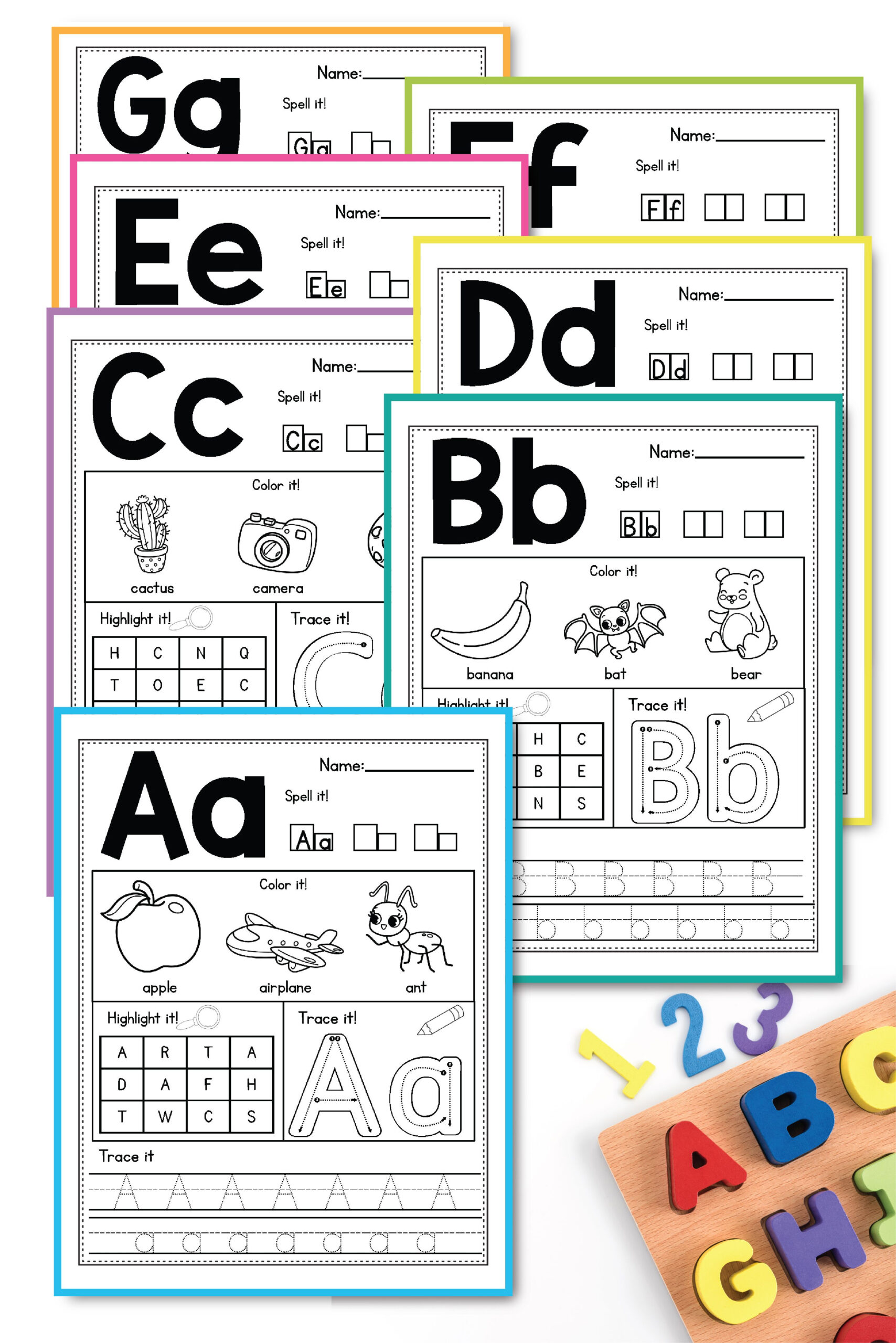
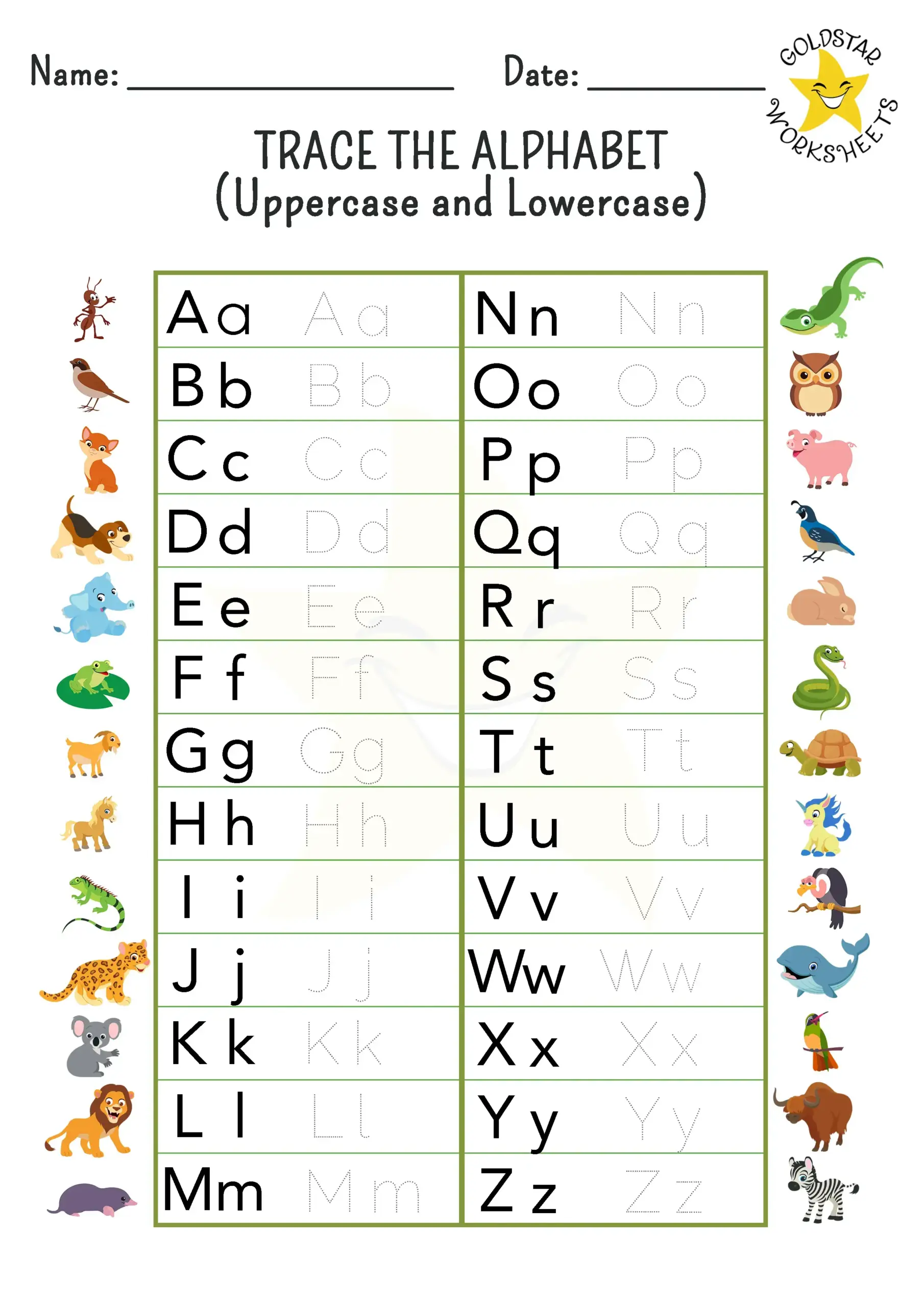
Each worksheet in this collection is designed with clarity and simplicity in mind. They typically feature one letter per page, with ample space for children to practice writing the letter in both uppercase and lowercase forms. Additionally, you’ll often find accompanying images or words that begin with the featured letter, creating a visual association that enhances memory retention.
The layout is intuitive, allowing young learners to focus on one letter at a time without feeling overwhelmed. This targeted approach is especially beneficial for preschool and kindergarten-aged children, as it aligns with their developmental stages.
Activities Included in the Worksheets
The Free Alphabet Worksheets A-Z include a variety of activities designed to reinforce letter recognition and phonemic awareness. Here are some common types of activities you can expect to find:
- Tracing: Children can practice their handwriting skills by tracing both the uppercase and lowercase letters. This not only helps with letter formation but also improves fine motor skills.
- Coloring: Many worksheets feature images that correspond with the letter of the week. For example, a worksheet focusing on the letter ‘A’ may include an apple illustration for children to color. This adds an art element to learning and helps to solidify the letter’s association with its sound.
- Matching: Some worksheets may include matching activities where children connect letters to corresponding images or words, further reinforcing their understanding of letter sounds.
- Cut and Paste: Engaging children in hands-on activities, like cutting and pasting pictures that start with the targeted letter, can enhance their learning experience and make it more interactive.
By incorporating these various activities, the worksheets cater to different learning preferences and keep children engaged while they practice their alphabet skills.
Assessing Progress With the Worksheets
To check progress effectively, look for specific indicators of mastery as children complete each worksheet. For example, when children can consistently trace letters without guidance, it’s a sign they are developing good handwriting skills. Additionally, if a child can identify the letter’s sound and provide words that start with that letter, that indicates a solid understanding of phonemic awareness.
After using the worksheets, consider asking children to identify letters in their environment, such as in books or on signs. This real-world application can help solidify their learning and make it more meaningful.
How to Use the Worksheets Effectively
Using the Free Alphabet Worksheets A-Z effectively involves a few strategic approaches. Here are some practical tips:
- Routine Practice: Set a regular time each day for letter practice. Consistency helps reinforce learning.
- Incorporate Multi-Sensory Activities: Pair the worksheets with activities that engage other senses. For instance, use playdough to form letters or sing the alphabet song while pointing to the letters on the worksheets.
- Group Activities: If you’re in a classroom setting, consider using the worksheets for group work. Children can work in pairs to help each other with tracing or coloring, promoting collaboration and peer learning.
- Parent Involvement: Encourage parents to participate by sending the worksheets home. This allows for additional practice and reinforces the connection between home and school learning.
- Progress Tracking: Keep track of which letters children find most challenging. This can guide future lessons and help tailor your teaching approach to meet their needs.
Choosing the Right Format for Printing
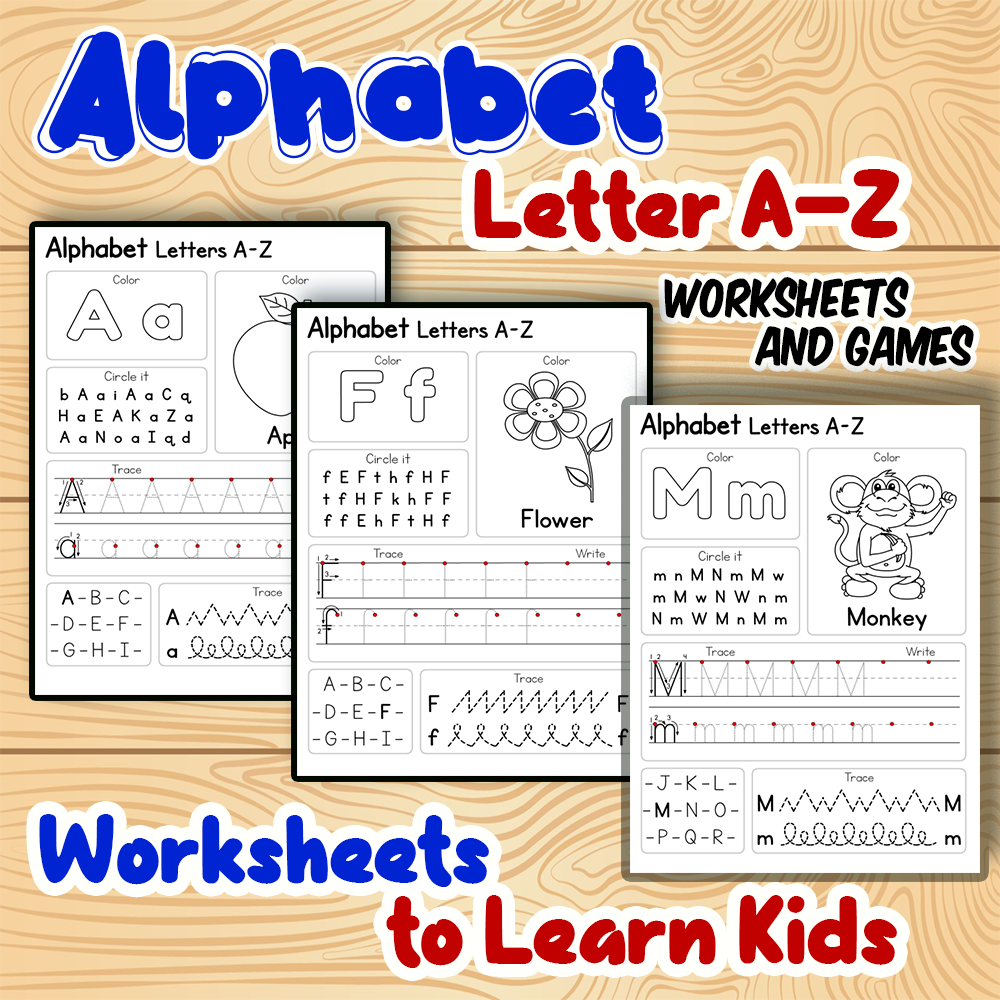
When it comes to printing the Free Alphabet Worksheets A-Z, consider the following options to ensure the best results:
- Paper Type: Standard printer paper is often sufficient for worksheets. However, if you’re looking to create a more durable resource, consider using cardstock. This material holds up better to repeated handling, especially if you plan to laminate the worksheets for long-term use.
- Print Settings: Use portrait orientation for most worksheets, as this typically works best for standard classroom setups. If you’re printing at home, ensure your printer settings are adjusted to handle the paper size you’ve chosen, usually 8.5 x 11 inches.
- Color vs. Black and White: If possible, print in color to enhance visual appeal, especially for coloring pages. However, black and white prints can be a cost-effective option for tracing and writing practice.
By considering these printing factors, you can create a resource that stands up to daily use and remains visually engaging for children.