
Helping preschoolers develop their writing skills is crucial for their education. One effective method is through the use of free alphabet tracing worksheets for preschool. These worksheets provide a structured way for children to practice letter formation and improve their fine motor skills. In this article, we’ll explore how these worksheets can be utilized effectively in both home and classroom settings.
What Are Alphabet Tracing Worksheets?
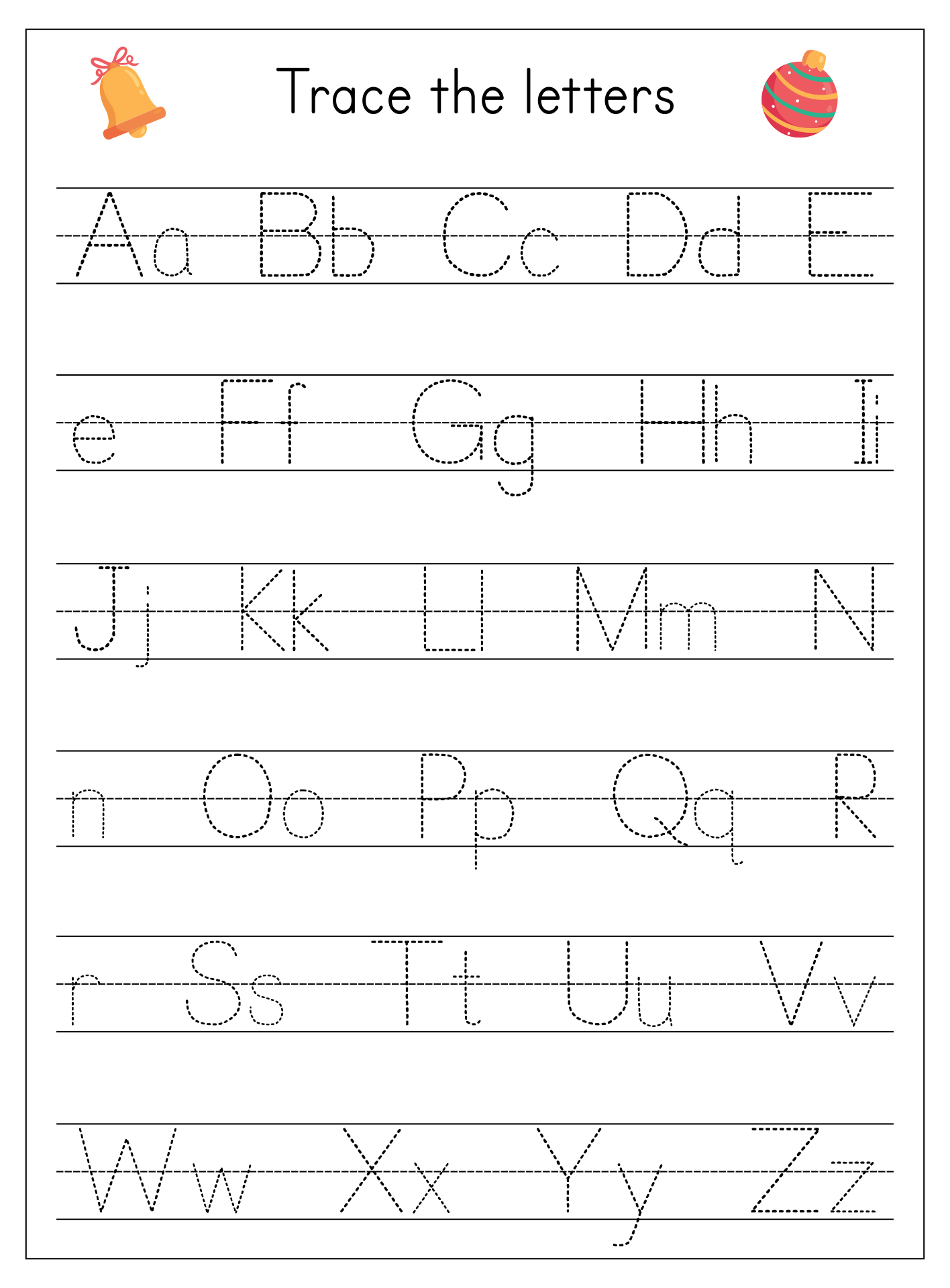
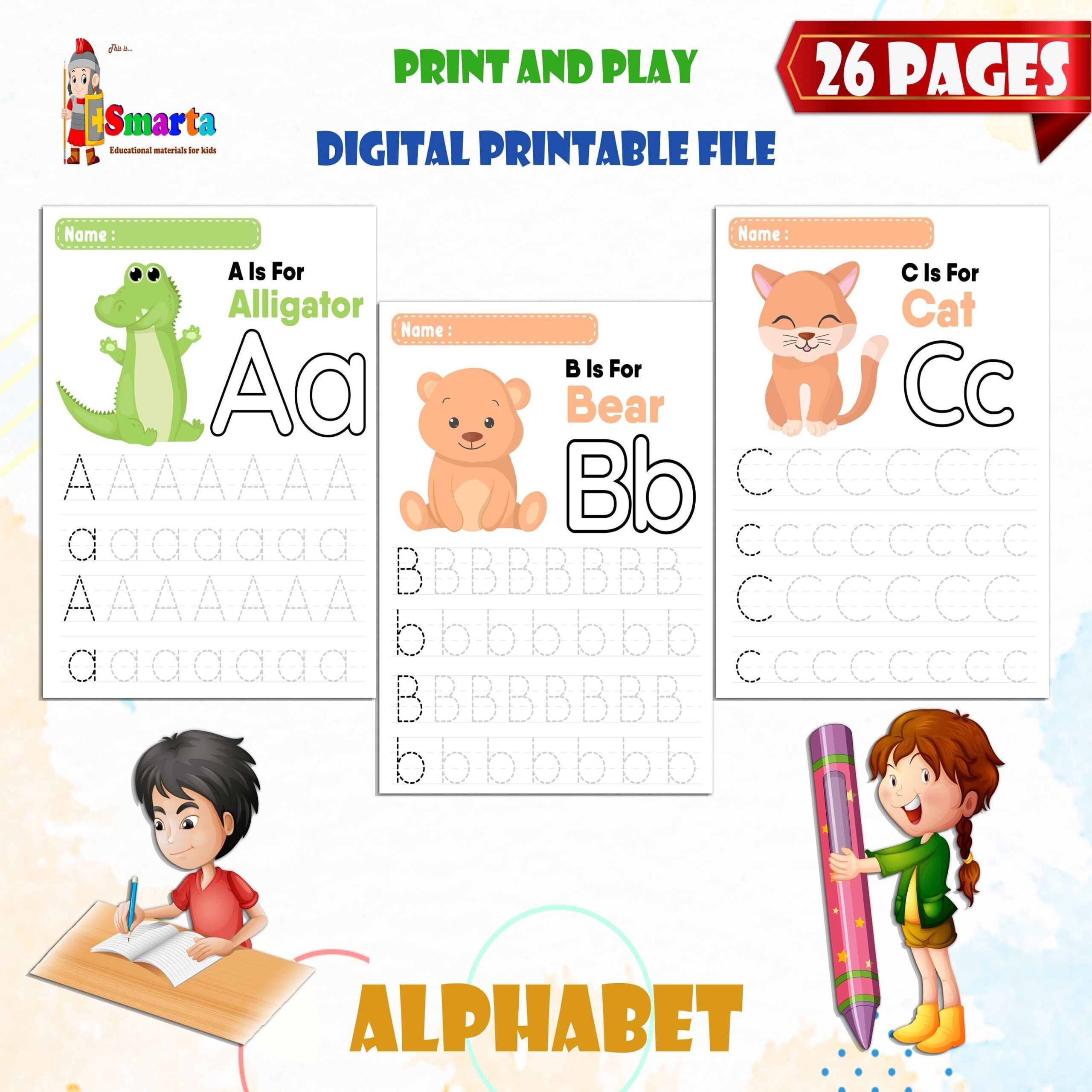
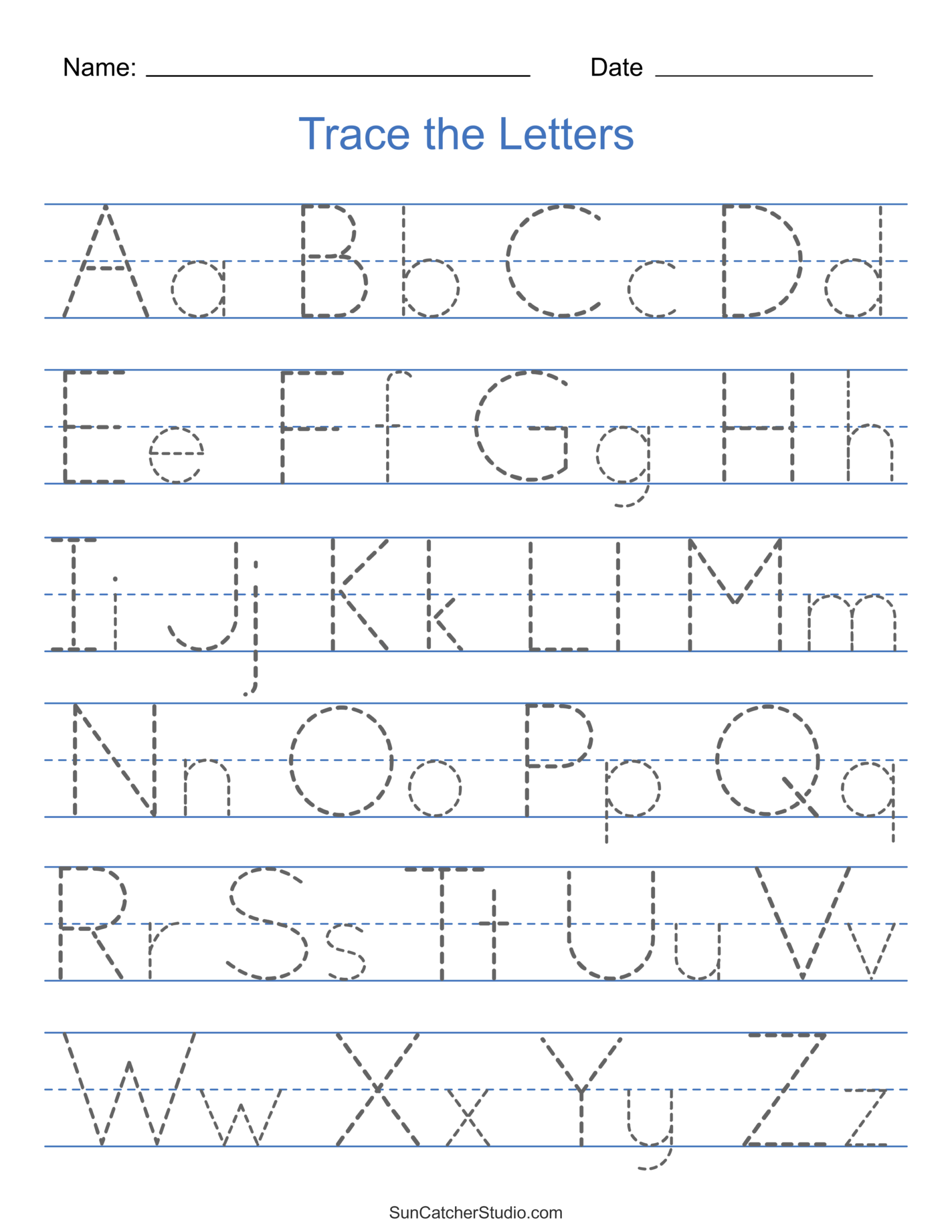
Alphabet tracing worksheets are designed to help young children learn how to write letters by tracing over dotted lines. Typically, these worksheets feature both uppercase and lowercase letters, allowing kids to practice each form. They may also include pictures associated with each letter to reinforce letter recognition and phonetic sounds.
Using these worksheets, children can gain confidence in their writing abilities. The repetitive nature of tracing helps them to internalize the shapes and strokes needed for each letter. This foundational skill is essential as they progress into more complex writing tasks later in their educational journey.
Benefits of Using Free Alphabet Tracing Worksheets
Skill Development
The primary benefit of using alphabet tracing worksheets is the development of fine motor skills. As children trace letters, they refine their hand-eye coordination and grip, which are essential for writing. These worksheets also encourage proper letter formation, which can lead to neater handwriting as they advance.
Early Literacy Skills
In addition to improving motor skills, these worksheets help in developing early literacy skills. Children learn to recognize letters and their corresponding sounds, which is vital for reading. Incorporating images related to each letter can further enhance this learning experience, as it connects the letter to a word and its meaning.
Flexibility and Accessibility
Free alphabet tracing worksheets can be easily printed and used at home or in the classroom. They offer flexibility in terms of when and how often children practice. Teachers can assign specific worksheets based on the letters being taught in class, while parents can provide extra practice at home. This accessibility makes it easy for kids to reinforce their learning in various settings.
How to Use Alphabet Tracing Worksheets Effectively
Tailor to Individual Needs
Not all children develop at the same pace, so it’s important to tailor the use of these worksheets to meet individual needs. Some children may struggle with certain letters, while others may need less practice. Observe each child’s progress and adjust the worksheets accordingly. For example, if a child is having difficulty with the letter “S,” provide additional worksheets focusing on that letter.
Incorporate Multi-Sensory Learning
To enhance the learning experience, consider incorporating multi-sensory approaches alongside the worksheets. For example, you can use sandpaper letters for tactile feedback or have children use finger paints to trace letters. This can make learning more engaging and help reinforce their understanding.
Track Progress
It’s essential to track children’s progress as they work through the worksheets. You can do this by regularly reviewing their work and noting improvements in their letter formation and consistency. If a child consistently struggles with certain letters, it might signal the need for additional practice or a different approach.
Where to Find Free Alphabet Tracing Worksheets
Many websites offer free alphabet tracing worksheets that are easy to download and print. Here are a few reliable sources:
- Educational resource websites: Look for sites dedicated to preschool education that often provide downloadable worksheets.
- Teachers Pay Teachers: This platform often has free resources created by teachers, including alphabet tracing worksheets.
- Pinterest: A treasure trove of educational materials, you can find various tracing worksheets shared by educators and parents alike.
When downloading, ensure that the worksheets are in a format that is easy to print, such as PDF. This ensures that the layout remains consistent and prevents any formatting issues that can arise with image files.
Tips for Printing and Using the Worksheets
Choosing the Right Paper
For best results, print the alphabet tracing worksheets on heavier paper, such as cardstock. This will hold up better during repeated use, especially if you plan to laminate the worksheets for durability. Laminating allows children to use dry-erase markers to trace letters, making it a reusable resource.
Printer Settings
If you’re using a home printer, set it to the best quality for printing documents. Portrait layout tends to work better for most home printers when printing worksheets. Make sure to check the margins and scale to fit the page correctly.
Engaging Activities
To keep children engaged, pair the worksheets with fun activities. For instance, after tracing letters, encourage kids to find objects around the room that start with the same letter. This reinforces their learning and makes it more interactive.
Recognizing Mastery and Next Steps
As children practice with the free alphabet tracing worksheets, it’s important to recognize mastery. You can tell a child has mastered a letter when they can write it independently without assistance and demonstrate consistent letter formation. If they continue to struggle with certain letters, consider providing additional resources or activities focused on those specific letters.
Once children have gained confidence in tracing letters, you can introduce them to writing words or simple sentences. This gradual progression helps them build upon their skills and prepares them for future writing tasks.
By incorporating free alphabet tracing worksheets into your teaching strategy, you can help preschoolers develop essential writing and literacy skills. Remember to adapt the resources to meet individual needs, track progress, and keep learning fun and engaging.