
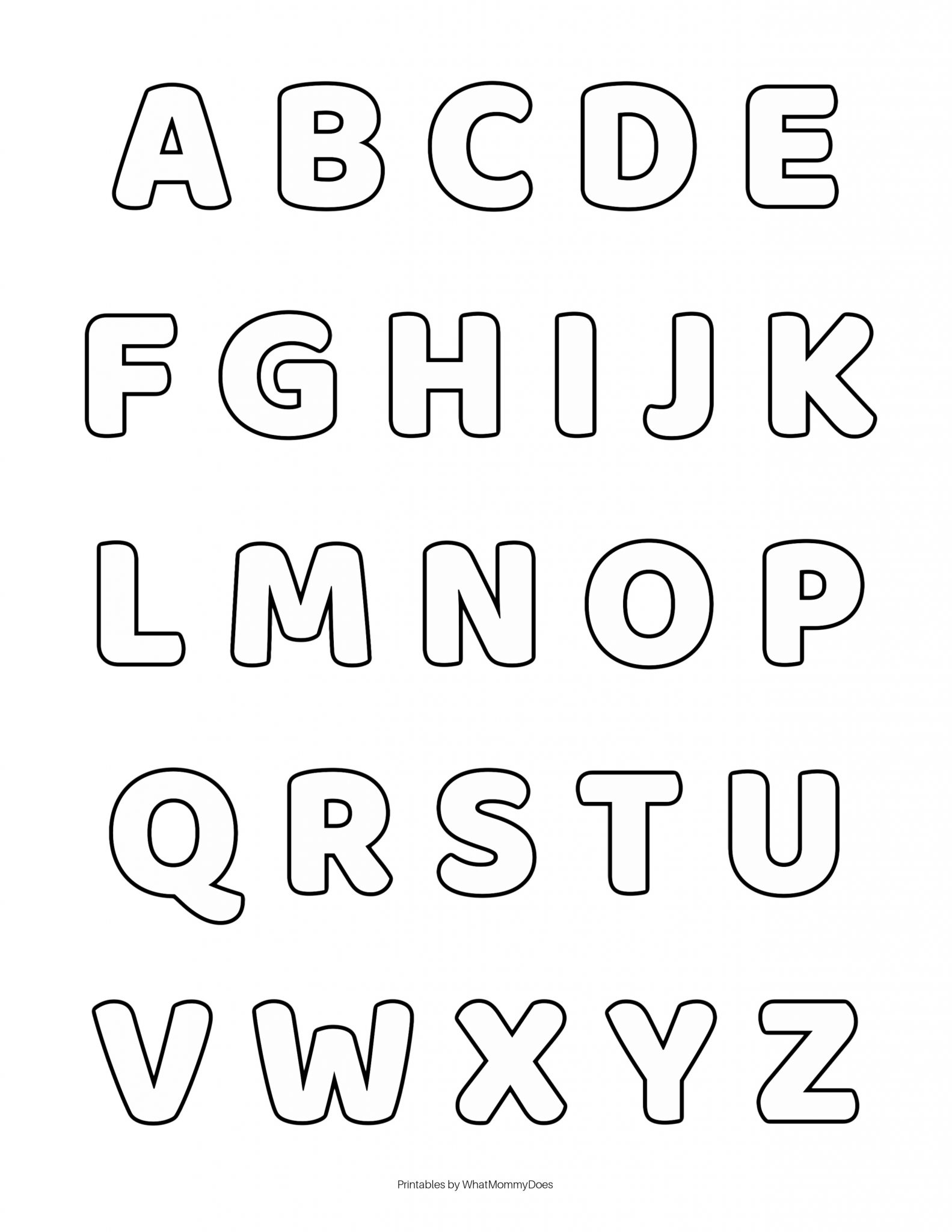
Teaching young learners the alphabet is a fundamental step in their educational journey. A Free Alphabet Template To Print offers a versatile resource that can be utilized in various ways. If you are a teacher in a classroom or a parent homeschooling your child, having access to a printable alphabet template can streamline your lesson planning and provide engaging activities for students. explore the benefits of using an alphabet template, how to effectively print and use it, and various activities that can be implemented to enhance learning.
Understanding the Benefits of an Alphabet Template
An alphabet template serves as a foundational tool for literacy development. Here are some specific benefits:
- Visual Learning: Children can see and recognize letters, which is essential for letter identification.
- Hands-On Practice: Templates encourage kids to practice writing letters, promoting fine motor skills.
- Customization: Many templates allow for personalization, making learning more engaging and relevant to each child.
- Variety of Activities: An alphabet template can be used for multiple activities, from coloring to tracing, ensuring that lessons remain dynamic.
Using a Free Alphabet Template To Print can make your lesson plans more effective and adaptable to different learning styles.
How to Access and Print the Template
Finding a free alphabet template is straightforward. Several educational websites and resources offer downloadable options. When searching, consider the following tips:
- File Format: Look for templates in PDF format, as they maintain formatting across devices better than images.
- Size Options: Ensure the template is available in various sizes. Standard letter size (8.5 x 11 inches) is common, but larger sizes may be beneficial for group activities.
- Print Quality: Opt for templates that specify high-resolution printing to ensure clear, crisp letters.
Once you’ve found the desired template, here’s how to print it:
- Printer Settings: Set your printer to “portrait” orientation, as this typically works best for alphabet templates.
- Paper Choice: Use standard printer paper for initial trials, but consider cardstock for more durability, especially if you plan to laminate the template.
- Check Margins: Before printing, check the margins to ensure the letters don’t get cut off.
By following these steps, you’ll have a quality printable resource ready for use.
Activities to Enhance Learning With Alphabet Templates
Once you have your Free Alphabet Template To Print, there are numerous activities you can implement to help children learn the alphabet:
Tracing Letters
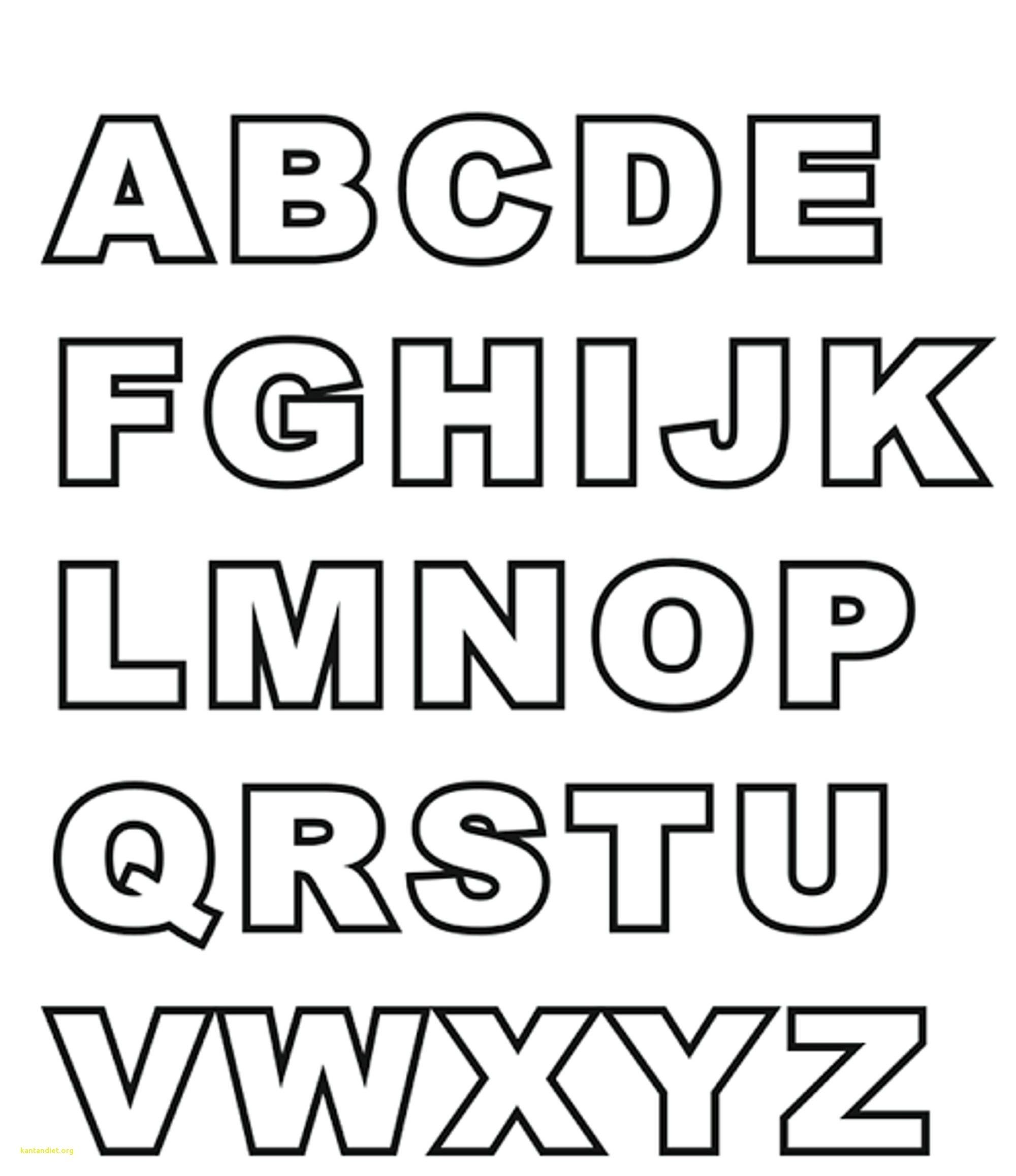
One of the simplest activities is tracing. Provide children with a pencil or crayon and have them trace over the letters. This activity helps improve their writing skills and reinforces letter recognition.
Coloring Pages
Coloring is not only fun but also helps with motor skills. Have students color each letter in different colors or decorate them with stickers and other craft materials. This allows for creativity while learning.
Alphabet Games
Incorporate games using the template. For example, create a matching game where students match letters to pictures of objects that start with that letter. This can help reinforce the connection between letters and sounds.
Craft Projects
Utilize the alphabet template for craft projects. Children can cut out letters and create collages, or use them to make cards for family members. This adds a personal touch to their learning and helps them engage with the material.
Tips for Effective Use of the Template
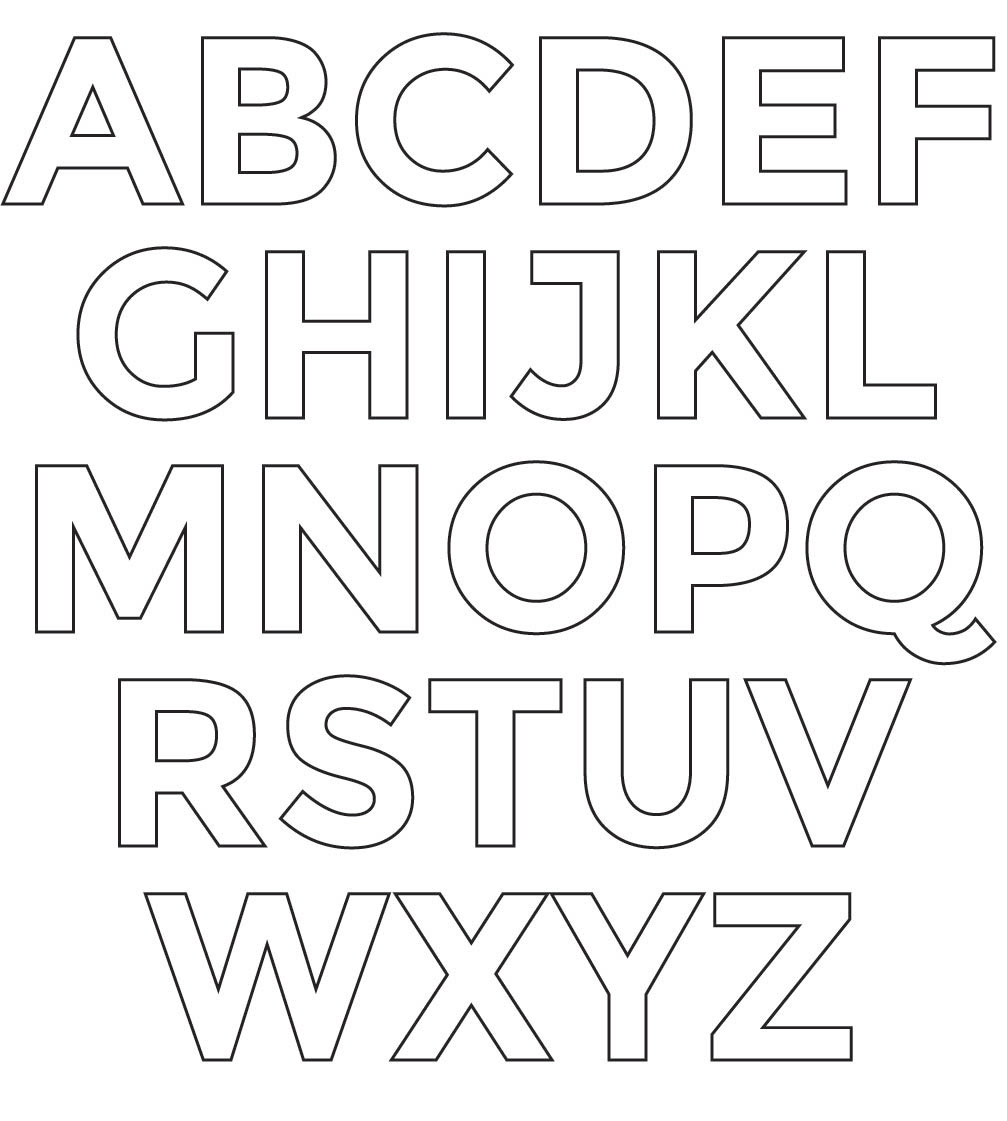
To maximize the effectiveness of your Free Alphabet Template To Print, consider these practical tips:
- Rotate Activities: Change activities frequently to maintain interest. Keep a variety of options available so that students can choose what they enjoy most.
- Incorporate Technology: If you have access to tablets or computers, consider integrating digital alphabet activities that complement the printable template.
- Encourage Group Work: Have students work in pairs or small groups. This promotes collaboration and communication skills while learning.
By using these strategies, you can create a dynamic learning environment that keeps students engaged and excited about learning the alphabet.