
Kids thrive on repetition, and when it comes to learning the alphabet, practice is key. Free Alphabet Pages For Preschool offer a wonderful way for young learners to engage with letters in a fun and interactive manner. These resources can be printed at home or in the classroom, making them easily accessible for teachers and parents alike.
Understanding the Layout of Alphabet Pages
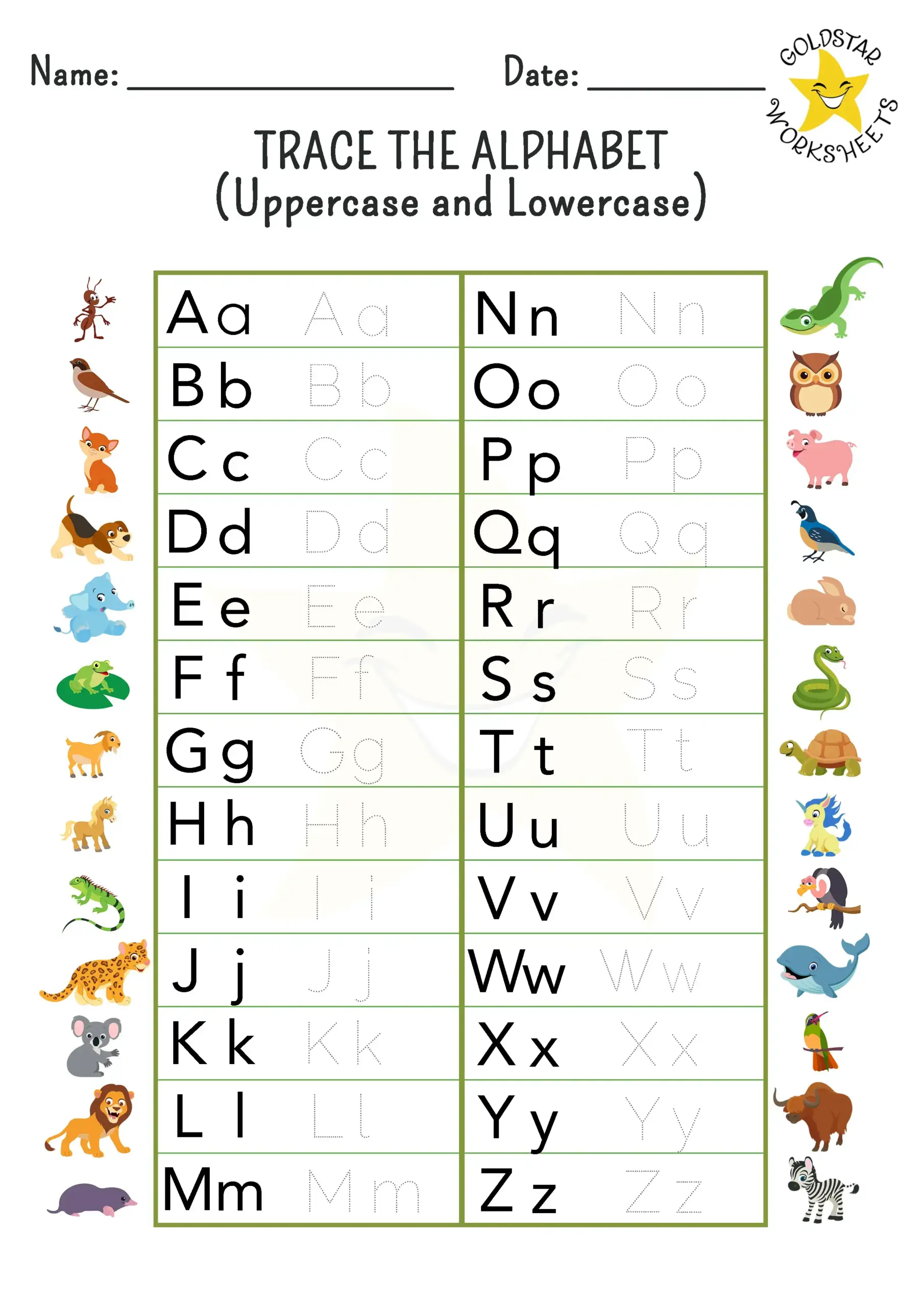
The typical layout of Free Alphabet Pages For Preschool includes a combination of visuals and writing exercises. You’ll often find each page dedicated to a single letter, featuring a large, clear representation of the letter—both uppercase and lowercase.
For instance, a page for the letter ‘A’ may display an image of an apple alongside the letter. This not only helps children recognize the letter but also associates it with a word, reinforcing vocabulary. The accompanying lines for tracing or writing are usually spaced adequately to accommodate small hands, promoting fine motor skills.
Sections to Look For
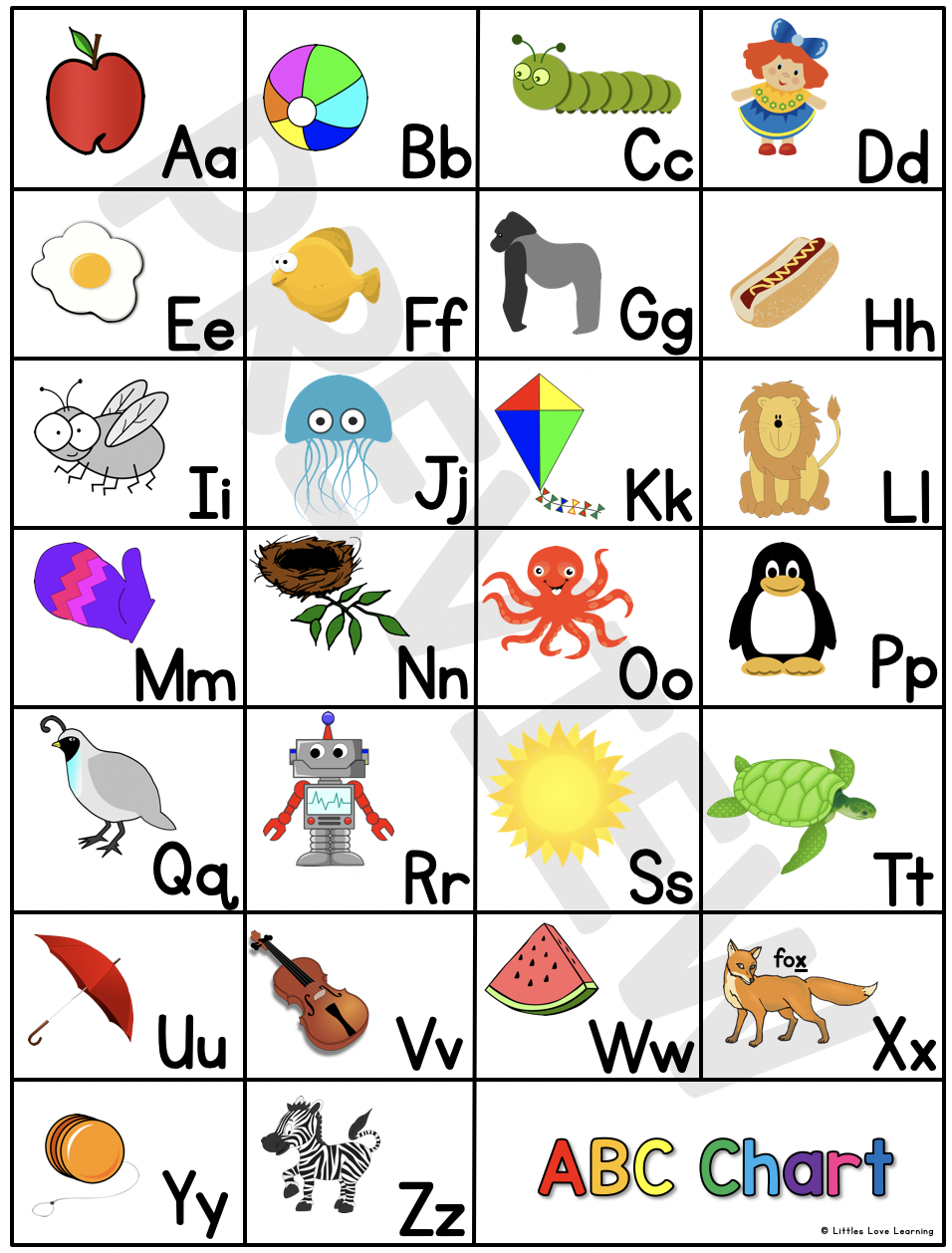
- Letter Recognition: Each page often starts with visual representations of the letter.
- Tracing Lines: These are provided for students to practice writing the letter, typically in dotted form.
- Coloring Activities: Many pages include outlines of images related to the letter for coloring, which helps with fine motor skills and creativity.
- Word Association: Some designs may include a few simple words that start with the letter, further aiding in vocabulary development.
Benefits of Using Free Alphabet Pages
The use of Free Alphabet Pages For Preschool in your teaching toolkit can have numerous benefits.
- Repetition and Reinforcement: By spacing out the use of these pages throughout the week, children can practice each letter multiple times, solidifying their understanding.
- Engagement: The colorful images and interactive activities keep children interested and motivated to learn.
- Skill Development: These pages not only teach letters but also help develop fine motor skills through tracing and coloring.
Using these pages as part of a broader weekly lesson plan can lead to significant progress in letter recognition and writing skills.
Practical Classroom Application
When incorporating Free Alphabet Pages For Preschool into your lessons, consider structuring your week around a letter-a-day theme. For example, you might introduce a new letter each day, dedicating time for both recognition and writing practice.
Example Weekly Plan:
- Monday: Introduce the letter ‘A’ with the corresponding page. Discuss the sound it makes and identify objects that start with ‘A’.
- Tuesday: Review ‘A’ through tracing and coloring, then introduce ‘B’.
- Wednesday: Repeat the same structure for ‘B’ and provide a fun activity where children can share their favorite ‘B’ words.
- Thursday: Transition to ‘C’ while revisiting ‘A’ and ‘B’ for a quick review.
- Friday: Implement a fun group game where children can identify letters from a mix of pages.
Best Practices for Printing and Usage
When printing Free Alphabet Pages For Preschool, consider the following best practices to ensure quality and usability:
- Paper Type: Use cardstock for durability, especially if the pages will be colored or traced on multiple times.
- Print Settings: Select portrait layout for most home printers, as this typically accommodates the page designs better than landscape.
- Lamination: If you plan to reuse the pages, consider laminating them so they can be wiped clean and used with dry-erase markers.
These tips can help maximize the effectiveness of the alphabet pages while ensuring they withstand the wear and tear of classroom use.
Incorporating Technology for Enhanced Learning
Today, blending traditional worksheets with technology can enhance the learning experience. Many printable resources now come with accompanying online activities or apps that reinforce the same skills.
If you have access to tablets or computers in your classroom, consider using educational apps that focus on letter recognition and writing. This dual approach can cater to various learning styles, ensuring all students benefit.
Additionally, you can encourage parents to use these digital tools at home, reinforcing what is taught in the classroom.