
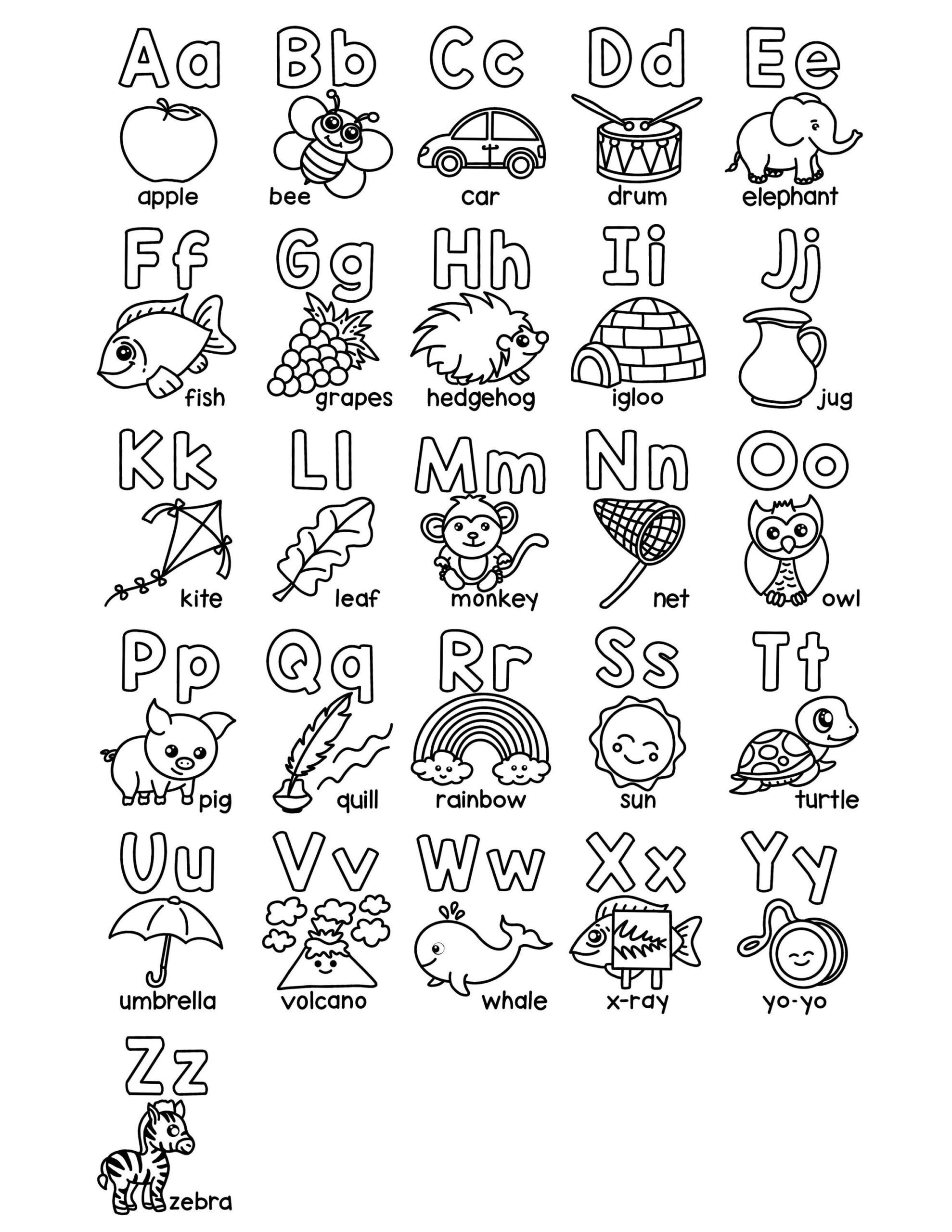
When you’re looking for a creative and engaging way to teach young children their letters, Free Alphabet Letters Coloring Pages are an excellent resource. These coloring pages not only enhance letter recognition but also foster fine motor skills and creativity. Teachers and parents alike can use these pages to make learning interactive and enjoyable.
Benefits of Using Alphabet Coloring Pages
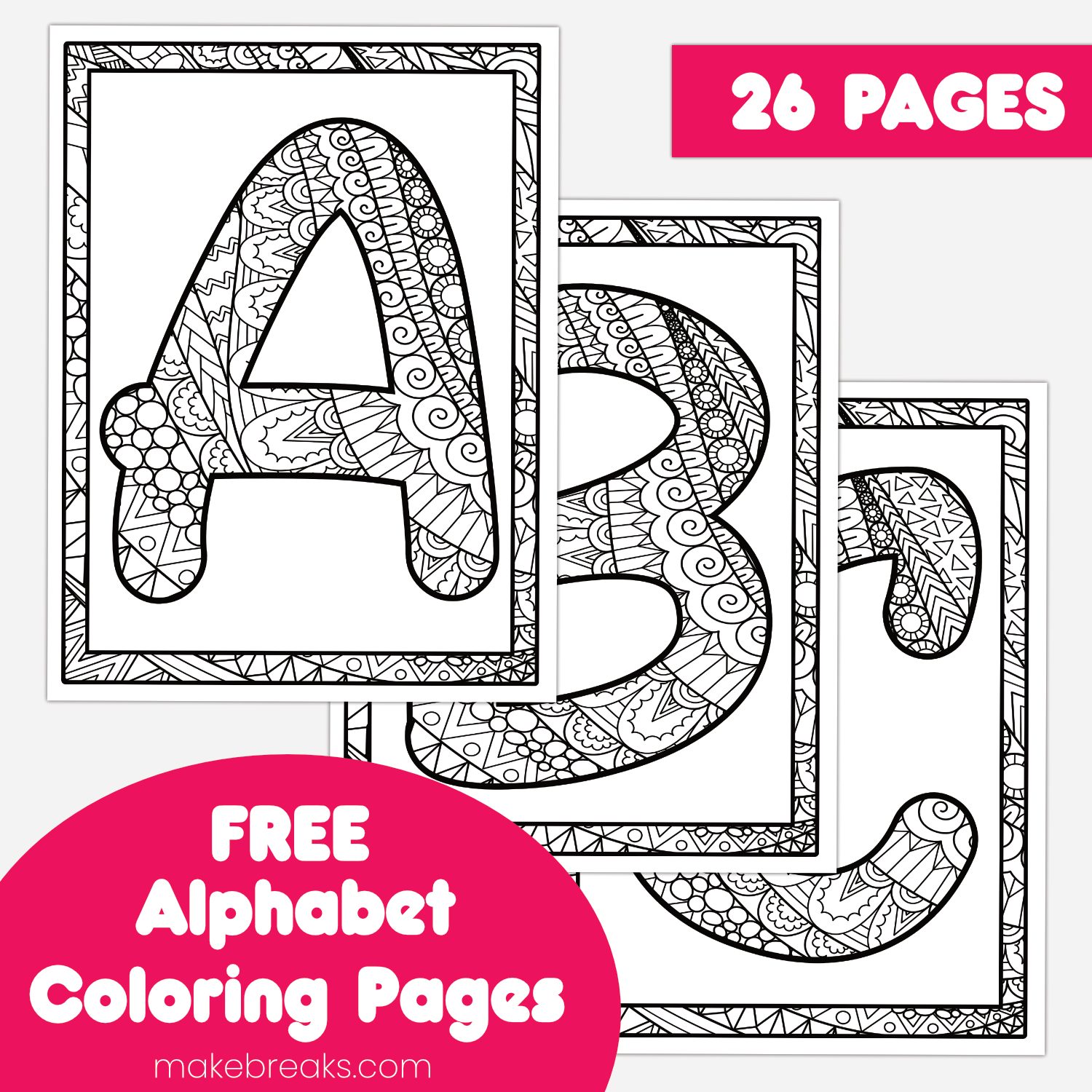
Alphabet coloring pages serve multiple educational purposes. They help children learn letter shapes and sounds while allowing them to express their artistic side. Here are some specific benefits:
- Fine Motor Skills Development: As children color, they strengthen the muscles in their hands, which is crucial for writing later on.
- Letter Recognition: Children become familiar with the shapes and forms of letters, aiding in their reading and writing skills.
- Creativity and Expression: Coloring allows children to explore color choices and artistic expression, making learning more personal and fun.
- Focus and Concentration: Engaging with coloring pages can help improve a child’s focus, a skill that is beneficial in all areas of learning.
Where to Find Free Alphabet Letters Coloring Pages
There are numerous online resources where you can find free printable alphabet coloring pages. Websites dedicated to educational materials often have a variety of designs featuring all 26 letters. Here are some places you might check:
- Educational Websites: Sites like Teachers Pay Teachers and Education.com often have free resources available.
- Coloring Page Websites: Websites like Crayola and Coloring Pages for Kids offer a wide range of coloring pages.
- Homeschooling Blogs: Many homeschooling parents share their resources, including free alphabet coloring pages, on their blogs.
When downloading, look for PDF formats, as they usually maintain the correct layout when printing.
Tips for Printing and Using Coloring Pages
Once you’ve found the perfect Free Alphabet Letters Coloring Pages, the next step is printing and using them effectively in your classroom or home. Here are some practical tips:
- Choose the Right Paper: For coloring pages, standard printer paper works fine, but if you want to ensure durability, consider using cardstock. This prevents tearing and allows for easier coloring.
- Print Settings: Use the “Fit to Page” option in your print settings to ensure that the pages print at the correct size. This is especially important for younger children, who may struggle with smaller images.
- Bulk Printing: If you’re teaching a class, print multiple copies of the same page to ensure every child has access. This can be done easily by adjusting the number of copies in your print settings.
- Laminating: For repeated use, consider laminating the pages. This way, children can use dry-erase markers to color and then wipe them clean for reuse.
Creative Ways to Use Alphabet Coloring Pages
Incorporating these coloring pages into your lessons can be more than just a coloring activity. Here are some creative ways to enhance learning:
- Letter of the Day: Introduce a new letter each day and provide the corresponding coloring page. This can reinforce what they learn through other activities.
- Story Time Integration: After reading a story that features a specific letter or theme, have children color the corresponding page. This can help connect reading with art.
- Group Activities: Use the coloring pages for group projects where children can collaborate on a large mural featuring all letters. This encourages teamwork and collective creativity.
- Themed Learning: Tie the coloring pages into themes like seasons, holidays, or animals, where children can learn both letters and thematic vocabulary.
Grading and Reviewing the Work
For teachers, assessing the use of coloring pages can be a bit different from traditional assignments. Here are some points to consider:
- Participation: Observe how engaged children are during the activity. Are they focused on coloring and discussing letters?
- Creativity: While the primary goal is letter recognition, you can also encourage creativity. Consider how children choose colors and patterns.
- Progress: Keep track of which letters children recognize easily and which ones they might struggle with. This can inform future lessons.
If you decide to collect the coloring pages, you can provide feedback on their letter formation, color choices, and overall engagement with the task.
Immediate Actions to Enhance Learning
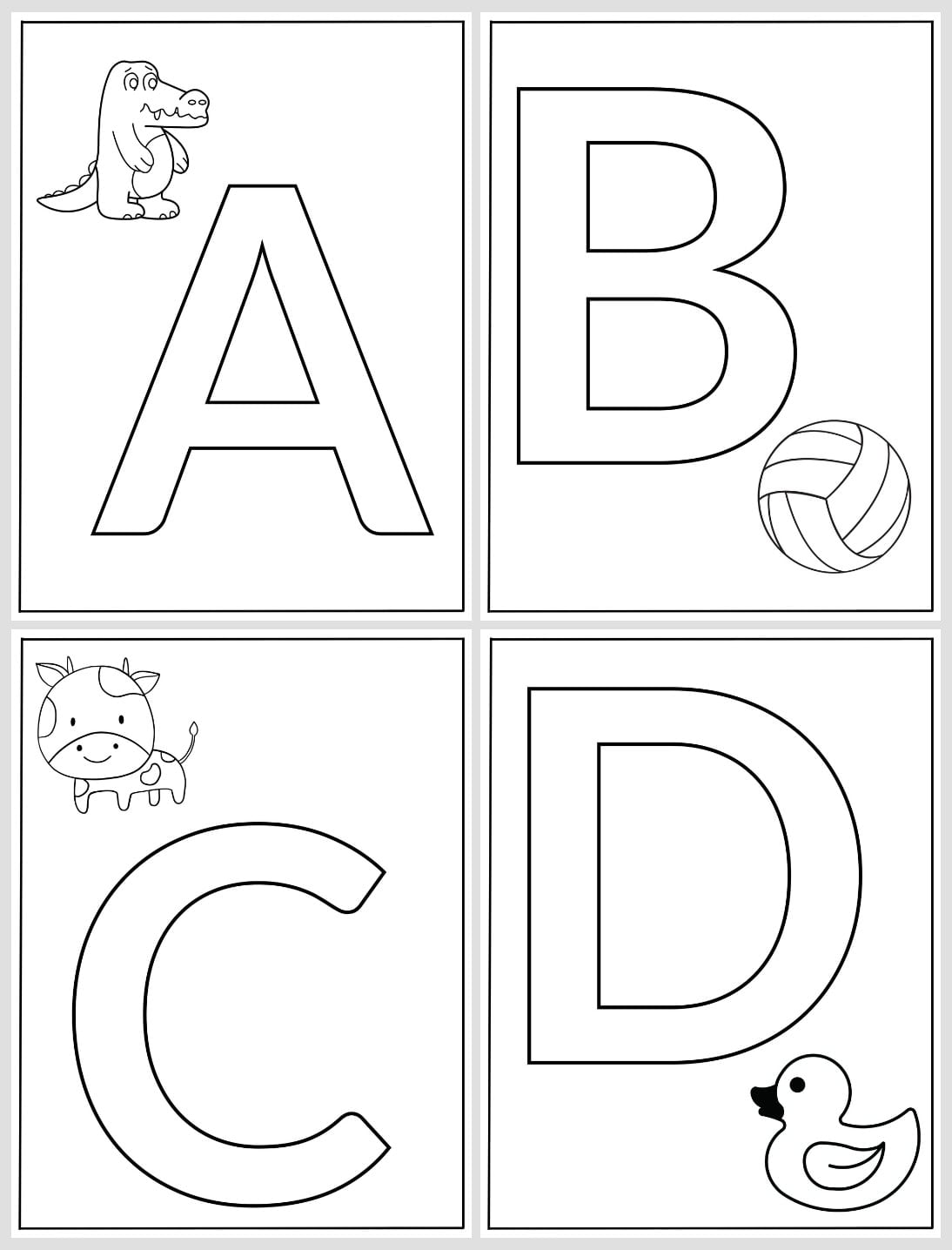
To get started with Free Alphabet Letters Coloring Pages today, consider:
- Downloading a set of alphabet coloring pages from a reputable educational site.
- Setting up a coloring corner in your classroom or at home where kids can freely express their creativity.
- Planning a themed lesson around a specific letter, integrating reading, writing, and art.
By using these pages effectively, you can create a fun and educational environment that encourages children to learn their letters while enjoying the process.