
In a bustling classroom, a teacher gathers her first graders around the art table, excitement buzzing in the air. Today, they will look at the world of letters with First Grade Alphabet Coloring Pages. These resources not only provide a fun activity but also support essential skills like letter recognition, fine motor development, and creativity. explore how to effectively use these coloring pages in both classroom and home settings, ensuring that each child gets the most out of their learning experience.
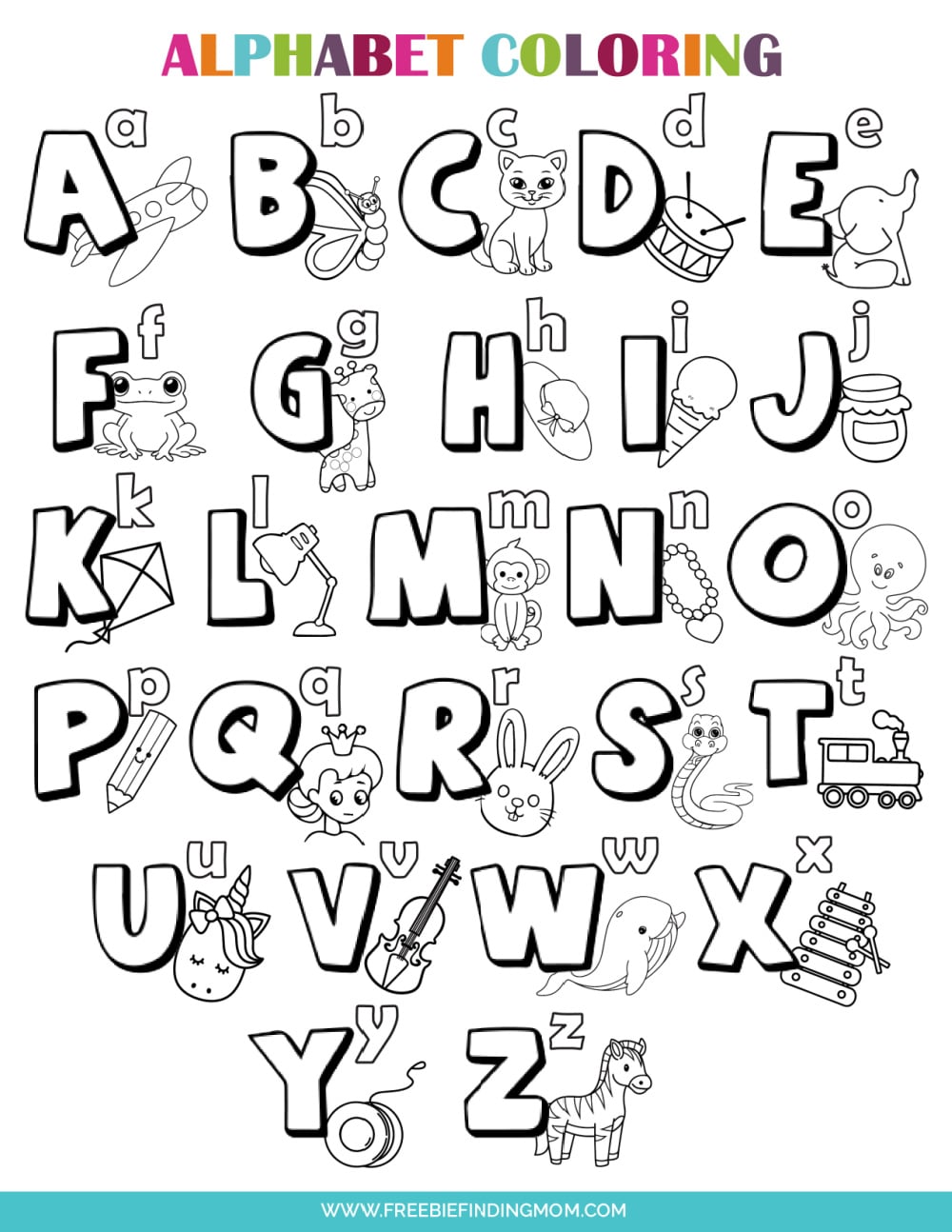
The Importance of Alphabet Coloring Pages
First Grade Alphabet Coloring Pages serve a dual purpose. They are not just about keeping children entertained; they play a crucial role in early literacy development. As children color, they practice holding crayons or markers, which helps strengthen their grip and enhance their fine motor skills. This is especially important for first graders, who are developing the coordination needed for writing.
Moreover, these coloring pages reinforce letter recognition. By associating letters with images and colors, children can better remember their shapes and sounds. This multisensory approach caters to different learning styles, ensuring that visual, auditory, and kinesthetic learners all benefit from the activity.
How to Incorporate Coloring Pages in Your Teaching
Using First Grade Alphabet Coloring Pages in a classroom or homeschool setting can be both structured and flexible. Here are some practical ways to incorporate them into your teaching routine:
Daily Letter Focus
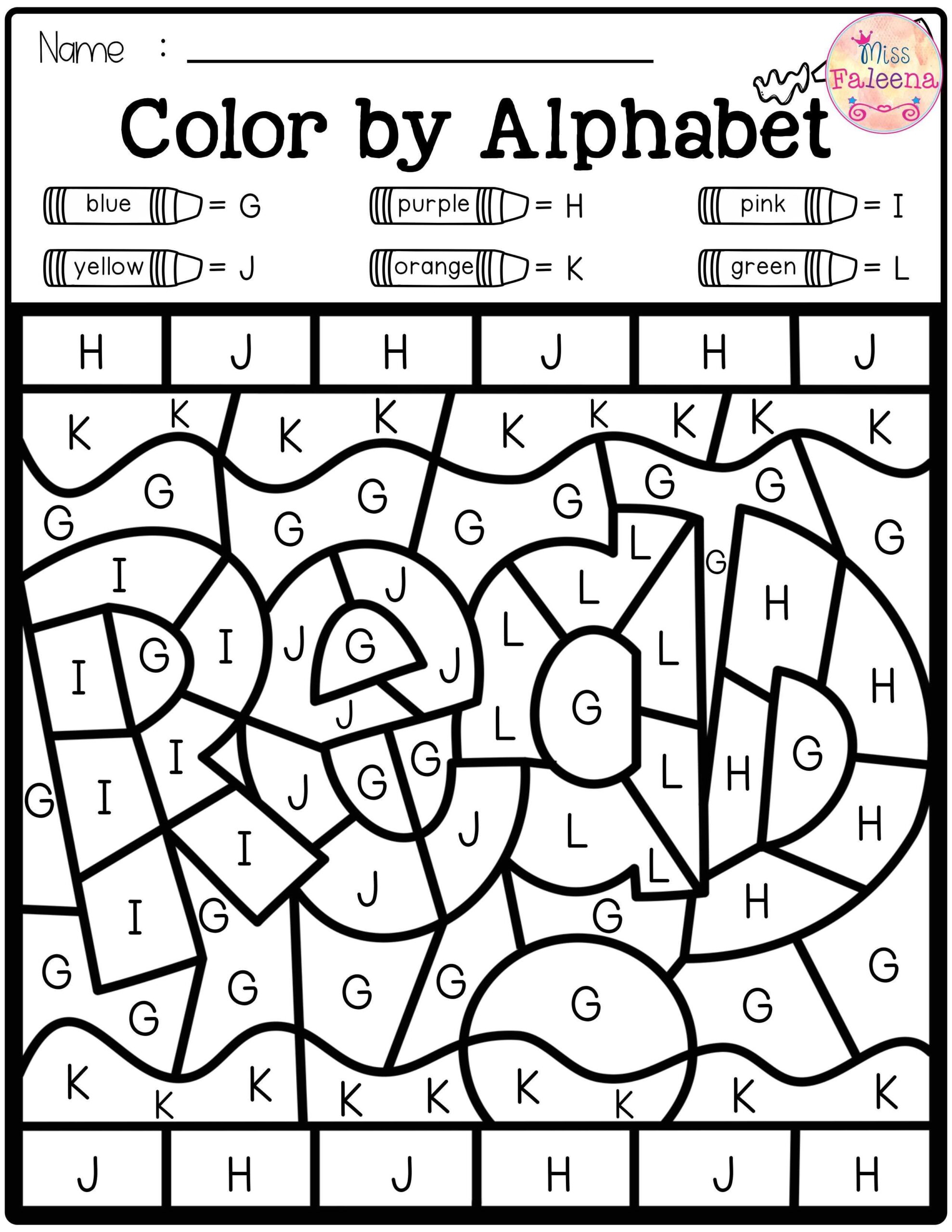
Assign a specific letter each day of the week. For example, Monday can be dedicated to the letter ‘A’. Provide students with the corresponding coloring page and encourage them to color it during morning work time. This daily practice helps reinforce the letter and keeps the material fresh in their minds.
Themed Weeks
Consider organizing themed weeks around letters. For instance, a week focused on the letter ‘B’ could include coloring pages featuring a bee, a balloon, and a bird. This thematic approach allows for deeper exploration and connection of concepts, making learning more engaging.
Combine With Other Activities
Pair coloring pages with other activities. After coloring a letter, students can practice writing it on a whiteboard or in their notebooks. This combination reinforces learning through repetition and different mediums, solidifying their understanding.
Selecting the Right Coloring Pages
Not all coloring pages are created equal. When choosing First Grade Alphabet Coloring Pages, consider the following factors to ensure they meet the needs of your students:
Age Appropriateness
Ensure that the complexity of the coloring pages matches the skill level of your first graders. Simple designs with large areas to color are more suitable for younger children, while slightly more intricate designs can help challenge those who are more advanced.
Educational Value
Look for coloring pages that incorporate elements beyond just the letter. Pages that feature objects or animals that start with the letter being colored can enhance vocabulary and phonics skills.
Colorful and Engaging Designs
Choose pages that are visually appealing. Bright colors and fun illustrations will capture students’ attention and encourage them to engage with the material.
Creating a Structured Routine
To maximize the benefits of First Grade Alphabet Coloring Pages, establishing a structured routine is essential. Here’s how to create a weekly plan:
- Monday: Introduce the letter of the week and distribute the coloring page. Allow time for coloring during morning work.
- Tuesday: Review the letter with a short phonics lesson. Ask students to share what they colored the day before.
- Wednesday: Incorporate a writing activity. Have students practice writing the letter and then color a related image.
- Thursday: Group activity – students can work in pairs to discuss the letter and share their coloring pages.
- Friday: Showcase completed coloring pages on a bulletin board. This not only celebrates their work but also reinforces the week’s learning.
Using Coloring Pages at Home
For parents and caregivers, First Grade Alphabet Coloring Pages can be a valuable resource for reinforcing learning outside of the classroom. Here’s how to make the most of these materials at home:
Set Up a Coloring Station
Create a dedicated space for coloring. Keep a variety of coloring supplies, such as crayons, markers, and colored pencils, readily available. Having a set area can motivate children to engage in this activity more frequently.
Encourage Sharing and Discussion
After coloring, encourage children to share their creations with family members. This can spark discussions about letters, words, and even stories related to the images they colored, further enhancing language skills.
Incorporate Storytime
Pair coloring activities with storytime. After coloring a letter, read a book that emphasizes that letter. This reinforces the connection between letters and sounds in a fun and engaging way.
Additional Resources for Teachers and Parents
To complement First Grade Alphabet Coloring Pages, consider integrating other educational resources:
- Worksheets: Include letter tracing worksheets that correspond to the coloring pages. This reinforces writing skills alongside coloring.
- Flashcards: Use flashcards featuring the letters and images from the coloring pages to encourage memory recall and letter recognition.
- Interactive Games: Engage children with online games or apps that focus on letter recognition, providing a digital twist to their learning.
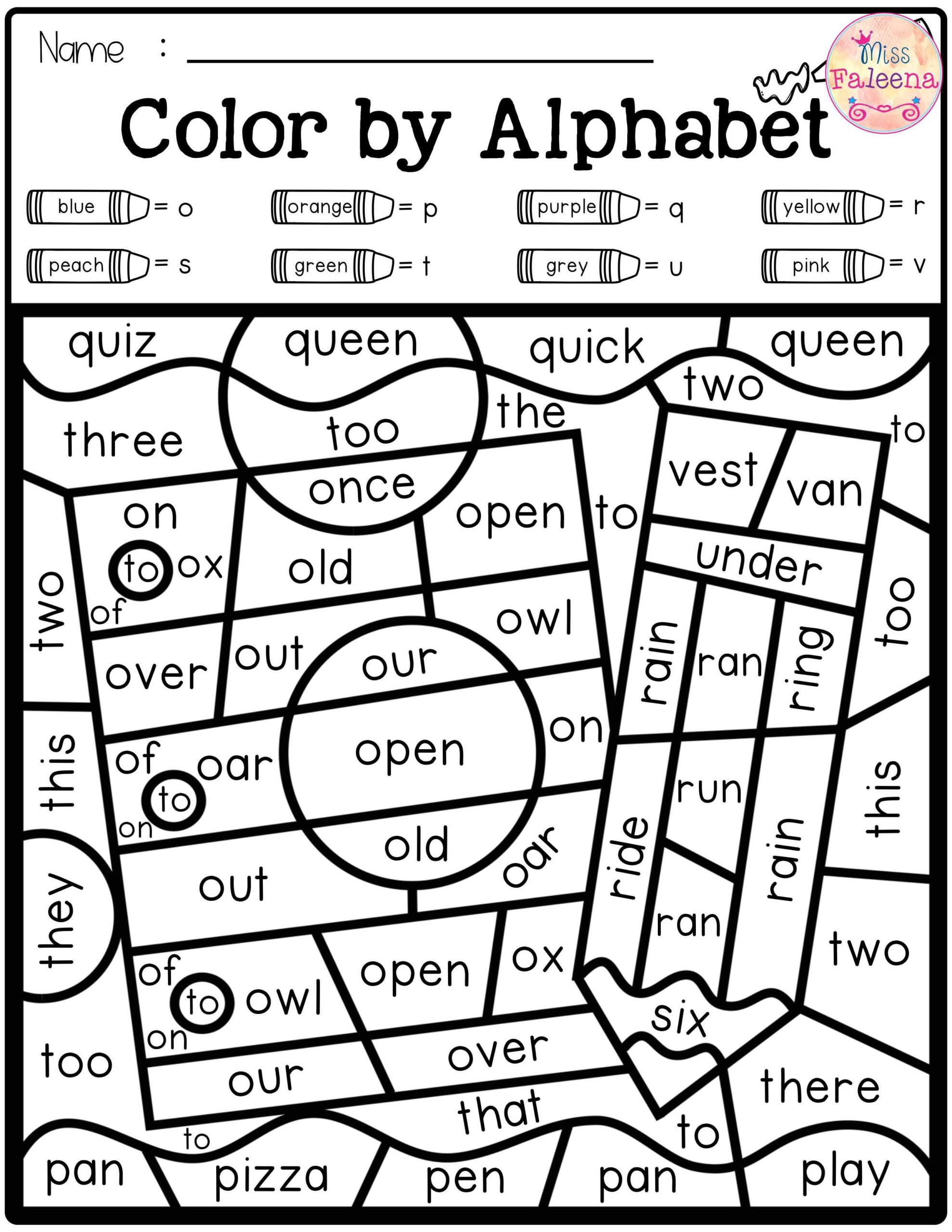
Final Tips for Effective Use
To ensure the best outcomes with First Grade Alphabet Coloring Pages, keep these tips in mind:
- Print on Quality Paper: Use cardstock or thicker paper if possible, as this holds up better to coloring and can be reused for activities like laminating and dry-erase.
- Consider Layout: Portrait layout is generally more suitable for classroom settings as it accommodates most desk arrangements.
- Encourage Creativity: While coloring, allow children to use their imagination. They can add their own drawings or patterns to the pages, which enhances creativity and personal expression.
By incorporating First Grade Alphabet Coloring Pages thoughtfully into teaching and home routines, children can enjoy a fun, engaging way to develop critical literacy skills. The combination of coloring, writing, and discussion fosters a rich learning environment that supports their growth in these foundational years.