
First Grade Alphabet And Reading Worksheets are essential tools for helping young learners develop their reading skills and familiarize themselves with the alphabet. These worksheets not only support phonemic awareness but also enhance vocabulary and comprehension. In this guide, I’ll walk you through the steps to effectively choose, download, print, set up, and utilize these resources in your classroom or home.
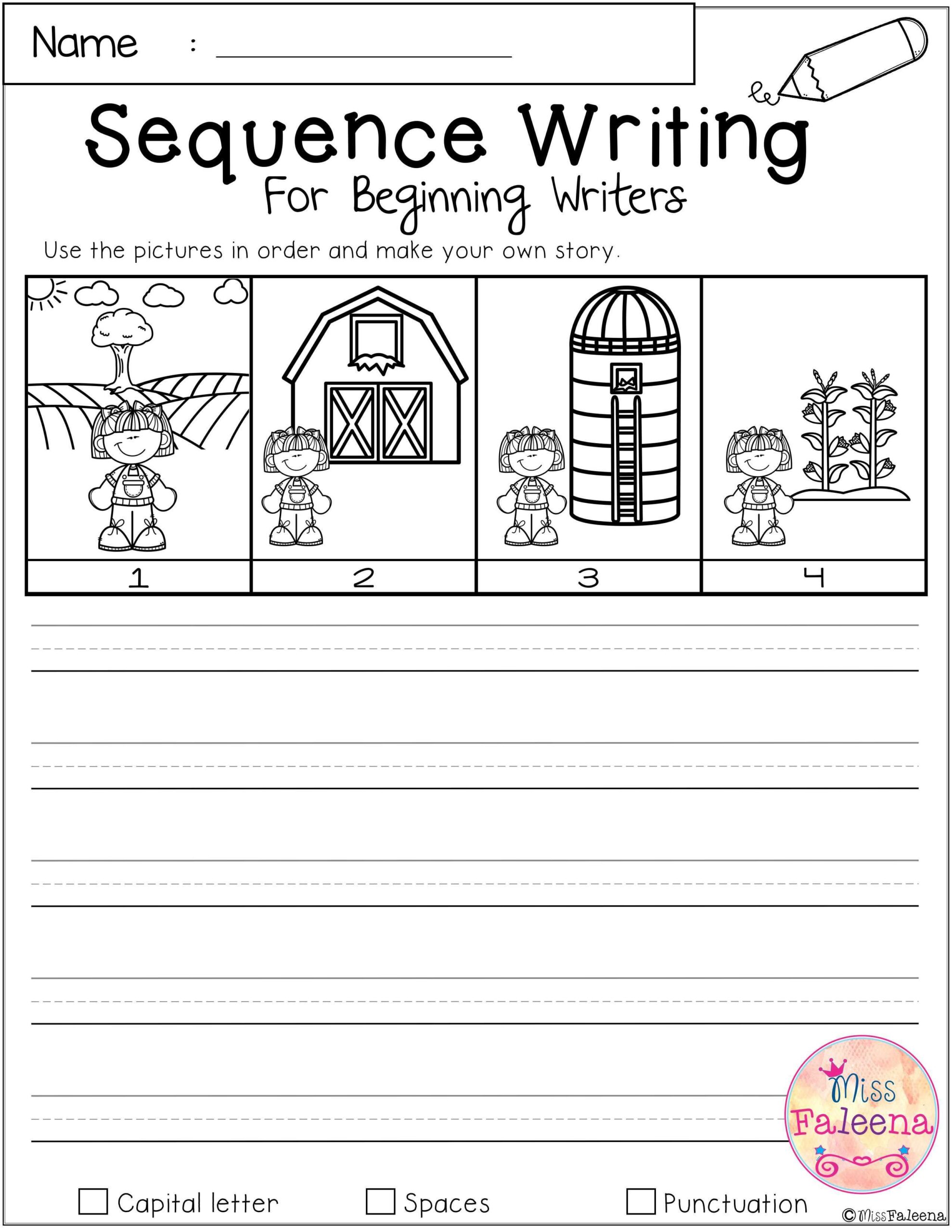
Understanding the Importance of Alphabet and Reading Worksheets
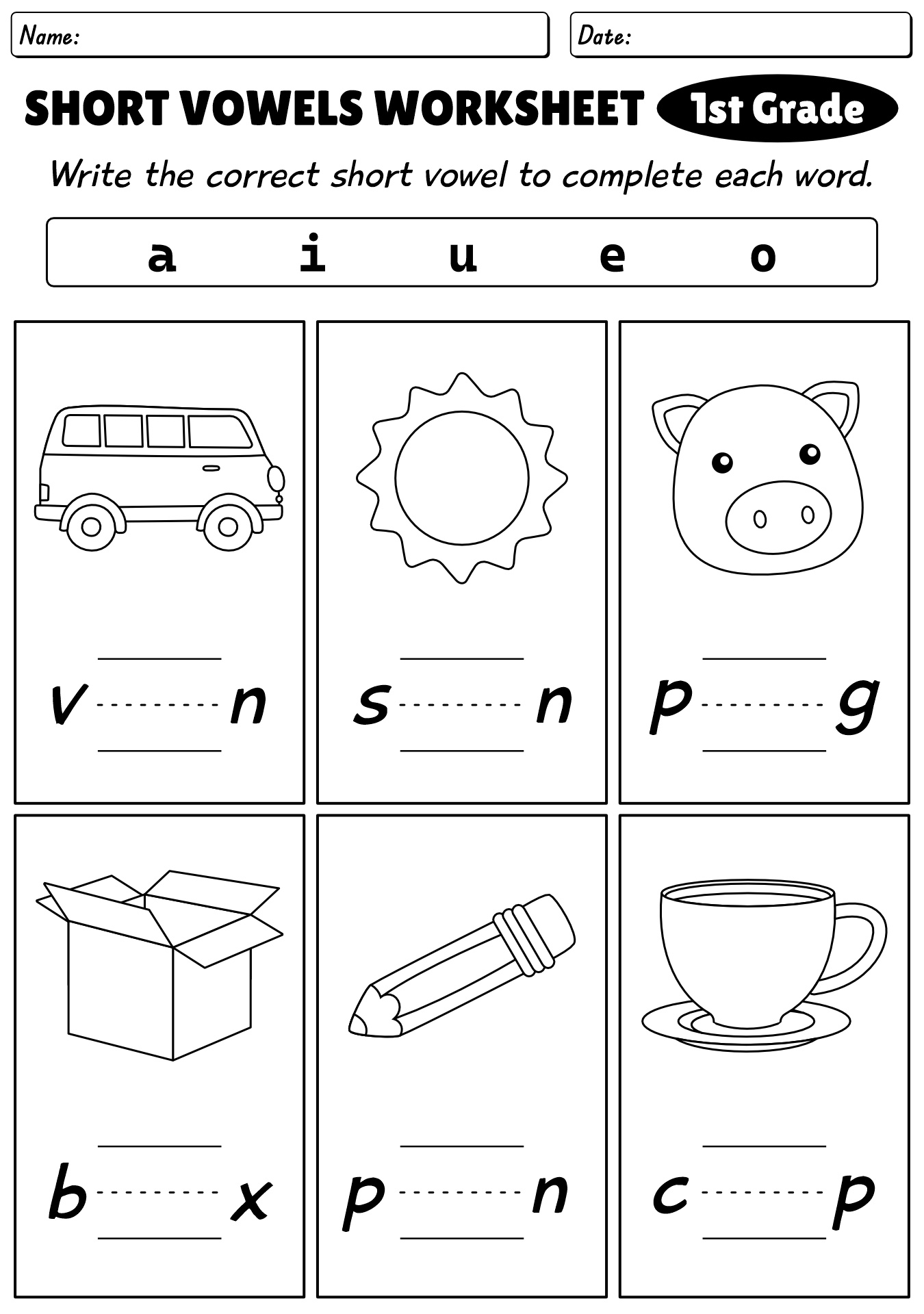
Before diving into the practical steps, it’s crucial to understand why First Grade Alphabet And Reading Worksheets are so beneficial. At this stage, children are typically between 6-7 years old, and they are beginning to recognize letters and sounds, making it the perfect time to cater to their learning needs. Worksheets can help reinforce these foundational skills through various activities such as letter tracing, word searches, and matching exercises.
Additionally, using these worksheets can make learning fun and interactive, which is particularly important for first graders who may have shorter attention spans. Engaging activities keep them focused and motivated, leading to a better understanding of the material.
Choosing the Right Worksheets
When it comes to selecting the right First Grade Alphabet And Reading Worksheets, consider the following factors:
- Alignment with Learning Objectives: Ensure the worksheets align with your curriculum goals. They should cover essential skills such as letter recognition, phonics, and basic sight words.
- Variety of Activities: Look for worksheets that offer a mix of activities to cater to different learning styles. Activities might include coloring, matching letters with images, or fill-in-the-blank exercises.
- Visual Appeal: Choose worksheets that are colorful and engaging. Bright visuals can capture the interest of first graders and make learning enjoyable.
- Level of Difficulty: Select worksheets that match the skill levels of your students. Some may need more practice with letter recognition, while others might benefit from enhancing their reading comprehension.
- Printable Format: Ensure that the worksheets are available in a format that is easy to download and print, such as PDF. This will prevent any formatting issues that can occur with image files.
Downloading and Printing Worksheets
Once you’ve selected the worksheets that suit your teaching needs, the next step is downloading and printing them. Here’s how:
- Download the Files: Click on the download link for the worksheets. PDFs are usually the best choice as they preserve formatting. Ensure your printer settings are optimized for high-quality printing.
- Set Up Your Printer: For bulk printing, portrait layout often works best. Check your printer’s paper size settings; standard letter size (8.5 x 11 inches) is commonly used for worksheets.
- Print in Batches: If you have a full class, print multiple copies of each worksheet. This saves time during lessons and allows you to distribute materials quickly.
- Use Quality Paper: If possible, print on cardstock for durability, especially if the worksheets will be used multiple times or laminated for reuse.
Setting Up the Worksheets for Class Use
Now that you have printed the worksheets, it’s time to prepare them for use in your classroom or at home.
- Organize by Activity: Sort the worksheets by activity type or learning objective. This will make it easier for you to select materials that fit your lesson plan.
- Create a Learning Station: If you have the space, consider setting up a dedicated area for reading and writing. This can include a small table with the worksheets, writing utensils, and other reading resources like books.
- Introduce the Worksheets: Before diving into activities, take a moment to explain the worksheets to your students. Show them what they need to do and how it connects to the skills they are developing.
- Incorporate Group Activities: To enhance engagement, consider using the worksheets in group settings. This can encourage collaboration and peer learning, allowing students to help each other with difficult tasks.
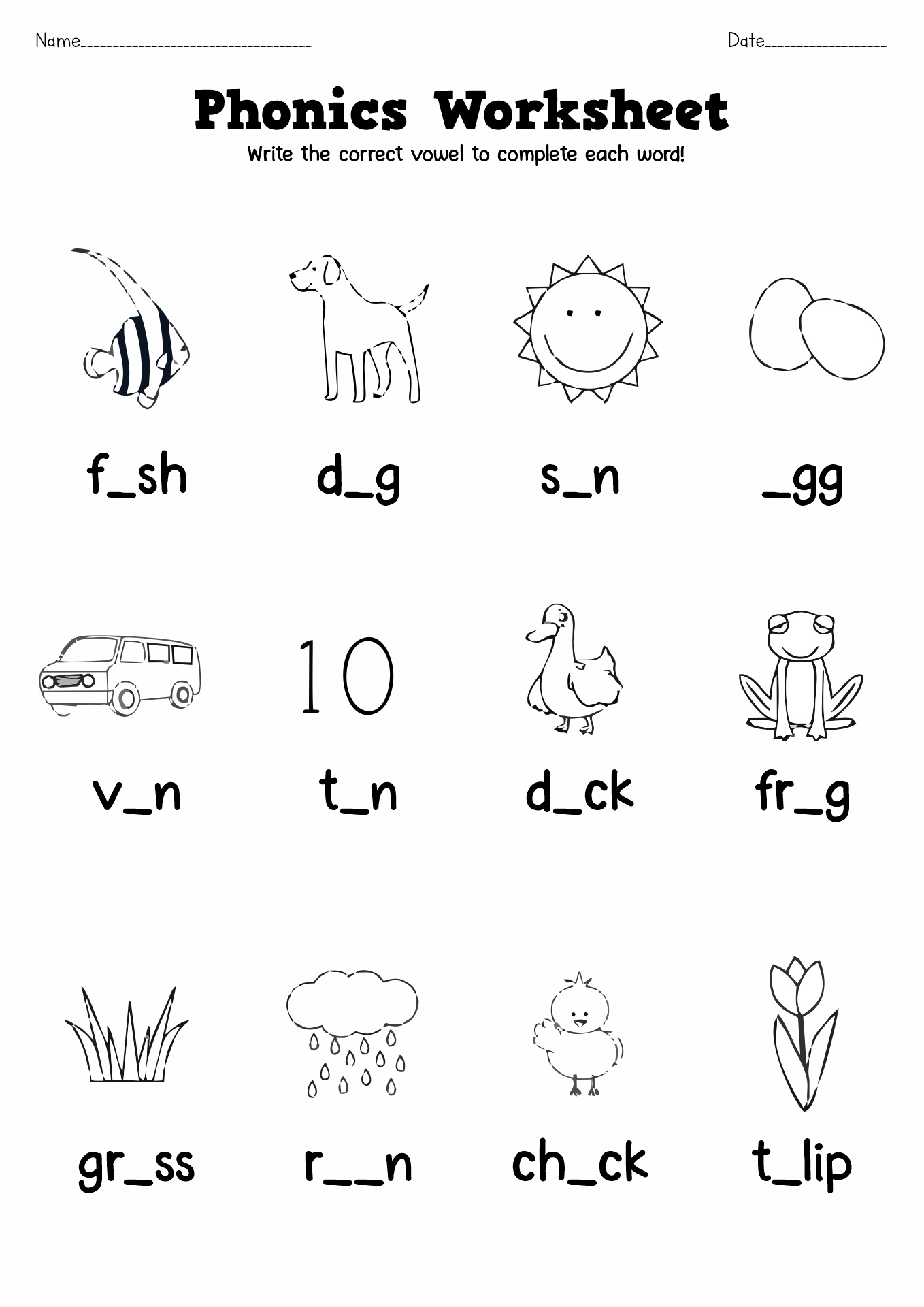
Utilizing the Worksheets Effectively
Once your students start using the First Grade Alphabet And Reading Worksheets, here are some strategies to ensure they get the most out of them:
- Provide Guidance: Walk around the classroom to offer help as needed. Some students may struggle with certain activities, so your support can make a big difference.
- Incorporate Feedback: After the students complete their worksheets, review their answers together. This can be done as a class or in small groups, providing immediate feedback on their understanding.
- Use as Assessment Tools: These worksheets can also serve as informal assessments to gauge each student’s progress. Take note of common mistakes or areas where students excel, and adjust your lesson plans accordingly.
- Encourage Creativity: Allow students to color or decorate their worksheets after completing the activities. This can make the learning experience more enjoyable and memorable.
- Reinforce Skills at Home: Send copies of the worksheets home for additional practice. Encourage parents to engage with their children by going over the worksheets together.
By following these steps, you can effectively utilize First Grade Alphabet And Reading Worksheets to enhance your students’ literacy skills. Remember, the goal is to create a supportive and engaging learning environment that fosters a love for reading and writing.
One additional detail to keep in mind: always keep a backup of your downloaded worksheets. This ensures you have access to them for future use, without the need to redownload or reprint.