
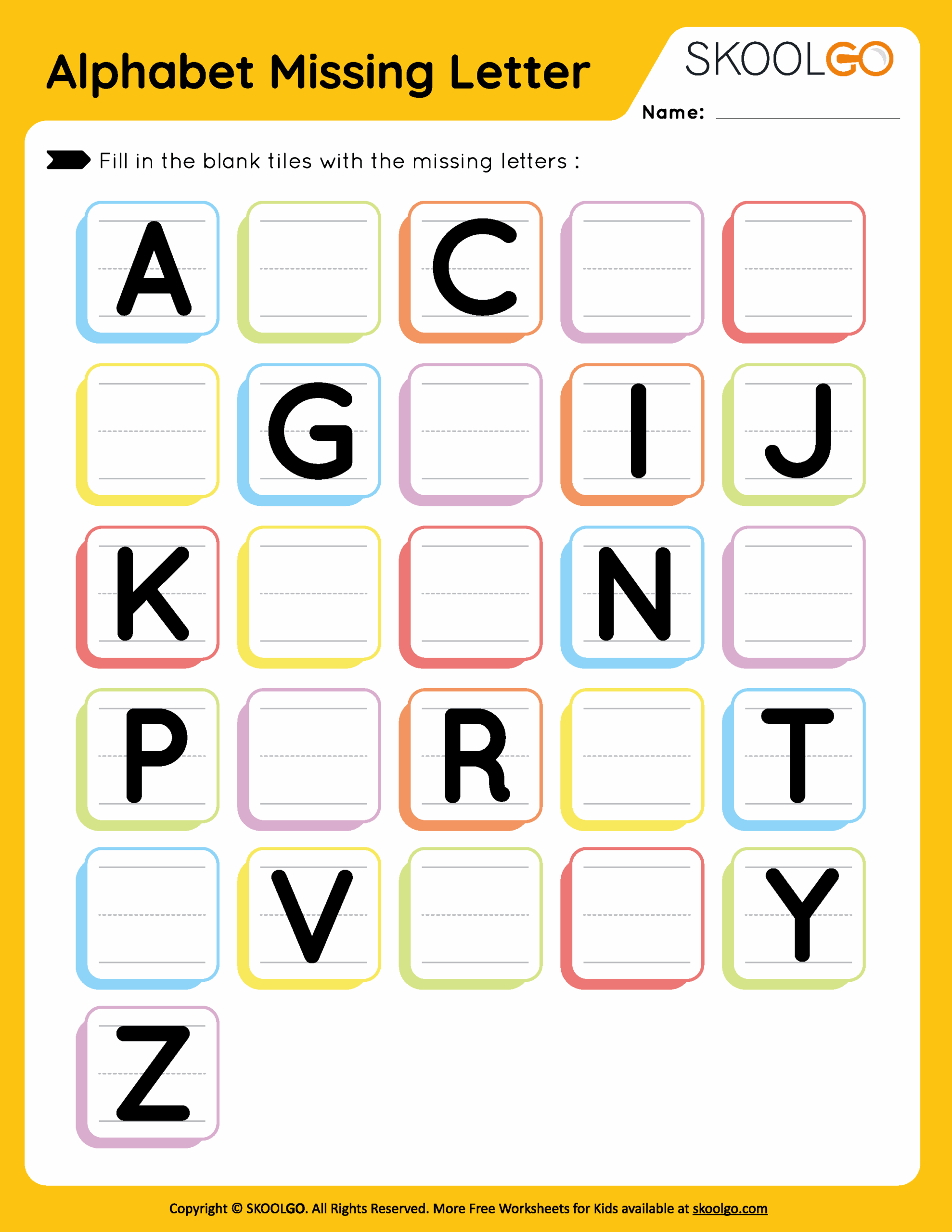
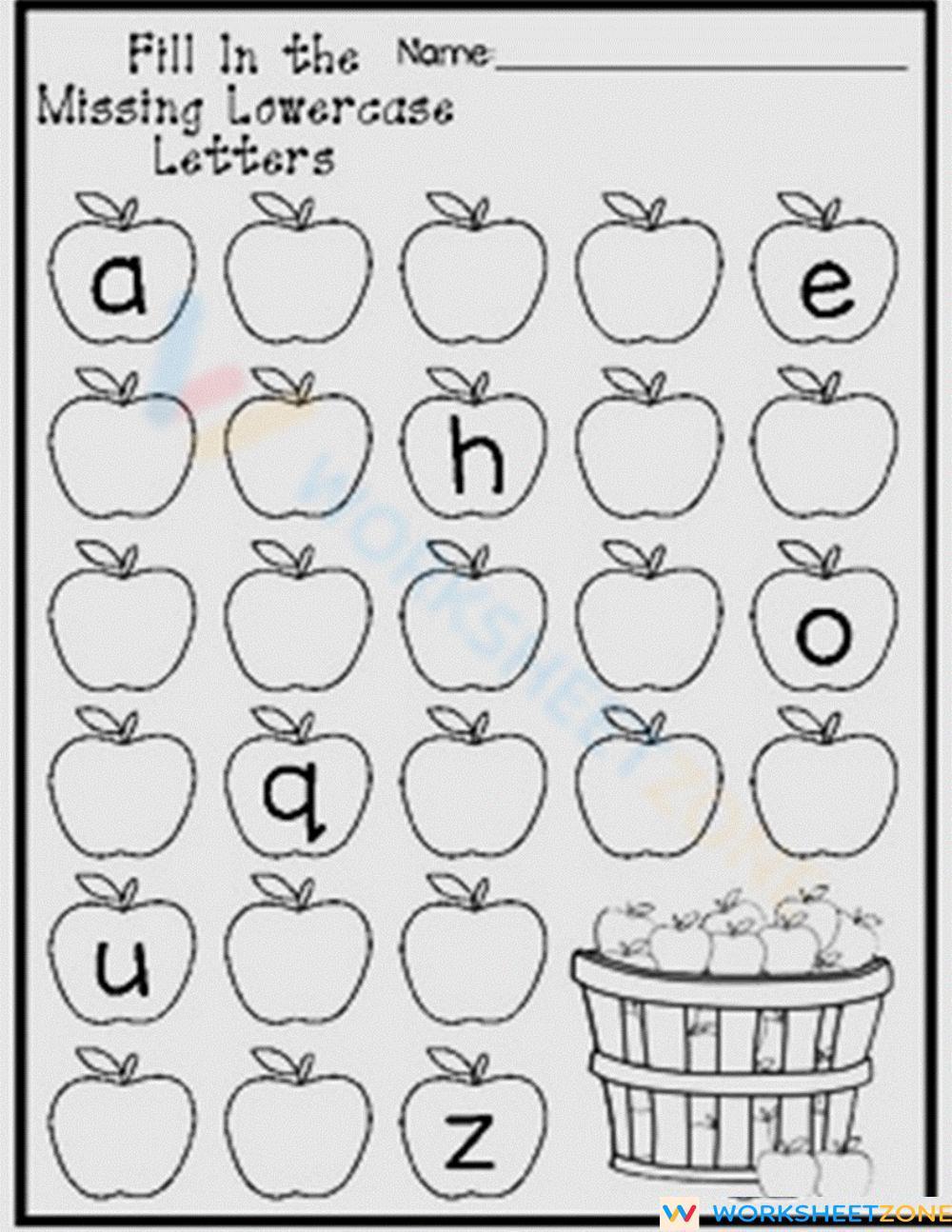
Learning the alphabet is a milestone for young learners, but sometimes gaps in letter recognition can hinder progress. Fill In The Missing Letter Alphabet Worksheets are designed to address this challenge by providing children with a fun and interactive way to practice their alphabet skills. These worksheets encourage independent practice, making them ideal for classroom and homeschooling settings.
Understanding the Importance of Letter Recognition
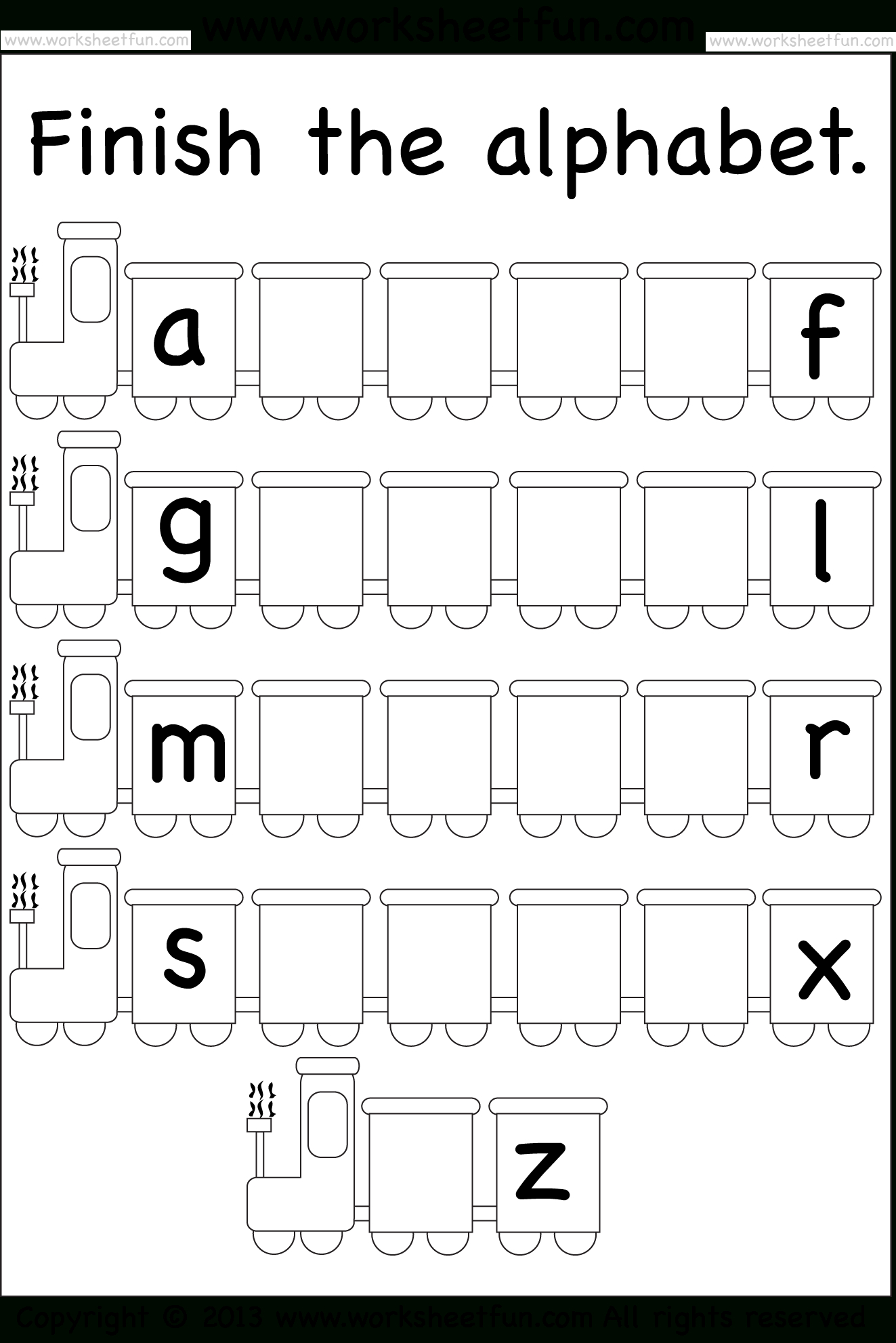
Before diving into the specifics of the worksheets, it’s essential to understand why letter recognition is crucial for early literacy. Children who can identify letters are better equipped to learn phonics, spelling, and reading. Letter recognition forms the foundation of reading skills, allowing children to decode words and understand written language. Using Fill In The Missing Letter Alphabet Worksheets can significantly boost a child’s confidence and ability in reading.
Choosing the Right Worksheets
When selecting Fill In The Missing Letter Alphabet Worksheets, consider the following factors:
- Age Appropriateness: These worksheets are typically designed for preschool and kindergarten children, ages 4-6. Ensure that the difficulty level matches the learners’ capabilities.
- Variety: Look for worksheets that offer different themes or contexts. This keeps the learning experience fresh and engaging for the children.
- Format: Choose printable formats that are easy to download and print. PDF files are often the most reliable, as they maintain formatting across different devices.
You can find these worksheets on various educational websites, often available for free or at a minimal cost. Make sure to read reviews or get recommendations from fellow educators to ensure quality.
Downloading and Printing the Worksheets
Once you’ve selected the appropriate Fill In The Missing Letter Alphabet Worksheets, the next step is downloading and printing them. Here are some practical tips:
- Download to Your Device: Click on the download link, and save the file to your computer or tablet. PDF files are generally the best choice for maintaining layout integrity.
- Print Settings: Use standard letter size (8.5 x 11 inches) for printing. Most home printers handle this size well. If you have a color printer, consider printing in color to make the worksheets visually appealing. High-quality print settings will ensure that the text is clear and easy to read.
- Paper Type: For durability, especially if the worksheets will be used multiple times, consider printing on cardstock. This material holds up better to frequent handling and can be laminated for extended use.
Setting Up for Success
To maximize the effectiveness of Fill In The Missing Letter Alphabet Worksheets, consider how they will be used in your teaching or homeschooling routine. Here are a few strategies:
- Independent Practice: Encourage children to complete the worksheets independently. This approach fosters confidence and allows them to work at their own pace. Provide clear instructions at the top of the worksheet to guide them.
- Pair with Other Activities: Integrate these worksheets into a broader literacy program. For example, after completing a worksheet, children could practice writing the letters in the air or with finger paints for a multisensory experience.
- Use as Assessment Tools: After a few weeks of practice, use the worksheets to assess progress. You can identify which letters children struggle with and tailor future lessons accordingly.
Engaging Children With Fun Themes
To keep children motivated, choose worksheets that incorporate fun themes and graphics. For example, worksheets featuring animals, seasonal themes, or popular children’s characters can make the learning experience more enjoyable. Engaging themes not only hold children’s interest but also help them connect letters with words and images, reinforcing their learning.
Incorporating Feedback and Reinforcement
After children complete the Fill In The Missing Letter Alphabet Worksheets, provide positive feedback. Acknowledge their effort and progress, even if they make mistakes. This encouragement is vital for building their confidence. Additionally, reinforce their learning by revisiting the letters they found challenging during future sessions.
Resources for Further Practice
In addition to Fill In The Missing Letter Alphabet Worksheets, consider exploring other printable resources that can complement alphabet learning:
- Alphabet Flashcards: These can help reinforce letter recognition and phonics skills.
- Coloring Pages: Incorporate letters into coloring activities to engage children creatively.
- Storybooks: Pair worksheets with storybooks that emphasize the use of specific letters or sounds.
By integrating various resources, children will have a well-rounded approach to learning the alphabet.
A Final Tip for Success
When working with Fill In The Missing Letter Alphabet Worksheets, create a dedicated learning space that is free from distractions. A quiet, comfortable environment helps children focus better on their tasks. Setting up a routine where they complete the worksheets at the same time each day can also help establish good learning habits.