
Teaching young learners the alphabet and numbers is essential for building a strong foundation in language and mathematics. One effective way to enhance this learning experience is through engaging Esl Worksheets Alphabet And Numbers Coding. These worksheets not only help children practice their skills but also make learning enjoyable. Below, you’ll find practical insights into how to use these worksheets effectively in your classroom or home learning environment.
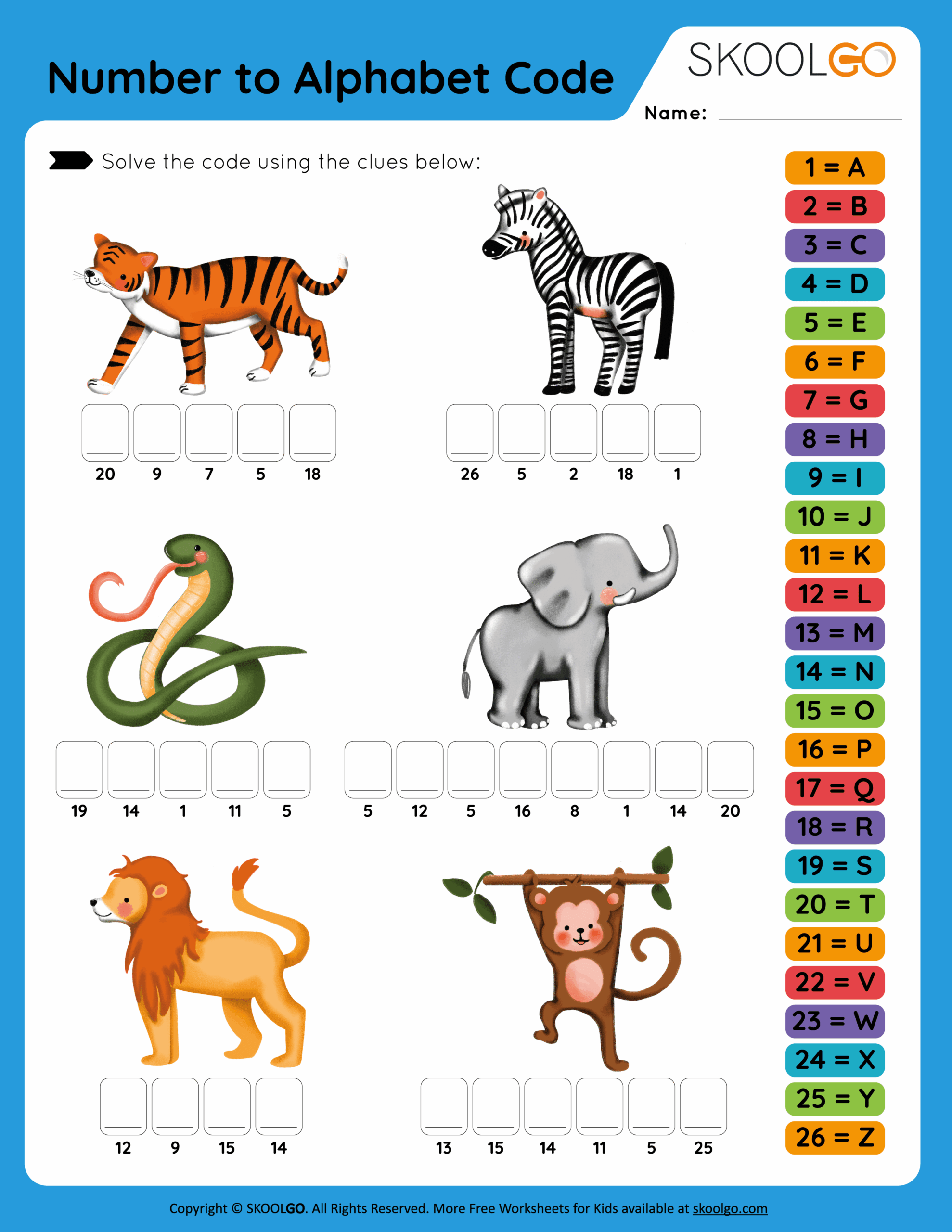
Understanding the Format of Esl Worksheets
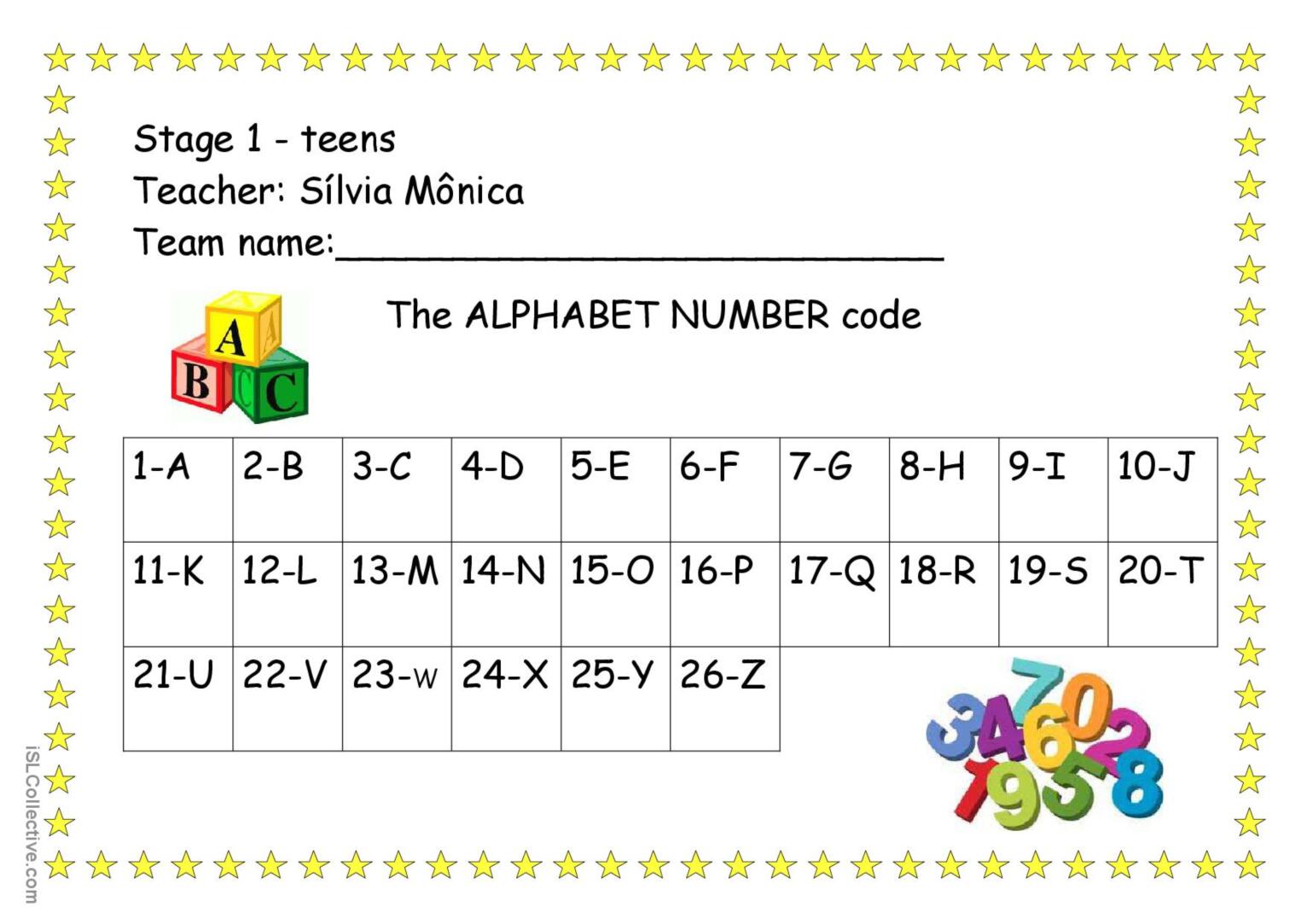
Esl Worksheets Alphabet And Numbers Coding typically come in a standard A4 format, which is convenient for printing and handling. The layout is generally structured to guide learners through various exercises that focus on both the alphabet and numbers.
You might notice that these worksheets often include a combination of visual elements, such as images and colorful graphics, to capture children’s attention. Sections may be divided into different activities, such as tracing letters, identifying numbers, and coding exercises, which can help reinforce the concepts being taught.
It’s important to choose worksheets that are well-organized, as this clarity allows young learners to work independently. Clear headings, numbered steps for activities, and visually distinct sections make it easier for kids to navigate through the exercises without requiring constant supervision.
Engaging Activities for Alphabet Practice
When using Esl Worksheets for alphabet practice, you’ll find various activities designed to enhance recognition and writing skills. Here are a few common activity types you can expect:
- Tracing Letters: Worksheets often include dotted lines for children to trace letters. This not only helps with handwriting but also reinforces the shape and sound of each letter.
- Matching Exercises: These activities ask students to match letters to corresponding images (e.g., “A” for “Apple”). This visual association aids memory retention.
- Fill-in-the-Blank: Children can practice writing letters in empty spaces, which encourages active participation and recall.
You can incorporate these activities into your lesson plans for preschool and early elementary students, typically aged 4-7. The key is to ensure that the instructions are simple and straightforward so that kids can complete them independently.
Numbers Coding Activities for Reinforcement
Numbers coding activities are essential for helping children understand numerical concepts. Esl Worksheets Alphabet And Numbers Coding often include unique coding exercises that can make learning numbers more interactive. Here are some examples:
- Number Tracing: Just like letters, students can practice tracing numbers from 1 to 10 (or higher). This activity helps them develop fine motor skills while reinforcing number shapes.
- Number Matching: Worksheets may feature a series of numbers paired with groups of objects (e.g., matching “3” with three apples). This encourages counting and number recognition.
- Simple Coding Puzzles: Some worksheets may introduce basic coding concepts where children must follow a sequence or pattern to complete a task. For example, they might color numbers based on a key (e.g., “1” red, “2” blue).
These activities can be particularly beneficial for children in kindergarten to second grade. The engaging nature of coding and matching exercises makes learning numbers fun and can spark an interest in mathematics early on.
Independent Practice and Teacher Support
One of the advantages of Esl Worksheets Alphabet And Numbers Coding is that they are designed for independent practice. However, teachers can still provide support in several ways:
- Modeling: Before handing out the worksheets, demonstrate how to complete a few sample problems. This helps set expectations and gives students a clear understanding of what to do.
- Checkpoints: Walk around the classroom to observe how students are progressing. Offer assistance only when necessary, encouraging them to try and figure out the tasks independently.
- Feedback: After students complete the worksheets, provide constructive feedback. This can be done through informal discussions or by reviewing their answers collectively.
Fostering independence while providing a support system is crucial in helping young learners build confidence in their skills.
Customizing Worksheets for Different Learning Styles
Every child learns differently, and Esl Worksheets Alphabet And Numbers Coding can be easily customized to accommodate various learning styles. Here are a couple of tips on how to do this:
- Visual Learners: Incorporate more images and colors in the worksheets. For example, instead of just using text, add pictures that correspond to each letter or number.
- Kinesthetic Learners: Pair the worksheets with hands-on activities. For instance, after completing a worksheet, ask students to cut out letters or numbers and create a collage.
- Auditory Learners: Consider reading the instructions aloud or incorporating songs related to the alphabet and numbers. This can help reinforce learning through sound.
Customization not only helps meet the needs of diverse learners but also enhances overall engagement and comprehension.
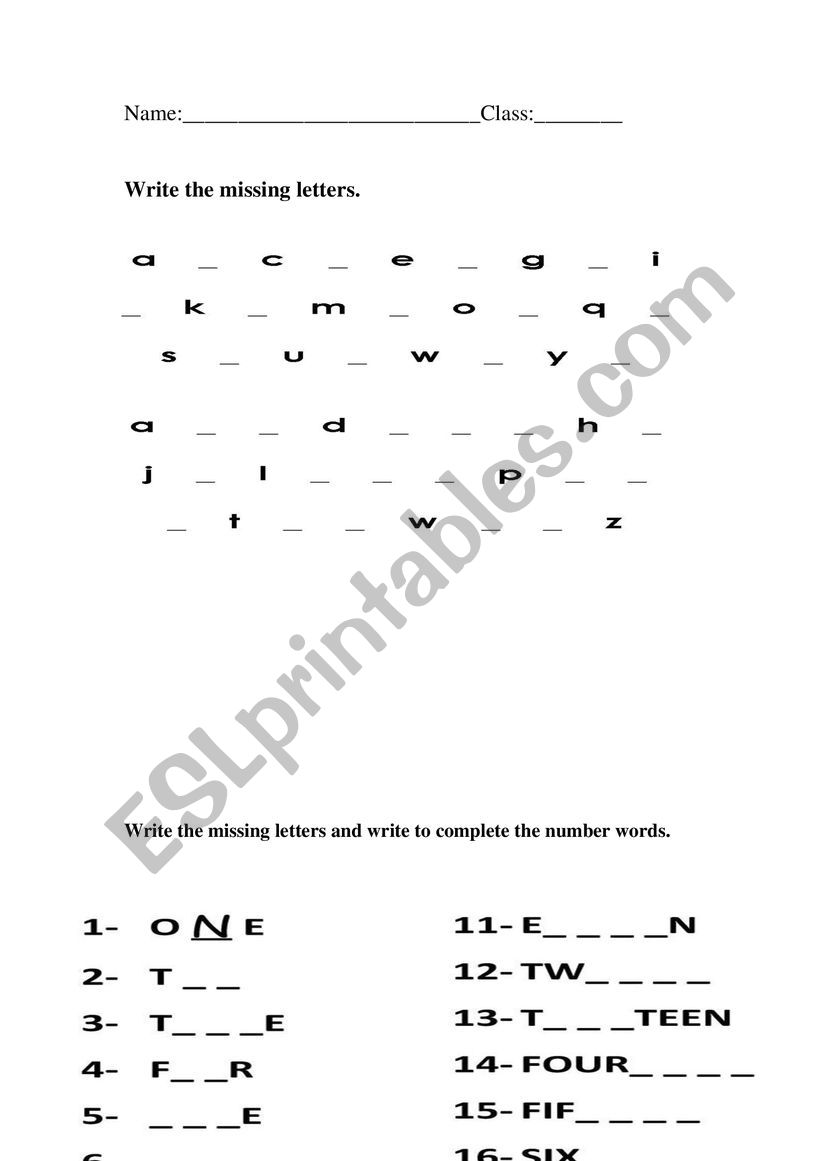
Choosing the Right Paper and Printing Options
When preparing your Esl Worksheets for use, consider the following practical tips:
- Paper Type: Use cardstock for durability if the worksheets will be used multiple times or laminated for long-term use. Regular printer paper is fine for one-time use.
- Printer Settings: Opt for a high-quality print setting to ensure clarity, especially for worksheets with images. Ensure you check the page layout, as portrait orientation generally works best for worksheets.
- Digital Versions: If you have access to tablets, consider using digital versions of the worksheets. This can allow for interactive learning experiences, such as filling in answers directly on the screen.
By choosing the right materials and settings, you can enhance the overall experience and effectiveness of the worksheets.
Esl Worksheets Alphabet And Numbers Coding provide a structured yet flexible way to teach foundational skills. With a variety of engaging activities, clear layouts, and easy-to-follow instructions, these worksheets are a valuable resource for teachers and parents alike. If you are looking for independent practice options or ways to cater to different learning styles, these worksheets can adapt to meet your needs effectively. Choose the right format and materials, and watch as young learners flourish in their understanding of letters and numbers.