
Recognizing letters is a foundational skill for early readers, and the English Worksheet Circle The Correct Alphabet resource is specifically designed to help children practice this essential task. Unlike other worksheets, this printable focuses on interactive engagement, encouraging young learners to visually identify and circle the correct letters among various options. This hands-on approach not only makes learning enjoyable but also reinforces alphabet recognition in a clear and structured manner.
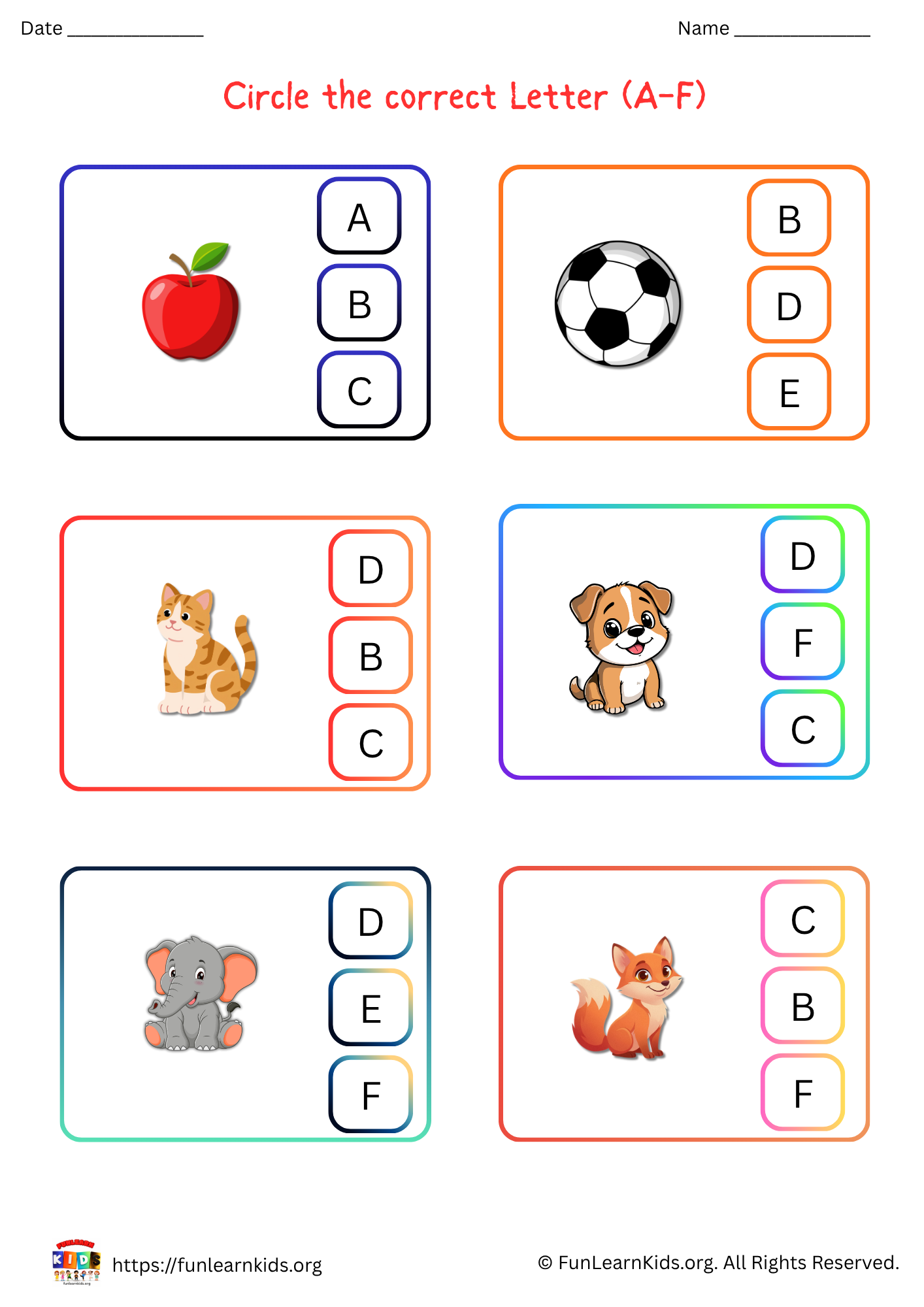
Understanding the Worksheet’s Layout
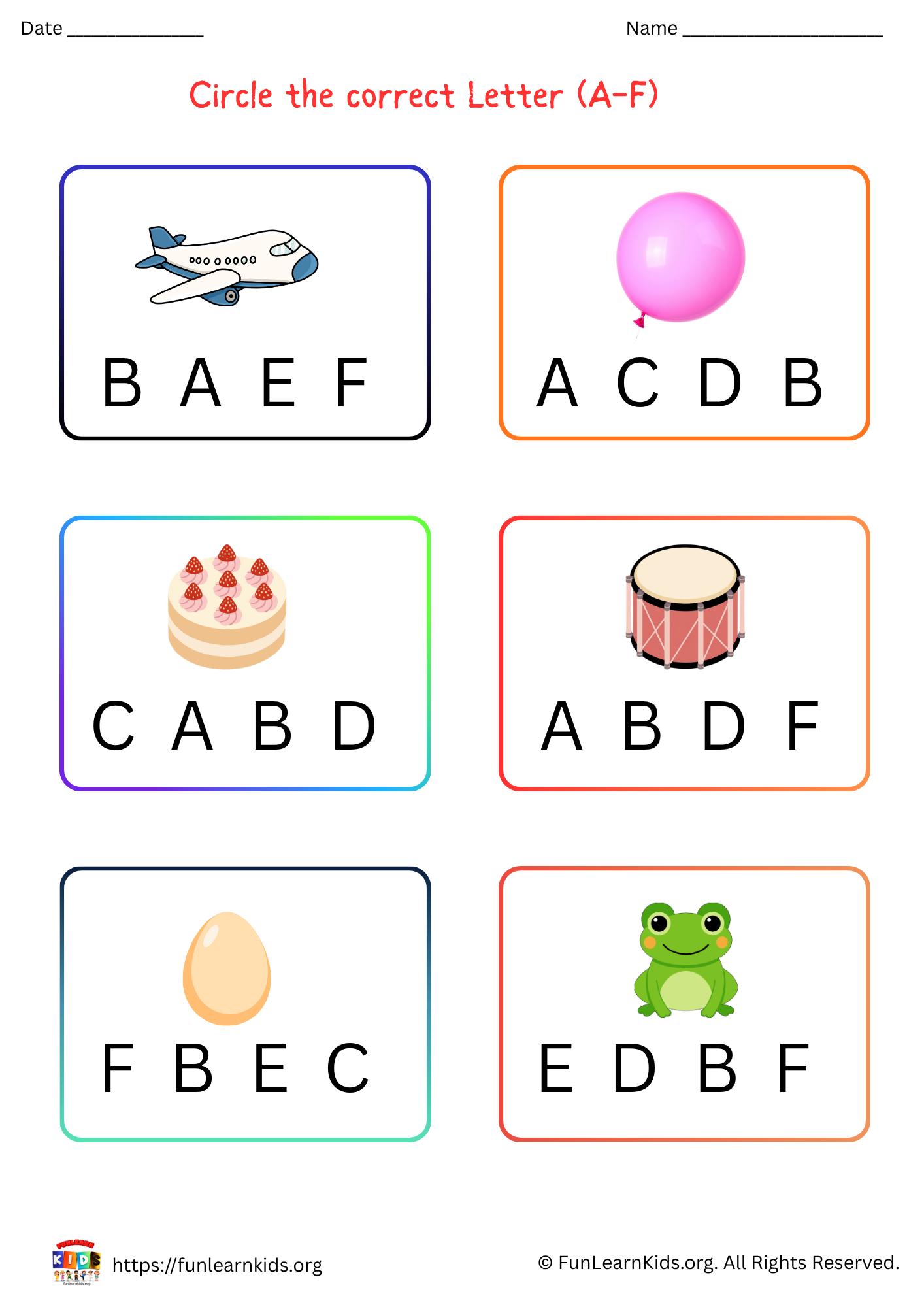
The English Worksheet Circle The Correct Alphabet typically features a simple, visually appealing layout. You’ll find a series of letters displayed in different styles and fonts, alongside a target letter that students need to identify. This straightforward design helps minimize distractions, allowing children to focus on the task at hand.
Each worksheet usually contains several rows or sections, with a consistent format throughout. This repetition is beneficial as it helps students become familiar with the task, promoting confidence as they progress. The clear instructions at the top of the page guide students on what to do, making it easy for them to understand their objective.
How to Use the Worksheet Effectively
To maximize the effectiveness of the English Worksheet Circle The Correct Alphabet, follow these steps:
- Introduce the Alphabet: Before handing out the worksheet, spend some time reviewing the alphabet with your students. Use flashcards or songs to engage them and ensure they can recognize each letter.
- Demonstrate the Task: Show students how to complete the worksheet by circling a letter together. Explain that they should look for the target letter and circle it clearly. This demonstration helps clarify the task and reduces confusion.
- Allow Independent Practice: Distribute the worksheets and let students work on them independently. This encourages self-reliance and allows you to assess their understanding of letter recognition.
- Provide Support as Needed: Circulate around the classroom, offering assistance to students who may struggle. Some children may need additional guidance or encouragement, particularly if they are unsure about certain letters.
- Review the Answers Together: Once everyone has completed the worksheet, review the answers as a class. This collaborative approach reinforces learning and provides an opportunity for students to ask questions about any letters they found challenging.
Monitoring Progress and Mastery
One of the key benefits of using the English Worksheet Circle The Correct Alphabet is the ability to monitor student progress effectively. As you review their completed worksheets, look for the following indicators of mastery:
- Accuracy: Check how many letters each student circled correctly. A high accuracy rate indicates that they have grasped the concept of letter recognition.
- Speed: Note how quickly students complete the worksheet. If they finish with confidence and in a timely manner, it suggests they are comfortable with the material.
- Engagement: Observe their level of focus during the activity. Are they attentive and eager to participate? High engagement levels often correlate with better retention of the material.
If you notice that some students are struggling, it may be helpful to provide additional resources, such as letter tracing worksheets or interactive alphabet games, to reinforce their learning.
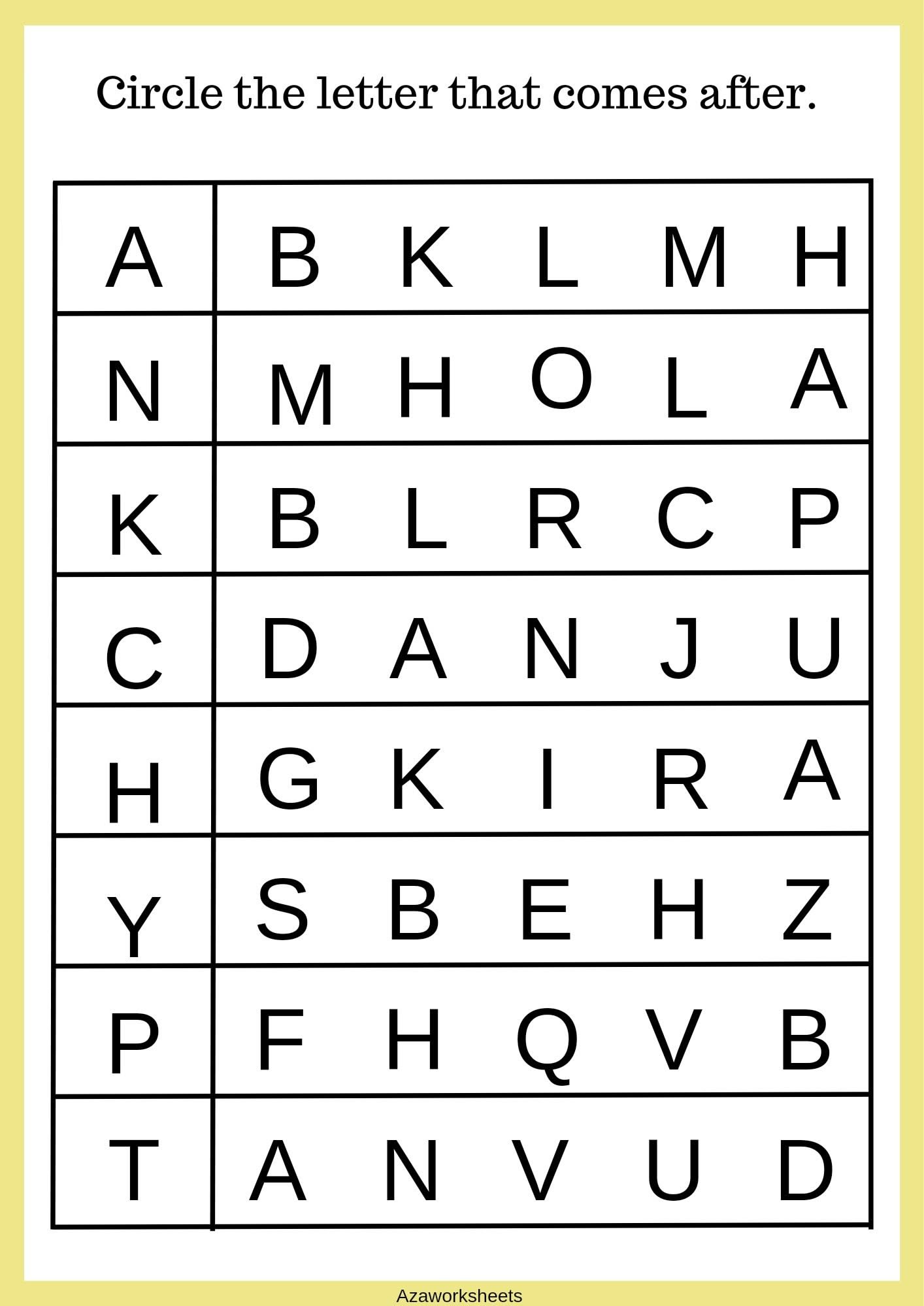
Adapting the Worksheet for Different Learning Levels
The English Worksheet Circle The Correct Alphabet can be easily adapted to suit various learning levels. Here are some suggestions to modify the worksheet for different age groups and abilities:
- For Younger Learners: Simplify the worksheet by limiting the number of letters in each row. Focus on only a few letters at a time to avoid overwhelming them.
- For Advanced Students: Increase the complexity by including similar-looking letters (e.g., b and d) or providing additional distractions, such as letters that are not in the target group. This encourages critical thinking and sharpens their recognition skills.
- Incorporate Color: Use colored pencils or markers to make the activity more engaging. Allowing students to personalize their worksheets can boost motivation and enjoyment.
- Group Activities: Use the worksheets in small groups where students can collaborate and discuss their answers. This encourages peer learning and helps them articulate their thought processes.
By adjusting the worksheet to meet different learning needs, you can ensure that every student benefits from the activity, regardless of their starting point.