
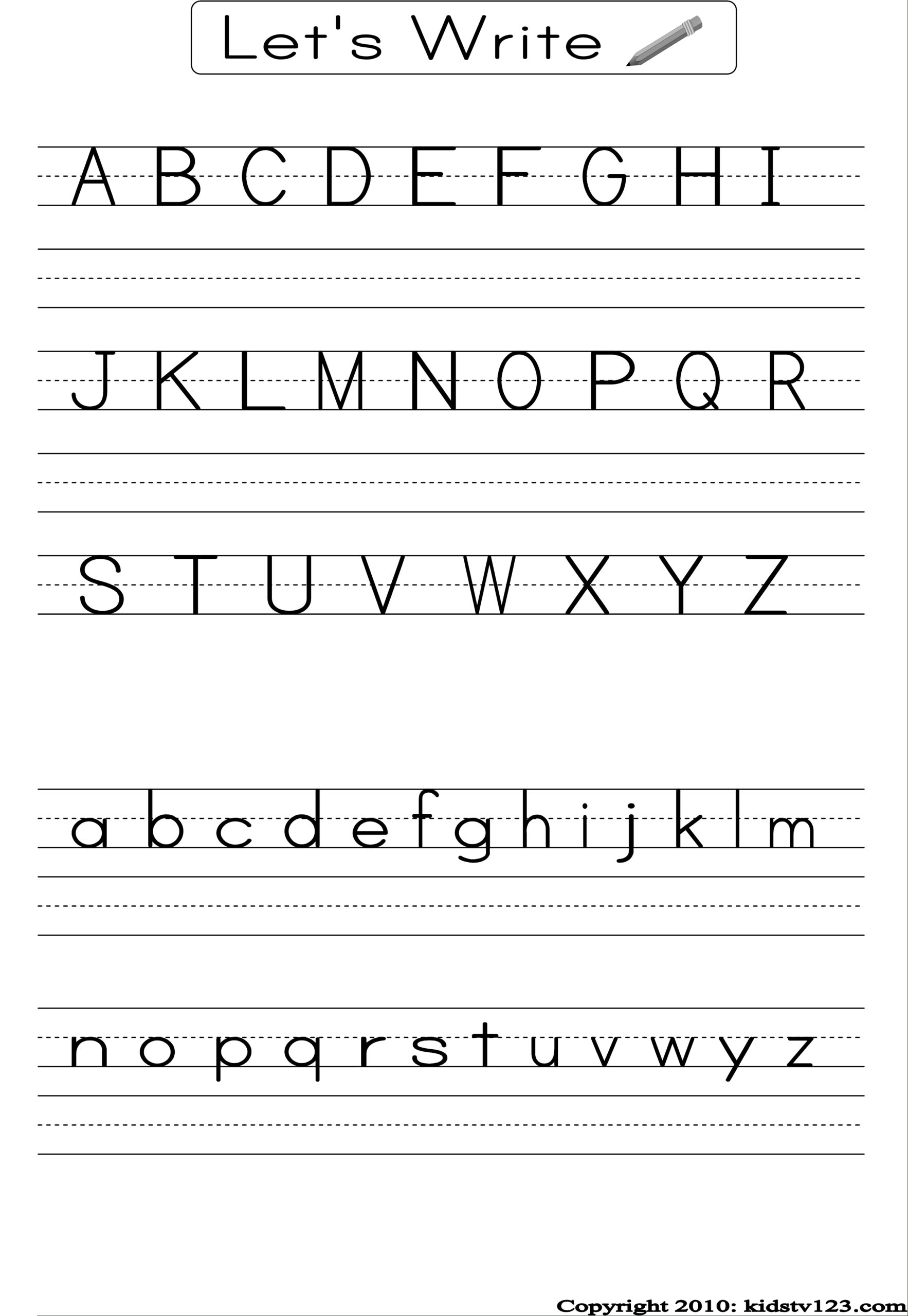
Teaching young learners how to write the English alphabet can be a rewarding yet challenging experience. English Alphabets Writing Practice Worksheets are a fantastic resource for teachers and parents alike, designed to reinforce letter formation and enhance fine motor skills. These worksheets typically come in a standard size of 8.5″ x 11″, making them easy to print and use.
Understanding the Importance of Writing Practice
Writing is a crucial skill that children develop early on. Mastering the English alphabet lays the foundation for future literacy skills, including reading and spelling. These worksheets help children practice both uppercase and lowercase letters, which is essential for their overall communication skills. By using these resources, you are not just enhancing their writing ability but also boosting their confidence in using the language.
Choosing the Right Worksheets
When selecting English Alphabets Writing Practice Worksheets, consider the following factors:
- Age Appropriateness: Worksheets should cater to the specific age group you are teaching, typically preschool to early elementary grades (ages 4-7).
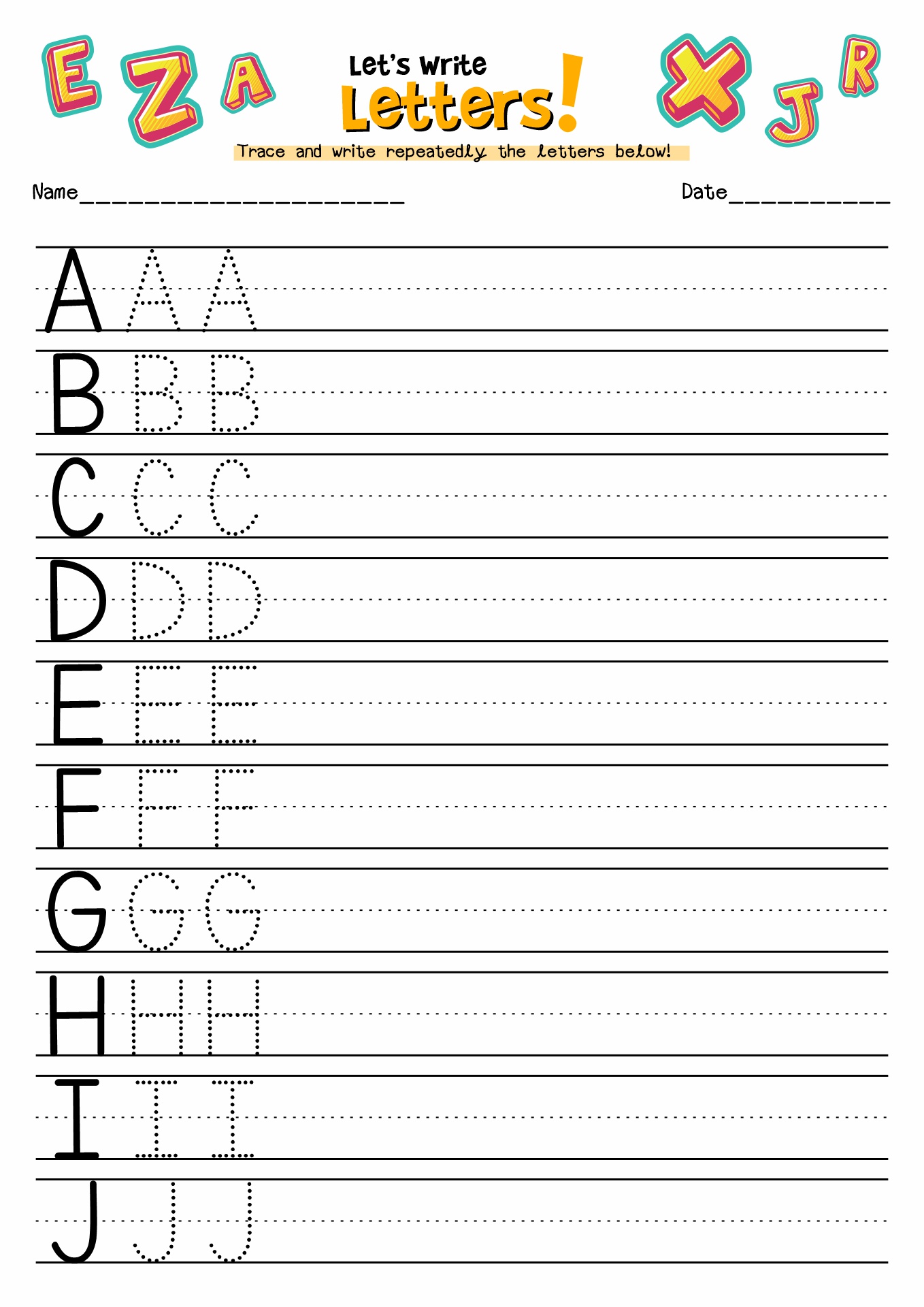
- Design: Look for worksheets with clear, large letters and ample space for children to write. Some worksheets include dotted lines for tracing, while others provide blank lines for freehand writing.
- Variety: Choose worksheets that offer a mix of activities, such as tracing, filling in missing letters, and coloring, to keep children engaged.
Downloading and Printing Worksheets
Once you’ve chosen the right worksheets, the next step is downloading and printing them. Most printable resources come in PDF format, which ensures that the layout stays consistent across different devices. Here’s how to effectively download and print:
- Select Your Worksheets: Choose the worksheets that best suit your teaching needs.
- Download the PDF: Click the download link, and ensure it saves to your device.
- Print Settings: Use a standard printer setup. For best results, select the portrait layout, and ensure your paper size is set to 8.5″ x 11″. If you have the option, use cardstock for durability, especially if the worksheets will be handled frequently.
- Test Print: It’s always a good idea to do a test print of one worksheet to check quality and layout before printing multiple copies.
Setting Up a Writing Practice Session
Creating an effective writing practice session can make a significant difference in how children engage with the worksheets. Here’s a simple setup you can follow:
- Gather Materials: Have pencils, erasers, and colored pencils or crayons on hand. This encourages creativity and makes the session more enjoyable.
- Designate a Quiet Space: A clutter-free environment can help children focus better on their writing tasks.
- Explain the Activity: Start by demonstrating how to properly form each letter. Show them the difference between uppercase and lowercase letters and explain when to use each.
- Encourage Practice: Allow children to trace the letters first before writing them freehand. Encourage them to say the letter names and sounds as they write.
- Monitor Progress: Walk around and observe each child’s writing. Offer constructive feedback and help them correct any mistakes gently.
Integrating Worksheets Into Regular Lessons
Using English Alphabets Writing Practice Worksheets can easily fit into your regular lesson plans. Here are a few ways to integrate them:
- Daily Warm-Up: Start each day with a short writing practice session. This could be as simple as having students write a specific letter or word.
- Themed Lessons: Tie writing practice into themed lessons. For example, if you are teaching about animals, have students write the letters that spell out animal names.
- Home Assignments: Send worksheets home for extra practice. This reinforces what they’ve learned in class and involves parents in their child’s education.
Adapting Worksheets for Different Learning Styles
Every child learns differently, so it’s essential to adapt worksheets to cater to various learning styles:
- Visual Learners: Incorporate colorful worksheets with images to help these learners associate letters with objects.
- Kinesthetic Learners: Use hands-on activities alongside worksheets, like forming letters with clay or tracing them in sand.
- Auditory Learners: Integrate songs or rhymes about the alphabet during writing practice to engage these learners.