
Learning to write the English alphabet is a fundamental skill for young children, and an English Alphabet Writing Worksheet For Kids can play a crucial role in this process. These worksheets help kids practice letter recognition and improve their handwriting, making learning both effective and enjoyable. If you’re a teacher or a parent looking for practical ways to support your child’s literacy development, this guide will provide you with the insights and tips you need to utilize these worksheets effectively.
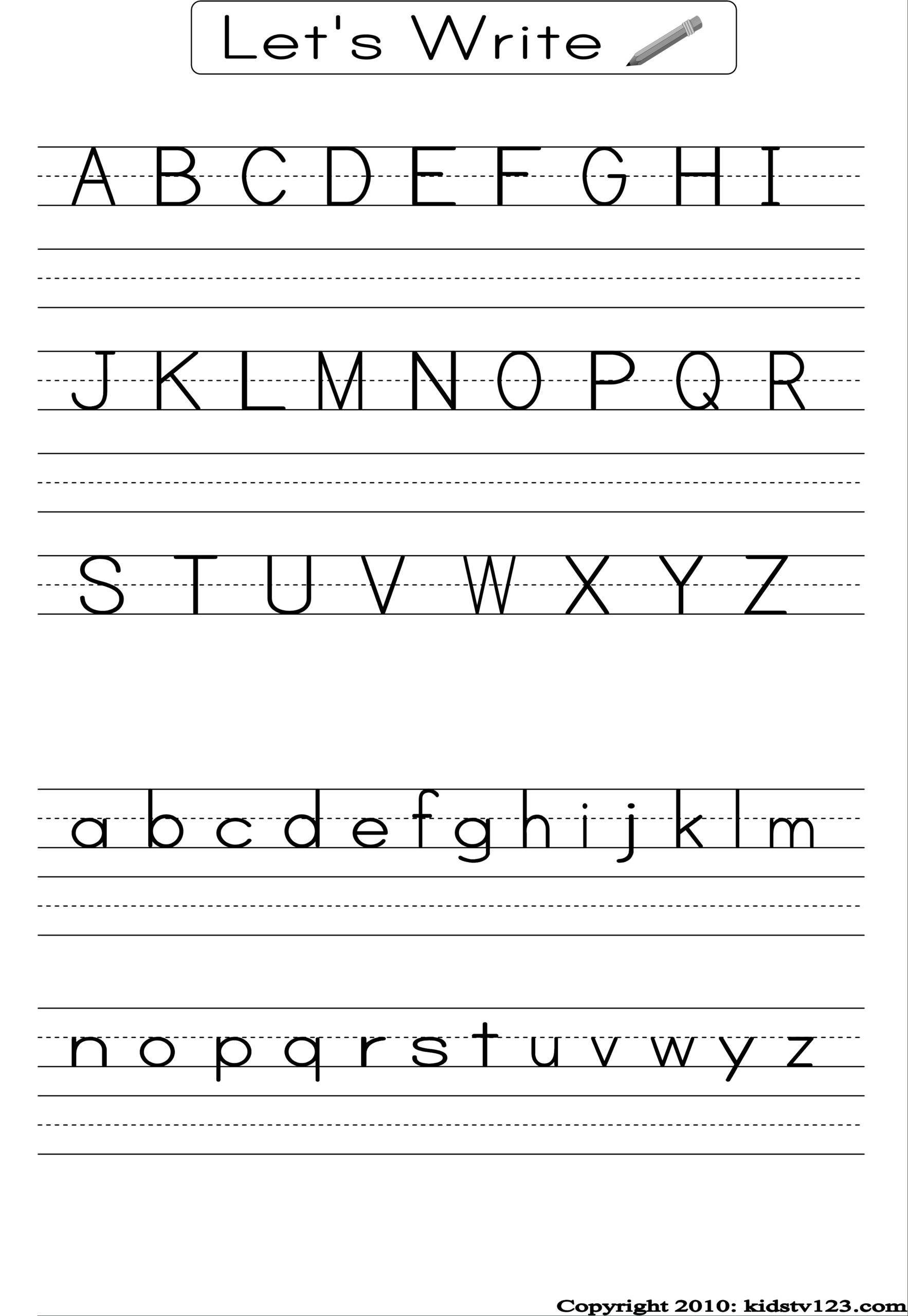
Understanding the Importance of Writing Worksheets
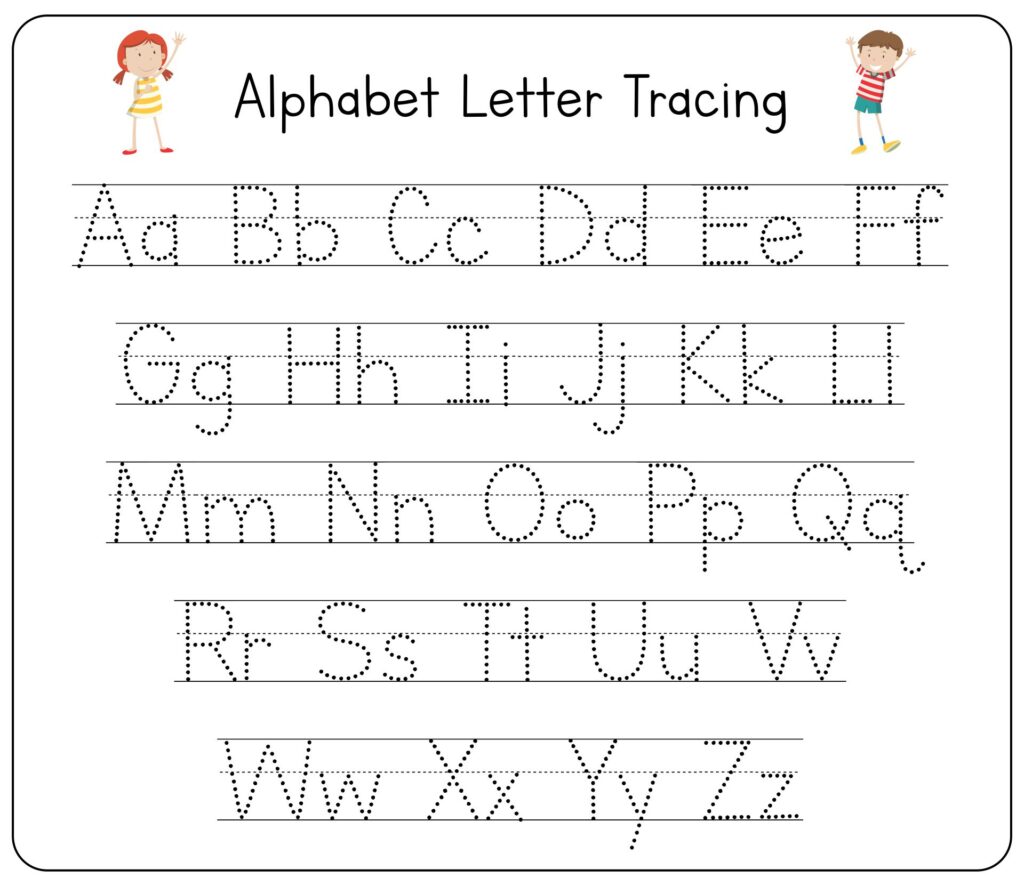
Writing worksheets serve multiple purposes in a child’s education. They are designed not only to improve writing skills but also to reinforce letter recognition and phonics. When children practice writing letters repeatedly, it helps them develop muscle memory, which is essential for writing fluently. Moreover, worksheets can be tailored to suit various learning styles, whether visual, auditory, or kinesthetic.
For toddlers and preschoolers, worksheets that focus on tracing letters can be particularly effective. These activities allow children to get accustomed to the shapes and strokes of each letter. As they advance, they can move on to writing letters independently, which helps build confidence in their writing abilities.
How to Use the English Alphabet Writing Worksheet
Using the English Alphabet Writing Worksheet For Kids can be straightforward and rewarding. Here’s how you can integrate it into a classroom or homeschool setting effectively:
- Choose the Right Worksheet: Look for worksheets that feature both uppercase and lowercase letters. Some worksheets include pictures that begin with each letter, which helps reinforce the connection between letters and their sounds.
- Set Up a Comfortable Writing Space: Make sure your child has a quiet, well-lit area to work in. A table with enough space for them to spread out their materials is ideal. You might also want to provide a comfortable chair to encourage proper posture while writing.
- Introduce the Worksheet: Start by reviewing the letters with your child. Point out the letters they will be practicing and explain any associated sounds or words. This step can be especially beneficial in a classroom with multiple children, as it sets the context for the activity.
- Model the Activity: Demonstrate how to properly write each letter. Show the correct starting point and the direction of each stroke. If you’re using a worksheet that allows for tracing, encourage them to follow along with a pencil or crayon.
- Encourage Independent Practice: Once your child feels comfortable, allow them to attempt writing the letters on their own. Remind them to take their time and focus on forming each letter correctly.
- Provide Feedback: As they work, offer positive reinforcement. Celebrate their efforts, no matter how small, to keep them motivated. If they struggle with certain letters, provide gentle correction and additional practice as needed.
- Revisit and Reinforce: Regular practice is key to mastering writing skills. Consider scheduling a few minutes each day for your child to work on their writing worksheet. This can be a part of a broader literacy routine that includes reading and phonics activities.
Enhancing the Learning Experience
To make the learning process even more engaging, consider incorporating additional activities alongside the English Alphabet Writing Worksheet For Kids:
- Coloring Pages: Pair worksheets with coloring pages that feature the alphabet. This visual element can make learning more enjoyable and can serve as a reward after completing writing tasks.
- Interactive Games: Use games like letter scavenger hunts or flashcards to reinforce letter recognition. This can break the monotony of worksheet practice and add an element of fun.
- Story Time: After practicing the letters, read books that emphasize the letters they worked on. Ask them to identify the letters in the text and relate them to their writing practice.
Tips for Printing and Using Worksheets
When it comes to printing your worksheets, consider the following tips to ensure the best results:
- Paper Choice: Use good quality paper, such as cardstock, for durability, especially if your child will be using markers or crayons. If you plan to laminate the worksheets for repeated use, this is even more critical.
- Printer Settings: Adjust your printer settings for high-quality output. Most home printers can handle standard A4 or letter-sized paper, but be sure to preview your print before finalizing to avoid any formatting issues.
- Use of Dry Erase Markers: If you laminate the worksheets, you can use dry erase markers, allowing for endless practice without wasting paper. Just wipe clean after each use!
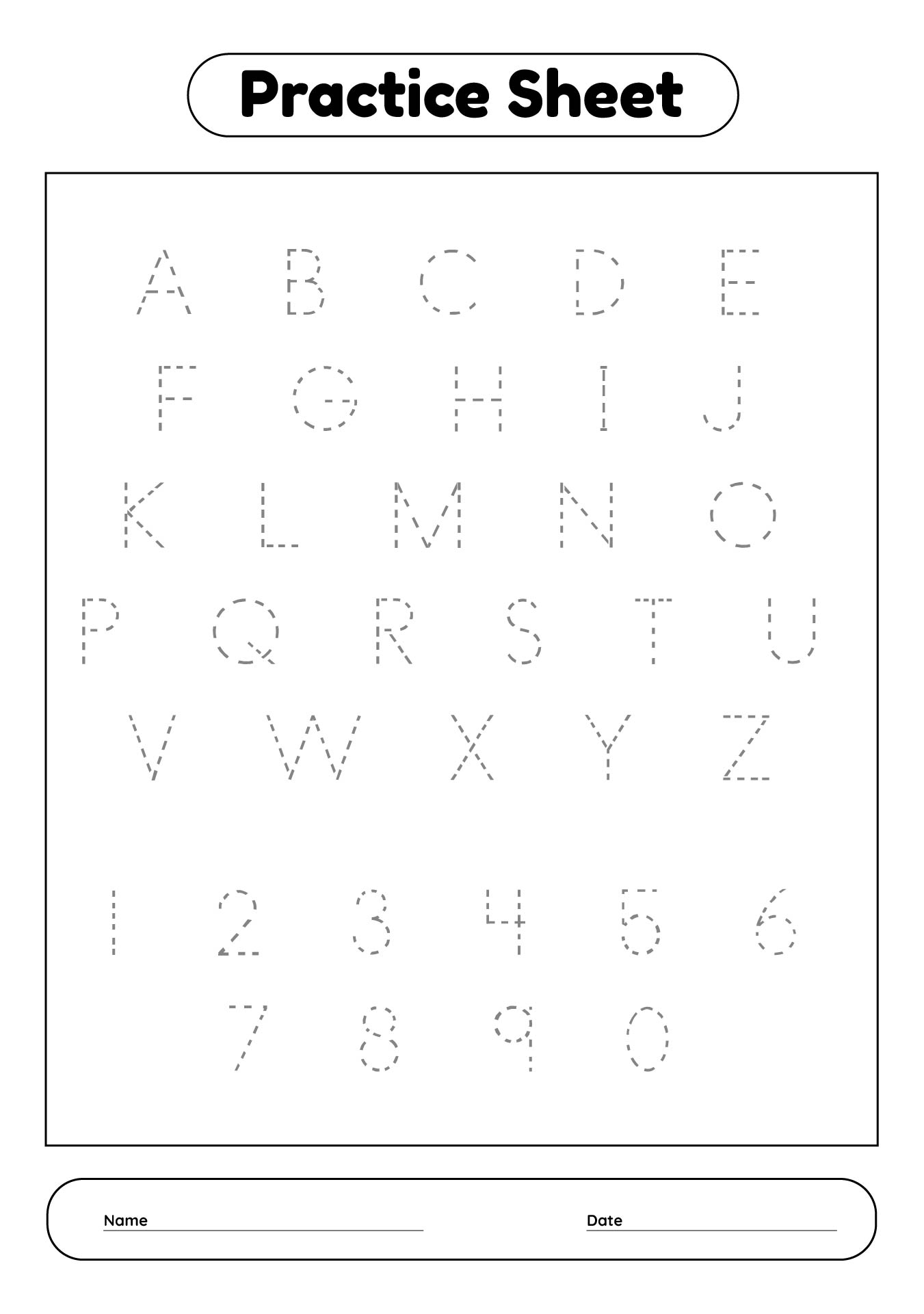
Adapting Worksheets for Different Skill Levels
While the English Alphabet Writing Worksheet For Kids is generally suitable for preschoolers and early elementary students, you can adapt it for various skill levels.
- For Beginners: Focus on worksheets that emphasize tracing and include visual aids. This is ideal for children just starting their writing journey.
- For Intermediate Learners: Incorporate worksheets that require children to write letters independently or even form simple words. This can help bridge the gap between letter recognition and actual writing skills.
- For Advanced Learners: Challenge more advanced students with worksheets that include cursive writing practice or words that incorporate the letters they have learned. This can help them refine their writing style and improve their overall literacy.
By understanding the various ways to use the English Alphabet Writing Worksheet For Kids, you can create a supportive and engaging environment that fosters learning. Remember, the goal is to make writing a fun and rewarding experience. So, gather your supplies and get started today! One effective tip is to set a specific time each day dedicated to writing practice—this consistency will help reinforce their skills and build a love for writing.