
The best English Alphabet Worksheets For Grade 1 are designed to make learning the alphabet engaging and effective. These resources cater to young learners, helping them grasp foundational literacy skills. In this guide, I’ll walk you through how to select, download, print, and effectively use these worksheets in a classroom or home setting.
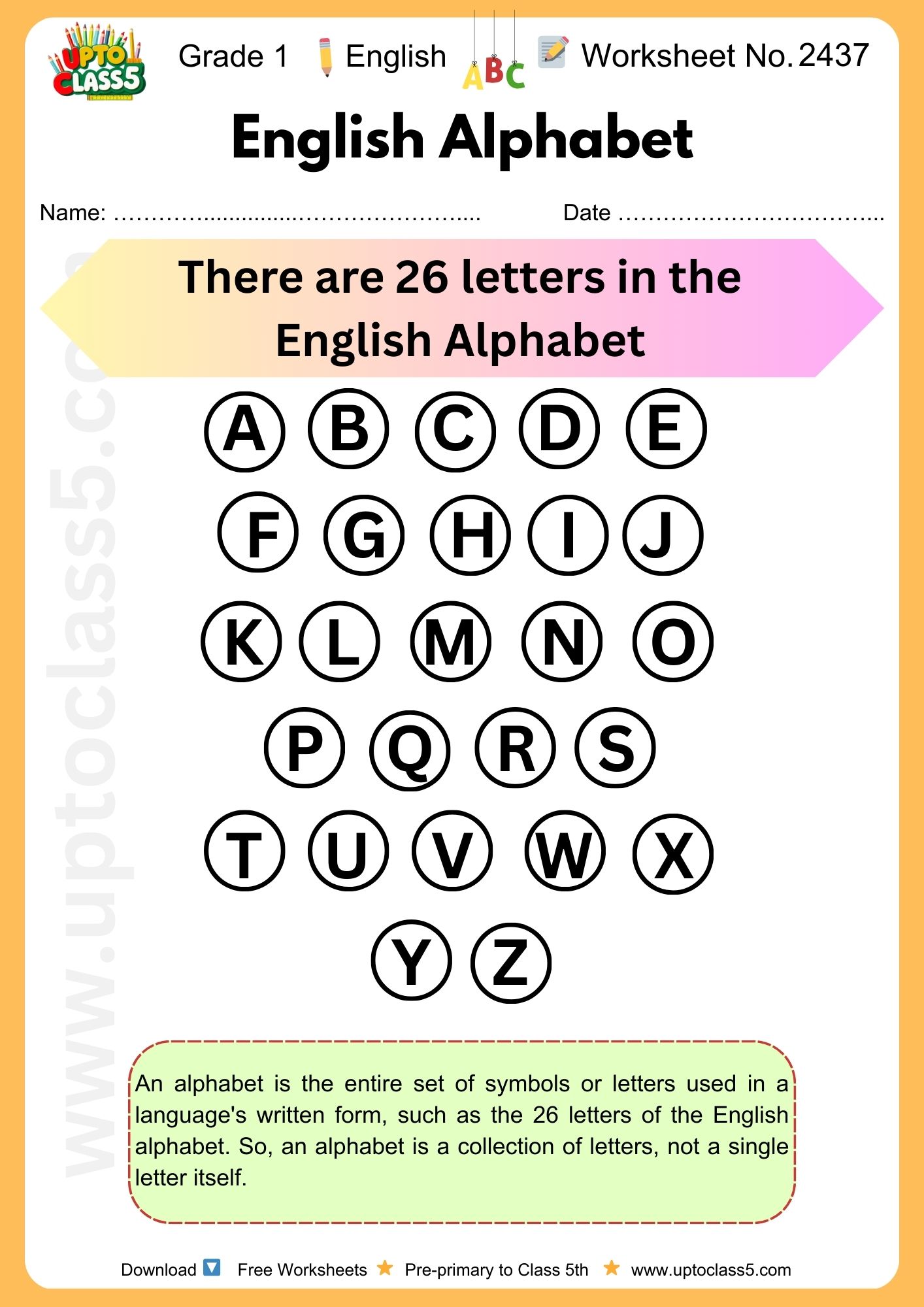
Selecting the Right Worksheets
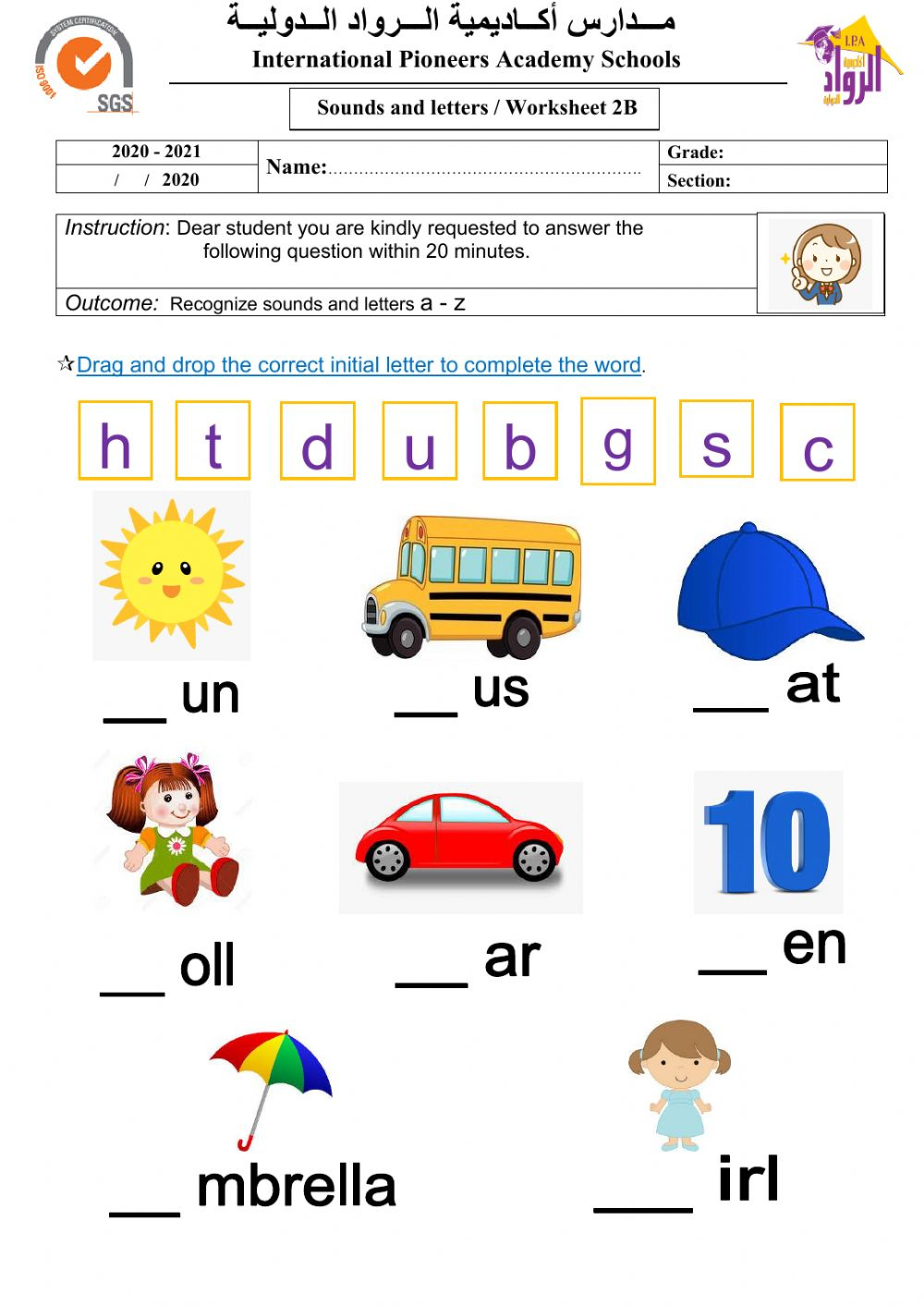
When choosing English alphabet worksheets, consider the needs of your students. Look for resources that include a variety of activities, such as:
- Letter tracing
- Matching uppercase and lowercase letters
- Color by letter
- Simple word formation exercises
Each worksheet should target a specific skill, ensuring that your students can practice and reinforce their learning. For first graders, it’s essential to have worksheets that are visually appealing and age-appropriate, incorporating bright colors and engaging images.
Downloading and Printing Your Worksheets
Once you’ve selected the worksheets that fit your teaching objectives, the next step is downloading and printing. Here’s a simple workflow to follow:
- Download: Click the download link for your chosen worksheets. Most resources will be in PDF format, which is ideal for maintaining layout consistency.
- Print Settings: Use standard letter size (8.5 x 11 inches) for easy printing. Ensure your printer settings are adjusted to “Actual Size” to avoid distortion. If your school or home printer has a high-quality setting, use that for clearer text and images.
- Bulk Printing: If you’re teaching a class, consider printing multiple copies at once. Check if your printer can handle bulk jobs without overheating. It may be helpful to print on cardstock for durability, especially if the worksheets will be reused.
Setting Up for Classroom or Home Use
Creating an organized setup will facilitate smooth use of the worksheets. Here are some practical tips:
- Organize by Skill: Keep worksheets organized by skill level or topic. Use folders or binders labeled with categories like “Tracing,” “Matching,” or “Coloring” for easy access.
- Answer Keys: If your worksheets come with an answer key, make sure to print that as well. This will help you quickly review student work and provide immediate feedback.
- Laminating: For worksheets that will be used repeatedly, consider laminating them. This way, students can use dry-erase markers to complete the activities and wipe them clean for reuse.
Engaging Students With Interactive Activities
To enhance the learning experience, incorporate interactive elements while using the worksheets. Here are some ideas:
- Group Activities: Have students work in pairs or small groups to complete certain worksheets. This encourages collaborative learning and helps them discuss their thought processes.
- Incorporate Technology: If you have access to tablets or computers, consider using digital versions of the alphabet worksheets. Many platforms offer interactive games that can complement the printed resources.
- Incentives: Use rewards like stickers or certificates to motivate students. Recognizing their achievements can encourage them to engage more deeply with the worksheets.
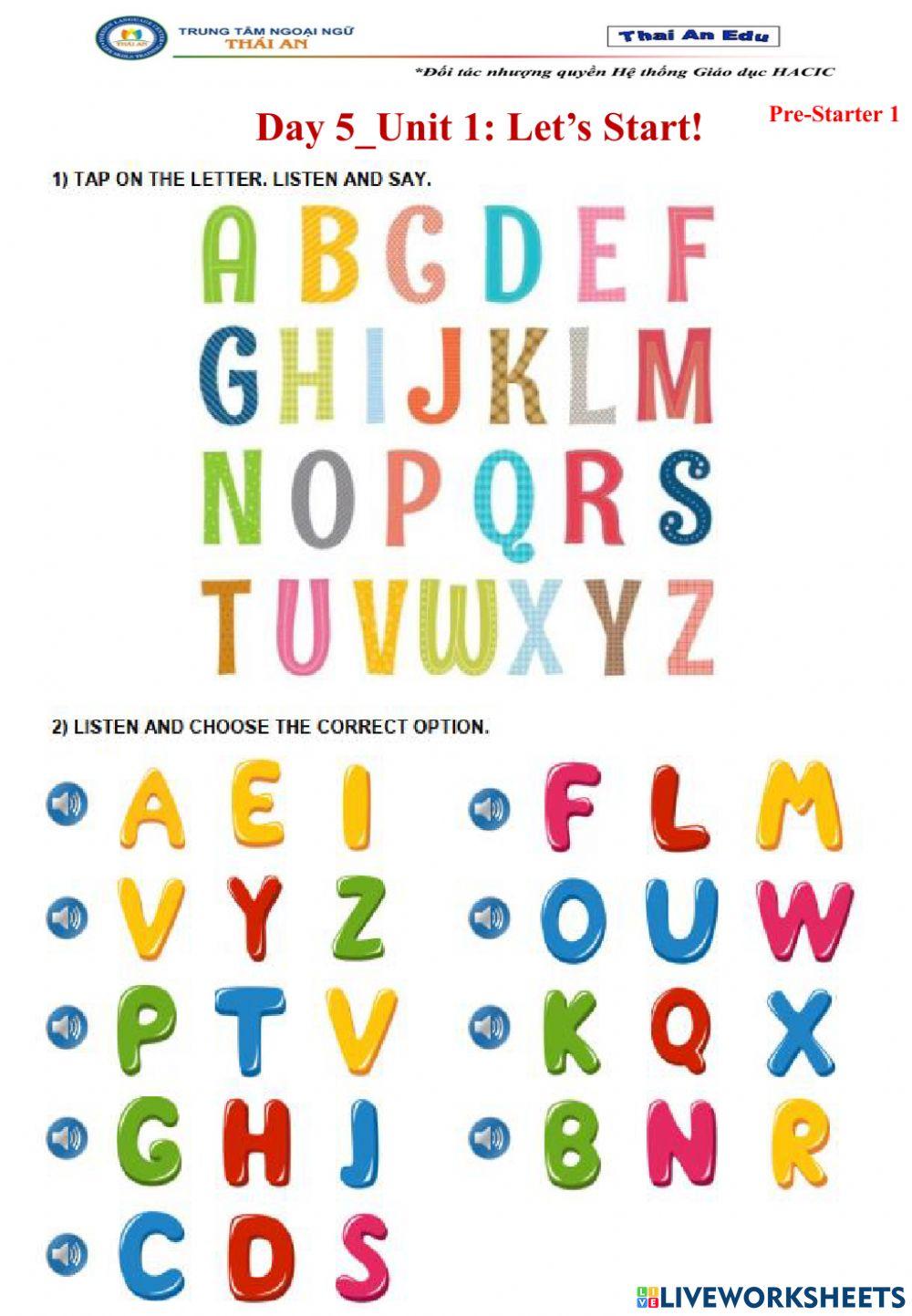
Assessing Student Progress
Assessment is key to understanding how well your students are grasping the material. Here are a few methods to evaluate their progress:
- Check Completed Worksheets: Review the worksheets for accuracy. Look for common mistakes to identify areas where students may need more practice.
- Verbal Assessments: Conduct simple one-on-one assessments where students can verbally identify letters or words. This can reinforce their learning in a different format.
- Feedback Sessions: After completing the worksheets, hold a feedback session where students can discuss what they enjoyed or found challenging. This will help you tailor future worksheets to better meet their needs.
Using English Alphabet Worksheets For Grade 1 effectively requires careful selection, proper setup, and ongoing assessment. By following these steps, you can create a productive learning environment that fosters literacy skills in a fun and engaging way.
One detail often overlooked is the importance of varying the types of worksheets you use. Incorporating different formats—like coloring pages or letter puzzles—can keep your students excited about learning the alphabet.