
The journey of learning the English alphabet is a foundational step for beginners, and finding engaging resources can greatly enhance this process. English Alphabet Worksheets For Beginners serve as a practical tool for both teachers and parents to introduce young learners to letters, sounds, and early writing skills. These worksheets not only provide a structured approach to learning but also make the experience enjoyable and interactive.
Understanding the Importance of Alphabet Worksheets
Alphabet worksheets are designed to help children grasp the basics of the English language. They typically include activities that encourage recognition of letters, phonetic sounds, and writing practice. For beginners, this is crucial as it sets the stage for future reading and writing skills.
These worksheets can cater to various learning styles. Visual learners benefit from tracing letters and seeing them in context, while kinesthetic learners enjoy activities where they can physically interact with the material, such as cutting out letters or matching them with objects.
Types of English Alphabet Worksheets Available
When searching for English Alphabet Worksheets For Beginners, you’ll find a variety of formats and activities. Here are some common types:
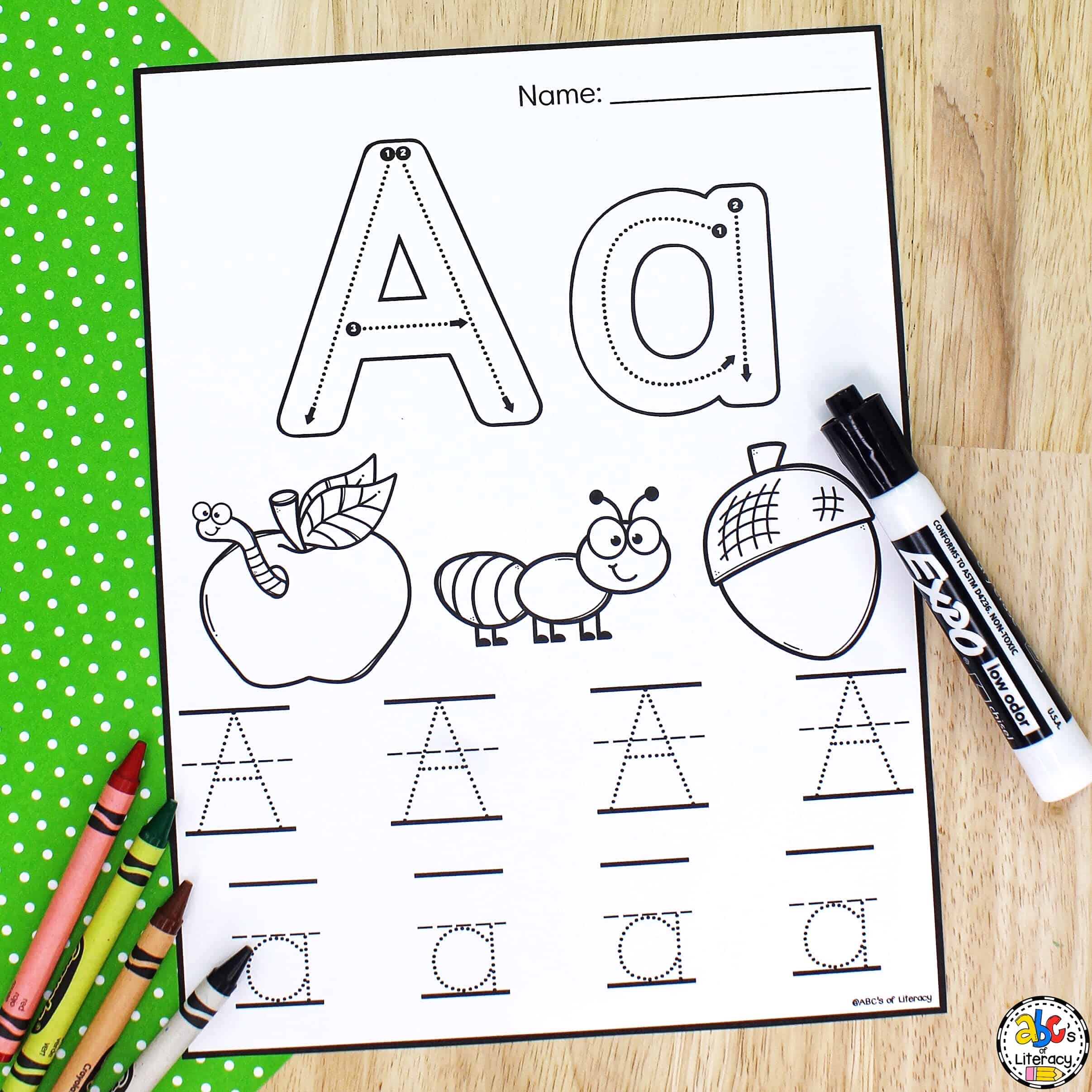
- Tracing Worksheets: These allow children to practice writing each letter by tracing over dotted lines. They are great for developing fine motor skills and letter formation.
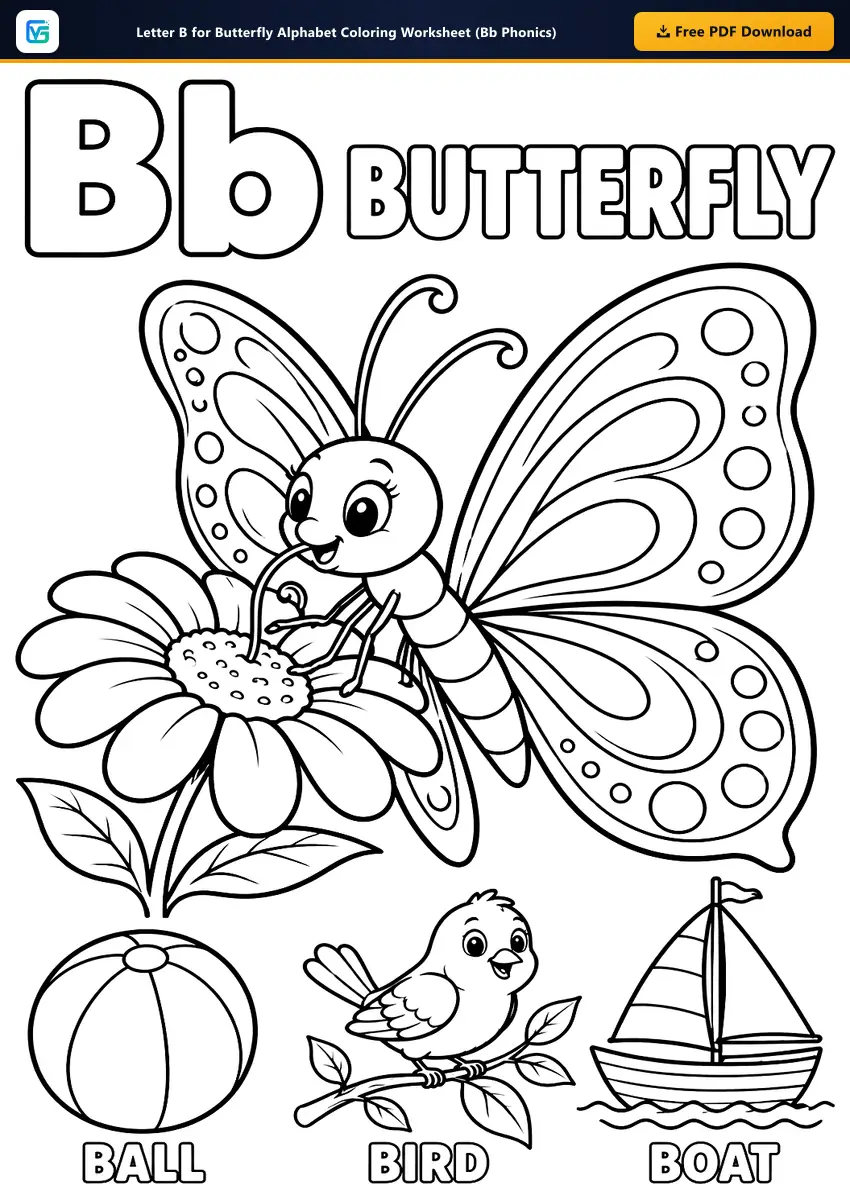
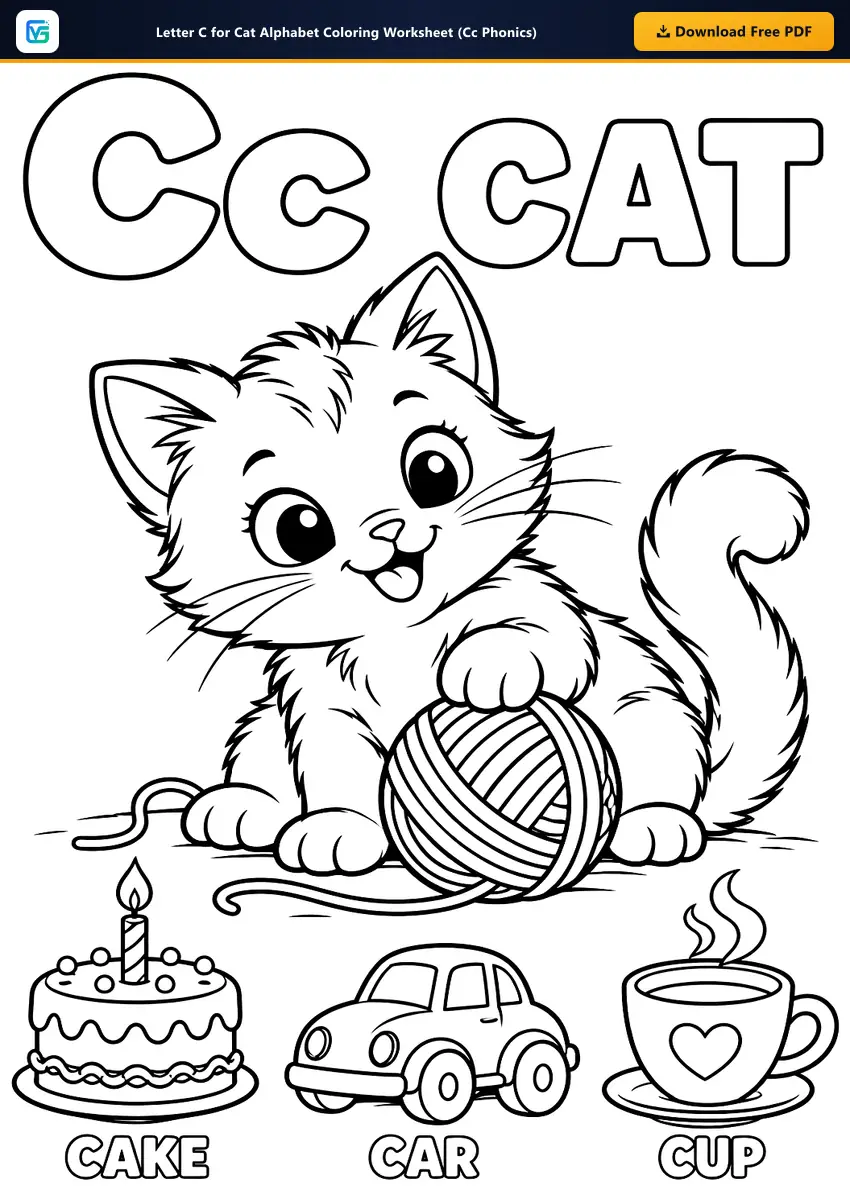
- Coloring Pages: Worksheets that include letters alongside images of items that start with those letters. This helps children associate the letter with its sound.
- Matching Activities: These worksheets often involve matching uppercase letters to their lowercase counterparts or matching letters to pictures of objects that start with those letters.
- Fill-in-the-Blank Exercises: These help reinforce letter recognition and phonetic sounds by having children fill in missing letters in words.
- Cut and Paste Activities: These worksheets engage children by having them cut out letters or pictures and paste them in the correct order or match them correctly.
How to Use English Alphabet Worksheets in the Classroom
Incorporating English Alphabet Worksheets For Beginners into your teaching strategy can be straightforward and flexible. Here are some effective methods:
- Daily Practice: Allocate a specific time each day for alphabet practice. Consistency helps reinforce learning and builds confidence.
- Interactive Learning Stations: Set up different stations in your classroom where students can complete various worksheet activities. This promotes movement and keeps learning dynamic.
- Group Work: Have students work in pairs or small groups to complete worksheets. This encourages collaboration and allows them to help each other with challenging letters or sounds.
- Integrate Technology: If available, use tablets or computers to provide digital versions of the worksheets. Many children enjoy interactive activities and games that reinforce the same concepts.
- Parent Involvement: Send worksheets home for parents to use with their children. This not only reinforces learning but also engages parents in their child’s education.
Selecting the Right Worksheets for Beginners
When choosing English Alphabet Worksheets For Beginners, consider the following factors to ensure they meet your educational needs:
- Age Appropriateness: Ensure the worksheets are suitable for the age group you’re teaching. Worksheets designed for preschoolers might differ significantly from those intended for kindergarteners.
- Variety of Activities: Look for worksheets that offer different types of activities. This keeps learning fresh and addresses various learning styles.
- Visual Appeal: Worksheets should be colorful and engaging. Young learners are more likely to stay focused and enthusiastic about learning if the materials are visually stimulating.
- Clarity and Simplicity: The instructions on the worksheets should be clear and straightforward. Complicated directions can confuse beginners and hinder the learning process.
Tips for Printing and Using Worksheets
Once you’ve selected the perfect English Alphabet Worksheets For Beginners, here are some tips for printing and using them effectively:
- Printer Settings: Use a standard letter size (8.5 x 11 inches) for easy printing. Most home printers handle this size well, but be sure to check your printer settings to avoid reformatting issues.
- Paper Quality: For worksheets that will be handled frequently, consider using cardstock. It’s more durable and can withstand wear and tear, especially if you plan on laminating them for repeated use.
- Lamination: Laminating worksheets can allow for dry-erase markers to be used, making them reusable. This is especially handy for tracing activities.
- Organizing Worksheets: Keep printed worksheets organized in a binder or folder. This makes it easy to find the right activity when you need it and keeps everything in one place.
Engaging Activities Beyond Worksheets
While worksheets are a fantastic resource, consider supplementing them with additional activities to deepen understanding and keep students engaged:
- Alphabet Games: Incorporate games like “Alphabet Bingo” or “Letter Scavenger Hunts” to reinforce learning in a fun way.
- Storytime Connections: Read books that emphasize letters and sounds, and then have students complete a related worksheet. This connects reading with writing.
- Art Projects: Encourage students to create their own alphabet books using the letters they learn. This can include drawings, collages, or even digital presentations.
By thoughtfully integrating English Alphabet Worksheets For Beginners into your lessons, you create a rich learning environment that fosters literacy skills from an early age. These worksheets are more than just paper; they are tools that can spark a lifelong love for reading and writing.
When considering how to continue supporting your students, remember that learning the alphabet is just the beginning. As they progress, building on these foundational skills will lead to greater literacy development in the years to come.