
Learning the English alphabet can be challenging for young children, particularly when it comes to mastering small letters. The English Alphabet Small Letters Worksheet is an excellent resource to help children practice their letter recognition and writing skills in a fun and engaging way. This worksheet can be used in a classroom or homeschool setting, making it versatile for different learning environments.
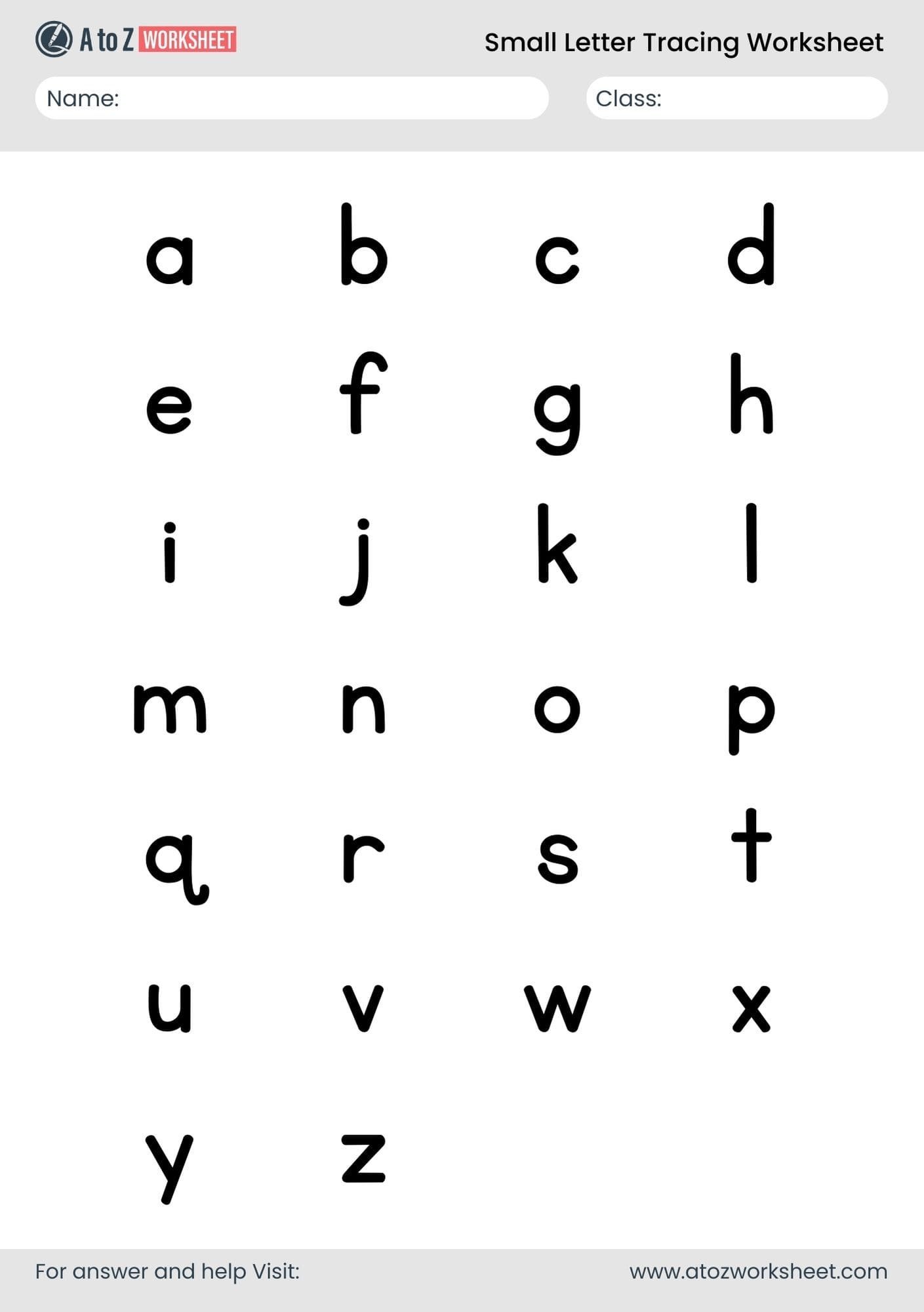
Understanding the Importance of Small Letter Recognition
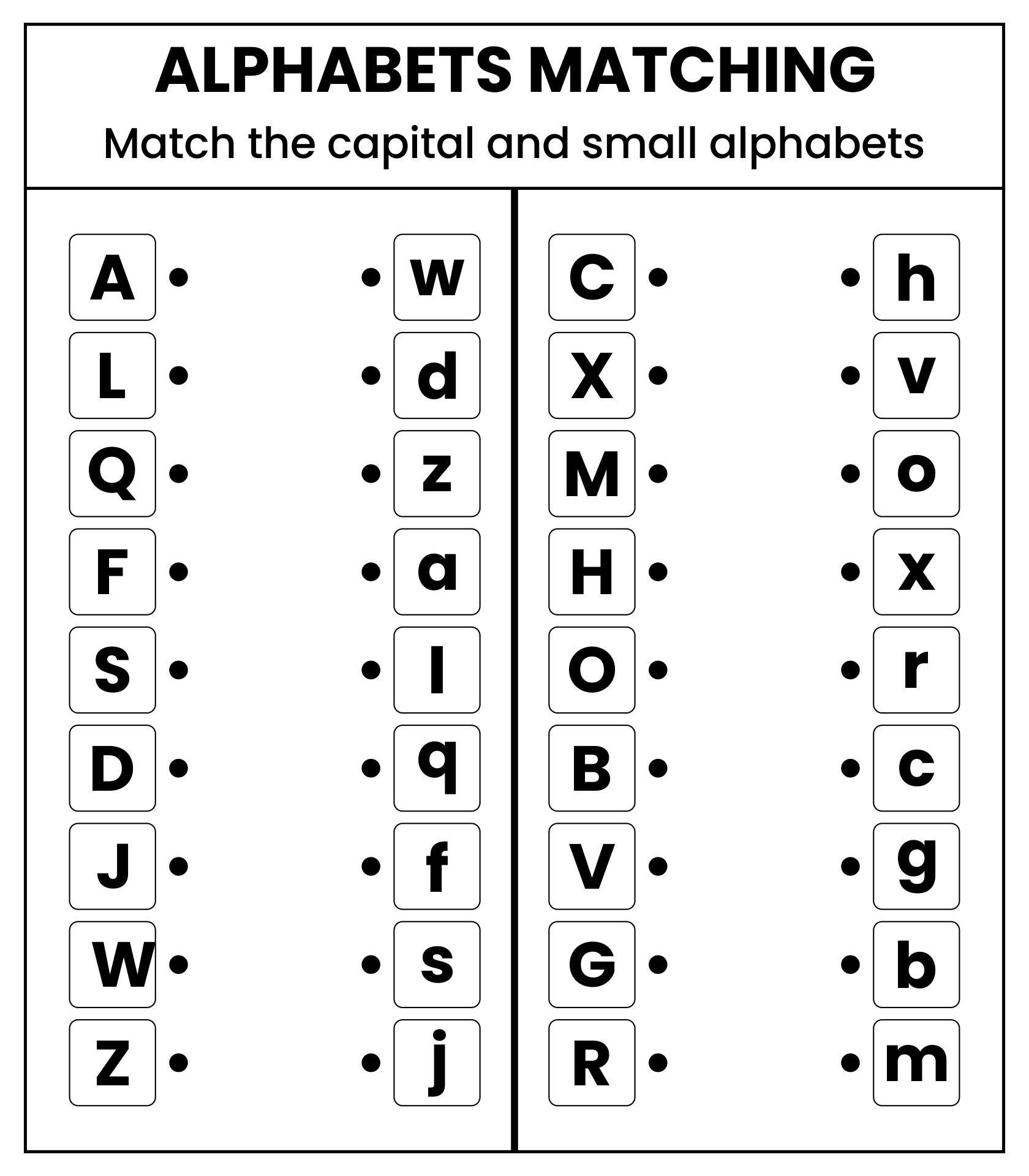
Recognizing small letters is crucial for early literacy development. Children typically begin learning the alphabet around preschool age, making it essential to provide them with resources that support their learning. Small letters are often used in everyday writing, so mastering them helps children build a strong foundation for reading and writing.
Incorporating the English Alphabet Small Letters Worksheet into your teaching plan can make a significant difference. This resource allows children to practice each letter individually, reinforcing their recognition and writing skills. The repetition involved in using the worksheet aids in solidifying their understanding of small letters.
How to Choose and Download the Worksheet
Selecting the right version of the English Alphabet Small Letters Worksheet is key to maximizing its effectiveness. Here’s how to choose and download the worksheet:
- Identify Your Needs: Determine the age group and skill level of your students. The worksheet is suitable for preschool and kindergarten children, typically ages 4-6.
- Access the Resource: Visit a reputable printable-resource website that offers the English Alphabet Small Letters Worksheet. Ensure the site provides a simple download option, allowing you to obtain the worksheet quickly.
- Select the Format: Opt for the PDF version of the worksheet. PDFs are less likely to suffer from formatting issues when printed, ensuring the layout remains intact.
- Download the File: Click the download link and save the file to your computer. Ensure you note the location of the saved file for easy access later.
Printing the Worksheet
Once you have downloaded the English Alphabet Small Letters Worksheet, it’s time to print it. Here are some practical tips to consider:
- Paper Size: Standard letter size (8.5 x 11 inches) is typically the best option for worksheets, as it’s compatible with most printers.
- Printer Settings: When printing, ensure your printer settings are set to “Actual Size” to avoid any scaling issues. This will help maintain the worksheet’s original layout.
- Paper Type: For durability, consider using cardstock or a heavier paper type, especially if you plan to laminate the worksheets for repeated use.
- Color or Black & White: If possible, print in color to make the worksheet visually appealing for children. However, black and white printing is also effective and can save on ink costs.
Setting Up the Worksheet for Use
To maximize the effectiveness of the English Alphabet Small Letters Worksheet, consider how to set it up for use in your classroom or home:
- Introduce the Worksheet: Begin by explaining the purpose of the worksheet to the children. Make it clear that this is a fun activity designed to help them learn small letters.
- Demonstrate Letter Formation: Show the children how to correctly form each letter. Use a whiteboard or projector to demonstrate the stroke order and proper technique.
- Encourage Repetition: To reinforce learning, encourage children to practice a few letters each day. Spacing out their practice helps solidify their memory of the letters.
- Use in Groups or Pairs: If you’re in a classroom setting, consider having children work in pairs or small groups. This allows them to assist each other and share their learning experiences.
Incorporating the Worksheet Into Daily Learning
The English Alphabet Small Letters Worksheet can become a regular part of your daily learning activities. Here are some ways to incorporate it:
- Morning Routine: Include the worksheet as a part of the morning routine. Spend 10-15 minutes on letter practice every day.
- Weekly Themes: Integrate the worksheet into weekly themes. For instance, if focusing on animals, have children write the small letters that start with animal names.
- Combine with Other Activities: Use the worksheet alongside other alphabet activities, such as singing the alphabet song, reading alphabet books, or engaging in letter-focused games.
- Assess Progress: Regularly review the completed worksheets to assess each child’s progress. This will help you identify areas where they may need additional support.
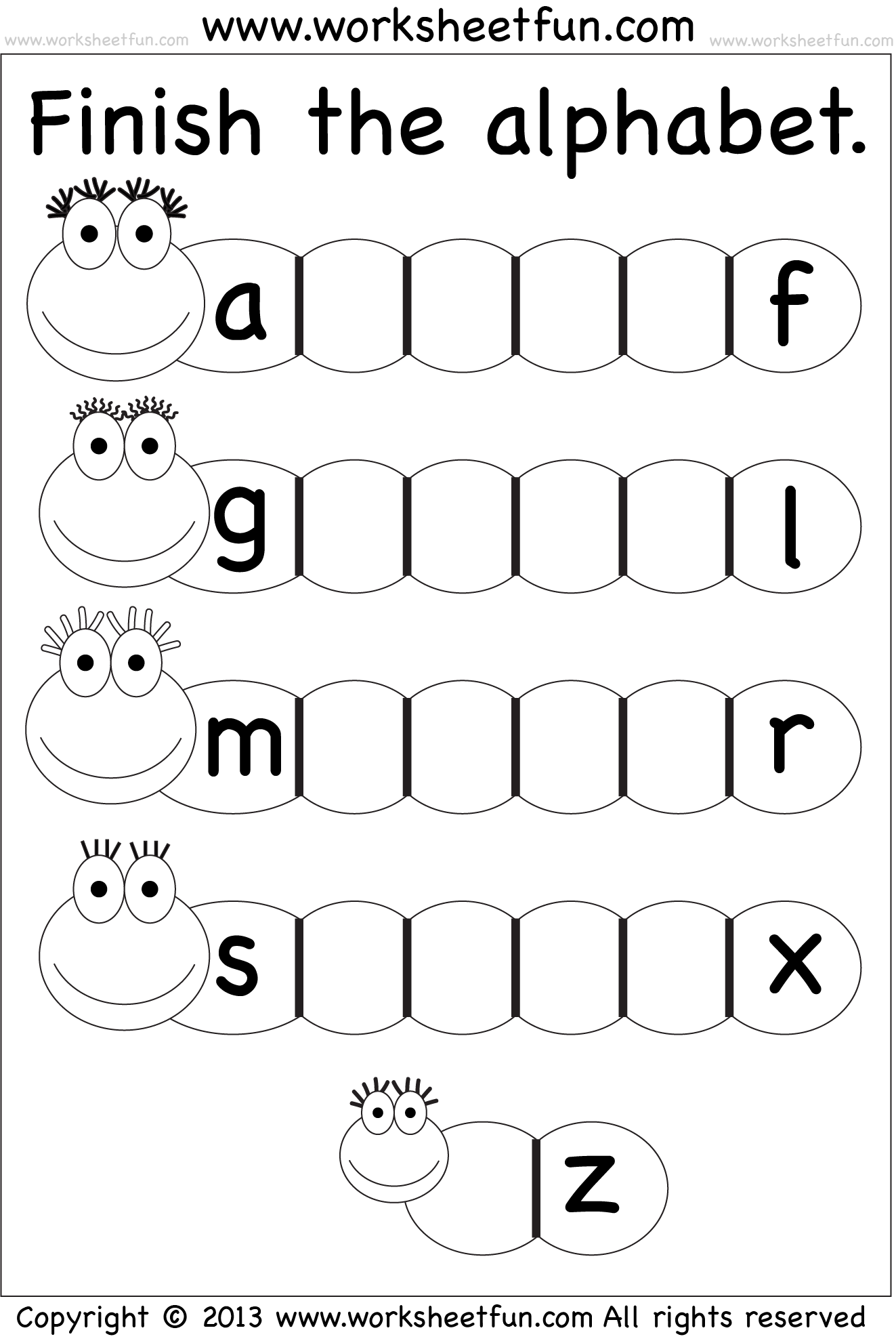
Final Tips for Effective Use
To make the most out of the English Alphabet Small Letters Worksheet, consider these final tips:
- Create a Learning Environment: Ensure that children have a quiet and comfortable space to work on their worksheets. Minimize distractions to help them focus.
- Mix Up the Activities: To keep children engaged, alternate between different types of alphabet activities. Use coloring pages, flashcards, and interactive games to complement the worksheet practice.
- Encourage Creativity: Allow children to personalize their worksheets by coloring or decorating them. This can make the practice feel more like a fun art project rather than a chore.
- Provide Positive Feedback: Always encourage children and provide positive reinforcement when they complete their worksheets. Celebrate their efforts to foster a love for learning.
Using the English Alphabet Small Letters Worksheet effectively can significantly enhance a child’s literacy skills. By following these practical steps and tips, you can create an engaging learning experience that supports early literacy development. Start today by downloading the worksheet and integrating it into your teaching plan!