
Teaching children the alphabet can be a rewarding experience, especially when using engaging resources like Ell Worksheets To Learn The Alphabet. These worksheets cater to young learners, helping them recognize, write, and understand the letters that form the foundation of reading and writing. With a variety of activities and formats, these worksheets are perfect for both classroom and home settings, making them versatile tools in your educational toolkit.
Understanding the Importance of Alphabet Recognition
Alphabet recognition is crucial for early literacy development. Children need to become familiar with both uppercase and lowercase letters, as well as the sounds they represent. This foundational skill supports their ability to read and write as they progress in their education. Using Ell worksheets can streamline this process, providing a structured yet fun way for children to engage with the alphabet.
Types of Ell Worksheets Available
Ell Worksheets To Learn The Alphabet come in various formats to suit different learning styles. Here are a few types you might encounter:
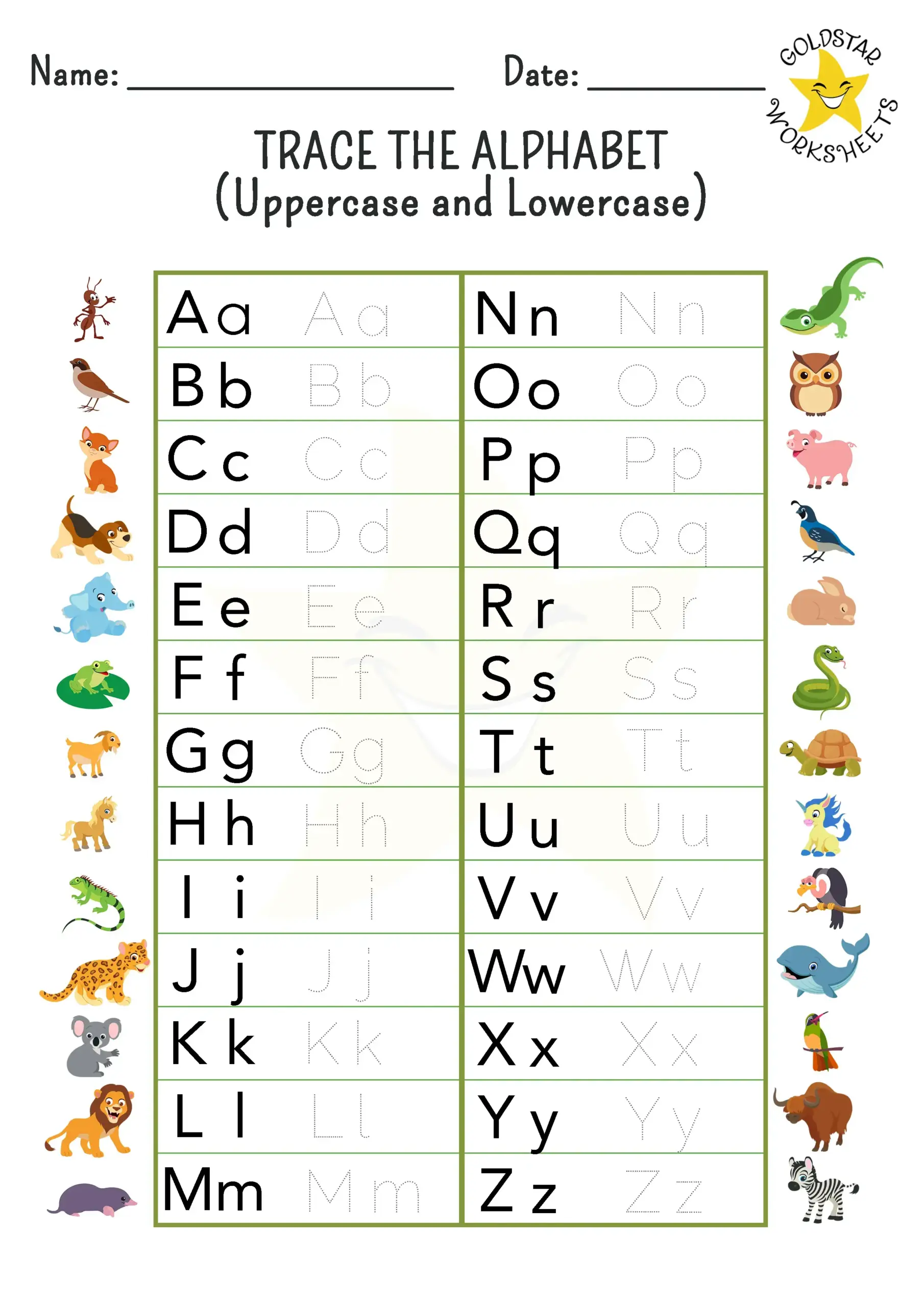
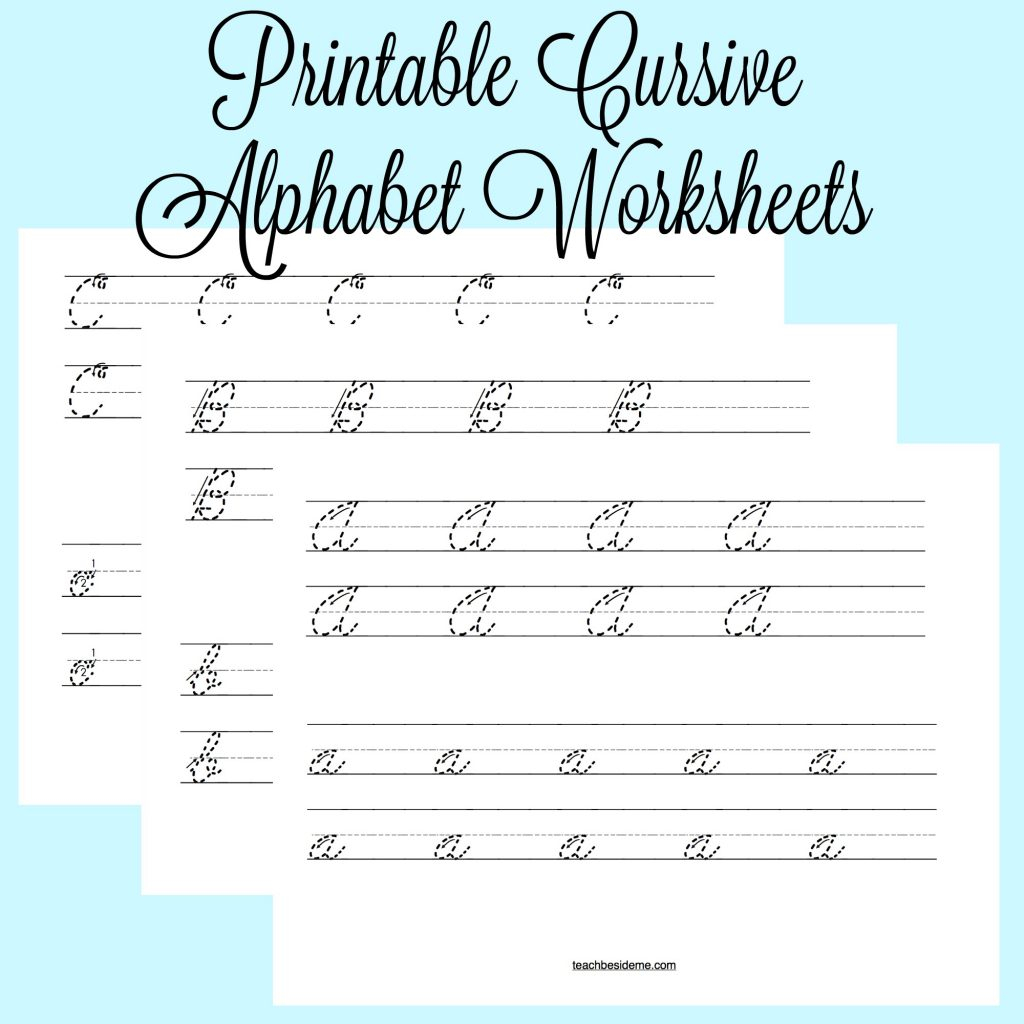
- Tracing Worksheets: These worksheets allow children to practice writing letters by tracing over dotted lines. This not only helps with letter formation but also develops fine motor skills.
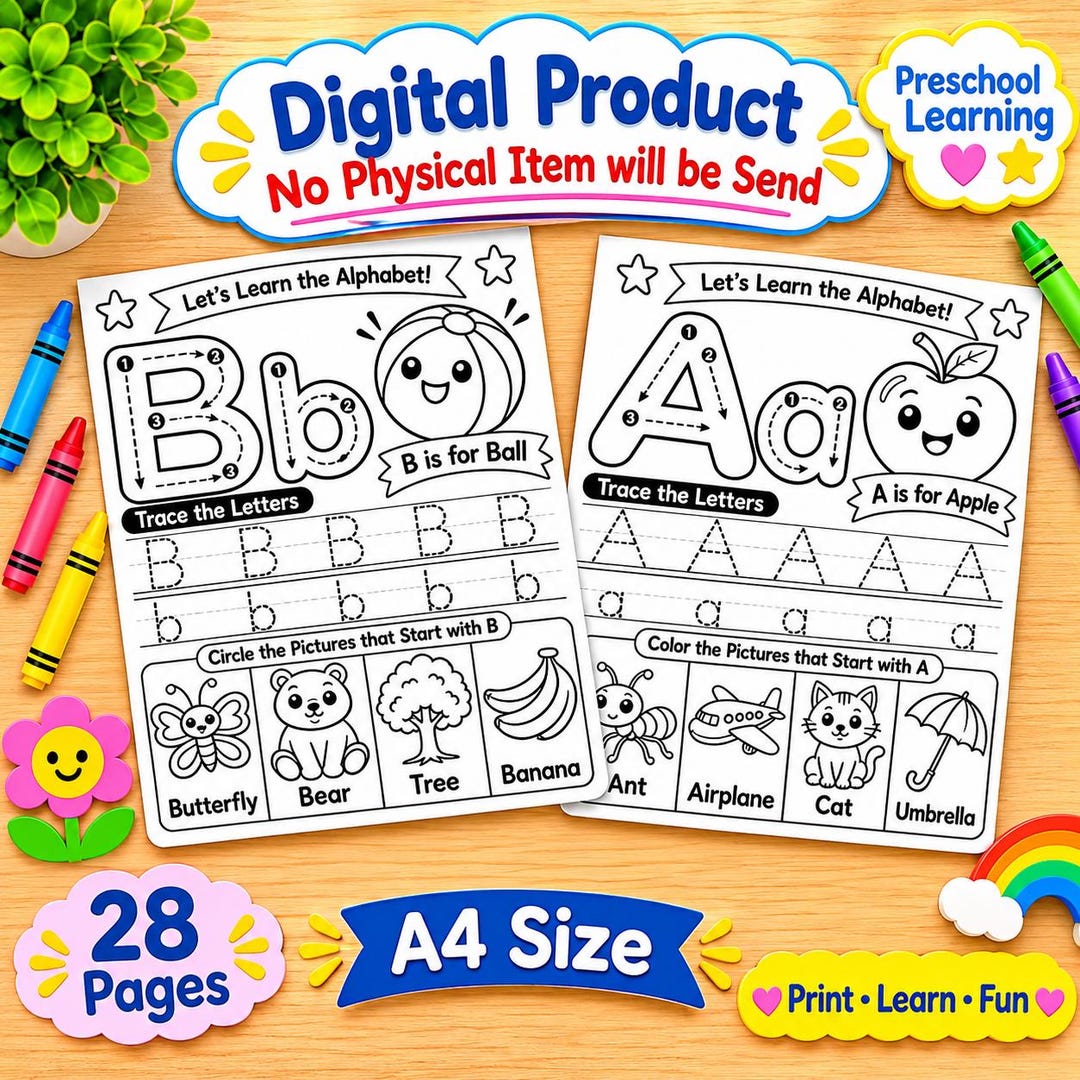
- Coloring Pages: Incorporating coloring into learning makes the process enjoyable. These pages often feature letters along with illustrations of items that start with those letters, reinforcing letter-sound connections.
- Matching Activities: These worksheets challenge children to match letters with corresponding pictures or words, enhancing their recognition skills and vocabulary.
- Fill-in-the-Blank Exercises: These activities encourage children to identify missing letters in words, which helps with spelling and comprehension.
How to Effectively Use Ell Worksheets in the Classroom
When implementing Ell Worksheets in a classroom, organization and planning are key. Here are some practical steps to consider:
- Select the Right Worksheets: Choose worksheets that match your students’ skill levels. For younger children or beginners, start with tracing and coloring sheets. As they progress, introduce matching and fill-in-the-blank activities.
- Print in Bulk: If you’re teaching a larger class, consider printing worksheets in bulk. Use standard letter-sized paper (8.5″ x 11″) for easy handling and distribution. If your budget allows, use cardstock for durability, especially for worksheets that will be reused.
- Create a Routine: Incorporate a daily or weekly routine that includes alphabet practice. This could be a short session at the beginning or end of the day, dedicating 10-15 minutes to complete a worksheet or two.
- Provide Guidance and Support: As students work on their worksheets, circulate around the classroom to offer assistance. Encourage them to ask questions if they’re unsure about a letter or activity.
- Review and Reflect: After completing the worksheets, gather the class for a brief review session. Discuss what they learned and encourage students to share their favorite letters or activities.
Tips for Homeschooling With Ell Worksheets
Using Ell Worksheets To Learn The Alphabet at home can also be beneficial for parents and caregivers. Here are some tips to maximize their effectiveness:
- Set Up a Dedicated Learning Space: Create a quiet, organized area for learning. This space should be stocked with necessary supplies like pencils, crayons, and the worksheets.
- Integrate Learning into Daily Life: Reinforce alphabet learning by pointing out letters in everyday situations, such as on street signs, food labels, or books. This helps children see the relevance of what they’re learning.
- Be Flexible with Activities: Depending on your child’s mood and interest, mix up the types of worksheets you use. If they enjoy coloring one day, focus on those worksheets, while on another day, opt for tracing or matching activities.
- Encourage Independent Work: As children become more comfortable with the alphabet, encourage them to work independently on worksheets. This builds confidence and reinforces their learning.
Assessing Progress With Ell Worksheets
To ensure that students are mastering the alphabet, regular assessment is important. Here’s how you can do this effectively:
- Collect Completed Worksheets: Review the worksheets your students complete. Look for patterns in mistakes to identify which letters or sounds may need more attention.
- Conduct Informal Assessments: Use quick quizzes or oral assessments where students can identify letters or sounds verbally. This can be a fun way to check their understanding without the pressure of formal testing.
- Keep Records: Maintain a simple record of students’ progress by noting which letters they can identify and write confidently. This will help you tailor future lessons to meet their needs.
- Celebrate Achievements: Recognize milestones, whether it’s mastering a certain number of letters or completing a set of worksheets. Celebrating achievements motivates students and makes learning enjoyable.
Using Ell Worksheets To Learn The Alphabet can transform how children engage with letters, making the learning process both effective and enjoyable. By incorporating a variety of worksheets, setting routines, and regularly assessing progress, you can create a rich learning environment that fosters literacy skills.
For immediate use, download and print the worksheets in a format that suits your needs. And remember, the key to successful alphabet learning is consistency and encouragement.