
In a cozy corner of a bright classroom, Maria, a dedicated teacher, prepares for her lesson on the Greek alphabet. She knows that introducing her students to new languages can be both exciting and challenging. To make the learning process enjoyable, she decides to use a Dotted Alphabet Letters Worksheet In Greek. This resource will not only help her students practice their writing skills but also familiarize them with the unique characters of the Greek script.
Understanding the Purpose of Dotted Alphabet Letters Worksheets
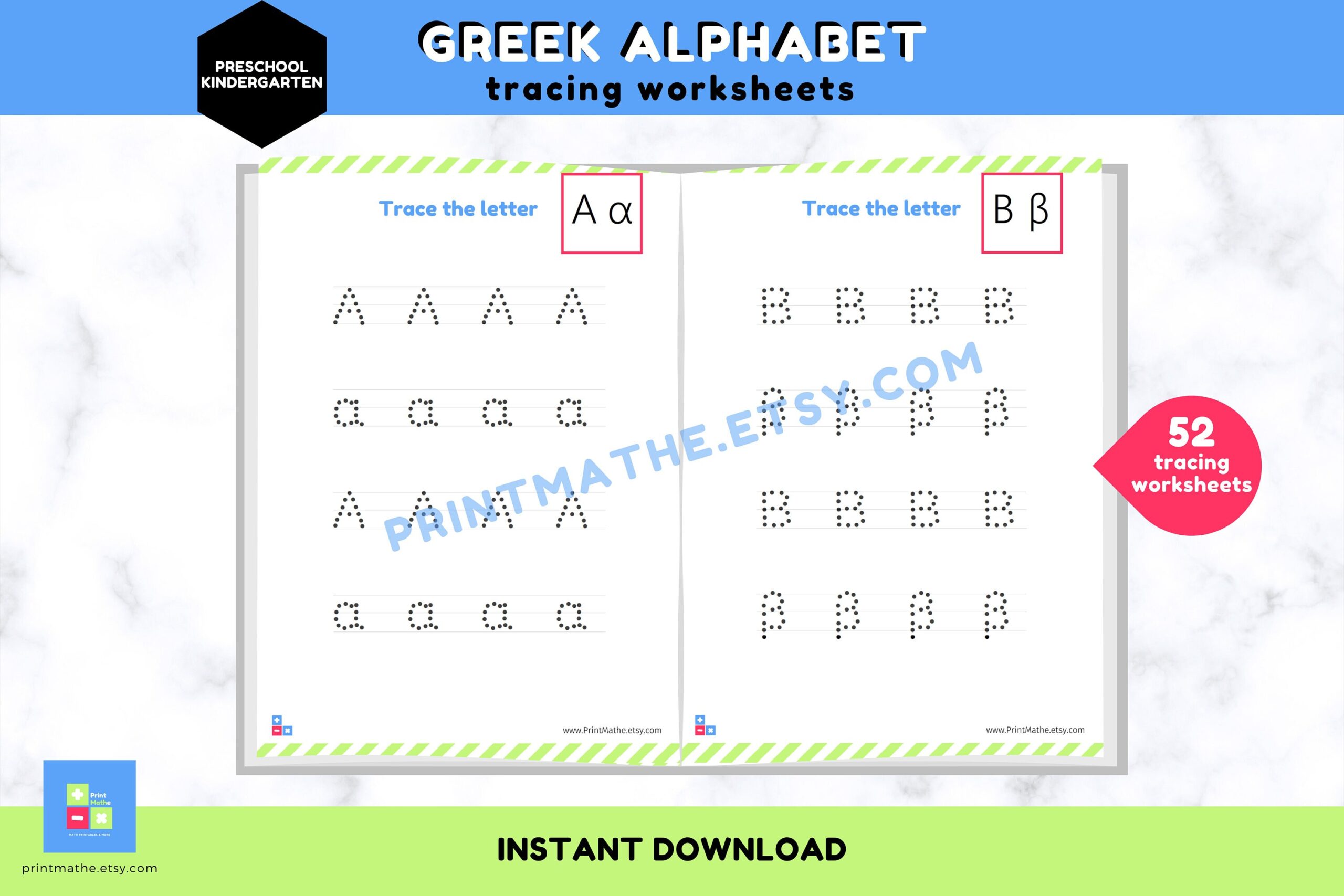
Dotted alphabet letters worksheets serve as a valuable tool for young learners, especially those aged 4 to 8 years. These worksheets typically feature letters outlined with dots, allowing children to trace over them. This tracing method is crucial for developing fine motor skills and letter recognition. When teaching the Greek alphabet, using a worksheet specifically tailored to its letters can make the learning experience much more engaging.
By incorporating a Dotted Alphabet Letters Worksheet In Greek into your lesson plan, you’ll help students become comfortable with the shapes and sounds of each letter. This familiarity lays the groundwork for their future reading and writing skills in the Greek language, enhancing their overall language acquisition.
Creating an Effective Learning Environment
When using a Dotted Alphabet Letters Worksheet In Greek, setting up a conducive learning environment is essential. Here are some practical tips to create an effective space for your students:
- Quiet Area: Designate a specific area in your classroom or home where students can focus on their worksheets without distractions. This could be a reading corner or a quiet table.
- Supplies: Ensure you have the necessary supplies on hand. This includes pencils or markers for tracing, erasers, and if possible, colored pencils for adding a fun element to the activity.
- Display Examples: Consider displaying the Greek alphabet prominently in the classroom. Visual aids can reinforce what students are learning as they work on their worksheets.
- Small Groups: If possible, work with students in small groups. This allows for more personalized instruction and gives students the chance to help and learn from one another.
- Frequent Breaks: Incorporate short breaks during the activity. This keeps students engaged and helps them maintain focus throughout the lesson.
Incorporating Repetition for Mastery
One of the most effective ways to help students learn the Greek alphabet is through repetition. Using the Dotted Alphabet Letters Worksheet In Greek multiple times over a week can reinforce their learning and help them retain what they’ve practiced.
Suggested Weekly Plan
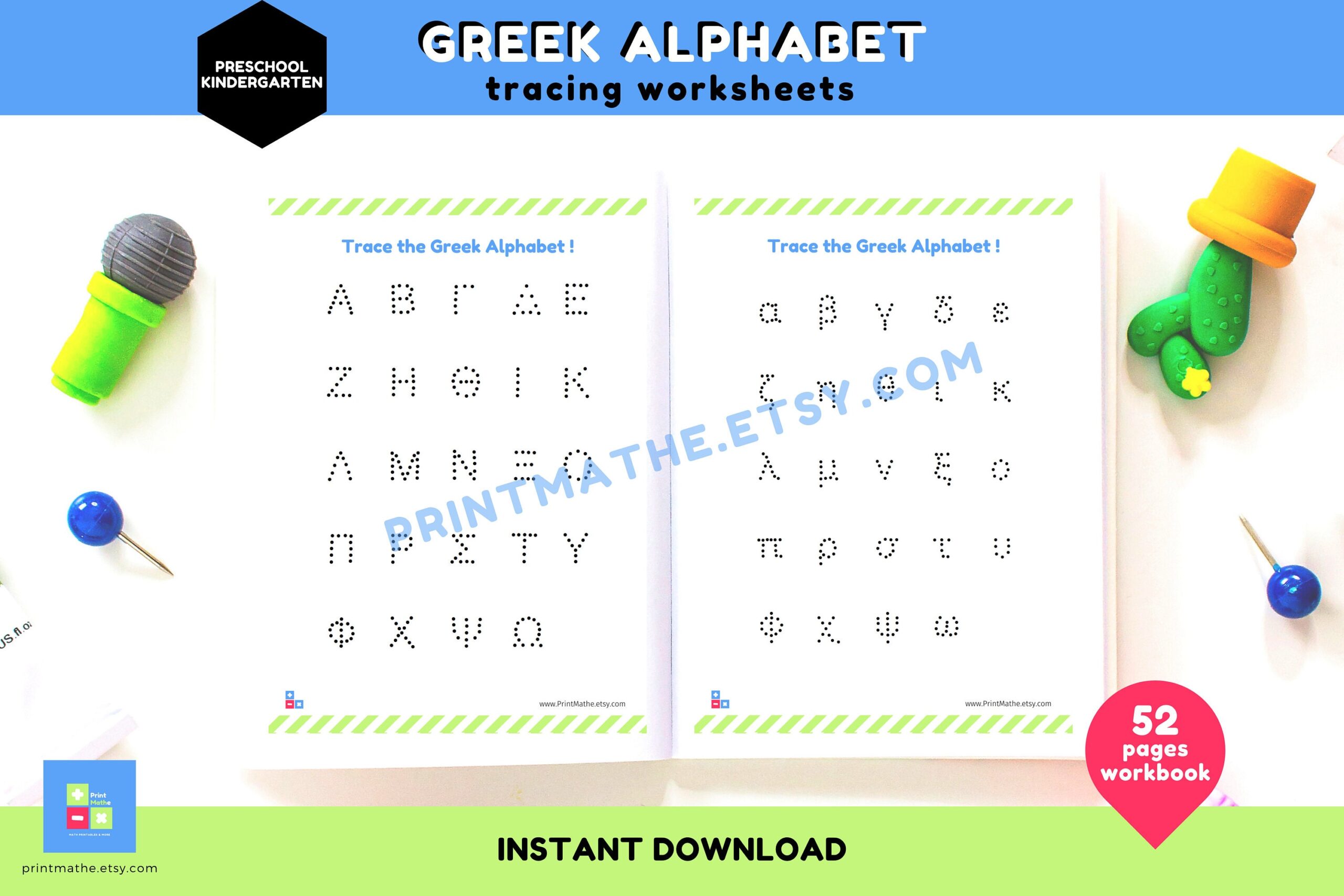
- Day 1: Introduce a few letters, such as Α (Alpha), Β (Beta), and Γ (Gamma). Use the worksheet to trace these letters together. Discuss their sounds and how they are used in words.
- Day 2: Review the letters from Day 1. Introduce new letters, Δ (Delta) and Ε (Epsilon). Allow students to trace these letters on their own.
- Day 3: Conduct a group activity where students pair up and quiz each other on the letters they’ve learned. Encourage them to say the letters out loud while tracing them on their worksheets.
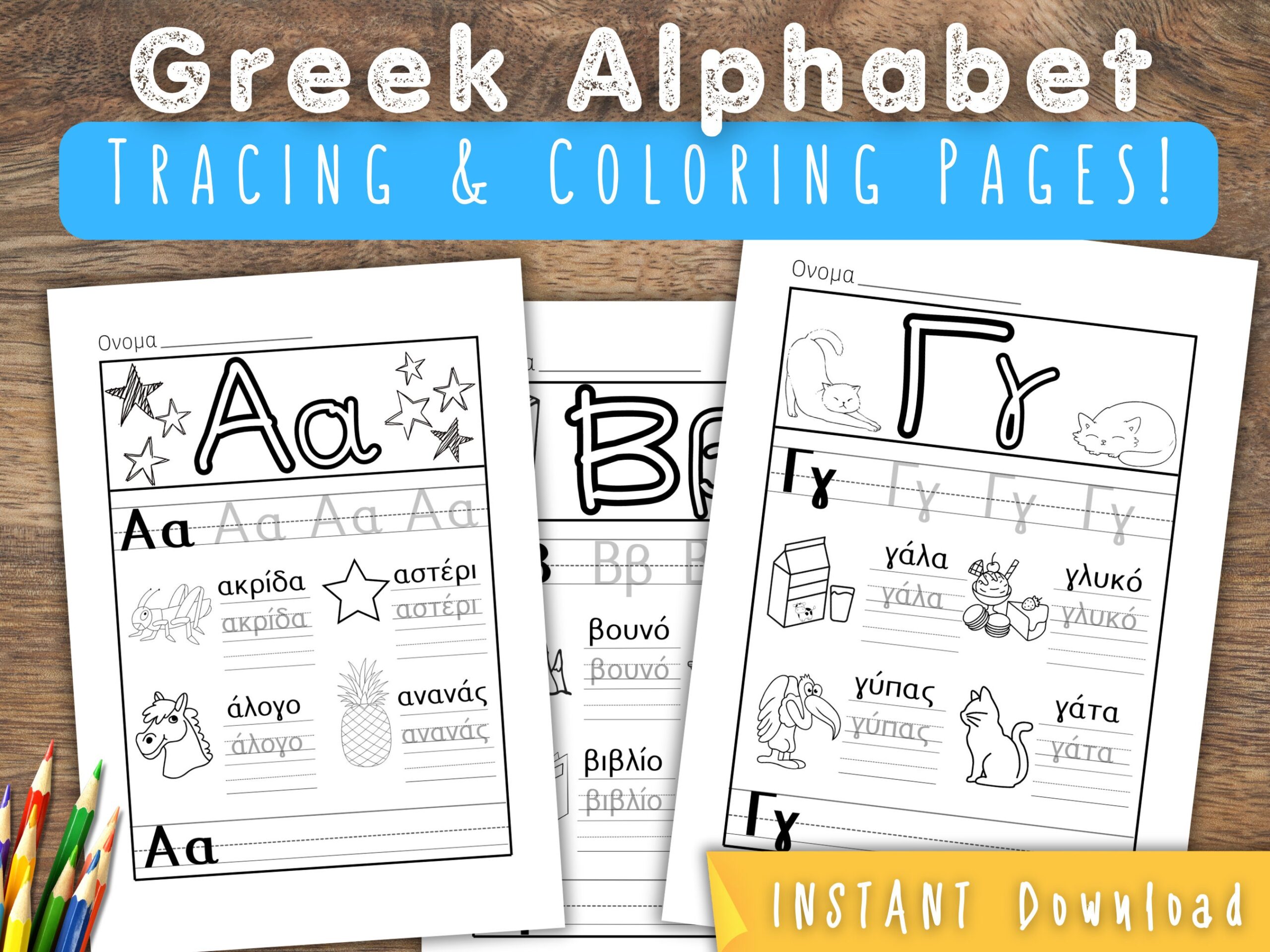
- Day 4: Focus on the previously learned letters through a fun coloring activity. Ask students to color in the letters they’ve traced, promoting creativity alongside learning.
- Day 5: Conclude the week with a mini-assessment. Have students write out the letters without tracing to see how well they can recall and reproduce them.
This structured approach not only reinforces learning but also keeps students engaged throughout the week.
Adapting the Worksheets for Different Skill Levels
Not all students will be at the same skill level, and it’s essential to adapt the Dotted Alphabet Letters Worksheet In Greek to fit individual needs. Here are some ways to differentiate instruction:
- For Beginners: Use worksheets with larger letters and more dots for tracing. This can help students feel more confident as they begin to learn.
- For Intermediate Learners: Introduce worksheets with fewer dots or even have them write the letters freehand after tracing. This encourages independence in their writing.
- For Advanced Learners: Challenge these students with more complex exercises, such as writing simple Greek words using the letters they’ve learned. This will deepen their understanding of letter formation and application.
Engaging Activities to Supplement the Worksheet
While the Dotted Alphabet Letters Worksheet In Greek is a fantastic tool on its own, additional activities can enhance the learning experience. Here are a few ideas to consider:
- Flashcards: Create flashcards using the Greek letters. These can serve as quick review tools or be used in games to reinforce letter recognition.
- Story Time: Read a children’s book that incorporates Greek letters or words. This can help contextualize the letters in a meaningful way.
- Songs and Rhymes: Use songs or rhymes that include Greek letters. Music is a powerful tool for memorization and can make learning fun.
- Interactive Games: Incorporate simple games such as letter scavenger hunts or matching games with Greek letters. This provides a hands-on approach to learning.
By integrating these activities with the worksheet, students are more likely to retain what they’ve learned while enjoying the process.
Paper Options for Printing
When printing the Dotted Alphabet Letters Worksheet In Greek, consider the type of paper you’ll use. Here are two common options:
- Standard Printer Paper: This is suitable for most classroom settings. It’s cost-effective and easy to print on, but it may not hold up as well to repeated use.
- Cardstock: If you plan to use the worksheets multiple times or laminate them for durability, cardstock is a great choice. It’s sturdier and can withstand more wear and tear, making it ideal for frequent practice.
Incorporating a Dotted Alphabet Letters Worksheet In Greek into your teaching strategy can significantly enhance your students’ understanding of the Greek alphabet. By setting up an effective learning environment, employing repetitive practice, and using supplemental activities, you will create a rich educational experience that fosters both confidence and skill in young learners.