
Dot To Dot Alphabet Writing Worksheets are an excellent resource for early childhood education, providing a unique way for children to practice letter formation and recognition. These worksheets typically feature a simple dot-to-dot format, where students connect dots in sequence to form each letter of the alphabet. This engaging activity helps reinforce both fine motor skills and cognitive development while making learning fun.
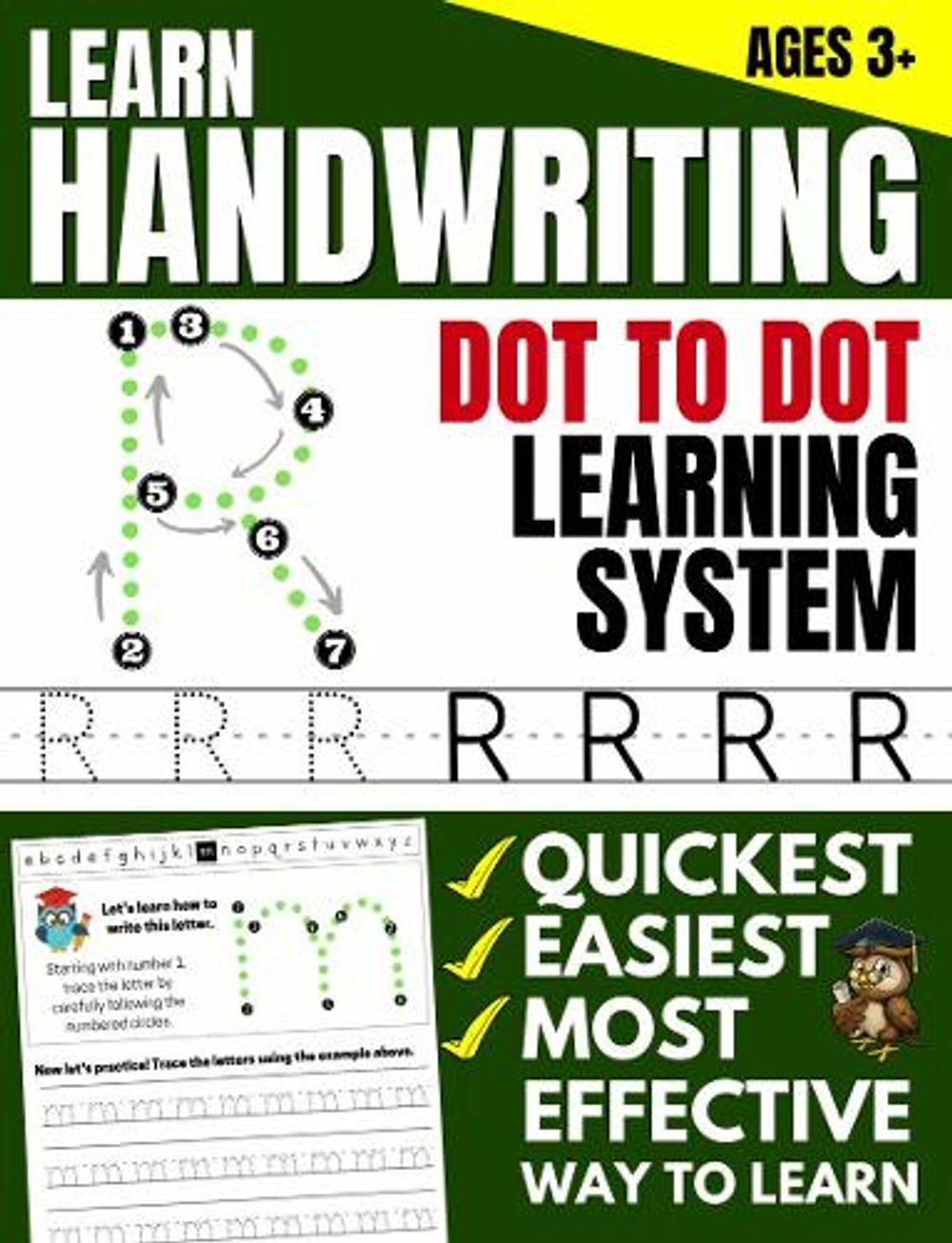
Understanding the Layout of Dot To Dot Alphabet Writing Worksheets
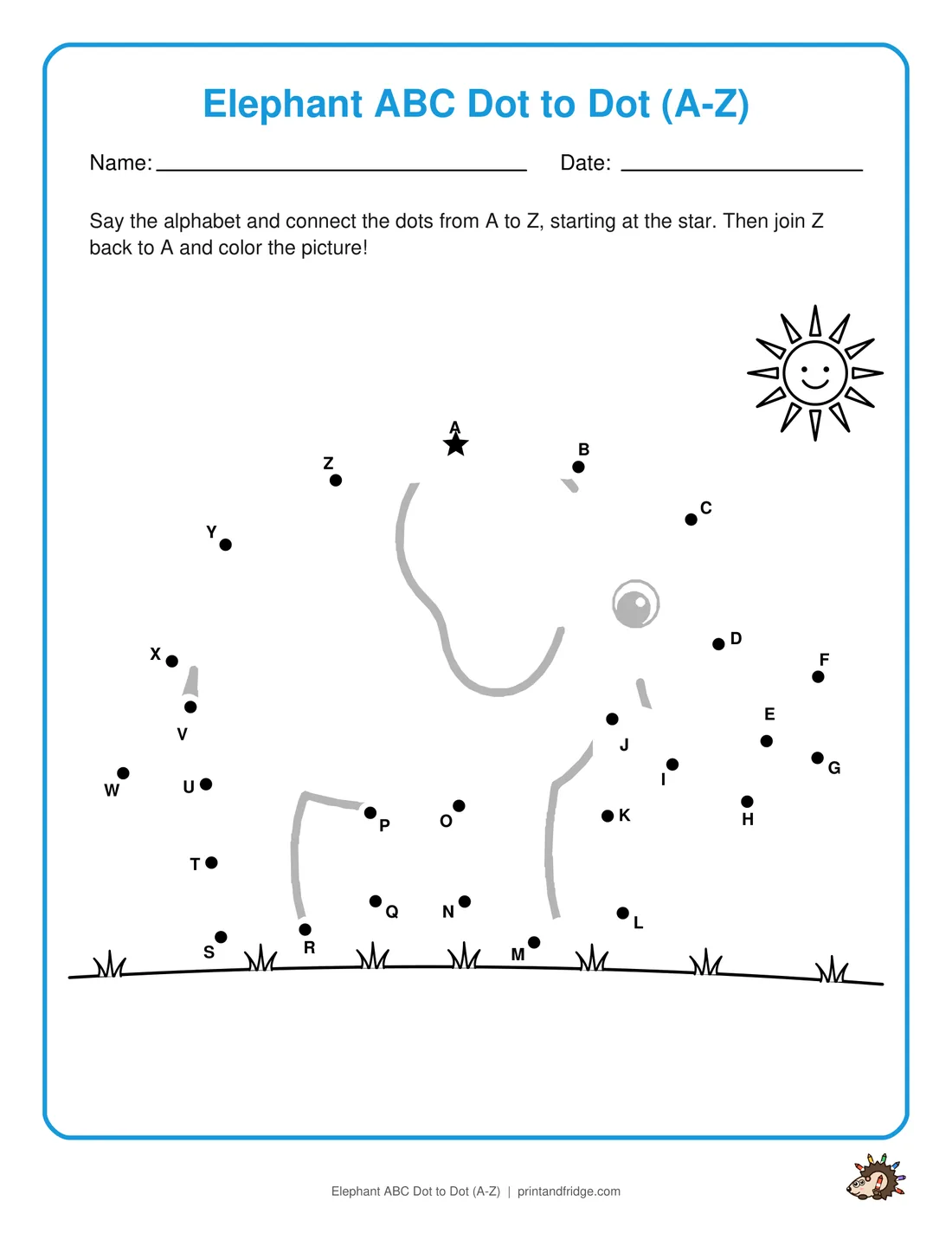
When you look at Dot To Dot Alphabet Writing Worksheets, you’ll notice a clear and structured layout that makes them easy for young learners to understand. Each worksheet usually contains a series of dots that represent the letters of the alphabet. The dots are numbered sequentially, guiding students through the correct order to connect them.
These worksheets often include additional features, such as:
- Visual Aids: Some worksheets may incorporate images or themes related to the letter being formed. For example, an ‘A’ worksheet might feature an apple illustration, helping to connect the letter with an object.
- Traceable Letters: After completing the dot-to-dot activity, many worksheets provide an area for students to trace the letter, reinforcing writing skills.
- Coloring Opportunities: A section might be dedicated to coloring the letter or associated images, making the activity multi-faceted and engaging.
The thoughtful design ensures that children can easily follow along, making it suitable for classroom settings, homeschooling, or at-home learning.
Benefits of Using Dot To Dot Alphabet Writing Worksheets
Incorporating Dot To Dot Alphabet Writing Worksheets into your teaching plan offers several advantages:
- Fine Motor Skill Development: Connecting the dots requires precision, which helps children improve their hand-eye coordination and dexterity.
- Letter Recognition: As children connect the dots, they become more familiar with the shape and structure of each letter, aiding in recognition.
- Engagement Through Play: The playful nature of connecting dots makes learning enjoyable, encouraging children to practice more frequently.
- Reinforcement of Learning: When used regularly, these worksheets can help solidify a child’s understanding of the alphabet, making them more confident in their writing abilities.
It’s important to space out these activities throughout the week rather than cramming them into one session. Repetition is key in learning; it helps reinforce the muscle memory needed for writing.
Effective Strategies for Implementing Dot To Dot Alphabet Writing Worksheets
To get the most out of Dot To Dot Alphabet Writing Worksheets, consider these strategies:
- Daily Practice: Aim to incorporate one worksheet per day. This steady approach allows children to focus on one letter at a time, enhancing retention.
- Themed Weeks: Align worksheets with themes or subjects being taught in class. For instance, during a unit on animals, use worksheets that feature letters starting with animal names.
- Group Activities: Encourage collaboration by having students work in pairs or small groups to complete the worksheets. This fosters communication and peer learning.
- Integrate Technology: If available, use a projector to display the worksheets for whole-class instruction. This can serve as an interactive way to demonstrate how to connect the dots.
- Feedback and Assessment: After completing the worksheets, review them together as a class. This is an excellent opportunity for positive reinforcement and to provide constructive feedback.
By implementing these strategies, you can create a more dynamic learning environment that maximizes the benefits of the worksheets.
Variations and Extensions of Dot To Dot Activities
To keep students engaged, consider these variations and extensions of the Dot To Dot Alphabet Writing Worksheets:
- Create Your Own: Encourage students to design their own dot-to-dot letters. This activity allows for creativity and reinforces their understanding of letter shapes.
- Word Connections: After mastering individual letters, introduce simple words that start with those letters. Students can create dot-to-dot worksheets for their names or common sight words.
- Incorporate Phonics: Pair the worksheets with phonics activities. As students connect the letters, have them say the sounds associated with each letter.
- Take It Outdoors: Use sidewalk chalk to create large dot-to-dot letters. This physical activity can help children learn in a more active way.
Utilizing these variations can enhance the educational experience and cater to different learning styles.
Paper Choices and Printing Tips for Worksheets
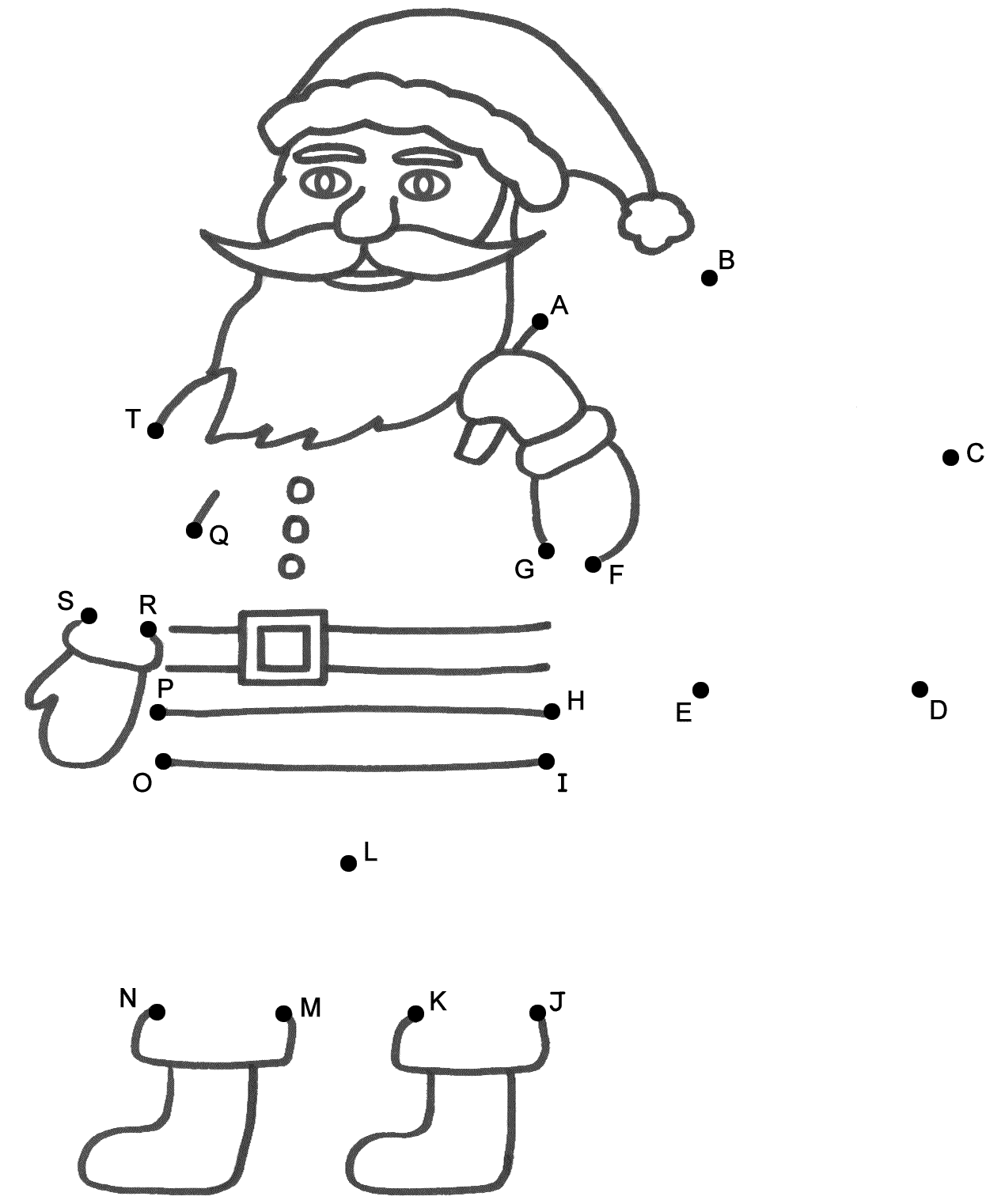
When preparing Dot To Dot Alphabet Writing Worksheets for your classroom or home, consider the following paper choices and printing tips:
- Paper Type: Standard printer paper works well, but using cardstock can provide more durability, especially if the worksheets will be used repeatedly or laminated.
- Print Settings: Ensure your printer settings are adjusted for the best quality. A portrait layout is generally more suitable for worksheets, making them easy to handle and store.
- Lamination: If you plan to reuse the worksheets, consider laminating them. This allows students to use dry-erase markers, making the activity more interactive and environmentally friendly.
With these tips, you can ensure that your worksheets are both functional and enjoyable for students.
Using Dot To Dot Alphabet Writing Worksheets effectively can transform the way children learn their letters. By understanding their layout, implementing effective teaching strategies, and exploring variations, you can create a rich learning environment that supports early literacy skills. Whether in a classroom or at home, these worksheets are a valuable resource for developing writing proficiency in young learners.